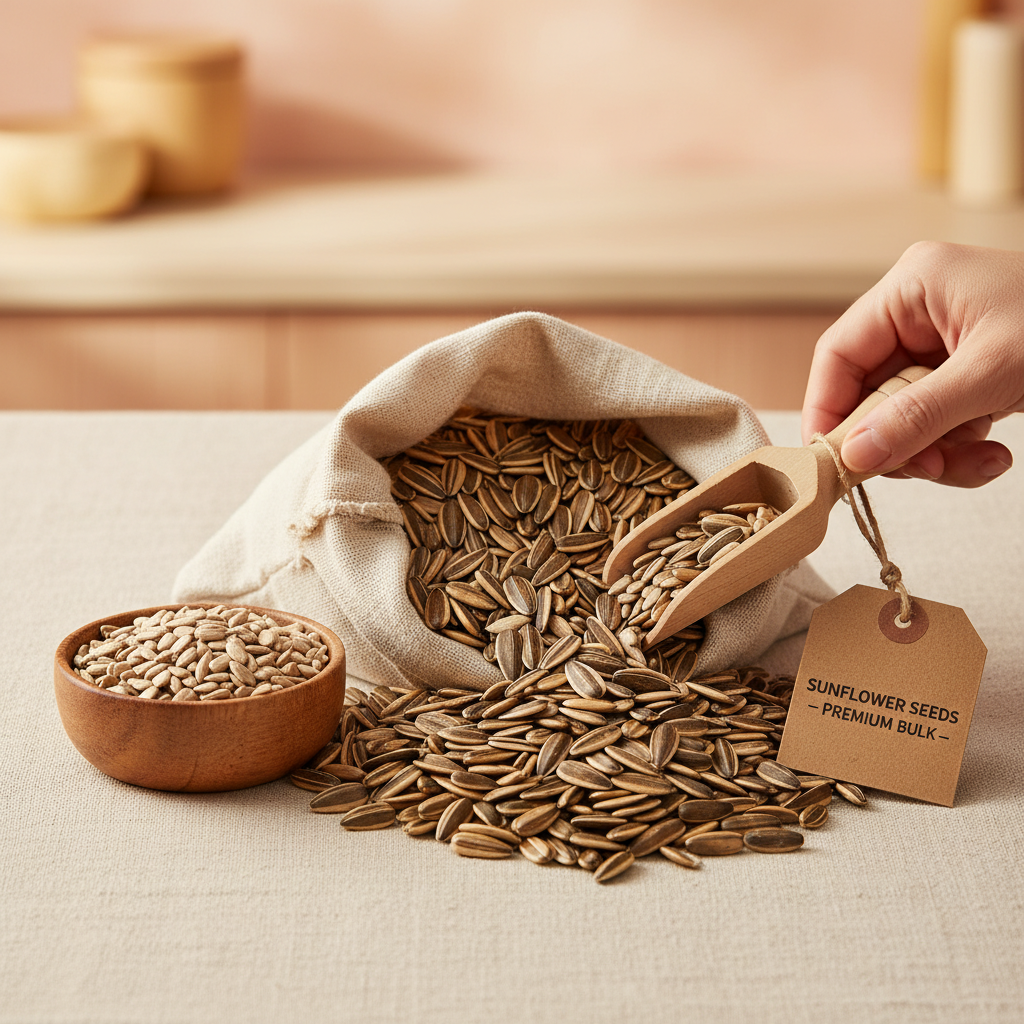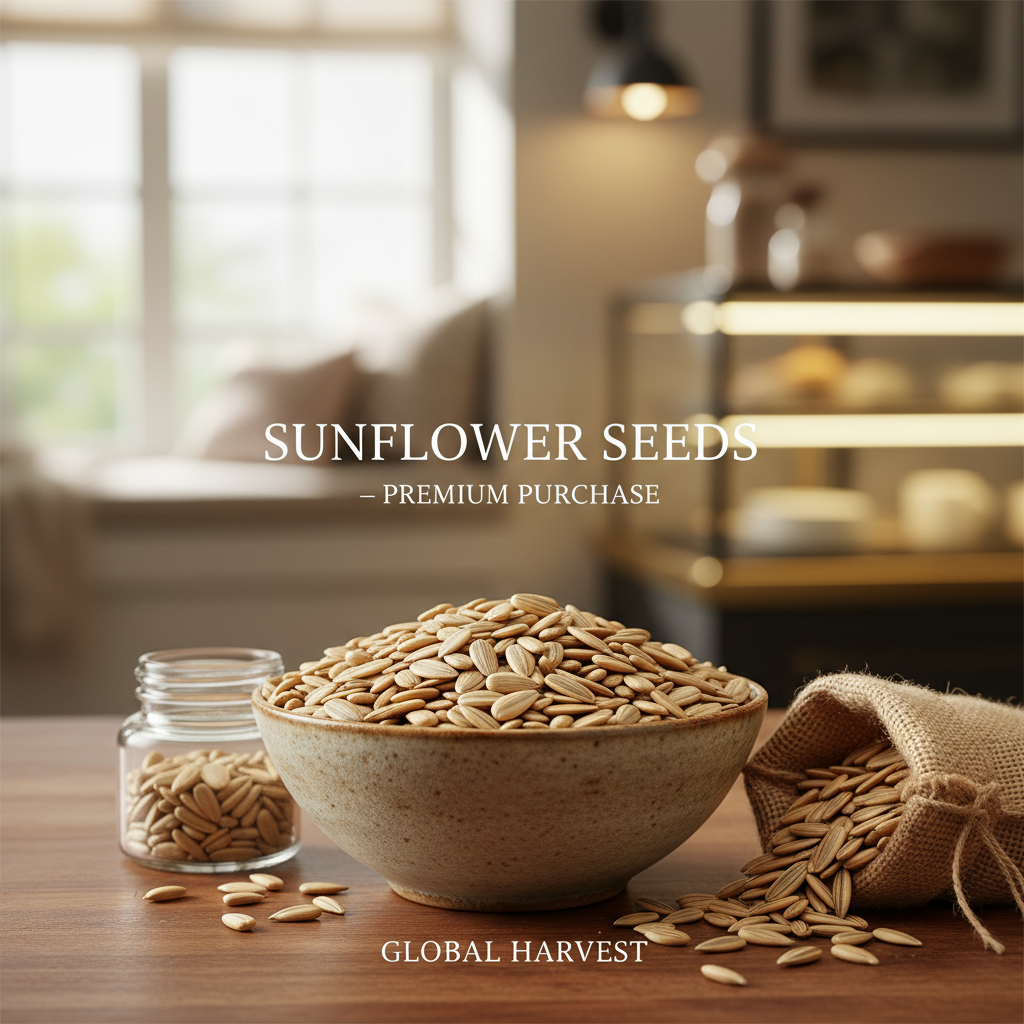
Determining the watermelon seeds 1 kg price requires an understanding of the complex supply chain within the food processing and leisure snack manufacturing industry. As global demand for nutrient-dense snacks grows, the cost of high-quality seeds is influenced by raw material sourcing, roasting techniques, and flavor additives.
For procurement managers and wholesalers, the challenge lies in balancing bulk pricing with strict quality standards. Factors such as seed size, moisture content, and the precision of the roasting process directly impact the market value and the final retail competitiveness of the product.
This analysis provides a comprehensive framework for evaluating the cost drivers of watermelon seeds, comparing different grade specifications, and establishing a professional procurement strategy for bulk leisure snack acquisition.

Core Determinants of Bulk Seed Pricing

The base watermelon seeds 1 kg price is primarily driven by the seed's physical specifications and the purity of the raw batch. In the leisure snack industry, "grade" refers to the size and uniformity of the seeds, where larger, more consistent seeds typically command a premium due to their better appearance and mouthfeel in the final product.
Beyond size, the moisture level plays a critical role; lower moisture content prevents mold growth and extends shelf life, which adds value to the bulk price. Buyers must evaluate the ratio of broken seeds to whole seeds, as high breakage rates significantly reduce the commercial value for premium packaging.
Impact of Processing and Flavoring on Value
Processing transforms raw seeds into consumer-ready snacks, adding layers of cost based on the complexity of the roasting and flavoring stages. Simple roasted seeds have a lower cost basis compared to multi-flavored peeled seeds, which require additional mechanical shelling and specialized seasoning applications.
The use of unique ingredients for pickling and roasting—such as high-quality oils and specific flavor profiles like caramel—increases the production cost. These value-added processes are designed to satisfy diverse taste buds and increase the product's marketability in the competitive bakery and snack sectors.
Sourcing Regions and Raw Material Quality
Geography significantly impacts the quality and price of seeds. For instance, pollution-free raw materials sourced from regions like Xinjiang and Inner Mongolia are highly sought after due to their natural purity and superior growth conditions, which often results in a more robust seed structure.
Utilizing these premium raw materials allows manufacturers to produce top-notch seeds that comply with national quality and safety standards. The integration of research, development, and standardized production management ensures that the raw material's inherent quality is preserved through the roasting process.
Analyzing Relative Cost Drivers by Grade
Understanding the relative cost distribution is essential for budgeting. The following illustrative framework represents the normalized impact of different factors—Raw Material, Processing, Packaging, and Logistics—on the total cost of various seed grades.
As shown in the conceptual comparison, premium grades shift the cost weight toward raw material purity and complex processing, whereas standard grades are more heavily influenced by logistics and bulk packaging efficiencies.
Packaging Specifications and Logistics Costs
Packaging is not merely a container but a cost-driver that affects the watermelon seeds 1 kg price. Options range from small polyethylene or paper bags for retail to large 25kg vacuum craft paper bags for industrial use. Vacuum packaging is particularly critical for maintaining freshness and extending shelf life to eight months.
Logistics costs vary based on the shipping method, whether shipped loose on pallets, via silo trucks, or in containers. The inclusion of drying bags and protective cartons within containers is a standard requirement for long-distance export to prevent moisture damage and maintain product integrity.
Common Risks in Bulk Seed Procurement
Procurement risks in the food processing industry often stem from inconsistent specifications. A common issue is the variance in seed size within a single shipment, which can disrupt automated packaging lines and lead to uneven product weight in retail bags.
Additionally, buyers must be wary of "hidden" costs such as lead time delays or inadequate after-sales support. Ensuring a supplier has a strong year-round supply capacity and a professional team to handle quality disputes via photo and video evidence is vital for mitigating operational risk.
Strategic Procurement Decision Framework
Choosing the right seed product depends on the target end-user and the intended application. Below is a qualitative comparison of different approach types to assist in procurement decision-making.
| Seed Type | Key Cost Driver | Best Use Case | Main Consideration |
|---|---|---|---|
| Raw Shelled | Origin Purity | Baking Ingredients | Moisture Content |
| Roasted Plain | Roasting Temp | Budget Snacks | Uniformity |
| Flavored Peeled | Seasoning Cost | Premium Retail | Flavor Stability |
| Specialty Grade | Size Selection | High-end Gifting | Seed Integrity |
| Industrial Bulk | Logistics Volume | Food Manufacturing | Lead Time |
| OEM Customized | Labeling/Packaging | Private Labeling | MOQ Requirements |
By aligning the procurement type with the specific business goal—whether it is minimizing cost per kg or maximizing retail shelf-appeal—businesses can optimize their ROI in the leisure snack market.
Frequently Asked Questions
The price is primarily influenced by the raw material origin (e.g., Xinjiang), the seed size specification, the complexity of the roasting and flavoring process, and the type of packaging used for preservation.
Vacuum packaging and customized labeling increase the unit price but are essential for maintaining a shelf life of eight months and enhancing brand value in retail environments.
For most professional manufacturers, the Minimum Order Quantity (MOQ) is typically 1 ton per product to ensure production efficiency and cost-effective transportation.
Yes, professional suppliers generally provide samples free of charge, although the customer is usually responsible for the postage costs.
Common terms include a 30% T/T deposit with the remaining 70% paid upon receipt of the bill of lading copy, or 100% L/C payable on sight.
Quality is maintained through vacuum packaging and the placement of drying bags and protective cartons around the container interior to prevent humidity and physical damage.
Conclusion
Optimizing the acquisition of watermelon seeds requires a strategic balance between raw material quality, processing specifications, and logistics efficiency. By focusing on standardized management and sourcing from pollution-free regions, procurement officers can secure products that meet both safety standards and consumer taste preferences.
For detailed specifications and customized bulk pricing options, buyers can review the available product information and contact the team at www.yuyangmelon.com to discuss application-specific requirements.