Roasted sunflower seeds with shell represent more than just a popular snack; they are a global symbol of leisure, nutritional density, and agricultural craftsmanship. From the bustling street markets of East Asia to the casual social gatherings in Europe, these seeds provide a unique sensory experience that combines the tactile satisfaction of shelling with a rich, nutty flavor profile. Understanding the intricacies of their production and nutritional value allows consumers and wholesalers to appreciate the balance between traditional roasting methods and modern food safety standards.
In the global food processing landscape, roasted sunflower seeds with shell have carved out a significant niche within the leisure snack category. As consumers pivot toward plant-based proteins and healthier alternatives to processed chips, the demand for minimally processed, seed-based snacks has surged. This shift is driven by an increasing awareness of the heart-healthy fats and essential minerals found within the sunflower kernel, making it a preferred choice for those seeking a guilt-free indulgence.
However, achieving the perfect roast—where the shell is brittle and the kernel is crunchy without being burnt—requires precise thermal control and high-quality raw materials. For the food manufacturing industry, the challenge lies in maintaining consistency across massive batches while ensuring that the natural oils do not oxidize. By exploring the technical aspects of roasting and the socio-economic impact of this industry, we can better understand why these seeds remain a timeless staple in the global snack market.
Global Market Dynamics of Roasted Sunflower Seeds With Shell
The global trade of roasted sunflower seeds with shell is influenced by vast agricultural belts in Eastern Europe and Central Asia. According to data trends reflecting FAO standards, the production of oilseeds has seen a steady increase as a response to the growing demand for sustainable plant-based fats. This global supply chain ensures that high-grade raw seeds reach processing plants where they are transformed into the salted or flavored snacks enjoyed worldwide.
Despite the steady growth, the industry faces challenges such as climate volatility affecting crop yields and the stringent import/export regulations regarding aflatoxins and pesticide residues. To address these, leading manufacturers are implementing advanced sorting technologies and ISO-certified quality control measures, ensuring that every batch of roasted sunflower seeds with shell meets international health and safety benchmarks.
Defining Quality in Shell-On Roasted Sunflower Seeds
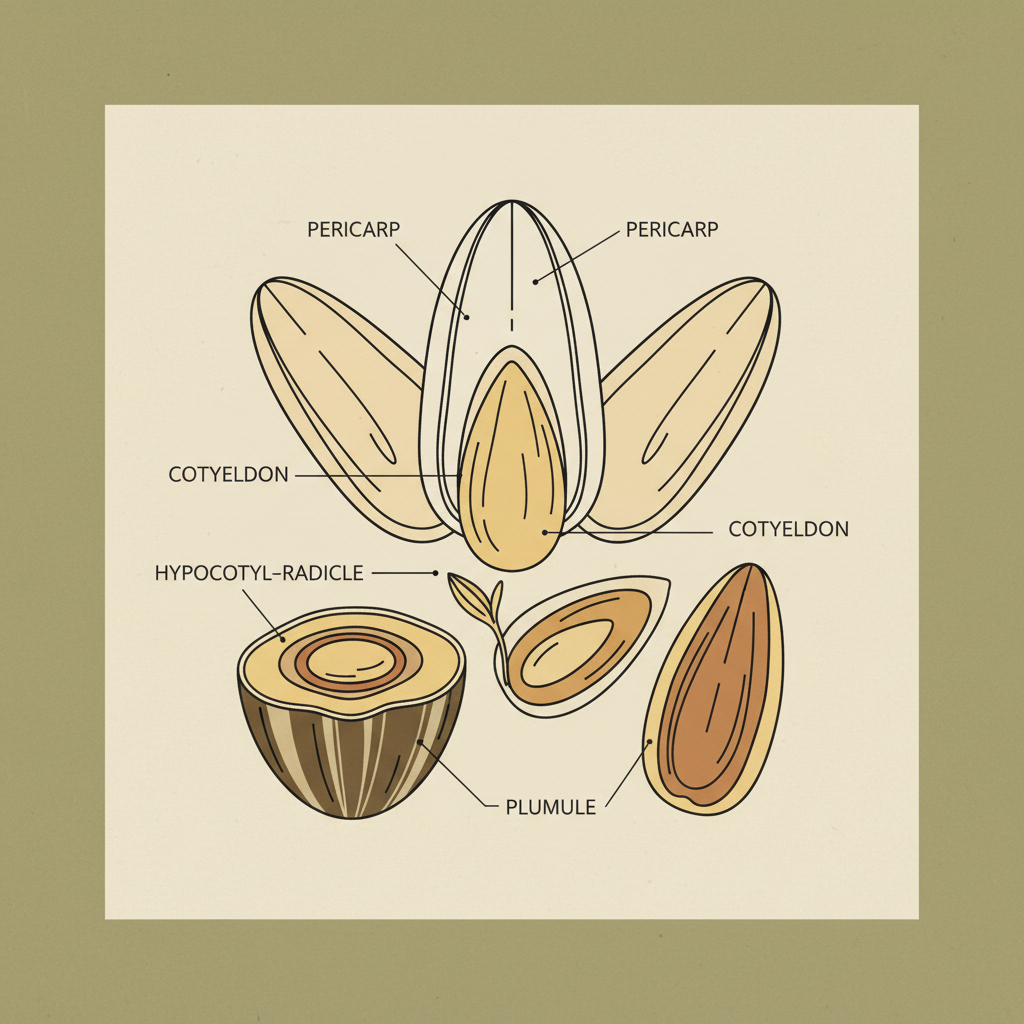
At its core, roasted sunflower seeds with shell are the matured seeds of the Helianthus annuus plant, which have undergone a controlled heating process to develop flavor and remove moisture. Unlike peeled seeds, the presence of the shell serves a critical purpose: it protects the inner kernel from premature oxidation and provides a distinctive "cracking" ritual that enhances the psychological satisfaction of snacking.
In the context of modern food manufacturing, these seeds are more than just a crop; they are a precision-engineered product. The connection to humanitarian needs often appears in the form of food security and affordable nutrition, as sunflower seeds provide a calorie-dense, protein-rich option that is easy to store and transport without refrigeration, making them an ideal supplement in various global diets.
Defining "quality" in this industry involves three main pillars: shell integrity, kernel color, and flavor uniformity. A premium product must have a shell that splits easily without crushing the seed, a kernel that is creamy white or golden (depending on the variety), and a taste that balances the natural oiliness of the seed with the chosen seasoning.
Core Production Factors for Premium Texture
The first critical factor in producing high-end roasted sunflower seeds with shell is moisture control. If the raw seeds contain too much moisture, the roasting process becomes uneven, leading to "steamed" kernels rather than toasted ones. Precise pre-drying ensures that heat penetrates the shell uniformly, resulting in that coveted snap.
Thermal scalability is the second pillar. In industrial settings, transitioning from small-batch artisanal roasting to mass production requires advanced rotary drums or fluid-bed roasters. This ensures that every single unit of roasted sunflower seeds with shell is exposed to the same temperature gradient, preventing the common industry problem of charred exteriors and raw interiors.
Finally, the application of seasoning and salt—often referred to as "brining"—must be timed perfectly. Applying salt too early can lead to uneven distribution, while applying it too late may result in the seasoning not adhering to the shell. The synergy between temperature and salinity is what defines the commercial success of roasted sunflower seeds with shell in competitive markets.
Comparative Analysis of Roasting Methodologies
Different roasting techniques yield vastly different profiles for roasted sunflower seeds with shell. Traditional drum roasting provides a rustic, deep flavor but can be inconsistent. In contrast, modern convection roasting uses forced air to ensure a more uniform heat distribution, reducing the risk of burnt batches and increasing overall energy efficiency.
Vacuum roasting is an emerging trend that allows the seeds to be toasted at lower temperatures, preserving more of the heat-sensitive vitamins and antioxidants. This method is particularly favored for "health-conscious" product lines where the goal is to maintain the integrity of the unsaturated fats while still achieving a satisfying crunch.
Efficiency and Quality Ratings of Sunflower Seed Roasting Methods
Real-World Applications and Consumer Use Cases
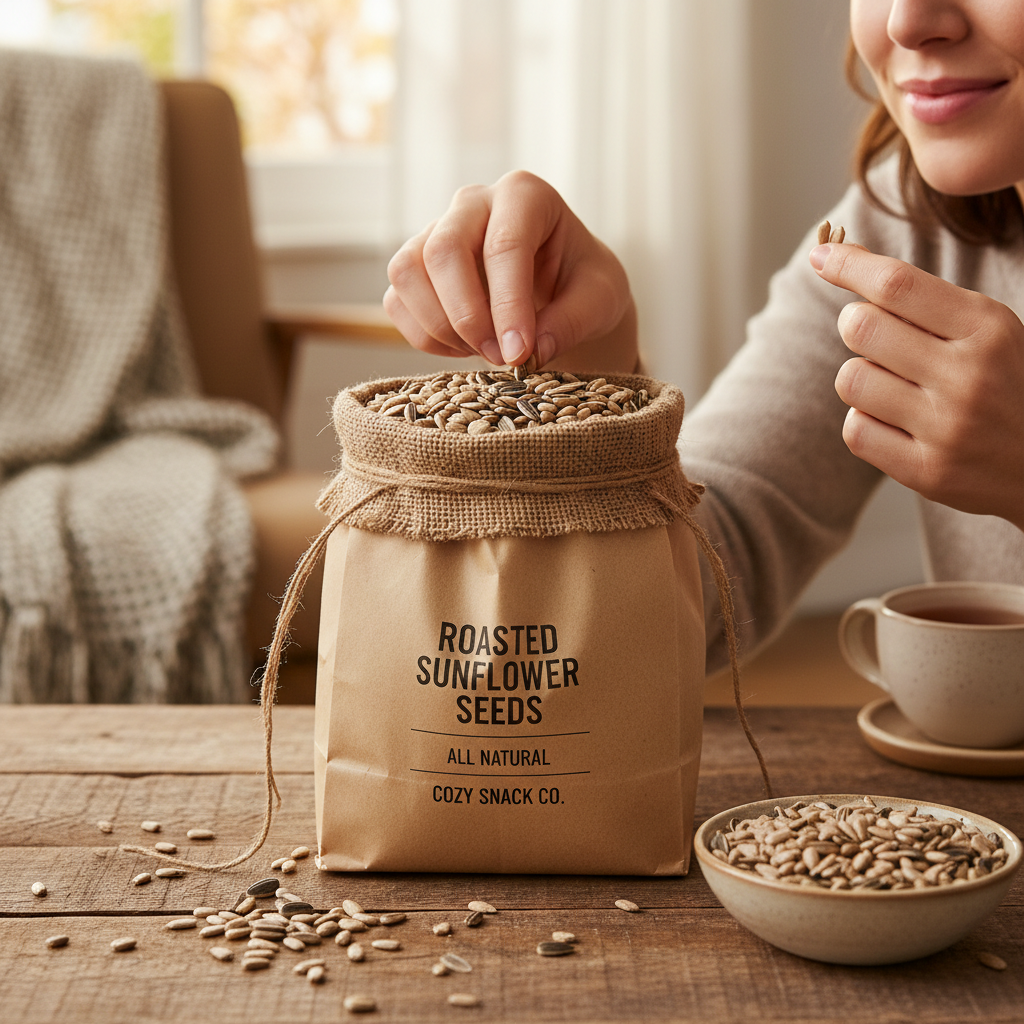
The application of roasted sunflower seeds with shell extends far beyond simple snacking. In many East Asian cultures, they are a cornerstone of social hospitality, served during tea times or festive gatherings to facilitate conversation. The rhythmic process of shelling the seeds is believed to reduce stress and encourage mindful eating, making it a popular accompaniment in lounge settings and traditional cafes.
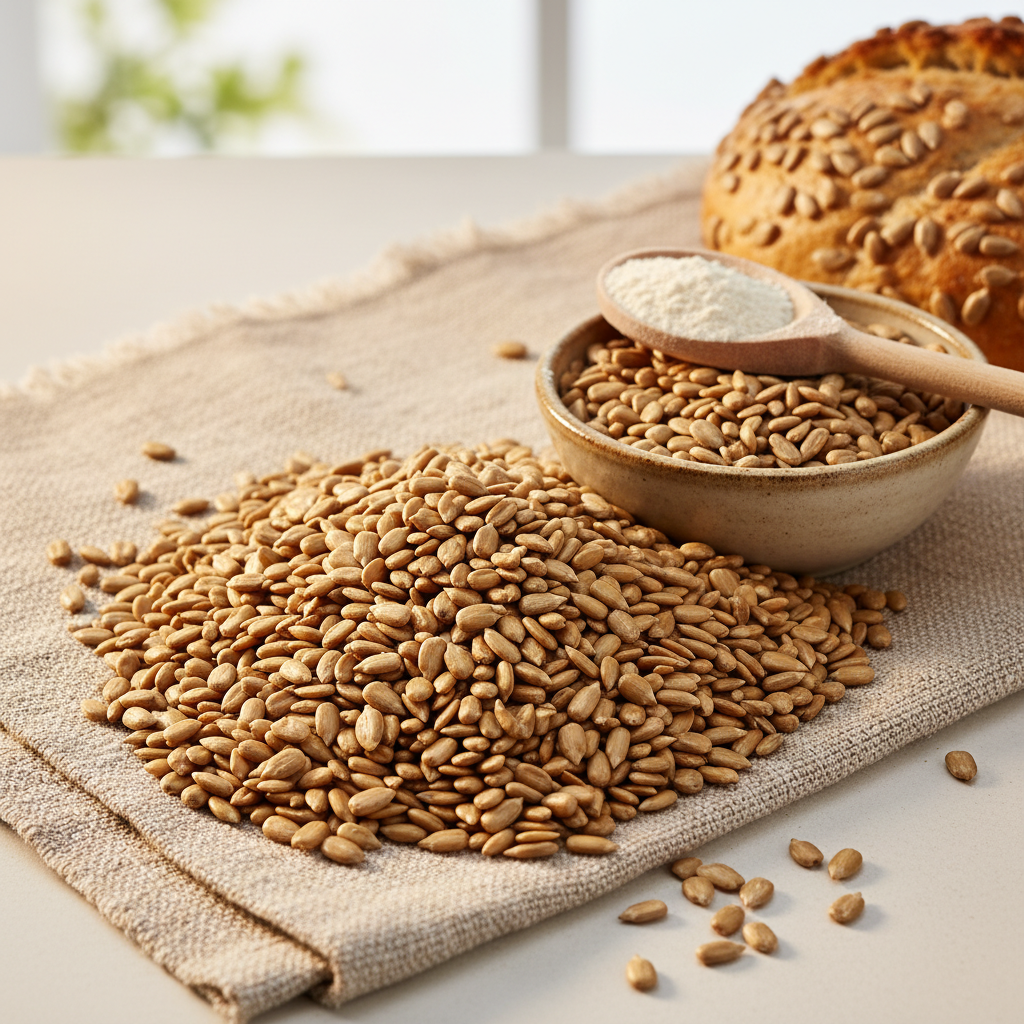
Beyond the home, these seeds are utilized in the industrial food sector as a base for complex snack mixes. In remote industrial zones or long-haul travel contexts, they are prized for their shelf-stability and high energy density. Because the shell acts as a natural barrier, they remain fresh longer than peeled nuts, providing a reliable source of nutrition for people in high-stress or isolated environments.
Long-Term Value and Nutritional Sustainability
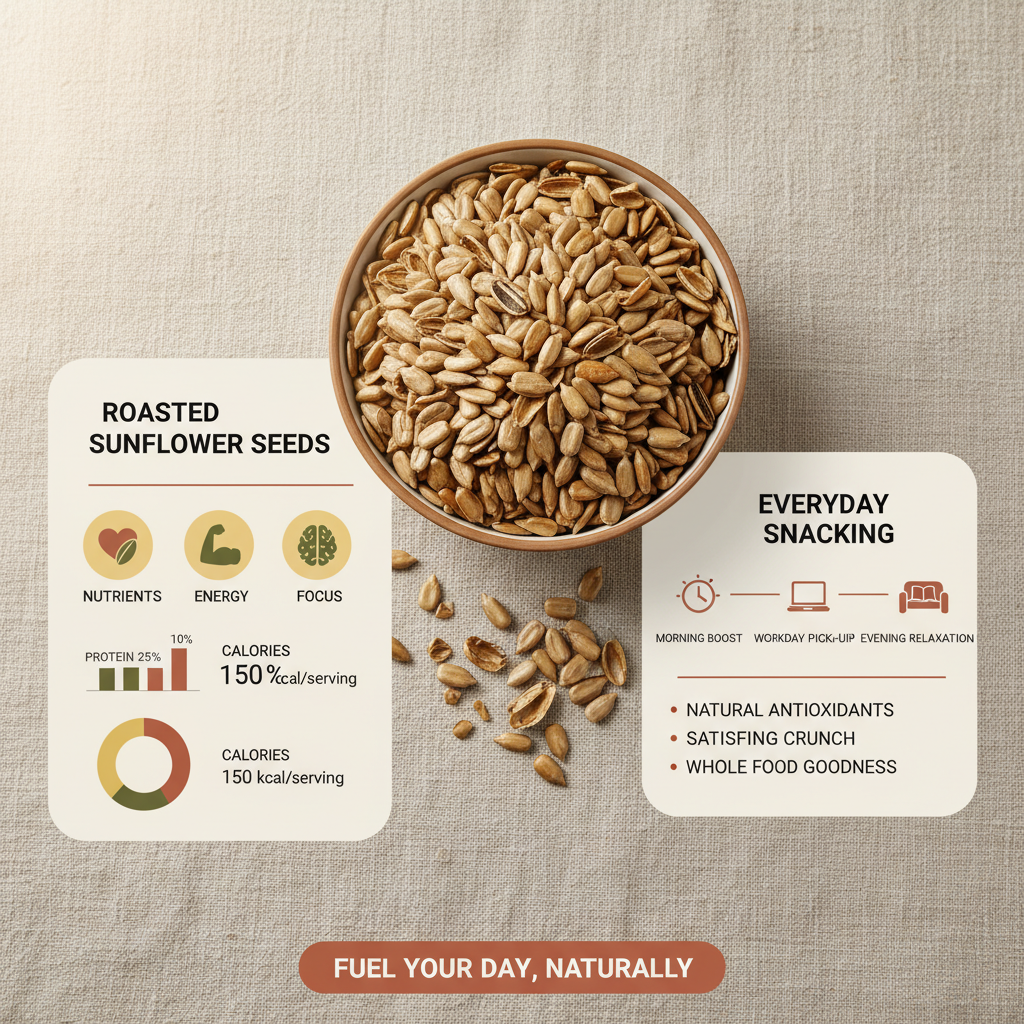
The long-term value of roasted sunflower seeds with shell lies in their impressive nutritional profile. They are rich in Vitamin E, magnesium, and selenium, which contribute to immune support and cardiovascular health. From a logical standpoint, the cost-to-nutrient ratio is exceptionally high, making them an accessible "superfood" for diverse socio-economic groups.
From an emotional perspective, these seeds evoke a sense of trust and tradition. The simplicity of the product—a seed, a roast, and a bit of salt—resonates with the modern consumer's desire for "clean label" foods. This transparency in ingredients fosters a deep bond of trust between the manufacturer and the consumer, especially as more people move away from synthetic additives.
Sustainability is also a key factor. Sunflower cultivation generally requires less water than almond or cashew production, making roasted sunflower seeds with shell a more eco-friendly choice for the planet. By supporting this industry, consumers are indirectly promoting a crop that integrates well into crop rotation systems, improving soil health and reducing the need for intensive chemical fertilizers.
Future Innovations in Sunflower Seed Processing
The future of roasted sunflower seeds with shell is being shaped by digital transformation. Smart roasting ovens equipped with AI-driven sensors can now monitor the internal temperature of the seed in real-time, adjusting the heat flow to ensure zero defects. This automation not only increases yield but also reduces energy waste, aligning the industry with global green energy goals.
We are also seeing a shift toward "functional snacking." Future iterations of roasted sunflower seeds may include the infusion of probiotics or Omega-3 enhancements through advanced vacuum impregnation techniques. This allows the seeds to maintain their traditional form while offering targeted health benefits, transforming a simple snack into a wellness tool.
Furthermore, the industry is exploring biodegradable packaging to replace plastic pouches. The goal is to create a fully circular economy where the sunflower seed, its shell, and its packaging all return to the earth without leaving a toxic footprint.
Technical Analysis of Future Sunflower Seed Processing Trends
| Innovation Tech |
Impact on Quality |
Sustainability Score |
Market Readiness |
| AI Thermal Control |
Eliminates Burnt Kernels |
9/10 |
High |
| Vacuum Impregnation |
Enhanced Nutrient Delivery |
7/10 |
Medium |
| Eco-Polymer Packing |
Maintains Freshness |
10/10 |
Emerging |
| Infrared Toasting |
Faster Crisping Time |
8/10 |
High |
| Precision Brining |
Lower Sodium Content |
6/10 |
High |
| Cold-Press Pre-treatment |
Better Oil Retention |
9/10 |
Medium |
FAQS
The shell acts as a natural protective barrier, preventing the delicate oils in the kernel from oxidizing when exposed to air. This results in a longer shelf life and a fresher taste. Additionally, the act of shelling the seeds slows down consumption, promoting mindful eating and providing a tactile experience that peeled seeds lack.
High-quality seeds should have a consistent color across the batch, with no visible charred bits. The shell should be easy to crack without crushing the kernel inside. Most importantly, the taste should be clean and nutty, without any rancid or overly bitter aftertaste, which would indicate old oil or improper roasting temperatures.
Yes, they are an excellent source of healthy unsaturated fats, Vitamin E, and plant-based protein. However, consumers should be mindful of the salt content in commercially roasted versions. For those seeking the healthiest option, look for "low-sodium" or "unsalted" varieties to reap the cardiovascular benefits without excess sodium.
To maintain maximum crunch and prevent the oils from going rancid, store them in an airtight container in a cool, dry place away from direct sunlight. For long-term storage, refrigeration can help preserve the oils, though you may want to let them reach room temperature before eating to restore the full flavor profile.
Yes, roasted sunflower seeds with shell are widely traded globally. To import them, ensure the supplier provides a Phytosanitary Certificate and complies with the destination country's food safety standards (such as FDA or EFSA). Using vacuum-sealed bulk packaging is recommended to ensure the seeds arrive fresh and crisp.
Bitterness usually stems from two sources: over-roasting (which burns the natural oils) or the use of low-grade raw seeds that have begun to oxidize before processing. High-quality manufacturing involves precise temperature control and the use of fresh harvests to eliminate this bitterness.
Conclusion
Roasted sunflower seeds with shell are a perfect intersection of agricultural tradition and modern food science. By balancing the technical requirements of moisture control and thermal scalability with a deep understanding of consumer desires for nutrition and sustainability, the industry has transformed a simple seed into a global snack phenomenon. The enduring appeal of these seeds lies in their ability to provide both physical nourishment and a mindful, social experience.
Looking forward, the integration of AI-driven roasting and eco-friendly packaging will only enhance the value proposition of these seeds. As the world moves toward more sustainable and plant-based diets, roasted sunflower seeds with shell are poised to remain a staple of the leisure snack industry. We encourage distributors and enthusiasts to prioritize quality and transparency to ensure this timeless snack continues to thrive. Visit our website: www.yuyangmelon.com