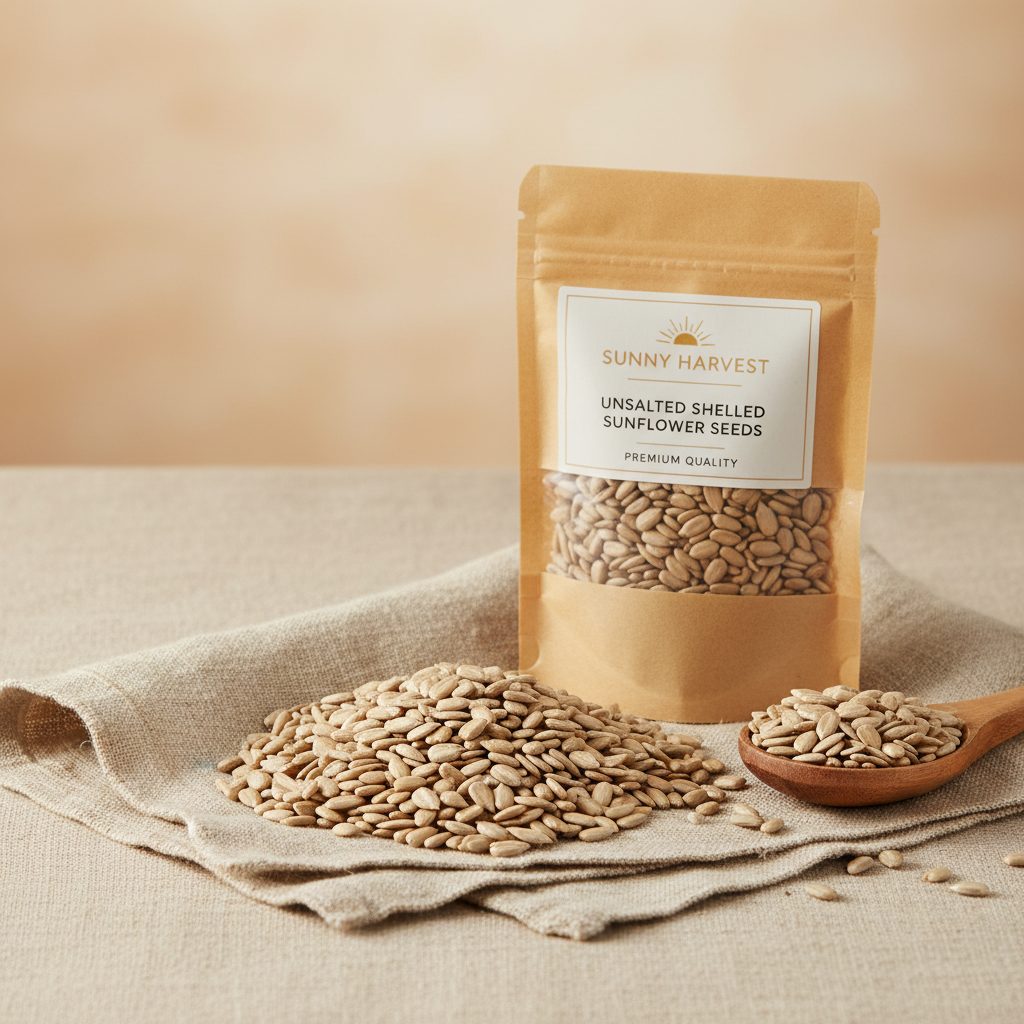
Selecting a reliable source for bulk seed procurement requires a balance between raw material purity and processing precision. For commercial buyers, the focus has shifted from simple volume to the consistency of flavor profiles and nutritional integrity.
The global snack market is currently seeing a resurgence in traditional seeds, driven by a consumer preference for nutrient-dense, plant-based proteins. This shift places significant pressure on food processors to ensure that roasted and flavored seeds maintain their stability and taste over extended shelf lives.
Whether you are managing a distribution network or developing a new snack line, understanding the technical specifications of seed grading is essential. If you are looking to muskmelon seeds buy, analyzing the roasting process and origin of the raw materials is the first step toward quality assurance.

The Mechanics of Seed Sourcing

The quality of a finished snack begins with the geography of the raw material. Seeds sourced from regions like Xinjiang and Inner Mongolia are often preferred due to the soil composition and climatic conditions that enhance the natural oil content and seed size.
For wholesalers, the "Type" of seed (such as 361 or 363) determines the baking grade and subsequent texture. Proper screening ensures that the final product is free from debris and inconsistent sizing, which is critical for automated packaging lines.
Technical Processing and Flavor Infusion
The transformation of a raw seed into a premium leisure snack involves a complex sequence of pickling and roasting. In the case of Vine Pepper flavored seeds, the process requires a precise balance of salt, pepper, and unique aromatic ingredients. The pickling phase is where the flavor penetrates the shell or kernel, ensuring that the taste is not merely a surface coating but is integrated into the product.
Roasting temperatures must be strictly controlled to avoid the oxidation of unsaturated fats. Over-roasting can lead to an acrid taste and the degradation of Vitamin E, while under-roasting results in a lack of crunch and a shorter shelf life. Modern food processing equipment allows for fully enclosed management, reducing the risk of contamination and ensuring a standardized output.
Beyond roasting, the "shelled" vs "in-shell" decision affects the target market. Shelled kernels are frequently utilized in the bakery sector for dessert grades or baking grades, whereas flavored in-shell seeds are positioned as high-engagement leisure snacks. This differentiation requires different processing lines to maintain the integrity of the seed's exterior.
Nutritional Profiles and Bioactive Compounds
Seeds are more than just snacks; they are concentrated sources of essential nutrients. Sunflower and melon seeds are particularly rich in Vitamin E and phenolic acids, which act as powerful antioxidants. These compounds help maintain nerve and muscle tissue and stabilize capillary walls, which is highly valued in diets focusing on cardiovascular health.
Linoleic acid and unsaturated fats found in high-quality seeds are critical for preventing hypertension and arteriosclerosis, making these snacks a functional addition to a balanced diet.
Furthermore, the presence of iron, zinc, potassium, and magnesium supports bone health and prevents anemia. For the health-conscious consumer, the lack of cholesterol in these plant-based fats makes them a superior alternative to processed chips or sugary snacks. Providing a handful of these seeds daily can meet a significant portion of the body's Vitamin E requirements.
Quality Index for Commercial Grading
Commercial grading is typically based on the number of pieces per weight unit (e.g., 180-240 pcs/50g). This specification ensures that the retailer provides a consistent product experience. A narrower specification range usually indicates a higher grade of screening and a more premium price point.
When evaluating different seed types, buyers often use a relative index to compare nutritional density against flavor intensity and price. This helps in determining whether a product is better suited for the "Dessert Grade" (high purity) or "Roasted Grade" (high flavor).
Figure 2. Seed Grading Value Analysis
Logistics and Packaging Optimization
Packaging is the first line of defense against rancidity. For bulk shipments, vacuum craft paper bags (e.g., 25kg) are preferred over simple plastic bags to prevent moisture ingress and oxygen exposure. The use of drying bags within containers is a critical operational detail that prevents condensation during long-distance maritime transport, especially for seeds destined for humid climates.
Customized labeling and varied packaging sizes (from 250g retail packs to 50kg industrial bags) allow manufacturers to serve both OEM clients and direct wholesalers. Efficient logistics, including the use of silo trucks or palletized containers, significantly reduces the lead time—often keeping it within 20 days from contract signing to delivery.
Emerging Trends in Leisure Snacks
The industry is moving toward "clean label" products where the focus is on reducing artificial additives in the roasting process. Consumers are increasingly looking for high-oleic sunflower seeds and multi-flavor peeled options that offer convenience without sacrificing health. This has led to the rise of specialized flavors, such as the Vine Pepper variety, which combines traditional tastes with modern snack appeal.
There is also a growing demand for "customized nutrition," where seeds are blended with other nuts or dried fruits to create multi-nutrient mixes. For producers, this means diversifying the product line to include chickpeas, pistachios, and pumpkin seeds alongside the core melon seed offerings.
Technologically, the focus is shifting toward energy-efficient roasting and automated quality control systems that use optical sorting to remove damaged seeds. These innovations allow companies to maintain ISO9001 standards while scaling production to meet global demand.
Procurement Decision Framework
When choosing a supplier, buyers must evaluate the trade-off between minimum order quantities (MOQ) and customization flexibility. A supplier capable of handling OEM services and offering free samples (with postage paid by the buyer) typically indicates a more mature export management system.
Payment terms and after-sales support are equally vital. A standard 30% T/T deposit with 70% upon bill of lading ensures a shared risk model. Furthermore, a professional after-sales team that utilizes photo and video evidence to resolve quality disputes is a marker of a trustworthy partner.
The following framework provides a qualitative comparison of the factors that influence the selection of seed products based on the intended end-use.
| Application | Key Requirement | Recommended Spec | Priority Factor |
|---|---|---|---|
| Retail Snack | Flavor Intensity | 190-220 pcs/50g | Taste Profile |
| Bakery / Cake | Purity & Color | Baking Grade | Visual Uniformity |
| Health Food | Nutrient Retention | Raw/Low Roast | Vitamin E Content |
| Industrial OEM | Volume Stability | Standardized Type | Lead Time |
| Premium Gift | Seed Size | 230-240 pcs/50g | Packaging Quality |
| Dietary Supplement | Low Oxidation | Vacuum Packed | Shelf Life |
Questions & Answers
Quality is defined by three main pillars: raw material origin, roasting precision, and size uniformity. High-quality seeds are typically sourced from nutrient-rich regions, roasted at controlled temperatures to prevent oil oxidation, and screened to fit specific piece-count specifications (e.g., 180-240 pcs/50g). The consistency of the flavor infusion, such as the Vine Pepper taste, also determines whether the product meets premium market standards.
Packaging is critical for maintaining freshness. For bulk exports, vacuum craft paper bags are superior to standard plastic because they better regulate moisture and oxygen. Additionally, employing drying agents within the container helps mitigate the effects of humidity and temperature swings during transit, ensuring that the seeds do not clump or develop off-flavors before reaching the buyer.
Baking grade kernels are typically raw or lightly processed, focusing on purity and color to blend seamlessly into baked goods without altering the dough's chemistry. Roasted grade kernels are processed for immediate consumption, focusing on crunch and flavor infusion. While baking grade is about integration, roasted grade is about the sensory experience of the snack itself.
Yes, seeds are rich in Vitamin E, which is a powerful antioxidant that supports nerve tissue and capillary stability. They also contain linoleic acid, which helps in the prevention of cardiovascular diseases such as hypertension. Additionally, the presence of zinc, magnesium, and potassium supports overall bone health and skin integrity, making them a functional snack.
Buyers should look for a balance between a manageable Minimum Order Quantity (often around 1 ton for industrial supplies) and a reliable lead time. A professional supplier should be able to deliver within 20 days of contract signing. Flexibility in packaging (custom labels and sizes) is also a key indicator of a supplier's ability to support different business scales.
Reliable traders employ a professional after-sales service team. The standard procedure involves the buyer providing photographic and video evidence of the discrepancy. The supplier then analyzes the batch records and shipping conditions to determine the cause and provide a resolution, which may include replacements or credits, ensuring the long-term trust between the two parties.
Final Thoughts
The commercial success of a seed-based snack line depends on the invisible details: the precision of the roasting temperature, the purity of the raw source, and the integrity of the vacuum packaging. As consumers shift toward health-conscious snacking, the demand for seeds that offer both functional nutritional value and sophisticated flavor profiles will continue to grow.
For those navigating the process of muskmelon seeds buy, the focus should remain on suppliers who prioritize standardization and transparency. By utilizing a strict decision framework—evaluating everything from piece-count specifications to after-sales protocols—businesses can secure a supply chain that supports consistent growth and consumer satisfaction.