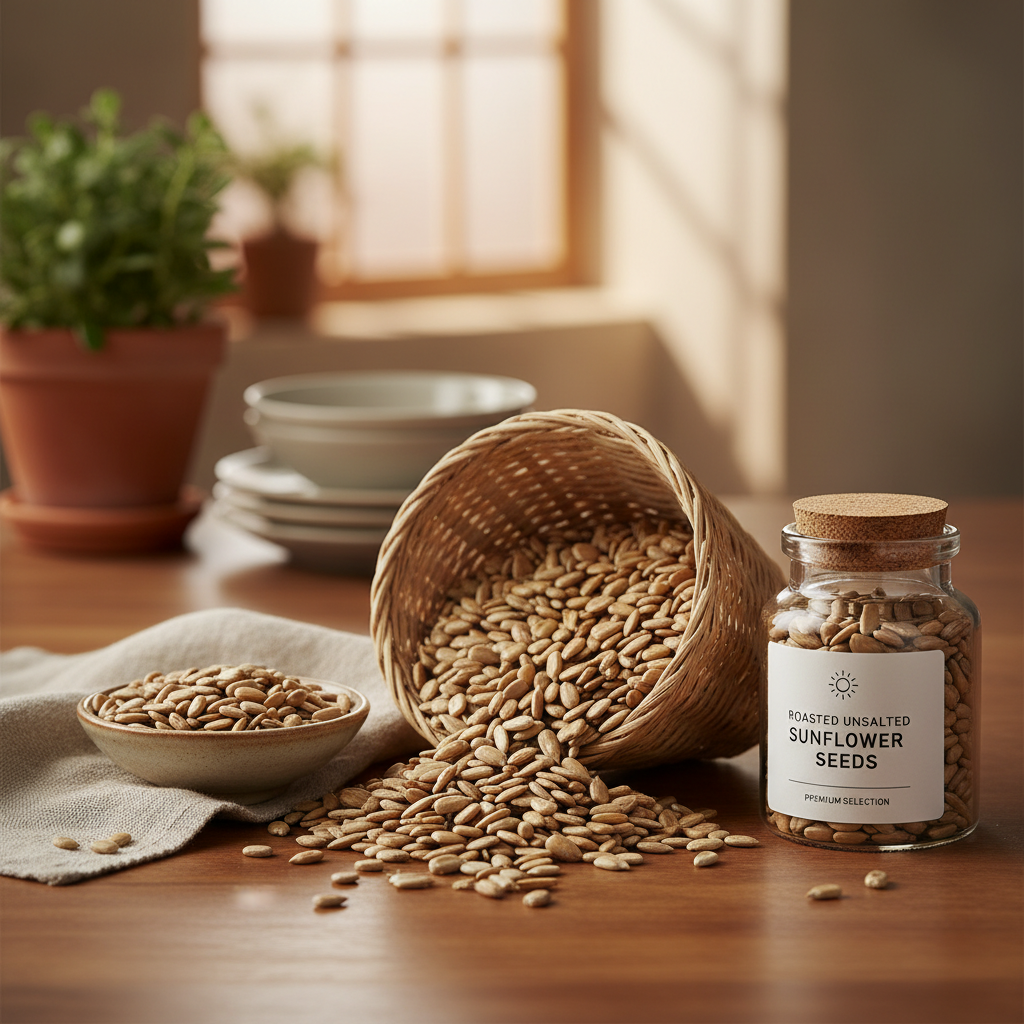
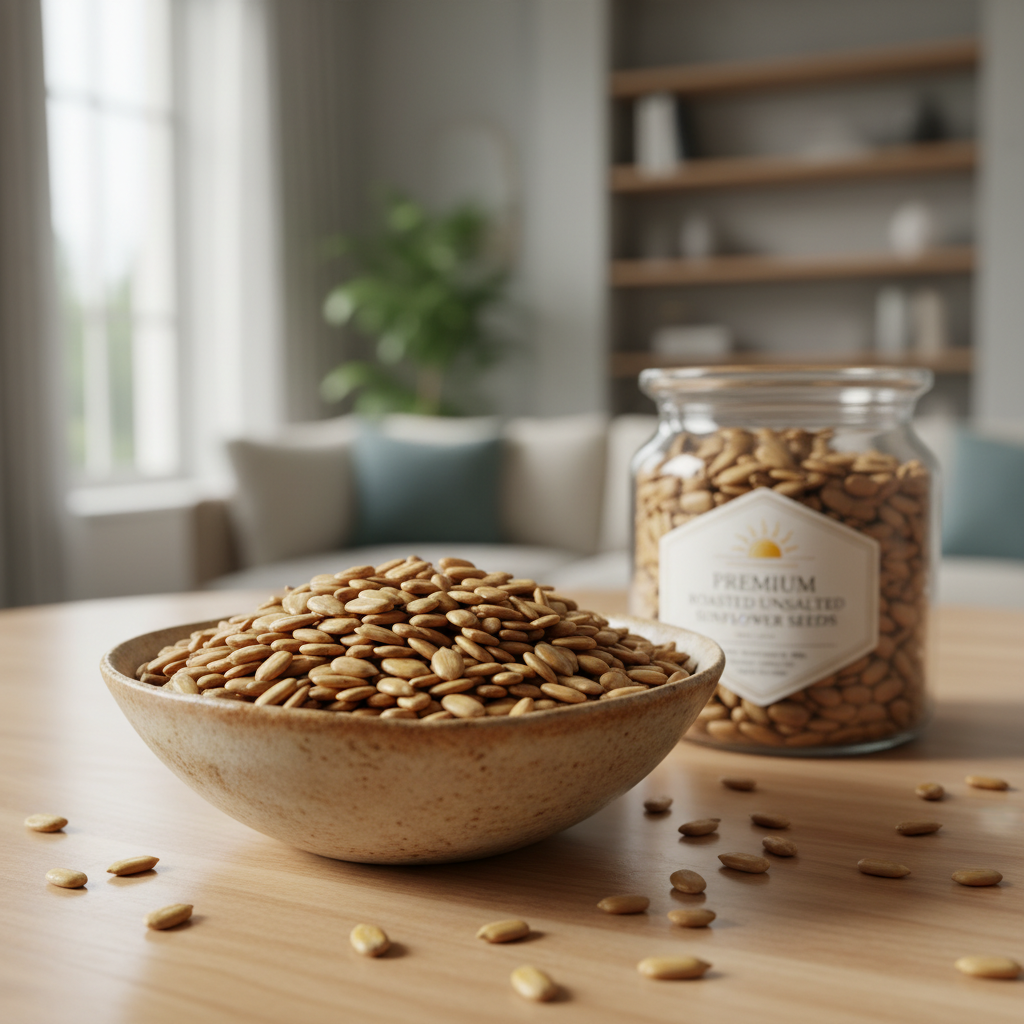
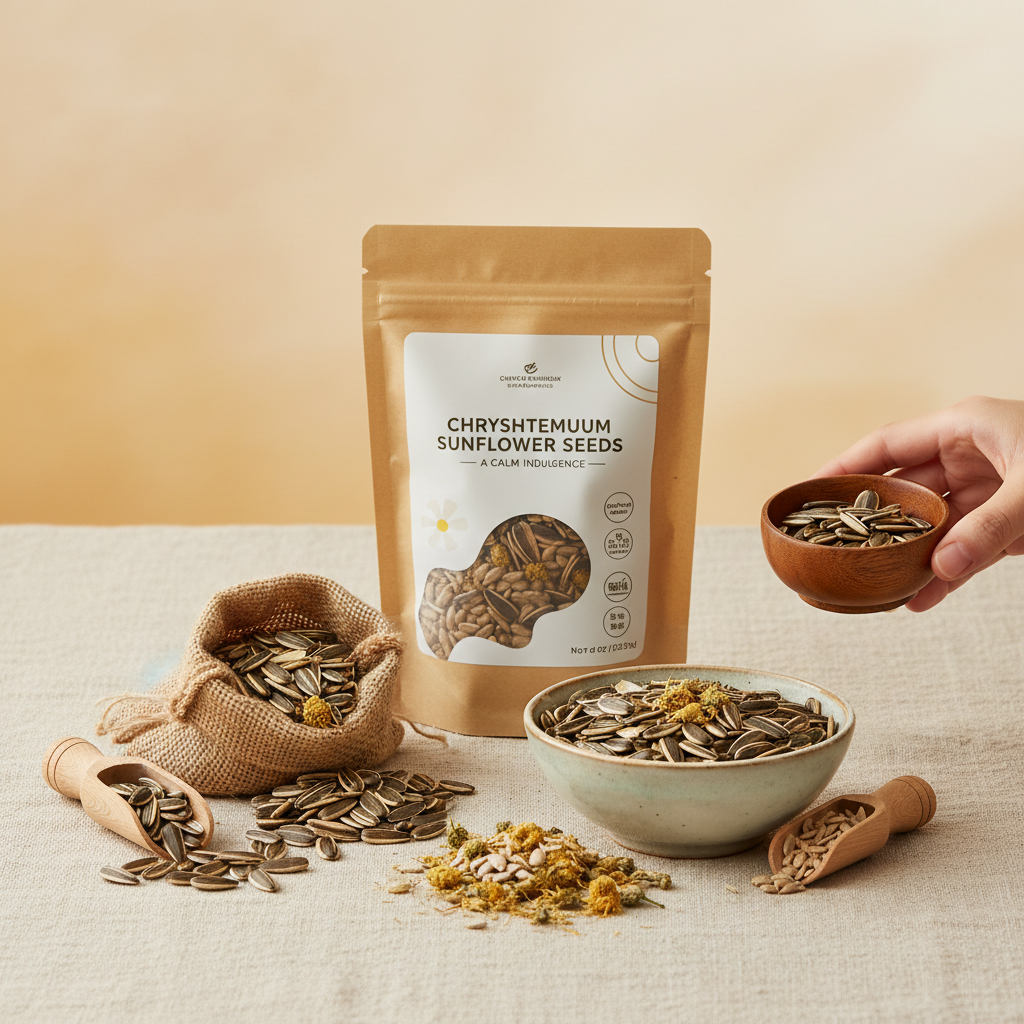
Roasted unsalted sunflower seeds represent a wholesome and increasingly popular snack choice globally, prized for their nutritional benefits and versatility. These seeds, harvested from the vibrant sunflower plant, offer a natural source of vitamin E, magnesium, and healthy fats. Their growing appeal stems from a rising consumer interest in healthier snacking options and a broader understanding of the positive impact of plant-based foods on overall well-being.
The global market for sunflower seeds, including roasted unsalted varieties, is experiencing consistent growth, driven by factors like increasing health consciousness, changing dietary habits, and expanded applications beyond direct consumption. According to recent data from the UN Food and Agriculture Organization (FAO), sunflower seed production continues to rise globally, indicating a strong and reliable supply chain. This makes roasted unsalted sunflower seeds an accessible and sustainable option for consumers worldwide.
Addressing the challenge of convenient, healthy snacking, roasted unsalted sunflower seeds provide a compelling solution. Unlike many processed snacks, they require minimal processing and contain no added salt, making them an ideal choice for individuals seeking to reduce their sodium intake. This aligns with the World Health Organization’s (WHO) recommendations for healthy diets and contributes to preventative healthcare efforts globally.
The Nutritional Profile of roasted unsalted sunflower seeds
Roasted unsalted sunflower seeds are nutritional powerhouses, packed with essential vitamins, minerals, and healthy fats. A single ounce (approximately 28 grams) provides a substantial dose of vitamin E, a potent antioxidant protecting cells from damage. They also contain significant amounts of magnesium, crucial for nerve function, muscle health, and energy production.
Beyond these key nutrients, roasted unsalted sunflower seeds are a good source of protein, fiber, selenium, and linoleic acid, an essential fatty acid. This comprehensive nutritional profile makes them a valuable addition to a balanced diet, contributing to overall health and well-being.
Global Production and Supply Chains
Sunflower seed production is concentrated in several key regions globally, with Ukraine, Russia, Argentina, and the United States being the leading producers. These countries benefit from suitable climates and established agricultural infrastructure. The seeds undergo harvesting, cleaning, and drying before being processed and distributed worldwide.
The supply chain for roasted unsalted sunflower seeds involves numerous stakeholders, including farmers, processors, distributors, and retailers. Efficient logistics and quality control are essential to ensure a consistent and reliable supply of high-quality seeds to meet global demand. Maintaining transparency and traceability throughout the supply chain is becoming increasingly important to consumers.
Global trade patterns see the major producing countries exporting sunflower seeds to regions with limited production capacity, such as Europe and Asia. Fluctuations in weather patterns, geopolitical factors, and transportation costs can influence the availability and price of roasted unsalted sunflower seeds on the global market.
Processing Methods and Quality Control
The processing of sunflower seeds into roasted unsalted form involves several key steps. Initially, the seeds are cleaned to remove any debris or impurities. Then, they undergo a carefully controlled roasting process, typically using hot air or dry roasting techniques, to enhance their flavor and texture without adding salt.
Quality control is paramount throughout the entire process. Seed selection, roasting temperature, and duration are meticulously monitored to ensure consistent quality and prevent the development of undesirable flavors. Regular testing for contaminants, such as aflatoxins, is also essential to meet food safety standards. Roasted unsalted sunflower seeds from reputable suppliers adhere to strict quality control protocols.
Modern processing facilities often employ advanced technologies, such as optical sorting and automated roasting systems, to optimize efficiency and consistency. Packaging is also crucial, with airtight containers preserving freshness and preventing moisture absorption.
Health Benefits of roasted unsalted sunflower seeds
Roasted unsalted sunflower seeds offer a wide array of health benefits, stemming from their rich nutritional composition. The high vitamin E content acts as a powerful antioxidant, protecting cells from oxidative stress and supporting immune function.
Magnesium, abundant in these seeds, plays a crucial role in maintaining healthy blood pressure, regulating blood sugar levels, and promoting nerve and muscle function. The fiber content aids digestion, promotes satiety, and contributes to a healthy gut microbiome.
Health Benefit Ratings of Different Roasted Sunflower Seed Varieties
Culinary Applications and Recipes
Roasted unsalted sunflower seeds are incredibly versatile in the kitchen. They can be enjoyed as a standalone snack, sprinkled on salads for added texture and nutritional value, or incorporated into baked goods like bread and muffins.
They also serve as a delicious and healthy topping for yogurt, oatmeal, or smoothies. Savory applications include adding them to trail mixes, coating fish or chicken, or incorporating them into homemade granola bars.
Sustainability and Environmental Impact
Sunflower cultivation generally requires less water and fewer pesticides compared to other oilseed crops, making it a relatively sustainable agricultural practice. The plants can also help improve soil health by absorbing nutrients and preventing erosion.
However, the environmental impact of sunflower seed production can vary depending on farming practices. Sustainable farming methods, such as crop rotation, reduced tillage, and integrated pest management, can further minimize the environmental footprint.
Choosing roasted unsalted sunflower seeds from suppliers committed to sustainable sourcing and responsible farming practices supports environmentally friendly agriculture.
Market Trends and Future Outlook
The market for roasted unsalted sunflower seeds is expected to continue growing in the coming years, driven by increasing health consciousness, demand for convenient snacks, and the rising popularity of plant-based diets.
Innovation in flavorings and packaging is likely to emerge, catering to diverse consumer preferences. The development of organic and sustainably sourced sunflower seeds is also gaining momentum.
Technological advancements in processing and packaging may further enhance product quality, shelf life, and convenience. The demand for roasted unsalted sunflower seeds as a healthy and versatile snack is poised for sustained growth.
Key Factors Influencing Market Growth of Roasted Unsalted Sunflower Seeds
| Growth Factor |
Impact Level (1-10) |
Regional Variation |
Future Trend |
| Health Consciousness |
9 |
High in North America & Europe |
Continued Increase |
| Convenience & Snacking |
8 |
Growing in Asia-Pacific |
Demand for Portable Packaging |
| Plant-Based Diet Adoption |
7 |
Significant in Western Europe |
Increased Product Innovation |
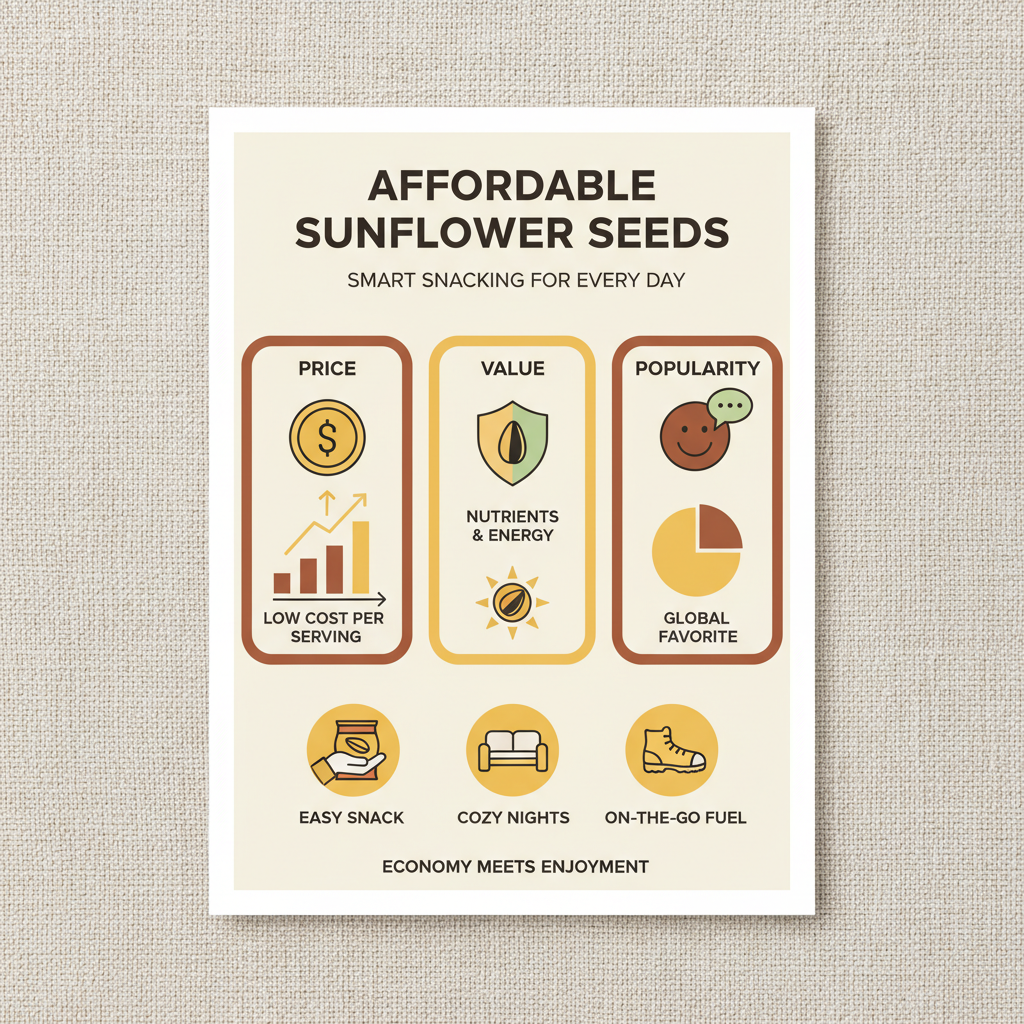
| Price Competitiveness |
6 |
Critical in Emerging Markets |
Focus on Value-Added Products |
| Sustainable Sourcing |
7 |
Increasingly Important Globally |
Traceability and Certification |
| Flavor Innovations |
5 |
Varies by Region |
Expansion of Unique Flavor Profiles |
FAQS
Roasted unsalted sunflower seeds are a nutritional powerhouse! They’re rich in Vitamin E, a potent antioxidant, as well as magnesium, which supports nerve and muscle function. They also provide healthy fats, protein, and fiber, contributing to heart health, digestive well-being, and sustained energy levels. They're a great alternative to processed snacks, offering a natural and wholesome source of essential nutrients.
To keep your roasted unsalted sunflower seeds fresh and delicious, store them in an airtight container in a cool, dark, and dry place. Avoid exposure to direct sunlight or moisture, as this can cause them to become stale. Properly stored, they can typically retain their quality for several months. Refrigeration can further extend their shelf life.
While sunflower seeds are not technically nuts, individuals with tree nut allergies should exercise caution. Cross-contamination can occur during processing, especially in facilities that also handle nuts. Always check the product packaging for allergen information and consult with a healthcare professional if you have concerns. Roasted unsalted sunflower seeds are often a viable alternative, but careful verification is crucial.
Raw sunflower seeds are unroasted and retain their natural enzymes and slightly softer texture. Roasting enhances the flavor and provides a satisfying crunch, but can slightly reduce the enzyme content. Both are nutritious, but roasting makes them more palatable for many people. Roasted unsalted sunflower seeds offer a balanced combination of flavor and nutritional benefits.
Absolutely! Roasted unsalted sunflower seeds add a delightful texture and subtle flavor to baked goods. They work well in breads, muffins, cookies, and granola bars. You can use them as a topping or incorporate them directly into the dough. They also provide a boost of nutrients to your baked creations!
While generally healthy, consuming very large quantities of sunflower seeds can lead to digestive discomfort due to their high fiber content. Additionally, individuals with certain medical conditions, such as kidney problems, should moderate their intake due to the seeds' phosphorus content. Enjoying them in moderation as part of a balanced diet is key.
Conclusion
Roasted unsalted sunflower seeds stand out as a remarkably versatile and nutritious food. From their rich nutritional profile offering essential vitamins and minerals to their culinary adaptability and sustainable production potential, they provide a compelling option for health-conscious consumers and environmentally aware individuals alike. Their growing global demand demonstrates their increasingly important role in modern diets.
Looking ahead, continued innovation in sustainable sourcing, processing technologies, and flavor profiles will further enhance the appeal of roasted unsalted sunflower seeds. By choosing responsibly produced seeds and incorporating them into a balanced lifestyle, consumers can enjoy the many benefits this humble yet powerful seed has to offer. Visit our website to explore our range of high-quality roasted unsalted sunflower seeds.