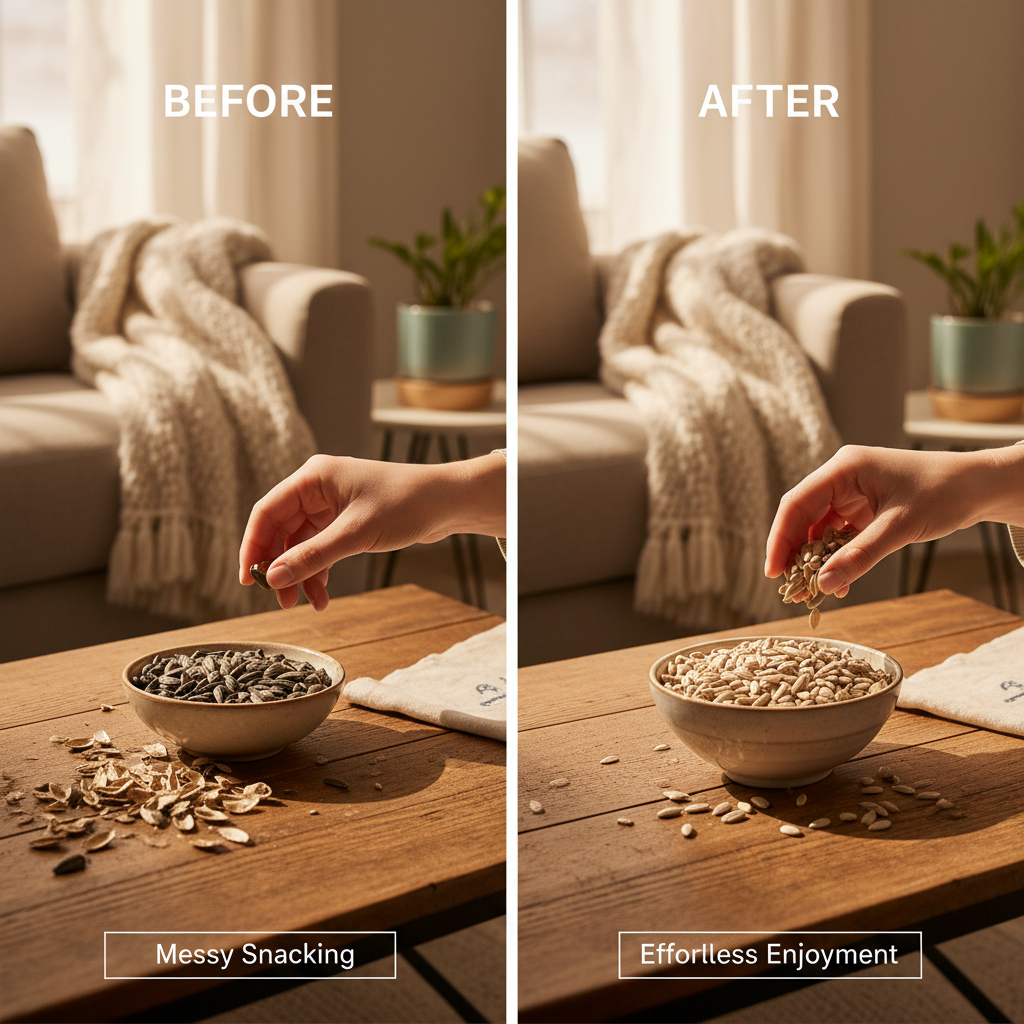
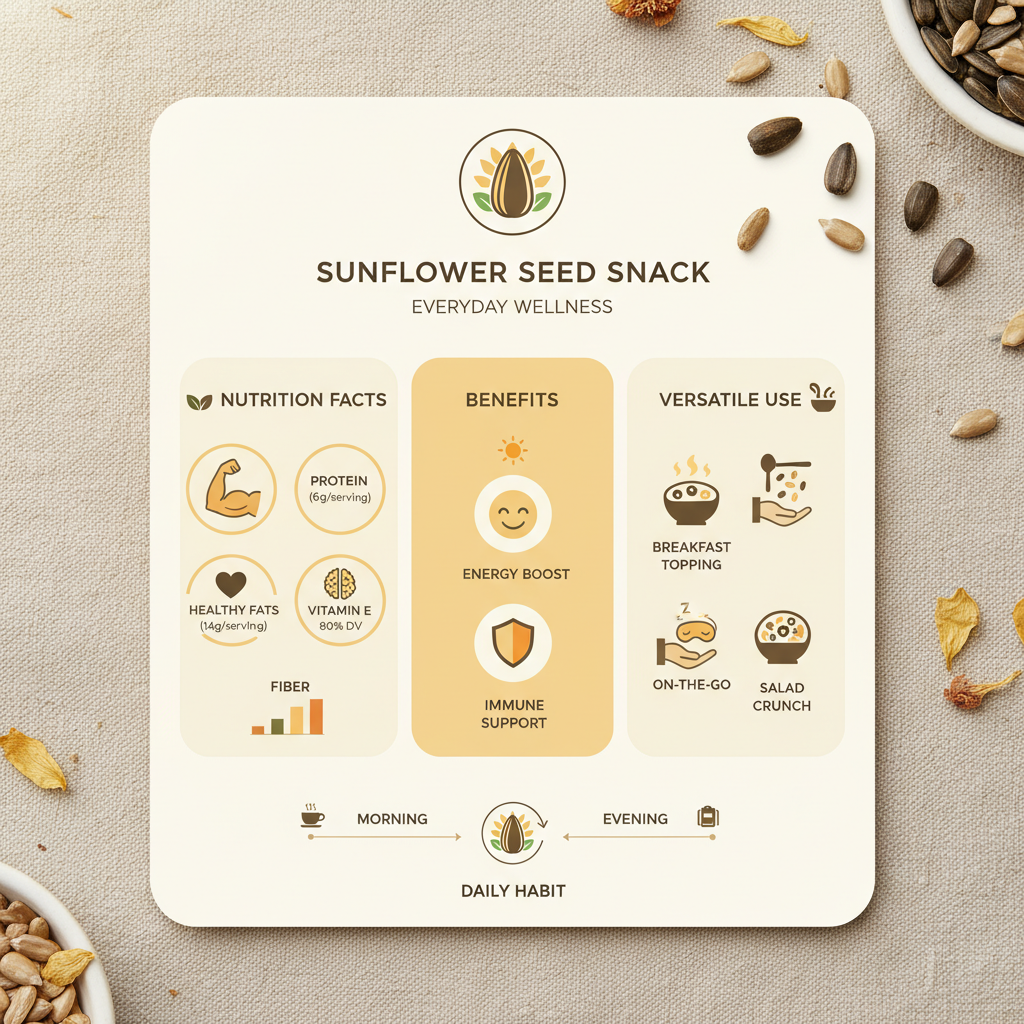
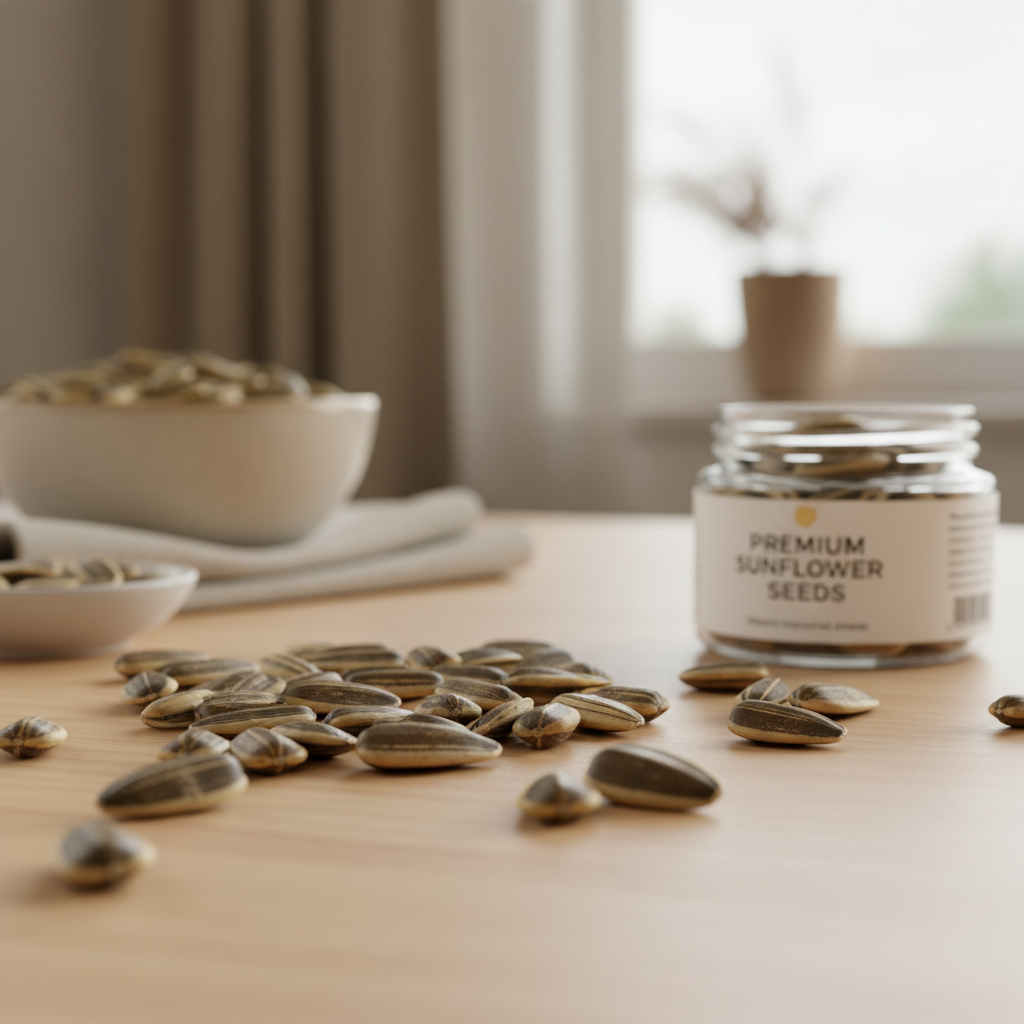
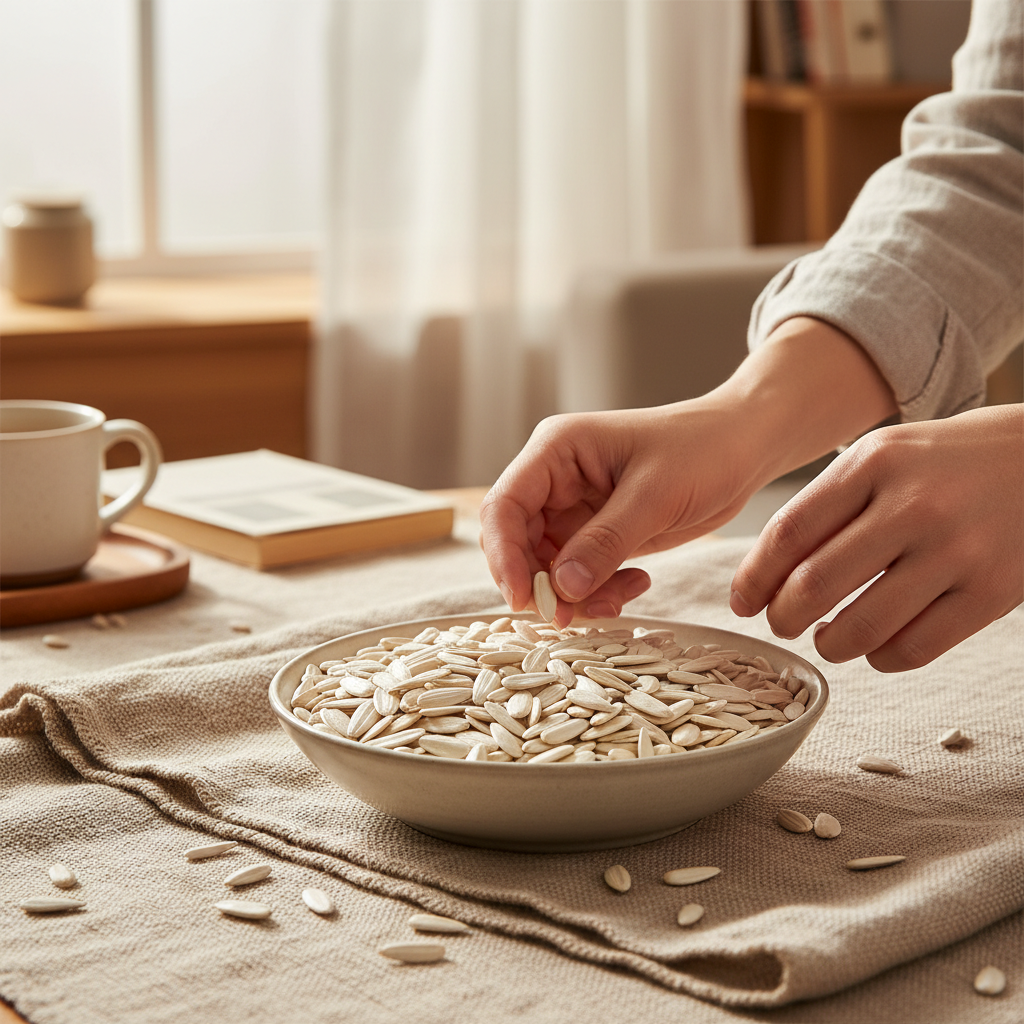
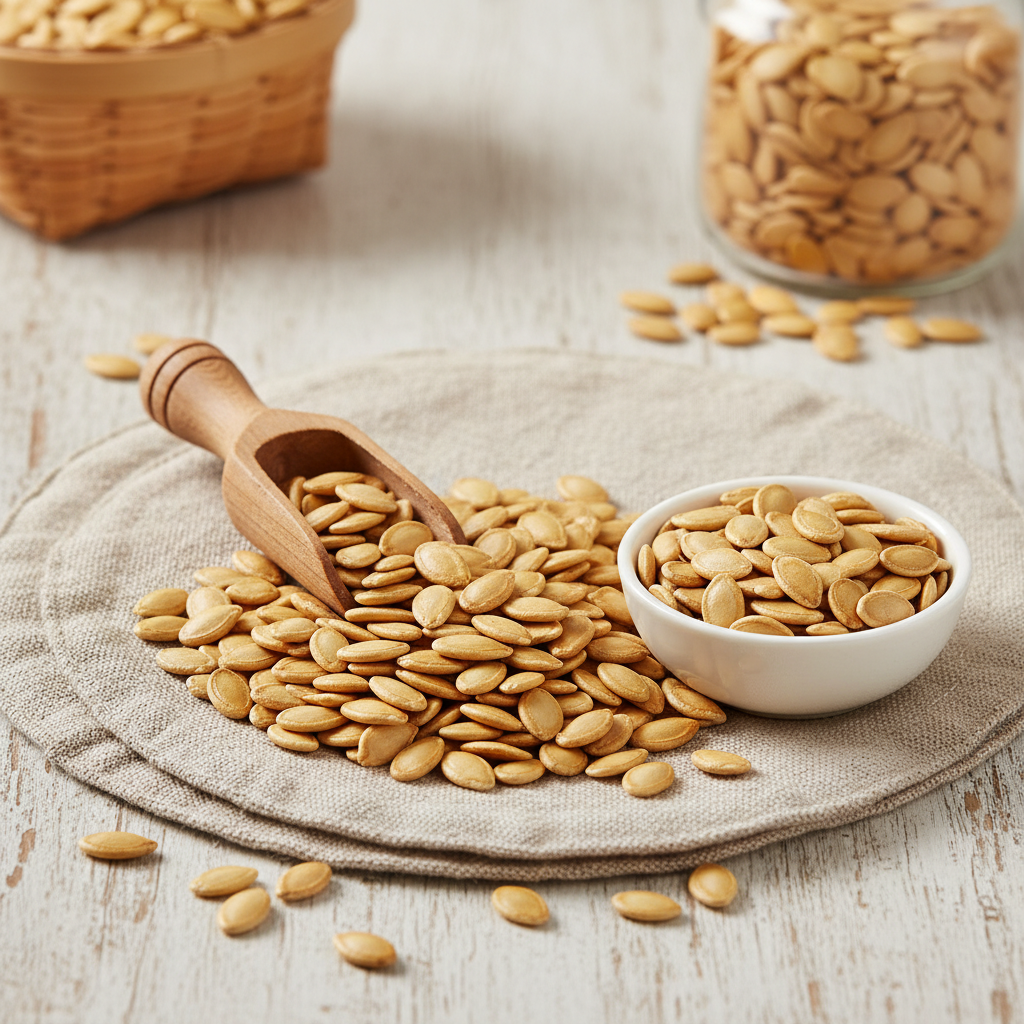
In the evolving landscape of global snack consumption, deshelled sunflower seeds have emerged as a premier choice for health-conscious consumers seeking a convenient, nutrient-dense alternative to traditional processed snacks. These seeds offer a seamless blend of natural energy and rich flavor, eliminating the tedious process of cracking shells while retaining the essential vitamins and minerals that make sunflower seeds a powerhouse of nutrition.
The global demand for ready-to-eat nuts and seeds has surged as urban lifestyles demand portable, high-protein options. By focusing on the precision of the dehulling process and the quality of the raw materials, the food processing industry has transformed simple agricultural produce into a versatile ingredient used in everything from gourmet salads to high-energy protein bars, making deshelled sunflower seeds a staple in modern pantries.
Understanding the nuances of production, from the initial harvest to the final packaging, is crucial for wholesalers and retailers who want to ensure peak freshness and flavor. This guide explores the comprehensive ecosystem of these seeds, detailing why they are becoming a dominant force in the leisure snack market and how they contribute to a sustainable, health-oriented global food supply chain.
Global Market Relevance of Deshelled Sunflower Seeds
The global appetite for deshelled sunflower seeds has seen a dramatic increase, driven by a shift toward plant-based proteins and "clean label" ingredients. Market data suggests a steady compound annual growth rate (CAGR) in the nut and seed sector, with sunflower kernels leading the way due to their affordability compared to almonds or walnuts and their versatility in various culinary applications across Europe, Asia, and North America.
However, the industry faces the challenge of maintaining kernel integrity during the mechanical dehulling process. High-quality production requires a balance between efficiency and the preservation of the seed's natural oils, ensuring that the final product remains crisp and flavor-rich without the bitterness often associated with damaged kernels.
Defining the Standard for Premium Deshelled Sunflower Seeds
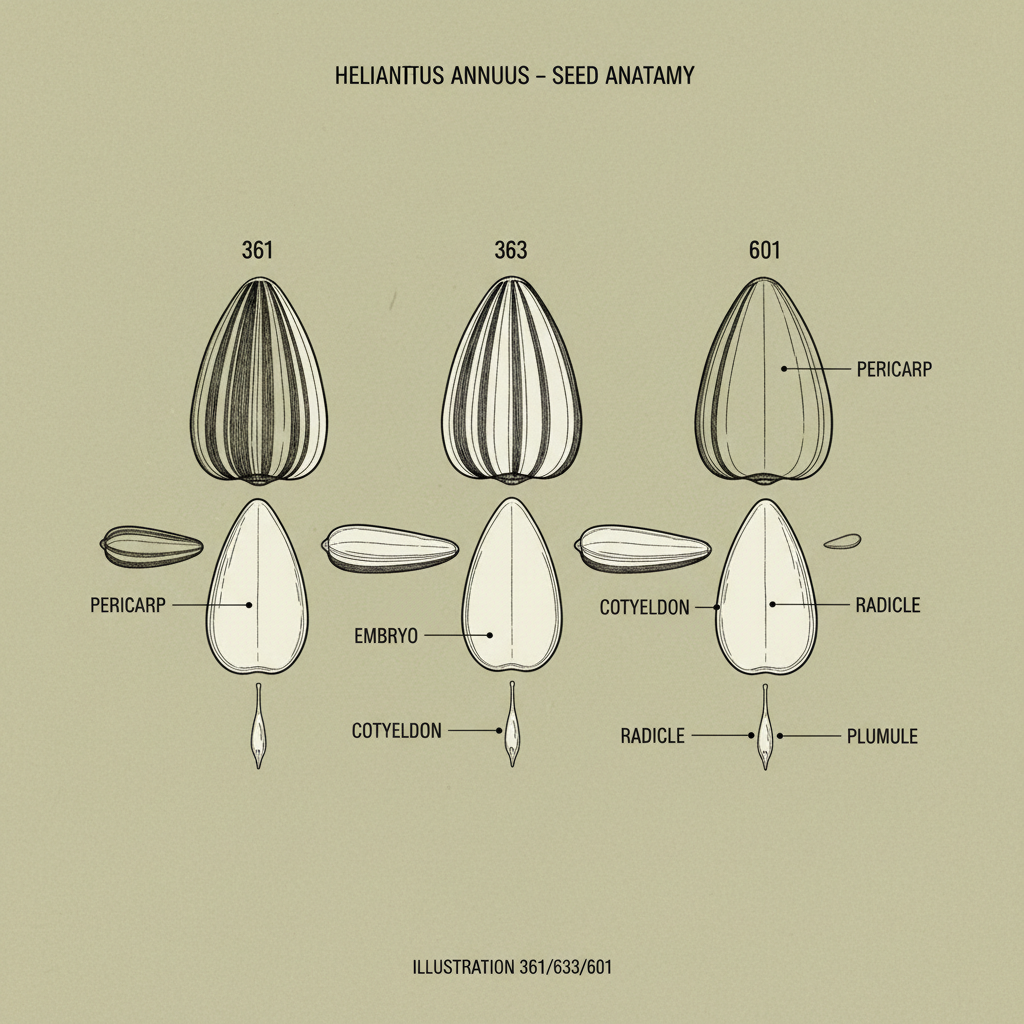
At its most basic level, deshelled sunflower seeds are the edible kernels extracted from the sunflower (Helianthus annuus) fruit. Unlike the whole seed, which is often consumed as a roasted snack in the shell, the deshelled version is designed for maximum utility, serving as a primary ingredient in baking, confectionery, and healthy snack mixes.
In a modern industrial context, "premium" standards are defined by the absence of shell fragments, a consistent color profile (typically ranging from creamy white to pale gold), and a low moisture content to prevent rancidity. This level of refinement is what separates industrial-grade seeds from those used in high-end leisure snacks, where taste and texture are paramount.
Beyond the product itself, the dehulling process reflects a broader humanitarian and economic need for food efficiency. By removing the non-edible hull at the source, manufacturers reduce the weight and volume of the product for international shipping, thereby lowering the carbon footprint and making nutrient-dense food more accessible to remote regions.
Core Quality Factors in Seed Processing
The viability of deshelled sunflower seeds in the commercial market depends heavily on "Kernel Integrity." When seeds are processed, the goal is to remove the shell without cracking the kernel. High integrity ensures that the natural oils are sealed within the seed, preventing premature oxidation and extending the shelf life of the final product.
Scalability in production is another critical factor. Advanced dehulling machinery must handle thousands of kilograms per hour while maintaining a purity rate of over 99%. This involves multi-stage filtration and optical sorting technology that can identify and remove discolored or undersized kernels in real-time, ensuring every batch meets international food safety standards.
Finally, cost efficiency is achieved through the byproduct utilization of the shells. In a sustainable processing plant, the hulls removed from the deshelled sunflower seeds are repurposed as biomass fuel or organic mulch, creating a circular economy that reduces waste and lowers the overall cost of production for the end consumer.
Practical Applications and Industrial Use Cases
The versatility of deshelled sunflower seeds allows them to permeate various sectors of the food industry. In the bakery sector, they are frequently used as toppings for artisanal breads or folded into multi-grain biscuits to add a nutty flavor and a satisfying crunch. In the realm of leisure snacks, they are often roasted and seasoned with various flavors—ranging from spicy sriracha to salted honey—to appeal to different regional palates.
Beyond snacks, these seeds are critical in the production of plant-based butter and spreads. In regions where traditional nuts are expensive or scarce, sunflower kernels serve as a sustainable base for creamy spreads, providing a similar mouthfeel and rich omega-6 fatty acid profile. This application is particularly prevalent in the health-food markets of Europe and North America.
Comparative Quality Rating of Deshelled Sunflower Seeds Processing Methods
Long-Term Value and Nutritional Advantages
The long-term value of deshelled sunflower seeds lies in their dense nutritional profile. Rich in Vitamin E, magnesium, and selenium, these kernels act as powerful antioxidants that support skin health and immune function. For consumers, the switch to deshelled seeds represents a logical move toward "effortless wellness," where the barrier to consuming high-quality fats is removed.
From a commercial standpoint, the reliability of the sunflower crop makes these seeds a safer bet for long-term supply chains compared to more volatile nut crops. Their ability to be stored for extended periods when vacuum-sealed ensures that manufacturers can maintain consistent pricing and availability, fostering trust between the supplier and the end consumer.
Innovations in Sunflower Seed Automation
The future of deshelled sunflower seeds production is being shaped by AI-driven optical sorting. New sensors can now detect microscopic imperfections or foreign materials with 99.9% accuracy, ensuring that only the most pristine kernels reach the packaging stage. This digital transformation reduces human error and significantly increases the throughput of processing plants.
Furthermore, green energy is being integrated into the roasting phase. Many leading facilities are moving toward electric infrared roasting, which allows for more precise temperature control than traditional gas ovens. This results in a more uniform roast and prevents the burning of the delicate oils found in the kernels, enhancing the overall flavor profile.
Automation also extends to packaging, with the introduction of modified atmosphere packaging (MAP). By replacing oxygen with inert gases, the shelf life of deshelled sunflower seeds is extended without the need for artificial preservatives, aligning the product with the global trend toward "clean" and organic eating.
Overcoming Logistics and Storage Challenges
One of the primary challenges in handling deshelled sunflower seeds is their sensitivity to humidity and temperature. Because they are rich in unsaturated fats, exposure to moist air can lead to rapid oxidation and a rancid taste. To solve this, the industry has adopted hermetically sealed silos and temperature-controlled shipping containers.
Another limitation is the risk of contamination during bulk transport. The solution lies in the implementation of strict HACCP (Hazard Analysis and Critical Control Points) protocols. By auditing every step of the journey—from the farm to the warehouse—suppliers can guarantee a product that is free from aflatoxins and other microbial contaminants.
Lastly, the industry is innovating through "smart packaging" that includes humidity indicators. This allows distributors to monitor the condition of the seeds in real-time, ensuring that only the freshest kernels reach the retail shelves. This proactive approach to logistics ensures that the value of the product is maintained throughout its entire lifecycle.
Comparative Analysis of Storage and Logistics for Deshelled Sunflower Seeds
|
Storage Method
|
Freshness Retention
|
Cost Efficiency
|
Risk Level
|
| Vacuum Sealing |
Very High |
Medium |
Low |
| MAP Packaging |
High |
Medium |
Low |
| Bulk Silos |
Medium |
Very High |
Medium |
| Cold Storage |
Very High |
Low |
Very Low |
| Paper Sacks |
Low |
High |
High |
| Plastic Tubs |
Medium |
Medium |
Medium |
FAQS
The primary difference is the removal of the hard outer husk. Deshelled sunflower seeds provide immediate access to the nutrient-dense kernel, making them ideal for cooking, baking, and quick snacking. While whole seeds are often enjoyed for the activity of cracking the shell, deshelled seeds are focused on efficiency, culinary integration, and ease of consumption for those with dietary restrictions or time constraints.
Like most nuts and seeds, they are energy-dense due to their healthy fat content. However, they provide high-quality unsaturated fats and protein, which help you feel full longer. When consumed in moderation—roughly a handful a day—they serve as an excellent source of energy and essential minerals without being detrimental to a balanced diet.
To prevent the natural oils from oxidizing, store them in an airtight container in a cool, dark place. For long-term storage, the refrigerator or freezer is highly recommended, as lower temperatures significantly slow down the rancidification process. Avoid exposing them to direct sunlight or heat sources, which can degrade the quality of the seeds quickly.
Yes, deshelled sunflower seeds are a fantastic alternative for individuals with tree nut allergies. They offer a similar crunch and savory flavor profile to almonds or pine nuts. In many recipes, such as pesto or granola, they can be swapped 1:1 with nuts to create a safer, nut-free version of the dish without sacrificing texture or taste.
Buyers should look for certifications such as ISO, HACCP, or BRC. Requesting a Certificate of Analysis (CoA) for each batch ensures that the moisture content, purity levels, and absence of contaminants are verified. Additionally, partnering with suppliers who use vacuum packaging or nitrogen flushing can guarantee that the seeds arrive in peak condition regardless of the distance traveled.
They are incredibly versatile. Common uses include adding them to smoothies, sprinkling them over salads, mixing them into homemade bread, or roasting them with spices for a healthy snack. They can also be ground into a flour alternative for gluten-free baking or blended into a creamy sunflower butter, making them a staple for both professional chefs and home cooks.
Conclusion
In summary, deshelled sunflower seeds represent a perfect intersection of agricultural efficiency and modern nutritional needs. By optimizing the dehulling process, implementing AI-driven quality control, and adopting sustainable logistics, the industry has transformed a simple seed into a high-value commercial asset. Their versatility in the leisure snack market, combined with a rich profile of essential fats and minerals, ensures their continued relevance in an increasingly health-conscious global economy.
Looking forward, the integration of green roasting technologies and smart packaging will further enhance the sustainability and quality of these products. For businesses and consumers alike, prioritizing purity and kernel integrity is the key to unlocking the full potential of this superfood. We invite you to explore the highest standards of seed processing and taste the difference of premium quality. Visit our website: www.yuyangmelon.com