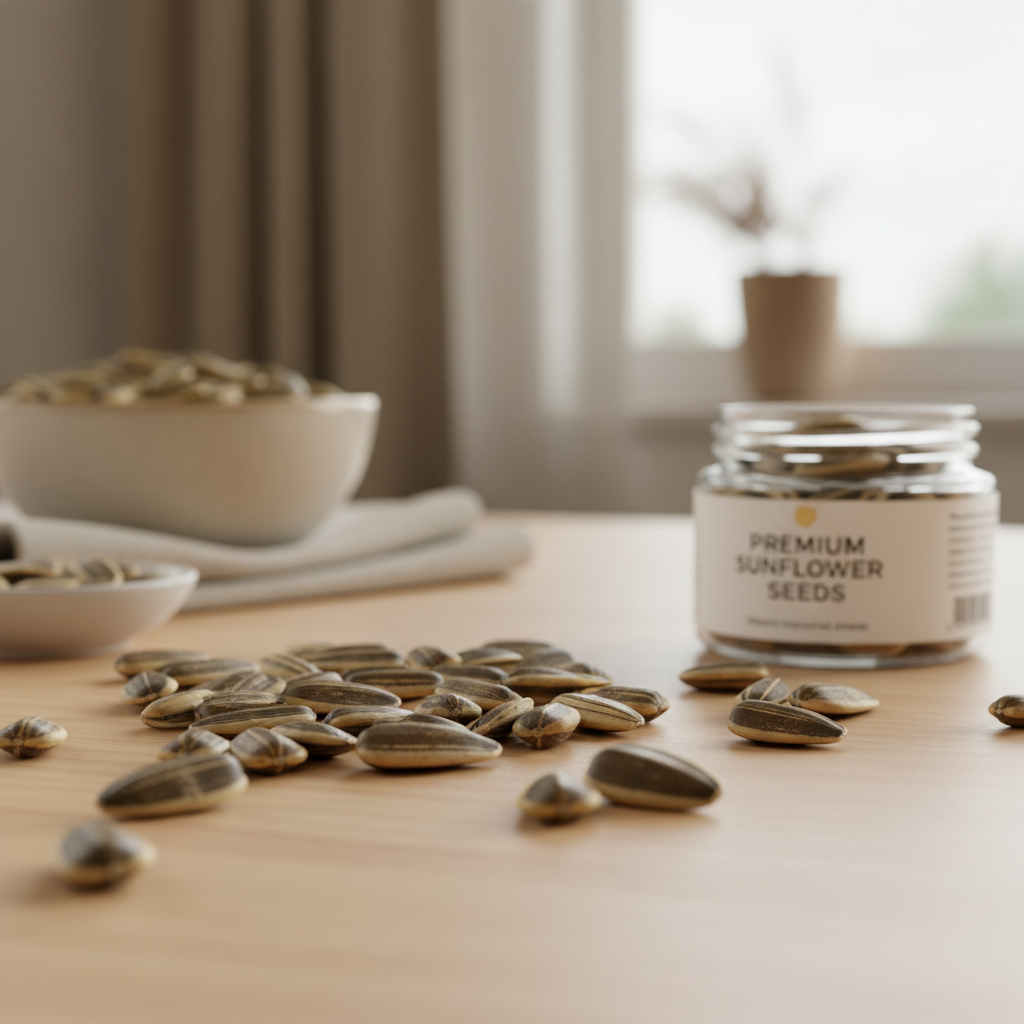
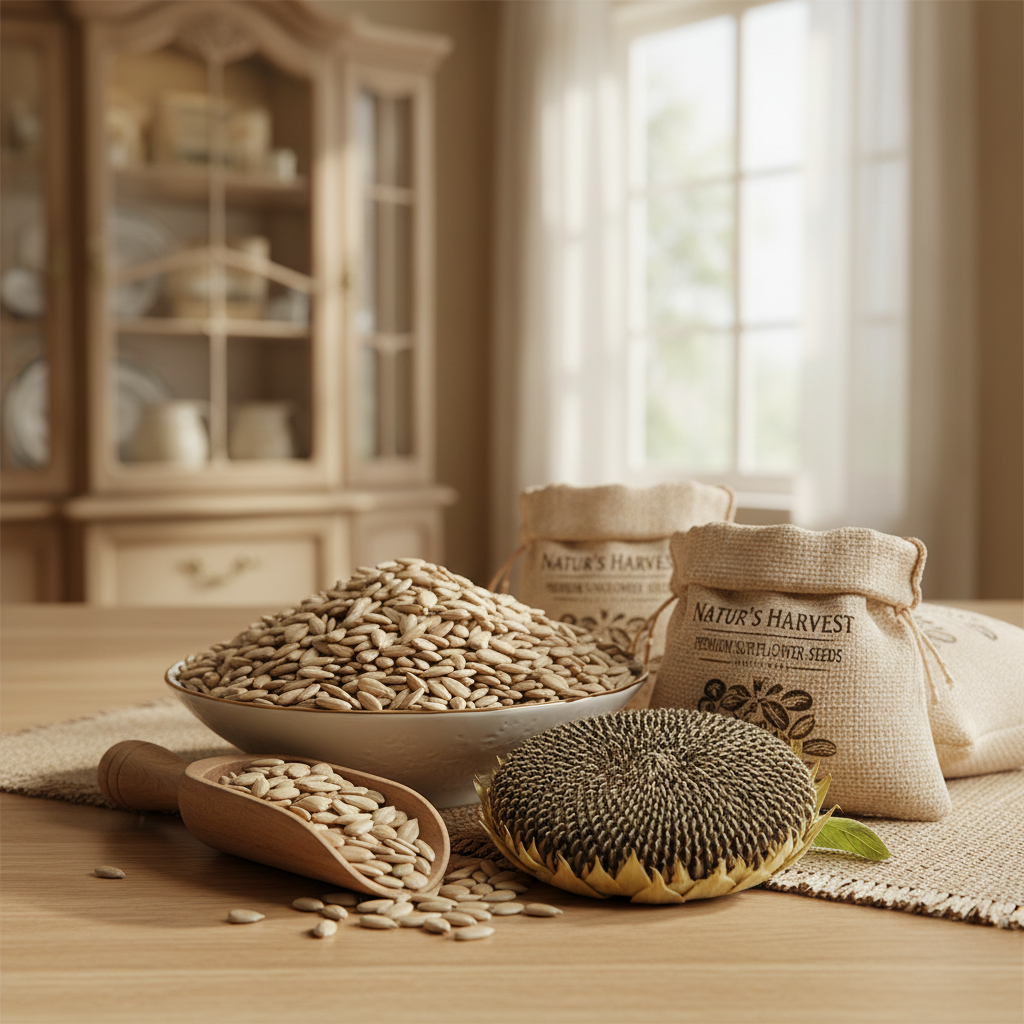
Premium grade sunflower seeds are gaining global recognition not merely as a nutritious snack, but as a versatile resource with applications spanning food security, industrial oils, and even biofuel production. The demand for high-quality seeds is surging, driven by a growing awareness of health benefits and sustainable agricultural practices. Understanding the nuances of premium grade sunflower seeds – from cultivation techniques to quality control – is crucial for stakeholders across the agricultural value chain.
Globally, sunflower seed production is concentrated in regions like Russia, Ukraine, Argentina, and the United States, accounting for roughly 70% of worldwide output (FAOSTAT, 2023). The increasing adoption of advanced breeding programs and optimized farming methods is yielding higher oil content and improved seed quality. This shift is directly addressing the challenges of feeding a growing population and meeting the rising demand for plant-based oils. The international trade of these seeds is a multi-billion dollar industry, vital to numerous economies.
Premium grade sunflower seeds represent a commitment to superior quality, consistency, and traceability. They are a key ingredient in a rapidly expanding market, playing a vital role in addressing both nutritional needs and industrial demands. Investing in understanding and promoting these seeds isn't just about agriculture; it’s about fostering sustainable growth and improving global well-being.
Introduction to Premium Grade Sunflower Seeds
The increasing demand for healthier food options and sustainable agricultural practices is driving a global shift towards higher quality crop seeds, and premium grade sunflower seeds are at the forefront of this movement. These seeds are carefully selected and processed to maximize oil yield, nutritional value, and overall performance.
Specifically, premium grade sunflower seeds undergo rigorous quality control measures, including germination testing, oil content analysis, and impurity checks, setting them apart from standard varieties. This dedication to quality translates into improved yields for farmers and superior products for consumers. premium grade sunflower seeds offer a crucial foundation for thriving agricultural economies and a healthier future.
Defining Premium Grade Sunflower Seeds
Premium grade sunflower seeds are those that consistently meet or exceed established industry standards for quality, purity, and germination rates. These standards, often defined by organizations like the American Seed Trade Association (ASTA) or ISO, cover various aspects of seed production, including genetic purity, physical characteristics, and freedom from diseases and pests.
Unlike commodity seeds, premium grade seeds are often sourced from specific, carefully managed breeding programs focused on traits like high oleic acid content (beneficial for heart health), disease resistance, and improved oil extraction efficiency. This focus on genetic superiority differentiates them from conventional varieties.
In essence, premium grade sunflower seeds are a strategic investment for growers seeking to maximize their returns and produce a high-quality oilseed crop that meets the demands of discerning buyers. They represent a commitment to excellence throughout the entire sunflower seed supply chain.
Key Characteristics of Premium Seeds
Several key characteristics define premium grade sunflower seeds. Firstly, high germination rates—typically exceeding 90%—ensure a robust and uniform plant stand, maximizing yield potential. Secondly, genetic purity is crucial, ensuring consistent traits across the entire field, contributing to predictable harvests and quality control.
Furthermore, premium seeds boast a consistently high oil content, often exceeding 48%, which directly impacts the profitability for oil processors. The oil profile – the ratio of oleic to linoleic acid – is also a defining characteristic, with high-oleic varieties increasingly sought after for their health benefits and longer shelf life.
Finally, resistance to common sunflower diseases, such as rust and downy mildew, minimizes crop losses and reduces the need for costly chemical interventions. These combined characteristics make premium grade sunflower seeds a superior choice for growers aiming for optimal performance and sustainability.
Factors Influencing Seed Quality
The quality of premium grade sunflower seeds is influenced by a complex interplay of factors, starting with the genetic makeup of the parent plants. Carefully selected breeding lines, known for their desirable traits, are crucial for producing seeds with superior performance. Proper seed sourcing is of vital importance.
Environmental conditions during seed development also play a significant role. Adequate sunlight, water, and nutrient availability contribute to seed fill and oil accumulation. Furthermore, harvesting practices must be carefully managed to minimize seed damage and contamination.
Oil Content Comparison of Premium Grade Sunflower Seed Varieties
Global Applications & Industries
Premium grade sunflower seeds have diverse applications across several key industries. The most significant is the edible oil sector, where the seeds are processed to extract high-quality oil used in cooking, margarine production, and salad dressings. The demand for high-oleic sunflower oil, prized for its health benefits and stability, is particularly strong.
Beyond food, sunflower seeds are utilized in the production of animal feed, providing a valuable source of protein and nutrients. The seed meal, a byproduct of oil extraction, is a popular ingredient in livestock and poultry diets. The growing biofuel industry is also exploring the potential of sunflower oil as a sustainable alternative to fossil fuels.
Advantages & Long-Term Value Proposition
Investing in premium grade sunflower seeds delivers a multitude of advantages. Higher oil yields translate directly into increased profitability for farmers, while superior seed quality reduces the risk of crop failure and minimizes input costs. The enhanced nutritional profile of the resulting oil commands a premium price in the marketplace.
Long-term, premium seeds contribute to sustainable agricultural practices. Disease-resistant varieties reduce the reliance on chemical pesticides, promoting environmental stewardship and food safety. The consistent quality and traceability of these seeds build trust with consumers and ensure a reliable supply chain. premium grade sunflower seeds are a cornerstone of a responsible and resilient agricultural system.
Finally, the resilience of sunflowers to drought conditions and their ability to thrive in diverse climates make premium seeds a valuable asset in regions facing environmental challenges.
Future Trends & Innovations in Sunflower Seeds
The future of premium grade sunflower seeds is bright, driven by ongoing research and technological advancements. Genetic engineering and marker-assisted selection are being employed to develop even more resilient and high-yielding varieties. Focus is shifting toward developing varieties with enhanced tolerance to climate change and new disease strains.
Digital agriculture is also playing a role, with precision farming techniques optimizing seed placement, irrigation, and fertilization. Data analytics are used to monitor crop health and predict yields, enabling growers to make informed decisions. Innovations in seed coating technologies are enhancing germination rates and protecting seeds from pests and diseases.
Furthermore, the exploration of novel oil profiles and functional components in sunflower seeds is opening up new opportunities in the nutraceutical and cosmetic industries, further expanding the value proposition of premium grade sunflower seeds.
Analysis of Challenges and Solutions Related to Premium Grade Sunflower Seed Production
| Challenge |
Impact on Premium Seed Quality |
Potential Solution |
Implementation Cost (Scale 1-10) |
| Disease Pressure |
Reduced germination rates, lower oil content |
Development of disease-resistant varieties |
7 |
| Climate Variability |
Uneven seed development, reduced yields |
Breeding for drought and heat tolerance |
8 |
| Seed Purity Concerns |
Inconsistent traits, reduced quality |
Stringent quality control measures |
6 |
| Limited Access to Certified Seeds |
Farmers using inferior seeds, lower yields |
Investment in seed production infrastructure |
9 |
| Post-Harvest Handling |
Seed damage, reduced viability |
Improved storage facilities and transportation |
5 |
| Lack of Farmer Education |
Improper planting and management techniques |
Extension services and farmer training programs |
4 |
FAQS
Premium grade sunflower seeds are defined by a combination of factors exceeding industry standards. These include a consistently high germination rate (typically over 90%), superior genetic purity ensuring consistent traits, and a high oil content exceeding 48%. They also exhibit excellent resistance to common sunflower diseases, making them a reliable choice for growers seeking optimal yield and quality. These seeds undergo rigorous testing and quality control throughout the production process.
Premium sunflower seeds consistently deliver a higher oil yield compared to standard varieties, often by 5-10%. This increase is due to the carefully selected genetics optimized for oil accumulation within the seed. Furthermore, the improved germination rates and uniformity of premium seeds result in a more robust plant stand, maximizing the number of seeds produced per acre. This translates into significantly higher returns for oil processors and farmers alike.
Yes, premium sunflower seeds typically carry a higher price tag than standard varieties, reflecting the investment in superior breeding, quality control, and testing. However, the added cost is often justified by the increased yields, improved oil quality, and reduced risk of crop failure. The higher oil content alone can significantly increase profitability, offsetting the initial investment in premium seeds.
Premium sunflower seeds are frequently bred for resistance to key diseases like rust (caused by Puccinia helianthi), downy mildew (caused by Plasmopara hallelopha), and sclerotinia head rot (caused by Sclerotinia sclerotiorum). These diseases can cause significant yield losses, so resistance is a crucial trait. Seed companies continually invest in developing varieties with improved resistance to evolving pathogen strains.
Maintaining seed quality requires proper storage conditions. Premium sunflower seeds are typically stored in cool, dry, and well-ventilated facilities. Optimal storage temperature is below 10°C (50°F) and humidity should be kept below 60%. Seeds are often stored in airtight containers to prevent moisture absorption and insect infestation. Regular monitoring of seed viability is also crucial.
Sourcing from reputable seed companies with a proven track record is critical. Look for companies that are members of industry associations like the American Seed Trade Association (ASTA). Ensure the seeds are certified, indicating they meet specific quality standards. Consider purchasing from regional distributors or directly from the seed breeder, ensuring traceability and authenticity. premium grade sunflower seeds are available directly from our site.
Conclusion
In conclusion, premium grade sunflower seeds represent a significant advancement in agricultural technology and a crucial component of sustainable food production. Their superior quality, high yield potential, and disease resistance offer numerous advantages to growers and contribute to a more resilient and efficient food supply chain. Investing in these seeds isn’t merely about improving crop production, it's about fostering a long-term commitment to agricultural excellence and environmental responsibility.
Looking ahead, continued innovation in breeding, genetics, and digital agriculture will further enhance the performance and sustainability of premium sunflower seeds. Embracing these advancements will be critical for meeting the growing global demand for healthy oils and ensuring food security in a changing climate. Visit our website at www.yuyangmelon.com to learn more about our premium grade sunflower seed offerings and how we can help you maximize your yield.