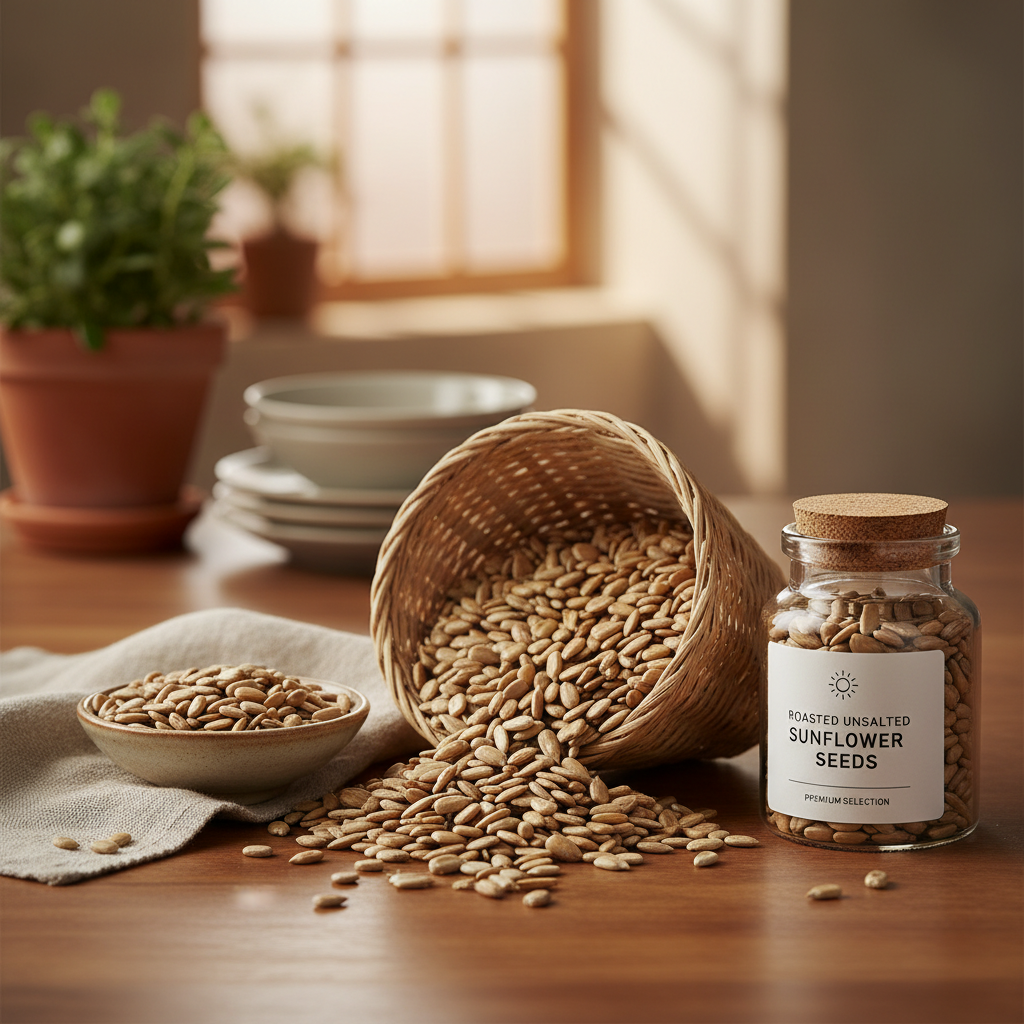
Organic melon seeds represent a cornerstone of sustainable agriculture and nutritional wellbeing globally. The rising demand for organically grown produce, coupled with increasing awareness of the health benefits of melons, has spurred significant interest in high-quality organic melon seeds. These seeds aren't merely a starting point for delicious fruit; they embody a commitment to environmental stewardship and healthier food systems.
The global market for organic seeds is experiencing robust growth, driven by consumer preference for pesticide-free foods and government initiatives promoting sustainable farming practices. Data from the UN’s Food and Agriculture Organization (FAO) highlights a consistent increase in certified organic farmland worldwide, directly impacting the demand for organic seed varieties. This growth, however, faces challenges related to seed availability, affordability, and maintaining genetic diversity.
Understanding the intricacies of organic melon seeds – from their cultivation and certification to their role in bolstering food security – is crucial for farmers, consumers, and policymakers alike. Access to quality organic melon seeds empowers growers to produce nutrient-rich fruits while minimizing environmental impact, supporting a more resilient and sustainable food future.
Defining Organic Melon Seeds
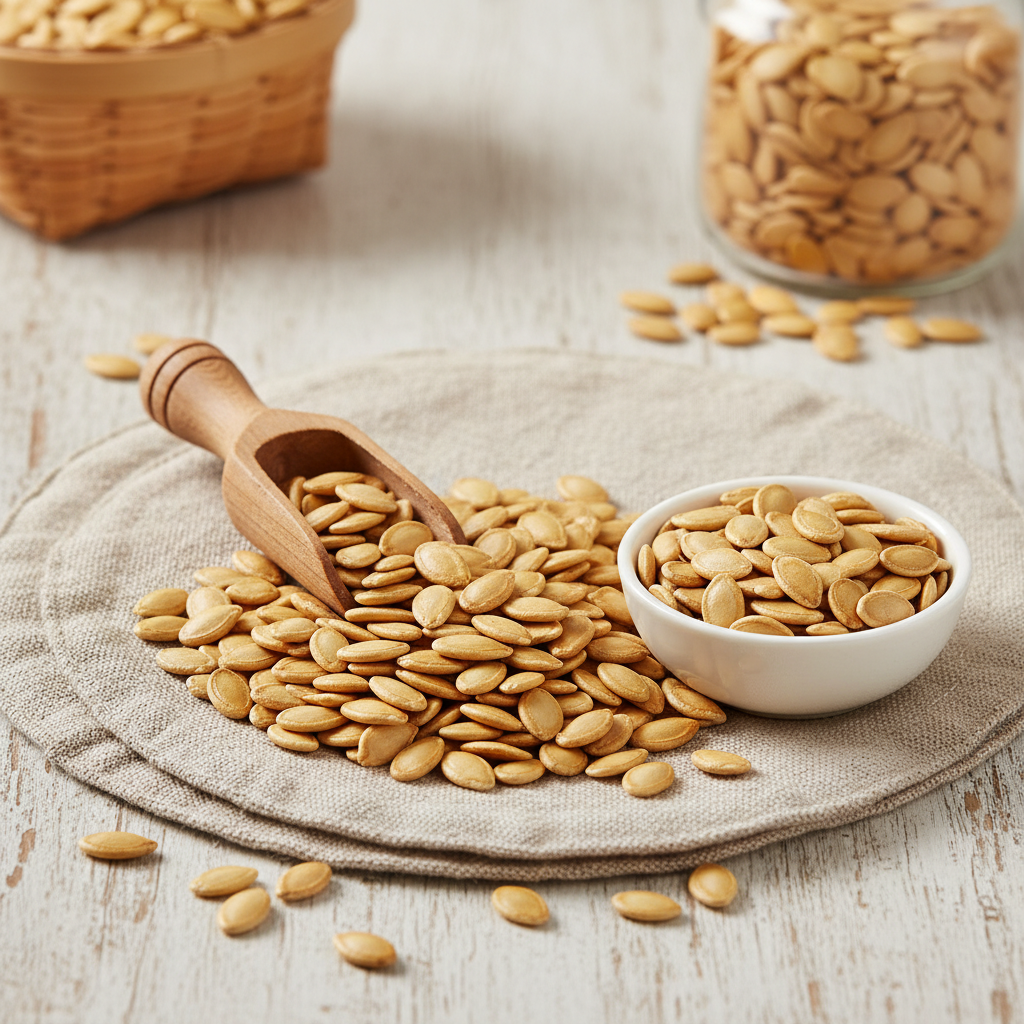
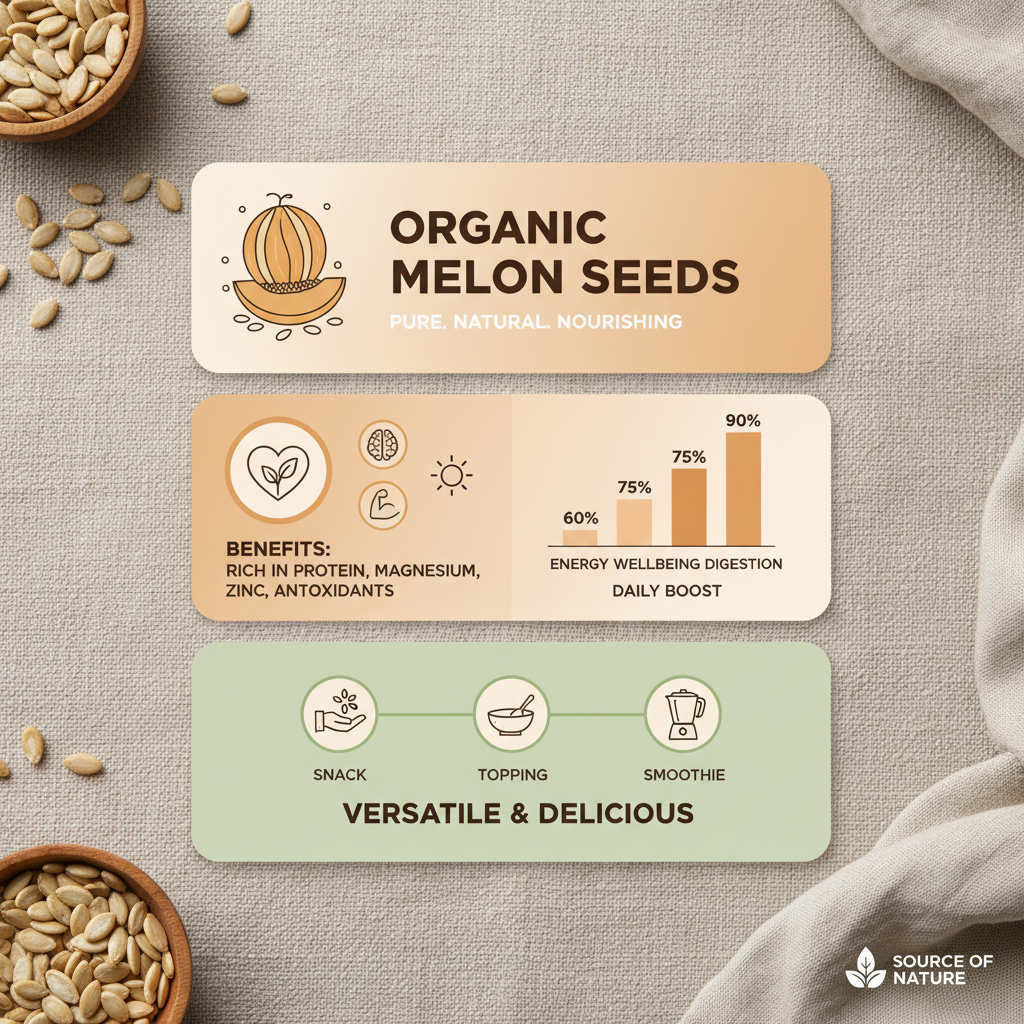
Organic melon seeds are seeds derived from melon plants grown according to strict organic agricultural standards. These standards prohibit the use of synthetic fertilizers, pesticides, herbicides, and genetically modified organisms (GMOs) throughout the entire production process. The result is a seed that is free from harmful chemical residues, contributing to healthier crops and a more sustainable ecosystem.
In the context of modern agriculture, organic melon seeds address a growing concern about the environmental and health impacts of conventional farming. They represent a vital link in the chain of organic food production, ensuring that the entire system, from seed to table, aligns with principles of ecological integrity and human health. This commitment extends to preserving biodiversity and supporting resilient agricultural systems.
Global Relevance and Industry Context
The demand for organic food, and consequently organic seeds like organic melon seeds, is escalating worldwide. According to the Organic Trade Association, the organic food market in the United States alone surpassed $61.9 billion in 2020, demonstrating a substantial and sustained growth trend. This trend is mirrored in Europe, Asia, and other regions, driven by increased consumer awareness and health consciousness.
This global shift presents both opportunities and challenges for the organic seed industry. Meeting the rising demand requires increased production capacity, improved seed breeding techniques, and robust quality control measures. The industry must also address the issue of seed contamination and ensure the genetic purity of organic varieties, protecting the integrity of the organic system. The development of regionally adapted organic melon seed varieties is also crucial.
Several international organizations, including the International Seed Federation (ISF) and the FAO, are working to promote sustainable seed systems and support the development of organic seed production. These efforts aim to enhance food security, protect biodiversity, and empower farmers worldwide through access to high-quality, organically produced seeds. The availability of organic melon seeds is thus central to this evolving landscape.
Certification Standards and Seed Purity
Organic certification is a critical aspect of ensuring the integrity of organic melon seeds. In the United States, the National Organic Program (NOP) sets the standards for organic crop production, including seed requirements. Seeds must be certified organic or, if organic seeds are not commercially available, non-organic seeds can be used, provided they haven’t been treated with prohibited substances.
Maintaining seed purity is paramount. This involves preventing cross-contamination with conventional or genetically modified crops. Seed producers employ various strategies, such as isolation distances, physical barriers, and careful seed handling practices, to ensure the genetic integrity of their organic melon seeds. Regular seed testing is also essential to verify purity and germination rates.
Third-party certification bodies, like Oregon Tilth and Quality Assurance International, conduct rigorous inspections to verify compliance with organic standards. These certifications provide consumers with confidence that the organic melon seeds they purchase are genuinely organic and meet the highest quality standards, bolstering the trustworthiness of the entire organic supply chain.
Key Characteristics of High-Quality Seeds
Several factors determine the quality of organic melon seeds. High germination rates are crucial, ensuring a successful crop establishment. A germination rate of 80% or higher is generally considered acceptable. Furthermore, seed vigor – the ability of the seed to produce a strong and healthy seedling – is a key indicator of quality.
Disease resistance is another vital characteristic. Selecting varieties resistant to common melon diseases, such as powdery mildew and fusarium wilt, reduces the need for preventative treatments and promotes sustainable farming practices. Seed uniformity is also important, as it leads to more consistent plant growth and maturity.
Evaluation of Organic Melon Seed Varieties
Global Applications in Melon Cultivation
Organic melon seeds are utilized in melon cultivation across diverse geographical regions. Major melon-producing countries, including China, Turkey, India, and the United States, are increasingly adopting organic farming practices, driving demand for organic seeds. These seeds are suitable for a wide range of melon varieties, from cantaloupe and honeydew to watermelon.
In regions with limited access to chemical inputs, organic melon seeds offer a sustainable and cost-effective solution for producing high-quality melons. Small-scale farmers in developing countries particularly benefit from the resilience and adaptability of organic varieties, fostering local food security and economic empowerment.
Advantages of Using Organic Melon Seeds
Employing organic melon seeds presents numerous advantages over conventional seeds. Firstly, it ensures the absence of harmful chemical residues in the final product, promoting consumer health. Secondly, it supports biodiversity by preserving heirloom varieties and encouraging the development of regionally adapted seeds.
Furthermore, organic farming practices associated with these seeds contribute to soil health, water conservation, and reduced environmental pollution. This holistic approach fosters sustainable agriculture and protects ecosystems for future generations. Investing in organic melon seeds is an investment in a healthier planet and a more secure food supply.
From a farmer's perspective, while initial costs may be slightly higher, the long-term benefits of organic farming—improved soil fertility, reduced input costs, and access to premium markets—often outweigh the initial investment. Consumers benefit from safer, more nutritious produce, and a greater connection to the origins of their food.
Future Trends and Innovations in Organic Seed Breeding
The future of organic melon seed breeding is focused on developing varieties with enhanced disease resistance, improved adaptability to climate change, and superior nutritional content. Innovations in marker-assisted selection and genomic breeding are accelerating this process, allowing breeders to identify and select desirable traits more efficiently.
Precision agriculture techniques, such as drone-based monitoring and data analytics, are also playing an increasingly important role in optimizing seed production and ensuring seed quality. The integration of digital technologies into organic seed systems promises to enhance efficiency, traceability, and sustainability throughout the entire value chain.
Further research into soil microbiome interactions and plant-microbe symbiosis holds the potential to develop seeds that require fewer external inputs and exhibit greater resilience to environmental stresses, paving the way for a more sustainable and productive organic melon industry.
A Comparative Analysis of Factors Influencing Organic Melon Seed Performance
| Seed Source/Supplier |
Germination Rate (%) |
Disease Resistance (Scale 1-10) |
Yield Potential (tons/hectare) |
| Supplier A – Certified Organic |
85 |
7 |
25 |
| Supplier B – Transitioning to Organic |
80 |
6 |
22 |
| Supplier C – Regional Seed Bank |
90 |
8 |
28 |
| Supplier D – International Organic |
75 |
5 |
20 |
| Supplier E – Small-Scale Farmer Coop |
88 |
7.5 |
26 |
| Supplier F – Research Institute Seed |
92 |
9 |
30 |
FAQS
Organic melon seeds are produced without the use of synthetic pesticides, herbicides, or fertilizers, adhering to strict organic standards. This ensures they are free from harmful chemical residues and support sustainable farming practices. Conventional seeds often undergo treatments with these substances, potentially impacting environmental and human health. Organic seed production also emphasizes genetic diversity and seed saving traditions.
Generally, organic melon seeds tend to be more expensive than conventional seeds due to the more labor-intensive and regulated production processes involved. Maintaining seed purity, preventing contamination, and adhering to certification requirements all contribute to higher costs. However, the long-term benefits of organic farming—improved soil health, reduced input costs, and premium market access—can offset these initial expenses.
Look for reputable organic certification labels, such as the USDA Organic seal in the United States, or equivalent certifications in other countries. These labels indicate that the seeds have been produced and handled according to strict organic standards and have been inspected by a third-party certification body. Purchasing from trusted seed suppliers with a strong commitment to organic practices is also recommended.
The shelf life of organic melon seeds depends on storage conditions. Properly stored in a cool, dry, and dark place, they can remain viable for 3-5 years, sometimes longer. However, germination rates may decline over time. It's recommended to perform a germination test before planting older seeds to ensure their viability. Proper packaging also helps extend shelf life.
Yes, you can save seeds from organic melon plants, but it's important to consider potential cross-pollination. Melons readily cross-pollinate, so saving seeds from open-pollinated varieties is crucial if you want to maintain the characteristics of the parent plant. Proper isolation techniques can help minimize cross-contamination, ensuring truer-to-type seeds for future planting.
Organic melon seeds thrive in warm, sunny locations with well-drained soil. Melons require ample sunlight (6-8 hours per day) and consistent moisture. Soil should be rich in organic matter and have a pH between 6.0 and 7.0. Providing adequate spacing between plants and utilizing companion planting techniques can also enhance growth and reduce pest problems.
Conclusion
In conclusion, organic melon seeds represent a cornerstone of sustainable agriculture, offering a pathway to healthier food systems and a more resilient environment. Their production, certification, and application are intrinsically linked to principles of ecological integrity, biodiversity preservation, and consumer wellbeing. Embracing organic melon seeds empowers farmers, safeguards ecosystems, and provides consumers with access to nutritious, chemical-free produce.
Looking ahead, continued investment in organic seed breeding, research, and technological innovation is crucial to enhance seed quality, adapt to climate change, and meet the growing global demand for organic food. By prioritizing organic melon seeds, we can cultivate a future where sustainable agriculture thrives and healthy food is accessible to all. Visit our website at www.yuyangmelon.com to explore our selection of premium organic melon seeds.