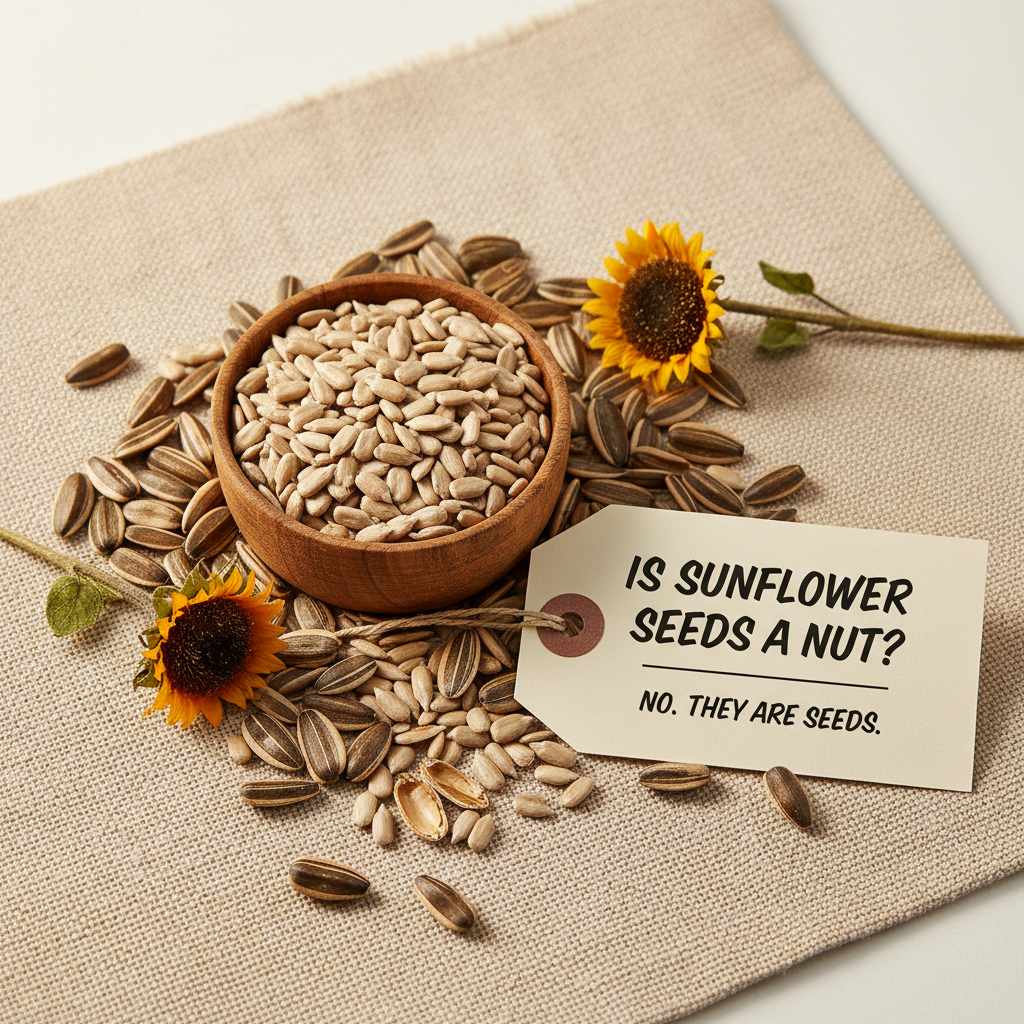
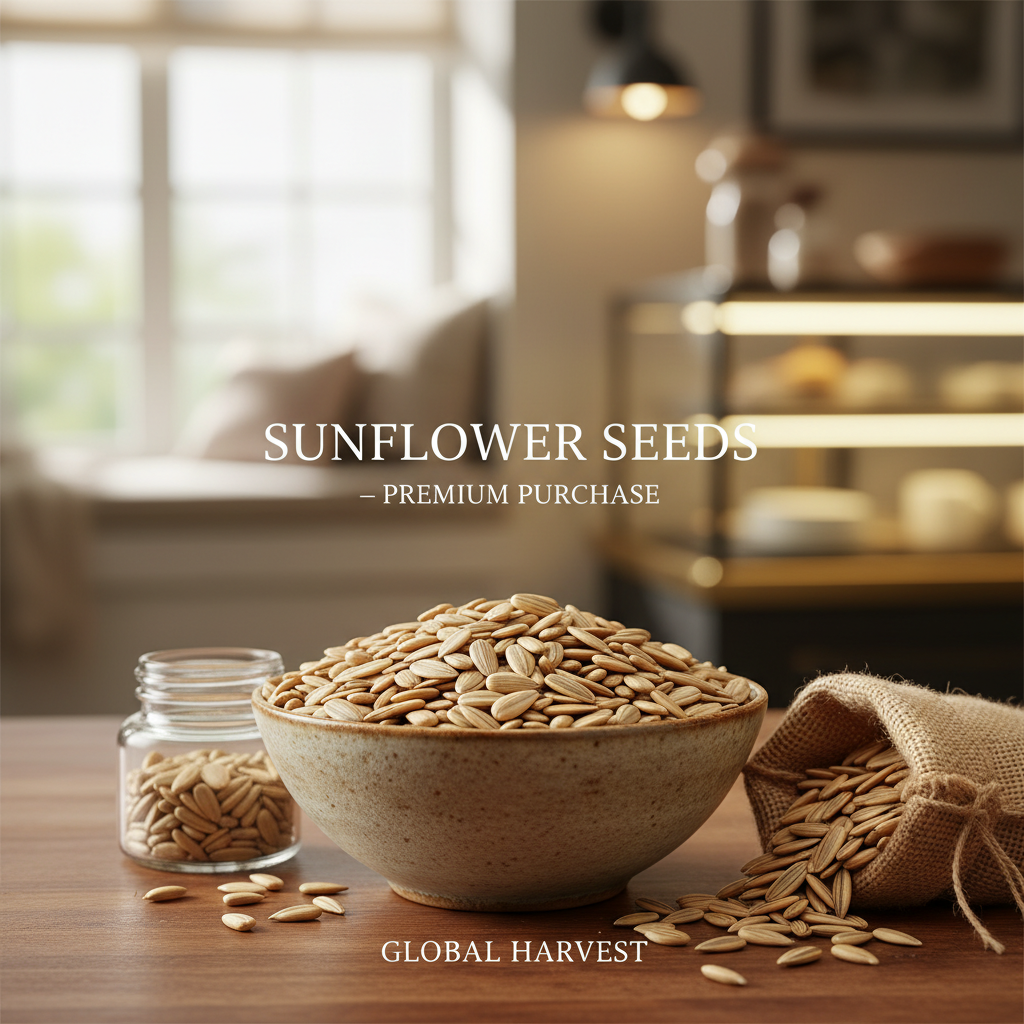
When browsing the snack aisle or reading a nutrition label, a common point of confusion for many consumers is whether is sunflower seeds a nut. While they are often grouped with almonds and walnuts in the "nuts and seeds" category, the botanical reality is quite different. Understanding this distinction is not just a matter of academic curiosity; it is vital for those managing severe food allergies and for food manufacturers ensuring precise labeling.
Globally, the consumption of seeds and nuts has surged as part of the "healthy snacking" movement. Sunflower seeds, in particular, have become a staple in leisure snacks due to their rich profile of unsaturated fats and Vitamin E. However, the linguistic overlap between "seeds" and "nuts" often leads to dietary misconceptions that can impact consumer choices and health safety.
In this comprehensive guide, we will dive deep into the botanical classification, nutritional value, and industrial application of these seeds. By clarifying the question—is sunflower seeds a nut—we aim to provide consumers and industry professionals with the clarity needed to navigate the complex landscape of the food processing industry and leisure snack manufacturing.
Botanical Classification: Is Sunflower Seeds a Nut?
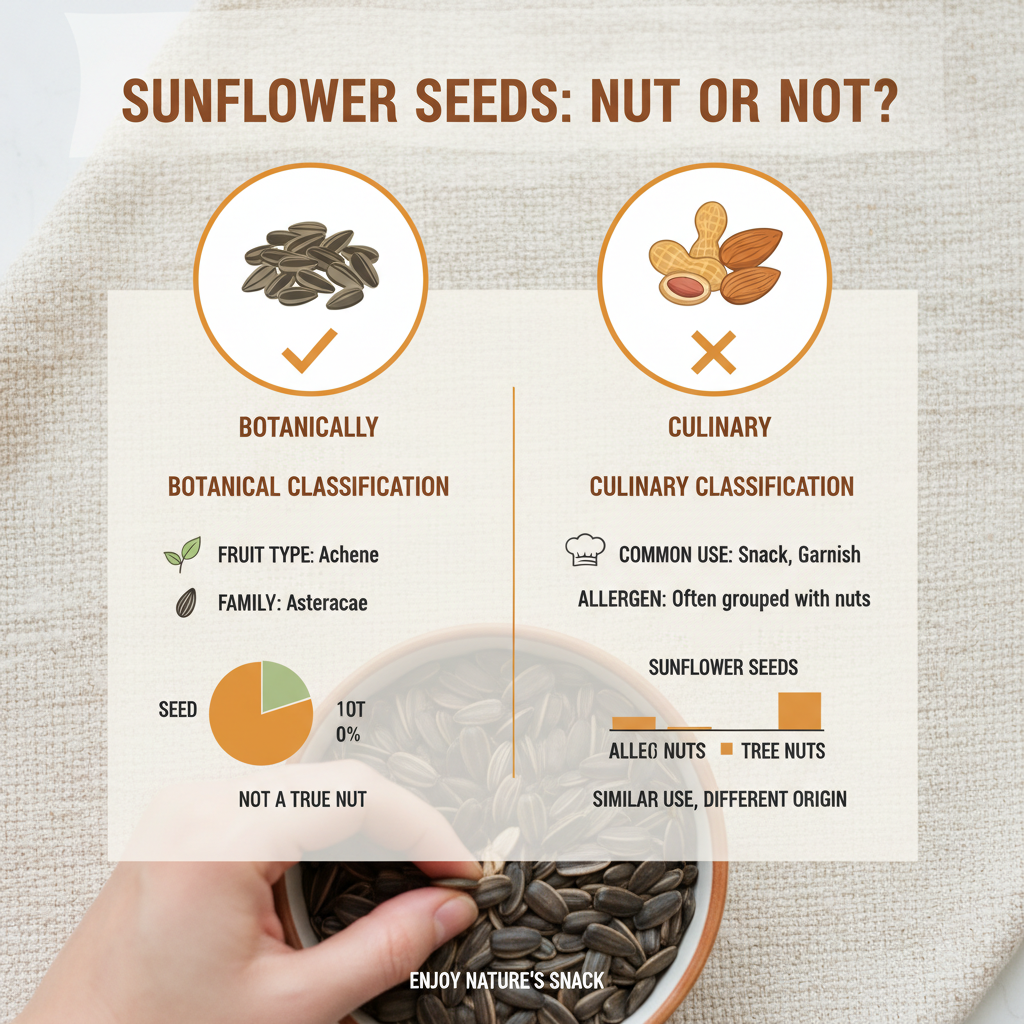
To answer the question "is sunflower seeds a nut" from a botanical perspective, we must look at how the plant produces its offspring. A true nut is a dry fruit consisting of a hard shell enclosing a single seed, where the shell does not split open upon maturity. Sunflower seeds, however, are technically "cypselae"—a type of dry fruit common to the Asteraceae family. The "shell" we crack open is actually the pericarp, which surrounds the actual seed inside.
Therefore, while they are culinary nuts—meaning they are treated and eaten like nuts—they are not botanical nuts. This distinction is critical in the food manufacturing sector, especially when creating multi-flavor peeled melon seeds or mixed nut blends, as it dictates how the ingredients are sourced and categorized in inventory management systems.
Global Market Relevance of Sunflower Seeds
On a global scale, the debate over whether is sunflower seeds a nut reflects a broader trend in the agricultural economy. According to data from the FAO and various trade organizations, the demand for seed-based snacks has seen a steady increase in North America and Asia. This is largely driven by the shift toward plant-based proteins and the perceived health benefits of seeds over processed carbohydrates.
The leisure snack industry has capitalized on this by diversifying product lines. From flavored melon seeds to premium sunflower kernels, the market has expanded to include "functional snacks." The challenge for manufacturers lies in consistent quality control—ensuring that the oil content remains stable and the roasting process doesn't degrade the essential nutrients that consumers seek.
Furthermore, the geopolitical landscape often affects the availability of these crops. Since a large portion of the world's sunflower production is concentrated in Eastern Europe and Russia, any instability in these regions creates a ripple effect in the global supply chain, affecting everything from the price of sunflower oil to the availability of roasted leisure snacks in local supermarkets.
Nutritional Comparison Between Seeds and True Nuts
When analyzing the nutritional density to determine if is sunflower seeds a nut in terms of benefit, we find striking similarities. Both are powerhouse sources of healthy fats, primarily monounsaturated and polyunsaturated acids, which are essential for heart health and brain function.
However, sunflower seeds offer a particularly high concentration of Vitamin E, a potent antioxidant that protects cell membranes from oxidative stress. While walnuts might offer more Omega-3s, sunflower seeds provide a balanced amino acid profile that makes them an excellent addition to biscuits and bread as a nutrient booster.
Ultimately, whether you classify them as seeds or nuts, the dietary impact is similar. They provide the satiety and energy required for active lifestyles, making them a cornerstone of the "leisure snacks" category, alongside items like Shaqima and flavored melon seeds.
Industrial Processing Efficiency and Quality
In the context of food processing, the question of "is sunflower seeds a nut" becomes a matter of mechanical engineering. Processing seeds requires different equipment than processing hard-shell nuts like hazelnuts. For instance, the dehulling process for sunflower seeds must be precisely calibrated to remove the husk without damaging the fragile kernel inside.
Efficiency in the factory is measured by the yield of intact kernels versus broken fragments. Advanced automation and AI-driven sorting machines now allow manufacturers to categorize seeds by size and color, ensuring that the final product—whether it be multi-flavor peeled melon seeds or roasted sunflower kernels—meets strict international quality standards.
Nutritional Density and Market Preference: Sunflower Seeds vs Other Snacks
Culinary Applications in Leisure Snacks
The versatility of sunflower seeds allows them to transcend the "nut" category. In the food manufacturing industry, they are used as a texturizer in high-end biscuits and artisan bread, providing a satisfying crunch and an earthy flavor profile that complements sweet and savory ingredients alike.
Beyond simple roasting, the trend of "multi-flavor" coatings has revolutionized the market. By applying glazes of honey, spicy paprika, or salted cream, manufacturers can transform a simple agricultural seed into a gourmet experience. This innovative approach ensures that the product appeals to a global demographic, from traditional snackers to health-conscious millennials.
Allergy Considerations and Safety Standards
One of the most critical reasons to clarify "is sunflower seeds a nut" is safety. Tree nut allergies can be life-threatening, and consumers with such allergies often search for safe alternatives. Because sunflower seeds are not botanical nuts, they are generally safe for those with tree nut allergies, making them a popular substitute in "nut-free" schools and workplaces.
However, the risk of cross-contamination in processing facilities is a significant concern. A factory that produces both almonds and sunflower seeds must implement rigorous cleaning protocols (CIP - Clean-in-Place) to prevent trace amounts of allergens from entering the seed production line.
Strict adherence to ISO and HACCP standards is non-negotiable. Transparent labeling that clearly distinguishes between "nuts" and "seeds" not only protects the consumer but also builds trust in the brand, ensuring that the products—ranging from Shaqima to peeled melon seeds—are safe for all.
Future Innovations in Seed Processing
The future of the seed industry is being shaped by digital transformation and sustainability. We are seeing a move toward "precision roasting," where sensors monitor the internal temperature of the seed in real-time to prevent the oxidation of healthy fats. This ensures that the answer to "is sunflower seeds a nut" in terms of quality is always a resounding "yes" to the highest standards.
Sustainability is also taking center stage. The use of solar-powered drying facilities and biodegradable packaging is reducing the carbon footprint of leisure snack manufacturing. By optimizing the supply chain and reducing waste during the dehulling process, companies are making their operations more eco-friendly.
Additionally, we anticipate the rise of "fortified seeds," where natural vitamins or probiotics are infused into the coating of the seed. This will push the boundaries of the leisure snack category, turning a simple seed into a functional food designed for specific health goals.
Comparison of Seed vs Nut Characteristics in Food Manufacturing
| Characteristic |
Sunflower Seeds |
Tree Nuts (e.g. Almonds) |
Industrial Impact |
| Botanical Origin |
Cypsela (Fruit/Seed) |
True Nut |
Labeling Requirements |
| Allergen Profile |
Low Allergenicity |
High Allergenicity |
Cross-Contamination Risk |
| Shell Hardness |
Moderate/Soft |
Hard |
Equipment Wear & Tear |
| Main Nutrient |
Vitamin E / Omega-6 |
Omega-3 / Protein |
Marketing Health Claims |
| Processing Method |
Dry Roasting/Steam |
Oil Roasting/Blanching |
Energy Consumption |
| Market Category |
Leisure Seed Snack |
Premium Nut Snack |
Price Point Positioning |
FAQS
Botanically, no. Sunflower seeds are not tree nuts or peanuts. For most people with nut allergies, sunflower seeds are a safe, nutritious alternative. However, you should always check the packaging for "processed in a facility that also handles nuts" to avoid cross-contamination.
This is due to culinary classification rather than botanical. Because they share similar tastes, textures, and nutritional profiles (high fats and proteins), they are grouped together for consumer convenience in the "nuts and seeds" category.
Neither is objectively "healthier," but they offer different benefits. Sunflower seeds are exceptionally high in Vitamin E and selenium, while nuts like walnuts provide more Omega-3 fatty acids. A variety of both is usually the best approach for a balanced diet.
Yes, they are an excellent substitute in biscuits, bread, and cakes. They provide a similar crunch and richness. For a closer taste profile to almonds, you can lightly toast them before adding them to your batter.
A seed is an embryonic plant enclosed in a seed coat, which can be found in fruits or pods. A botanical nut is a specific type of dry fruit with a hard shell that does not open on its own. Sunflower seeds are technically the fruit (cypsela) containing the seed.
Due to their high oil content, sunflower seeds can go rancid if exposed to heat and light. Store them in an airtight container in a cool, dark place, or in the refrigerator for long-term freshness.
Conclusion
In summary, while the culinary world often merges the two, the answer to "is sunflower seeds a nut" is a botanical "no," but a nutritional "yes." They provide the essential fats, minerals, and proteins that make them an indispensable part of the leisure snack industry, bridging the gap between simple agriculture and high-value food processing. Understanding this distinction is paramount for safety, labeling accuracy, and consumer health.
As we move toward a future of more personalized nutrition and sustainable manufacturing, sunflower seeds will continue to play a pivotal role. Whether integrated into artisan bread or enjoyed as a flavored snack, their versatility and health benefits ensure they remain a global favorite. To explore our premium range of seeds and leisure snacks, visit our website: www.yuyangmelon.com.