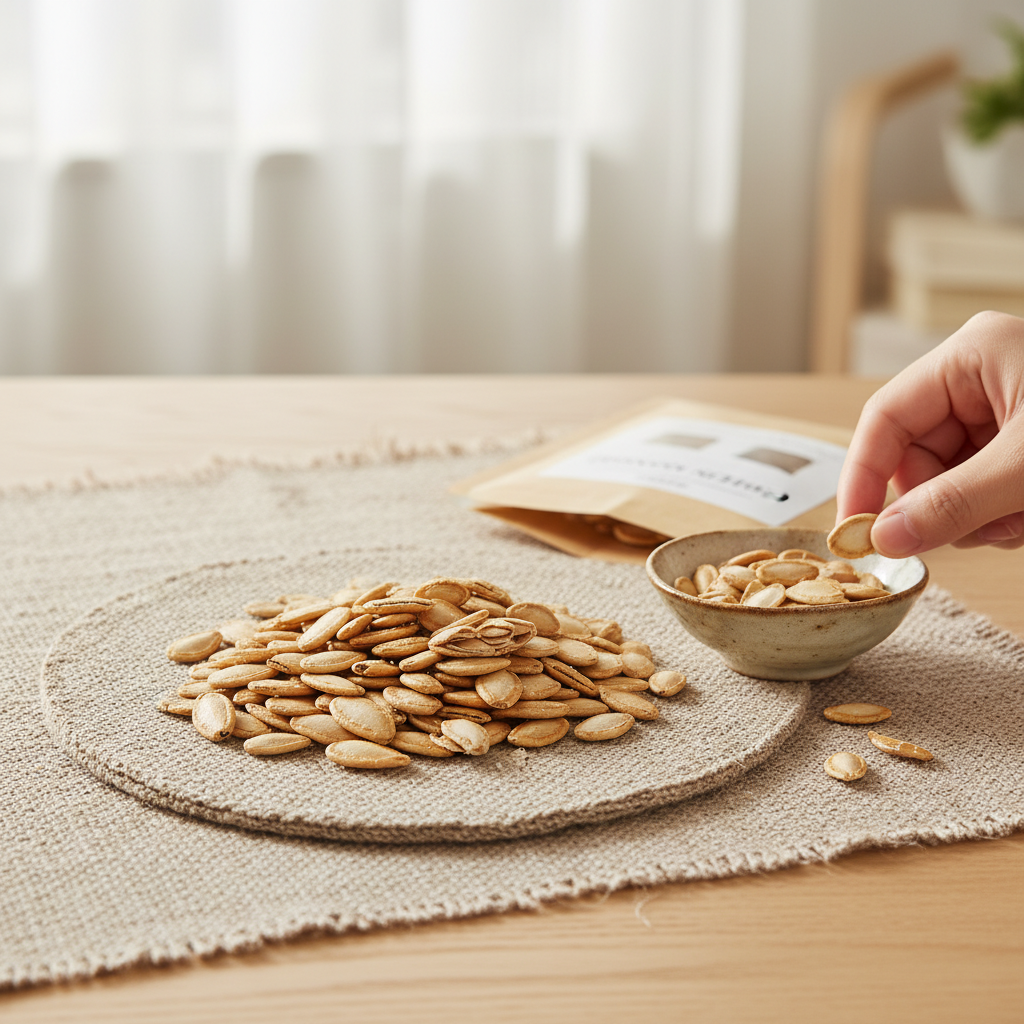
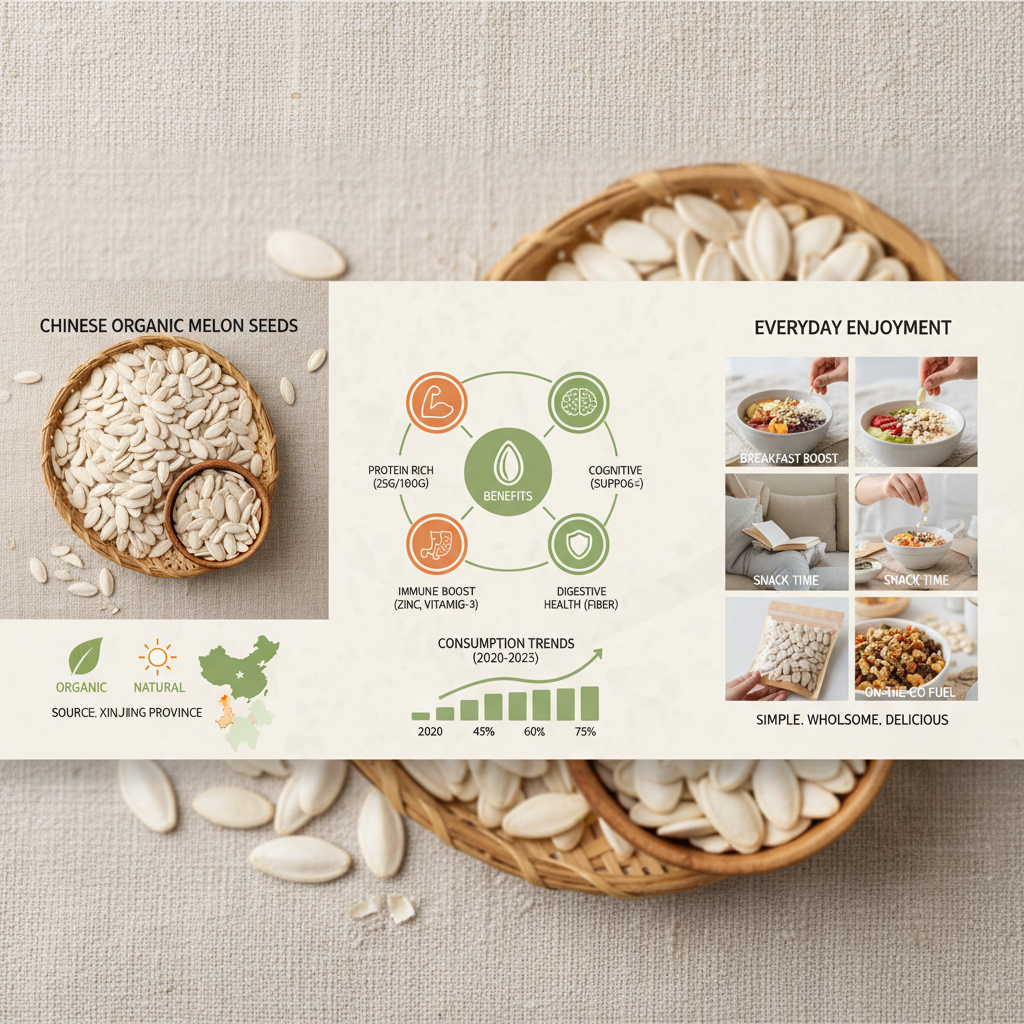
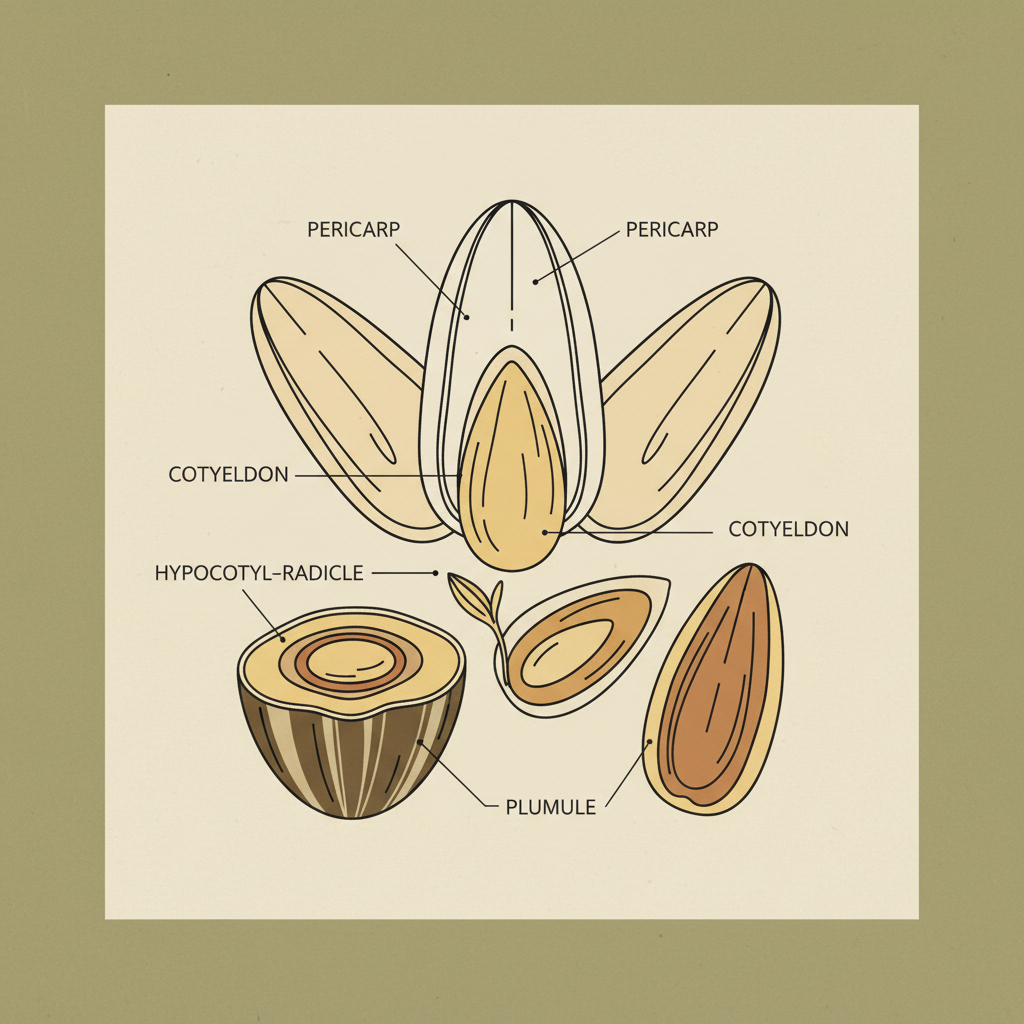
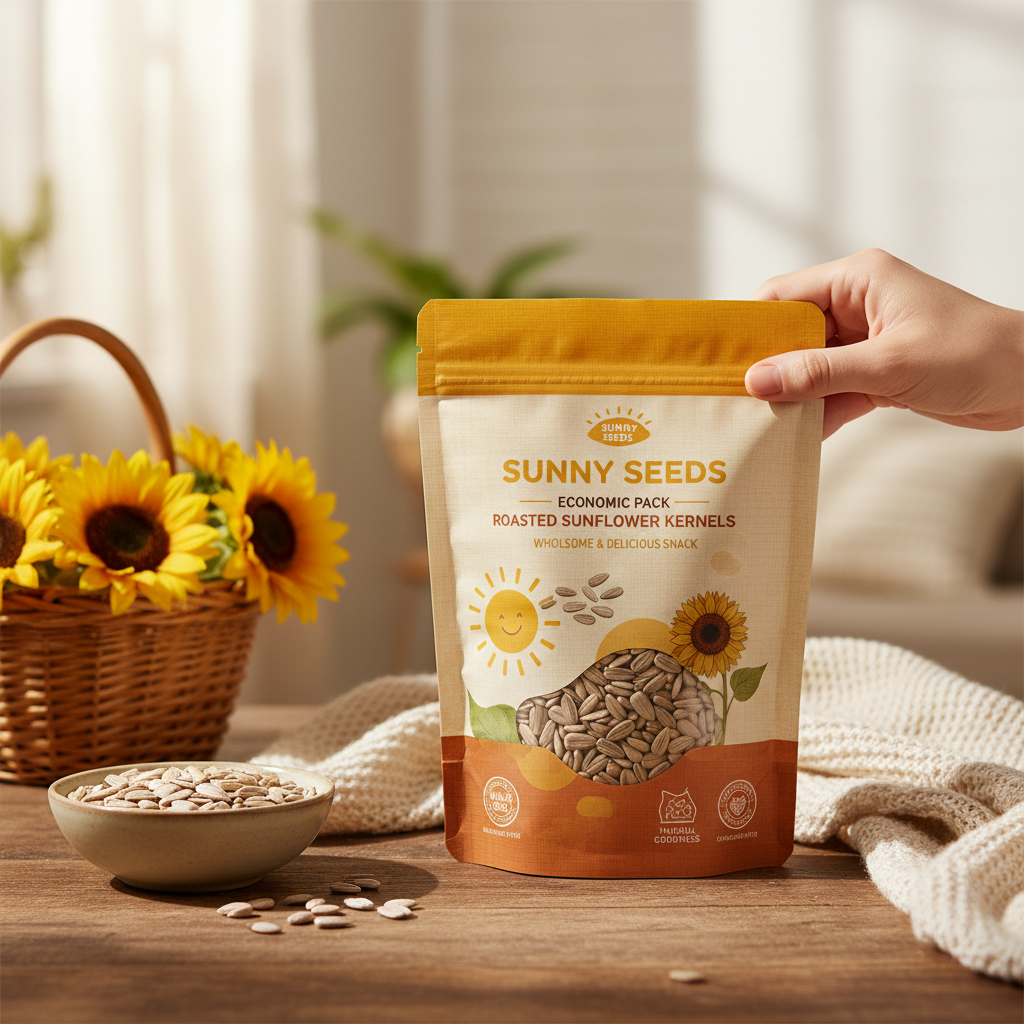
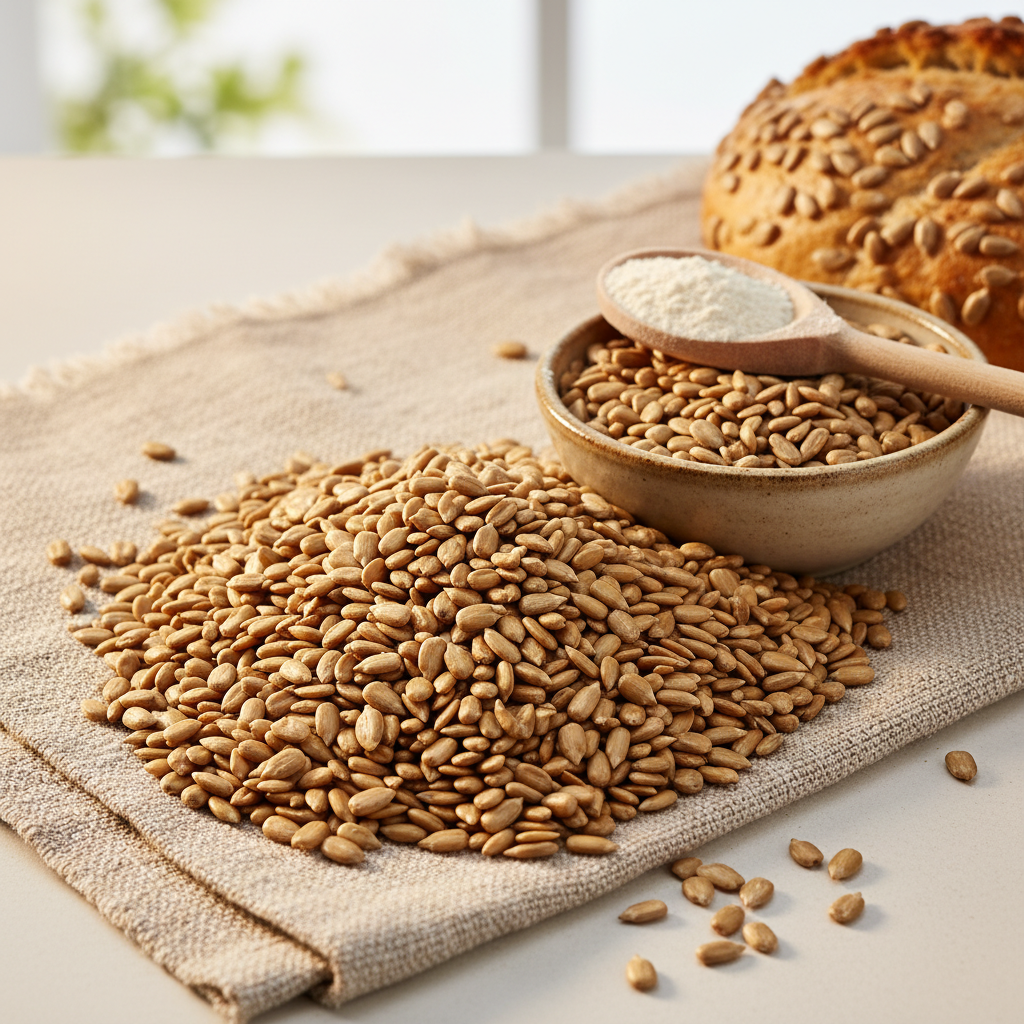
In the evolving landscape of global health and sustainable snacking, chinese organic melon seeds have emerged as more than just a traditional delicacy; they represent a convergence of ancient agricultural wisdom and modern nutritional science. As consumers pivot toward clean-label ingredients, these seeds offer a potent combination of essential minerals, healthy fats, and a rich cultural heritage that resonates across borders.
The global shift toward organic certification is not merely a trend but a response to the systemic need for pesticide-free farming and soil regeneration. By prioritizing chinese organic melon seeds, the industry is addressing the critical challenge of food safety while preserving the biodiversity of the seed varieties that have been cultivated for millennia in the fertile plains of China.
Understanding the complexities of organic production—from the stringent avoidance of synthetic fertilizers to the precise roasting techniques used in processing—allows wholesalers and health-conscious consumers to appreciate the true value of these snacks. This guide explores the technical and commercial dimensions of these premium seeds, illustrating why they are becoming a cornerstone of the global leisure snacks market.
The Global Market Relevance of Chinese Organic Melon Seeds
The international demand for organic snacks has seen a compound annual growth rate that mirrors the rising awareness of dietary wellness. chinese organic melon seeds fit perfectly into this trajectory, appealing to the "superfood" demographic in North America and Europe while maintaining a strong grip on the traditional Asian market. The integration of ISO-standard organic certifications has bridged the gap between local farming and international export requirements.
Beyond mere consumption, these seeds are now viewed as a sustainable alternative to high-sodium processed snacks. By leveraging traditional roasting methods without chemical additives, producers are able to deliver a product that satisfies the craving for savory snacks while providing a dense profile of omega-3 fatty acids and magnesium, making them a preferred choice for NGOs and health organizations promoting nutrient-dense diets.
Defining the Organic Standard for Premium Melon Seeds
To accurately define chinese organic melon seeds, one must look beyond the label to the actual cultivation process. True organic certification requires a three-year transition period where the land is cleared of synthetic pesticides, herbicides, and chemical fertilizers. This process restores the soil microbiome, ensuring that the resulting seeds are rich in naturally occurring minerals and free from toxic residues.
In the context of modern food manufacturing, "organic" also extends to the processing phase. This means the roasting agents and flavorings must be derived from organic sources, avoiding artificial preservatives or synthetic dyes. For the leisure snacks industry, this shift ensures that the product remains "clean," catering to the growing demographic of consumers who read every ingredient on the packaging.
Furthermore, the connection to humanitarian needs is evident in the promotion of sustainable agriculture. By supporting organic melon seed farming, we encourage a circular economy that protects groundwater from nitrogen runoff and supports the livelihoods of small-scale farmers who employ regenerative techniques, thereby ensuring long-term food security.
Core Components of High-Quality Organic Seed Production
The first pillar of producing chinese organic melon seeds is soil health. By utilizing organic compost and crop rotation, farmers ensure a nutrient-dense substrate that enhances the seed's natural flavor profile and increases its resistance to pests without the need for chemical intervention.
Secondly, the scalability of organic production relies on precise water management and biological pest control. By implementing integrated pest management (IPM) and organic irrigation systems, the yield of chinese organic melon seeds can be scaled to meet global demand without compromising the ecological integrity of the region.
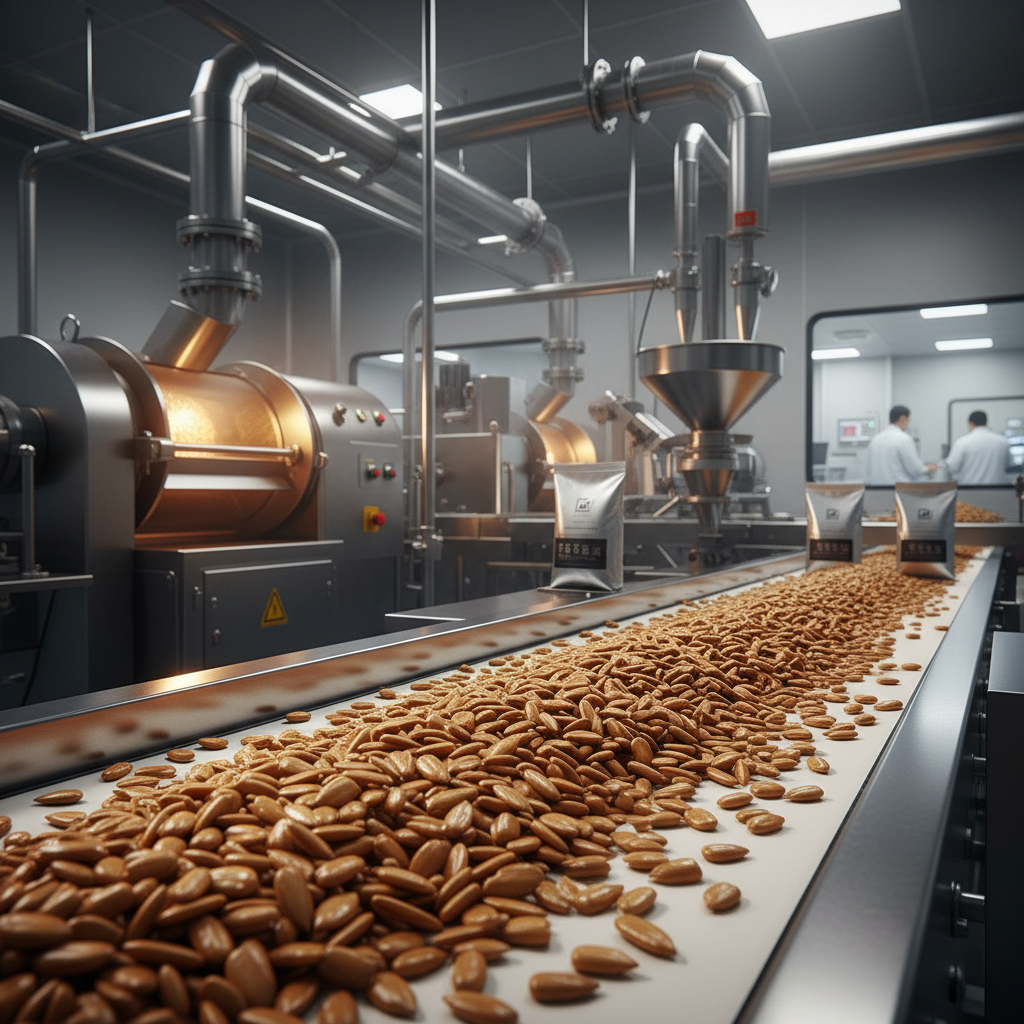
Finally, the roasting and curing process is where technical expertise meets tradition. Achieving the perfect crunch and flavor in organic seeds requires temperature-controlled roasting cycles that prevent the oxidation of healthy fats, ensuring that the final product retains its nutritional integrity and a long shelf life without synthetic preservatives.
Practical Applications and Nutritional Value
The application of chinese organic melon seeds extends far beyond casual snacking. In the culinary arts, they are utilized as nutrient-dense toppers for salads and baked goods, providing a textural contrast and a boost of plant-based protein. In the wellness industry, they are often integrated into energy mixes for athletes due to their high magnesium and zinc content, which supports muscle recovery and immune function.
From a commercial perspective, these seeds are a high-value addition to the "leisure snacks" category, allowing brands to position themselves in the premium organic segment. The ability to market these as a "guilt-free" snack makes them highly attractive for distribution in health food stores, gym kiosks, and airport lounges where consumers seek quick yet healthy energy sources.
Nutritional and Quality Performance of Chinese Organic Melon Seeds
Global Distribution and Industrial Use Cases
The distribution of chinese organic melon seeds has expanded significantly into the Middle East and European markets, where there is a burgeoning appetite for exotic yet healthy nuts and seeds. In these regions, organic seeds are often used in gourmet confectionery, blended with dark chocolate or honey to create high-end treats that combine traditional Chinese flavors with Western confectionery styles.
In industrial contexts, these seeds serve as a raw material for the production of organic seed butters and oils. Because they are grown without synthetic chemicals, the resulting oils are highly prized in the organic cosmetics industry for their skin-nourishing properties and in the pharmaceutical sector for creating natural supplements. This multi-industry utility ensures a stable demand and diverse revenue streams for producers.
Long-Term Sustainability and Economic Value
The long-term value of investing in chinese organic melon seeds lies in the intersection of environmental stewardship and brand loyalty. By adhering to organic principles, producers reduce the cost of chemical inputs over time and create a resilient agricultural system that can withstand climate volatility. This sustainability makes the product more reliable for long-term contracts with global retail chains.
From an emotional perspective, the "organic" label provides a sense of safety and trust. Consumers are not just buying a snack; they are buying the peace of mind that comes with knowing the product is free from toxins and was produced ethically. This trust translates into higher price premiums and lower customer acquisition costs for brands that can prove their commitment to organic integrity.
Logically, the shift toward organic production is a strategic hedge against future regulations. As governments worldwide tighten restrictions on pesticide residues in imported foods, those already producing certified chinese organic melon seeds will have a significant competitive advantage, facing fewer trade barriers and faster customs clearance.
Future Innovations in Organic Seed Processing
The future of chinese organic melon seeds is being shaped by the digital transformation of agriculture. The implementation of blockchain technology for "farm-to-table" traceability allows consumers to scan a QR code and see the exact organic certification and harvest date of their seeds. This level of transparency is becoming a prerequisite for entering the ultra-premium market.
Furthermore, innovations in green energy are reducing the carbon footprint of the roasting process. Many facilities are transitioning to solar-powered ovens and biomass energy, ensuring that the production of organic seeds is as eco-friendly as the farming itself. This holistic approach to sustainability is attracting a new generation of environmentally conscious investors.
Automation and AI are also playing a role in quality control. Optical sorting machines now use AI to detect and remove imperfect seeds based on color and size, ensuring that only the highest quality chinese organic melon seeds reach the consumer, thereby reducing waste and increasing the efficiency of the organic supply chain.
Comparative Analysis of Organic vs. Conventional Melon Seed Production
| Production Metric |
Organic Method |
Conventional Method |
Impact Score (1-10) |
| Soil Health |
Regenerative Compost |
Synthetic Nitrogen |
9 |
| Pest Control |
Biological IPM |
Chemical Pesticides |
8 |
| Flavor Purity |
Natural Profile |
Additive Enhanced |
10 |
| Residue Levels |
Zero-Toxin |
Trace Amounts |
9 |
| Market Price |
Premium Pricing |
Commodity Pricing |
7 |
| Eco-Footprint |
Low Carbon |
Moderate Carbon |
8 |
FAQS
The primary difference lies in the cultivation and processing. Organic seeds are grown without synthetic pesticides or fertilizers, focusing on soil regeneration. Additionally, they are processed without artificial preservatives or chemical flavorings, ensuring a pure, nutrient-dense snack that is safer for long-term consumption and better for the environment.
Look for internationally recognized certifications such as USDA Organic, EU Organic, or the China Organic Product certification mark. Premium suppliers usually provide a certification number or a blockchain-enabled QR code that allows you to track the product's origin, soil tests, and processing logs to ensure authenticity.
Yes, because they are free from trans fats often found in conventional processing oils and are rich in unsaturated fatty acids, magnesium, and antioxidants. These components help in maintaining healthy cholesterol levels and supporting cardiovascular function, making them an ideal heart-healthy snack.
While they lack synthetic preservatives, high-quality organic seeds use precise roasting and vacuum-sealed packaging to maintain freshness. When stored in a cool, dry place, they have a comparable shelf life to conventional seeds, though they are more sensitive to oxidation if the packaging is compromised.
Absolutely. They are highly valued in the commercial baking industry as a premium ingredient for organic breads, crackers, and energy bars. Their natural flavor and clean label status allow bakers to market their end-products as organic or "all-natural," which significantly increases the market value of the baked goods.
Importing requires verifying that the producer has the necessary organic certifications recognized by the destination country. You will need a phytosanitary certificate, a bill of lading, and an organic equivalence certificate. Working with experienced exporters like Yuyang Melon ensures all regulatory documentation is handled correctly for smooth customs clearance.
Conclusion
The transition toward chinese organic melon seeds represents a broader movement toward conscious consumption and environmental responsibility. By integrating traditional farming expertise with rigorous organic standards, these seeds provide a superior nutritional profile and a sustainable economic model for producers. From their role as a nutrient-dense snack to their application in high-end cosmetics and gourmet foods, organic seeds prove that quality and sustainability can go hand-in-hand.
As the global food industry continues to prioritize transparency and health, the demand for certified organic products will only grow. For businesses and consumers alike, choosing organic melon seeds is an investment in a healthier future and a more resilient planet. We encourage you to explore the purity and taste of authentic organic seeds by visiting our website: www.yuyangmelon.com.