The global demand for nutrient-dense, convenient snacks has propelled sunflower seeds shelled from a simple agricultural byproduct to a cornerstone of the modern health-food industry. By removing the tedious hulling process, these kernels provide immediate access to essential fatty acids and proteins, making them an ideal ingredient for everything from gourmet baking to athletic supplements.
From a commercial perspective, the transition to processed sunflower seeds shelled allows manufacturers to standardize quality and flavor profiles, ensuring a consistent consumer experience across different global markets. This scalability is crucial for the leisure snack sector, where texture and purity are the primary drivers of brand loyalty and repeat purchases.
Understanding the nuances of sourcing, processing, and utilizing sunflower seeds shelled is not just about food production; it is about optimizing the supply chain to meet the growing preference for plant-based, non-GMO protein sources. As we dive deeper into the technical and commercial aspects, the value of precision shelling and quality control becomes evident.
Global Market Dynamics of Sunflower Seeds Shelled
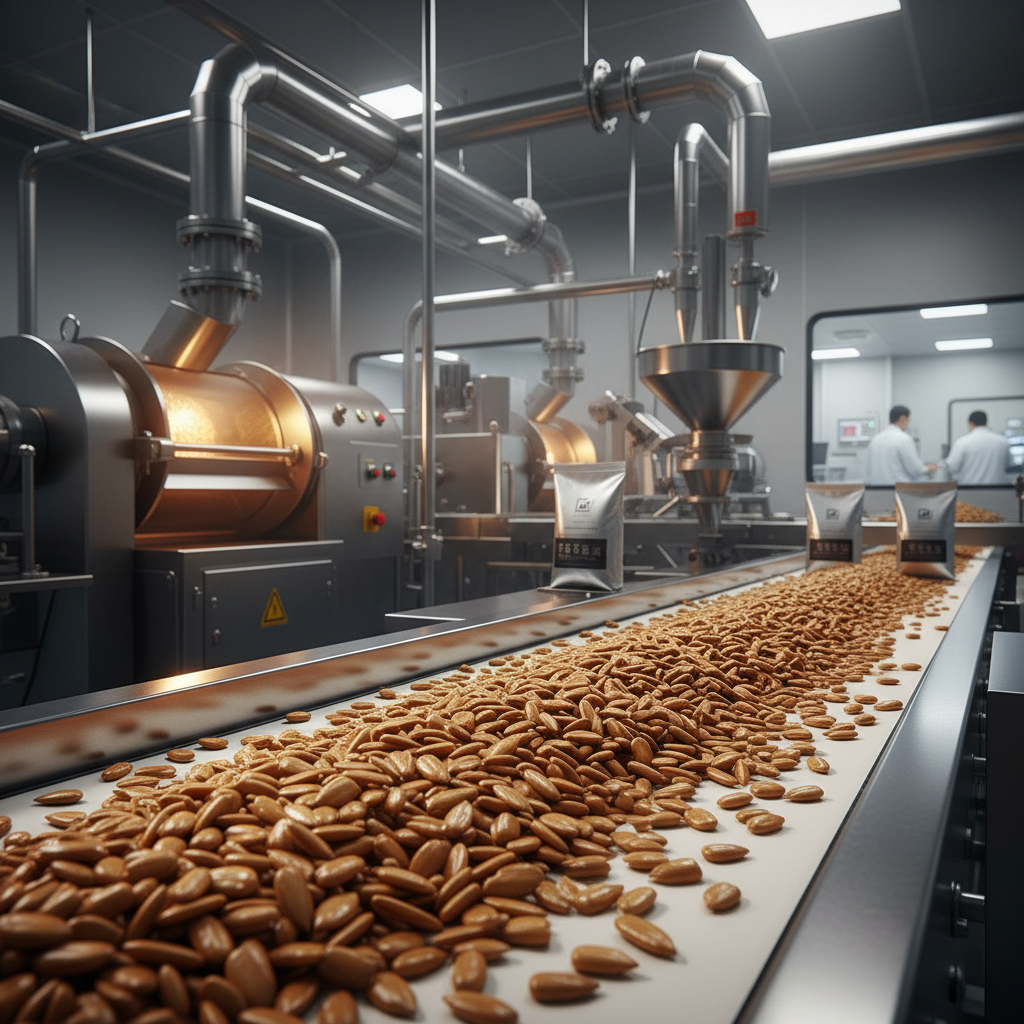
The international trade of sunflower seeds shelled has seen a significant uptick, driven largely by the shift toward plant-based diets in North America and Europe. According to agricultural trade data, the demand for peeled kernels has outpaced in-shell seeds as consumers prioritize convenience and "ready-to-eat" formats. This shift has forced producers in major growing regions to invest heavily in automated dehulling machinery to keep up with volume.
However, the industry faces the challenge of maintaining seed integrity during high-speed processing. When seeds are shelled at scale, there is a risk of "broken kernels," which reduces the commercial grade and market price. The goal for modern processors is to maximize the yield of whole, pristine kernels while minimizing waste, ensuring that the global supply chain remains efficient and sustainable.
Technical Definition and Processing Standards
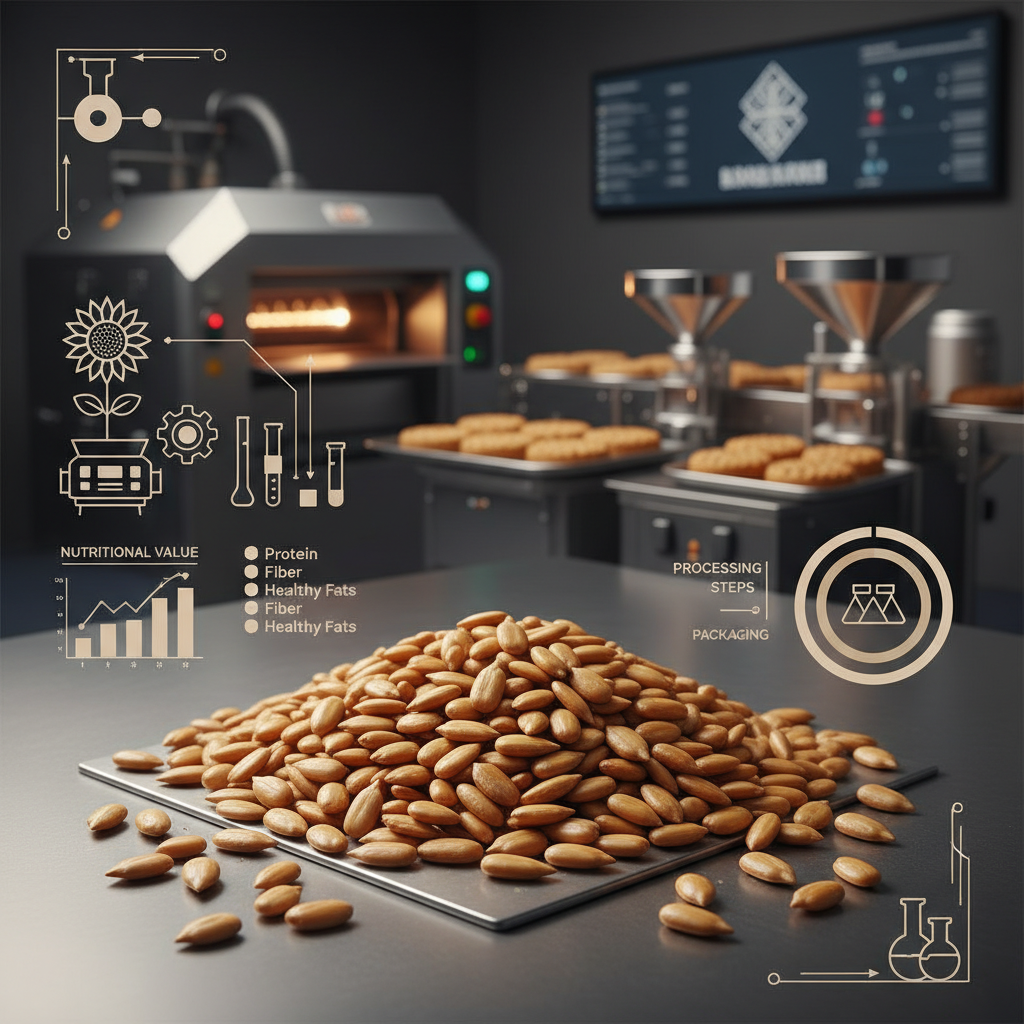
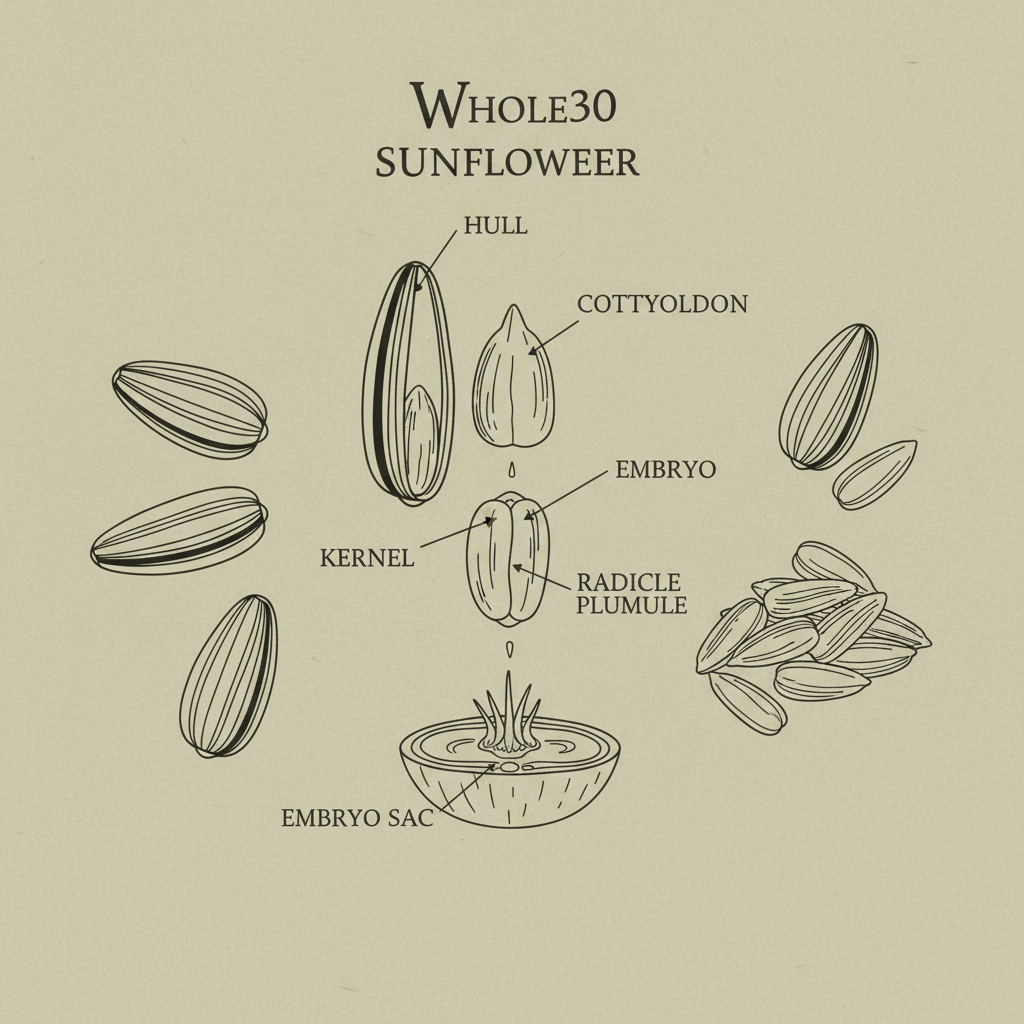
In professional food manufacturing, sunflower seeds shelled are defined as the internal kernels of the Helianthus annuus plant, meticulously removed from their hard outer husks through mechanical or manual means. Unlike raw seeds, the "shelled" designation implies a secondary stage of processing that includes cleaning, sorting, and often a stabilization process to prevent the natural oils from turning rancid.
The industry adheres to strict ISO and HACCP standards to ensure that these kernels are free from shell fragments and foreign materials. For a product to be classified as high-grade shelled seeds, it must undergo rigorous optical sorting, where sensors detect and remove any remaining husk pieces based on color and density differences. This precision is what separates commercial-grade kernels from artisanal or home-processed versions.
Furthermore, the connection between shelling and modern nutrition is profound. By offering sunflower seeds shelled, the industry enables the creation of fortified foods, such as protein bars and nutrient-dense cereals, which would be impossible to produce using in-shell seeds. This transformation is essential for meeting the dietary needs of urban populations who require quick, healthy energy sources.
Core Quality Components for Premium Kernels
The durability of the seed kernel is a primary factor in determining the quality of sunflower seeds shelled. A durable kernel resists crushing during the shelling process and maintains its structural integrity during transport, which is vital for maintaining the aesthetic appeal in packaged leisure snacks.
Purity is the second critical component; any residual shell in a batch of sunflower seeds shelled can lead to consumer complaints and potential safety hazards. Professional grading systems categorize kernels based on the percentage of "whole" versus "broken" seeds, with the highest premiums paid for those with 99% or higher wholeness.
Finally, oil stability plays a decisive role in the shelf life of sunflower seeds shelled. Because the protective shell is removed, the kernels are exposed to oxygen. Advanced roasting and vacuum-packaging techniques are employed to protect the unsaturated fats, ensuring the product remains fresh and flavorful for months.
Commercial Scalability and Cost Efficiency
Scaling the production of sunflower seeds shelled requires a delicate balance between speed and precision. Manufacturers utilize large-scale centrifugal dehullers that can process tons of seeds per hour, drastically reducing the labor cost associated with manual shelling. This industrialization allows the product to be priced competitively for the mass market.
From a cost-efficiency standpoint, the ability to repurpose the removed shells into biomass fuel or livestock bedding transforms a waste stream into a secondary revenue source. This circular economy approach lowers the net cost of production, allowing brands to invest more in flavor innovation and sustainable packaging.
Comparative Efficiency of Sunflower Seeds Shelled Methods
Industrial Applications and Use Cases
The versatility of sunflower seeds shelled extends far beyond simple snacking. In the confectionery industry, they are a staple for adding texture to premium chocolate bars and artisanal biscuits. Their neutral but nutty flavor profile makes them an excellent base for seasoned leisure snacks, where they can be coated in everything from honey and salt to spicy sriracha.
Beyond snacks, these kernels are widely used in the health and wellness sector. For instance, in vegan baking, sunflower seeds shelled are often ground into a flour alternative or used to create seed butters, providing a nut-free option for schools and hospitals. This flexibility ensures that the product remains relevant across various dietary restrictions and cultural culinary preferences.
Sustainability and Long-term Value
Investing in the quality of sunflower seeds shelled provides long-term value through increased consumer trust and brand reliability. By sourcing from sustainable farms that use crop rotation and minimal chemical pesticides, manufacturers can market their kernels as "Eco-Friendly," appealing to the environmentally conscious Gen Z and Millennial demographics.
From a social impact perspective, the industrialization of shelling processes has created specialized technical jobs in rural agricultural hubs. The transition from manual labor to machinery operation empowers local workforces with technical skills, while ensuring that the agricultural yield is not wasted due to inefficient processing.
Ultimately, the logic of choosing high-grade shelled seeds lies in the reduction of waste. When kernels are processed correctly, the percentage of usable product increases, reducing the amount of raw land needed to produce the same volume of food. This efficiency is a cornerstone of global food security and sustainable land management.
Future Innovations in Shelling Technology
The future of sunflower seeds shelled lies in the integration of AI-driven sorting and cryogenic shelling. AI sensors are now being developed to detect microscopic defects in kernels that are invisible to the human eye, ensuring that only the most perfect seeds reach the final packaging stage.
Additionally, cryogenic processing—using extreme cold to make shells brittle—promises to increase the "whole seed" yield by reducing the mechanical pressure required for dehulling. This innovation will likely lead to a new grade of "Ultra-Premium" kernels that are completely undamaged, catering to the luxury snack market.
As digital transformation hits the agricultural sector, blockchain traceability will allow consumers to scan a QR code on a bag of shelled seeds and see the exact farm where the sunflowers were grown. This transparency will solidify the bond of trust between the producer and the end consumer, emphasizing quality and ethical sourcing.
Comparative Analysis of Sunflower Seeds Shelled Processing Tech
| Technology Type |
Yield Rate (%) |
Kernel Integrity |
Operating Cost |
| Traditional Mechanical |
85% |
Moderate |
Low |
| Centrifugal Dehulling |
92% |
High |
Medium |
| AI Optical Sorting |
98% |
Excellent |
High |
| Cryogenic Shelling |
96% |
Excellent |
Very High |
| Vacuum Extraction |
88% |
Moderate |
Medium |
| Hybrid Automated |
95% |
High |
Medium |
FAQS
Raw sunflower seeds shelled are processed to remove the hull but remain uncooked, preserving all natural enzymes and making them ideal for baking or sprouting. Roasted kernels are heat-treated to enhance the nutty flavor and extend shelf life, which is the preferred format for leisure snacks. Both offer similar nutritional profiles, though roasting can slightly alter the delicate omega-6 fatty acids.
Look for suppliers who employ optical sorting technology and adhere to international food safety certifications such as ISO 22000 or HACCP. High-quality processed kernels should be visually uniform with no visible shell fragments. Requesting a COA (Certificate of Analysis) from the manufacturer can provide verification of purity and the absence of aflatoxins or other contaminants.
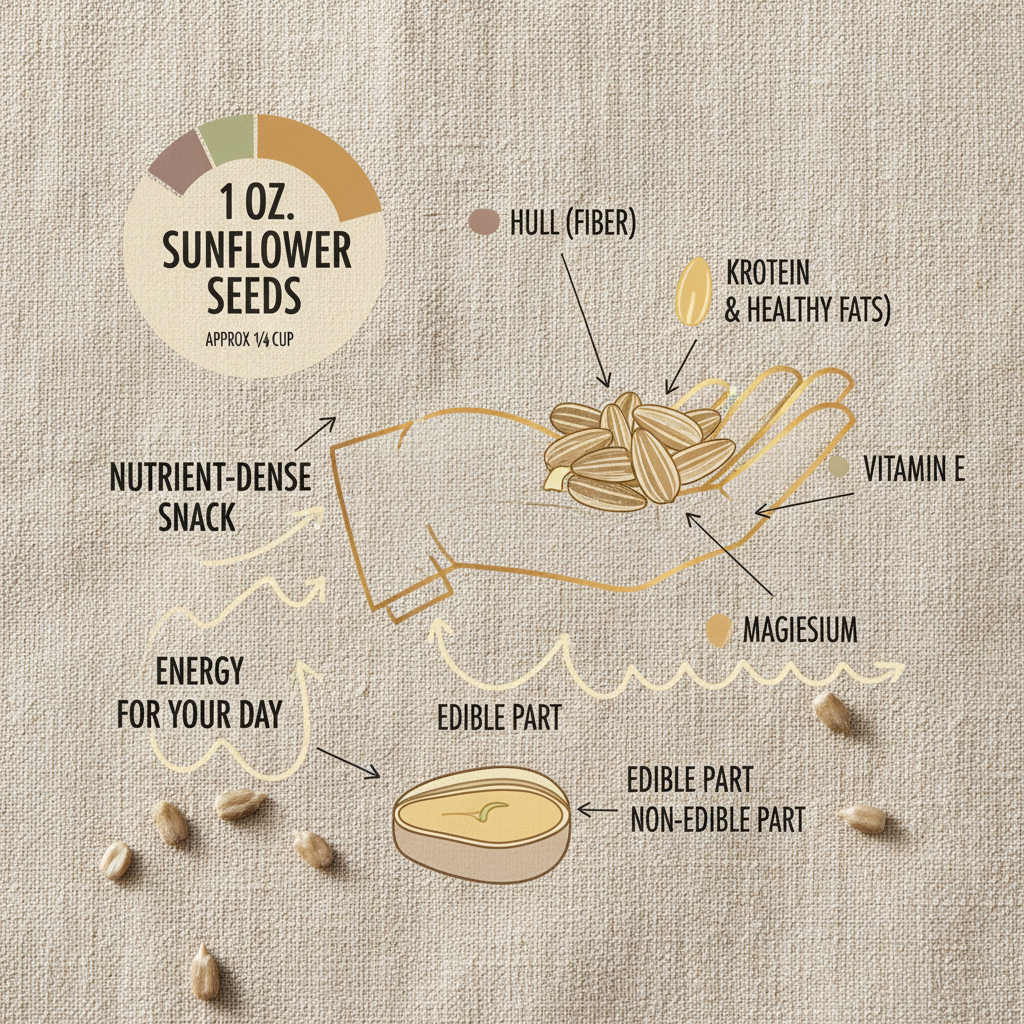
Nutritiously, they are identical because the nutrient-rich part is the kernel itself. However, sunflower seeds shelled are more "efficient" for the consumer, providing the same amount of protein, vitamin E, and magnesium without the caloric "cost" of time spent shelling. They allow for easier integration into smoothies, salads, and porridge, increasing overall nutrient intake.
Because the protective shell is gone, kernels are prone to oxidation. For bulk storage, it is recommended to keep them in airtight, opaque containers in a cool, dry environment. Vacuum sealing or nitrogen flushing is the industrial gold standard, as it removes oxygen and prevents the oils from turning rancid, extending the fresh taste for up to 12 months.
Yes, sunflower seeds shelled are technically seeds, not nuts, making them an excellent alternative for those with tree nut or peanut allergies. They provide a similar crunch and fatty profile, making them a safe and delicious substitute in pestos, granola, and energy balls, provided they are processed in a nut-free facility.
Modern manufacturers use precision-calibrated dehulling equipment that applies just enough pressure to crack the shell without crushing the seed. The use of centrifugal force rather than direct crushing, combined with moisture-controlled pre-treatment, ensures the hull separates cleanly. Final optical sorting then removes any broken pieces to maintain a premium grade.
Conclusion
In summary, the transition to high-quality sunflower seeds shelled represents a marriage of agricultural efficiency and consumer demand. By focusing on precision shelling, purity standards, and sustainable sourcing, the industry has transformed a simple seed into a versatile, nutrient-dense ingredient that fuels global health trends. The synergy between technological innovation—such as AI sorting—and ecological responsibility ensures that these kernels remain a viable and profitable component of the leisure snack market.
Looking ahead, the emphasis will likely shift toward absolute transparency and "clean label" processing. For businesses and consumers alike, prioritizing seeds that are processed with minimal damage and maximum purity will be the key to unlocking long-term value. As we move toward a more plant-centric food system, the role of professionally shelled seeds will only grow in significance. Discover the finest quality seeds by visiting our website: www.yuyangmelon.com.