0%

Table of Contents

Sunflower seed kernels for baking represent a versatile and increasingly popular ingredient in the culinary world. Beyond their direct use in breads, muffins, and cookies, they contribute valuable nutritional benefits and textural enhancements. Globally, the demand for sunflower seeds, and subsequently their kernels, is rising, driven by health-conscious consumers and expanding applications in various food industries. Understanding the properties and applications of sunflower seed kernels for baking is therefore crucial for bakers, food manufacturers, and anyone seeking to incorporate wholesome and flavorful ingredients into their recipes.

The sunflower seed kernel market is experiencing substantial growth, particularly in regions with established baking traditions like Europe and North America, but also increasingly in emerging markets in Asia and Latin America. This expansion is fueled by a growing awareness of the health benefits associated with sunflower seeds—rich in Vitamin E, healthy fats, and protein—and their adaptability to various dietary needs, including gluten-free and vegan baking. The United Nations Food and Agriculture Organization (FAO) reports a consistent increase in sunflower seed production globally, underscoring its importance in food security and sustainable agriculture.

However, the industry faces challenges related to supply chain volatility, quality control, and the need for sustainable sourcing practices. Ensuring a consistent supply of high-quality sunflower seed kernels for baking requires collaboration between farmers, processors, and distributors, focusing on best practices in cultivation, harvesting, and storage. This underscores the importance of researching and utilizing dependable sources for these vital baking ingredients.
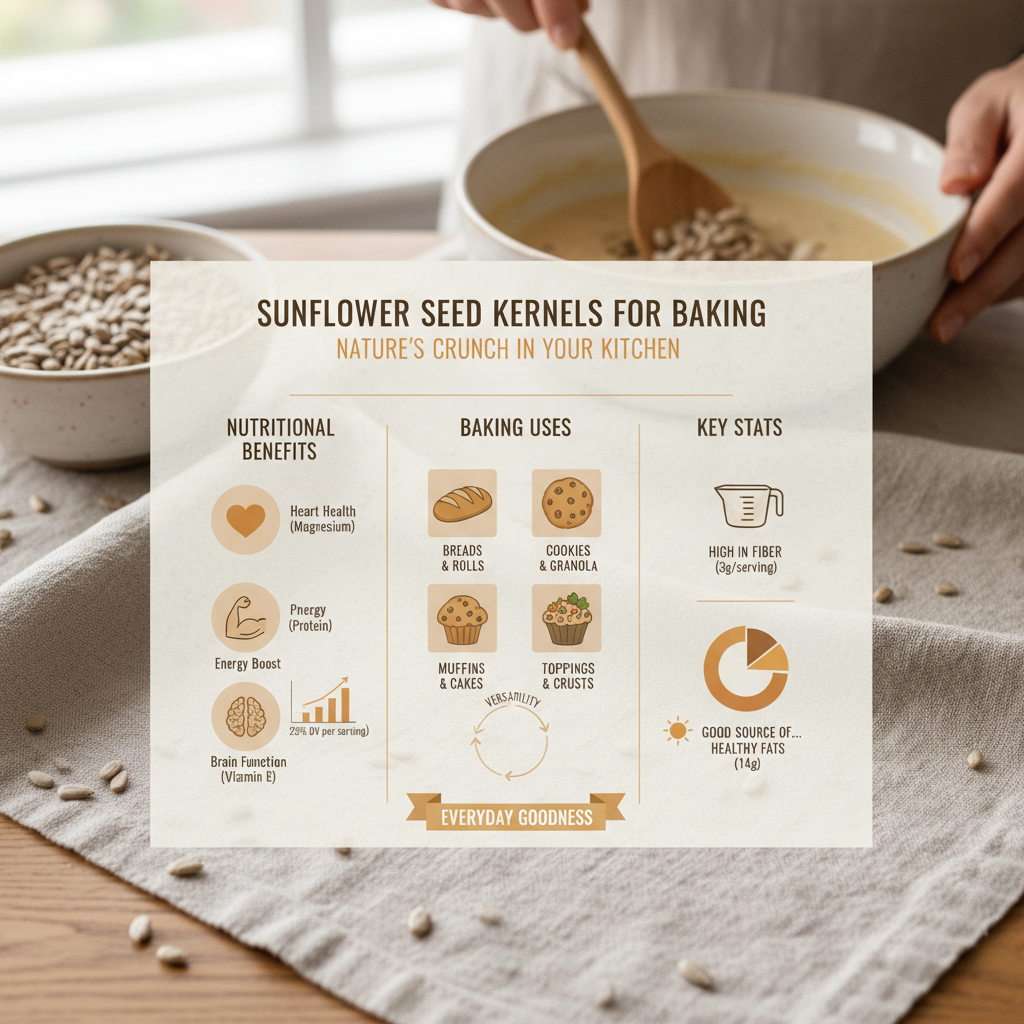
Exploring the Versatile World of Sunflower Seed Kernels for Baking Applications

Introduction to Sunflower Seed Kernels for Baking

Exploring the Versatile World of Sunflower Seed Kernels for Baking Applications

Sunflower seed kernels for baking are the edible seeds of the sunflower plant (Helianthus annuus), specifically processed for use in baked goods. They are valued for their subtle nutty flavor, pleasing texture, and significant nutritional profile. These kernels provide essential fatty acids, vitamins, and minerals, making them a desirable addition to a variety of recipes. Their inherent versatility allows bakers to elevate both sweet and savory creations.

The kernels’ increasing popularity stems from a broader consumer trend toward healthier and more natural ingredients. Compared to some other nuts and seeds, sunflower seed kernels often present a more accessible price point, further enhancing their appeal to both home bakers and commercial food producers. Choosing high-quality sunflower seed kernels for baking is paramount to achieving optimal results.

Defining Sunflower Seed Kernels for Baking

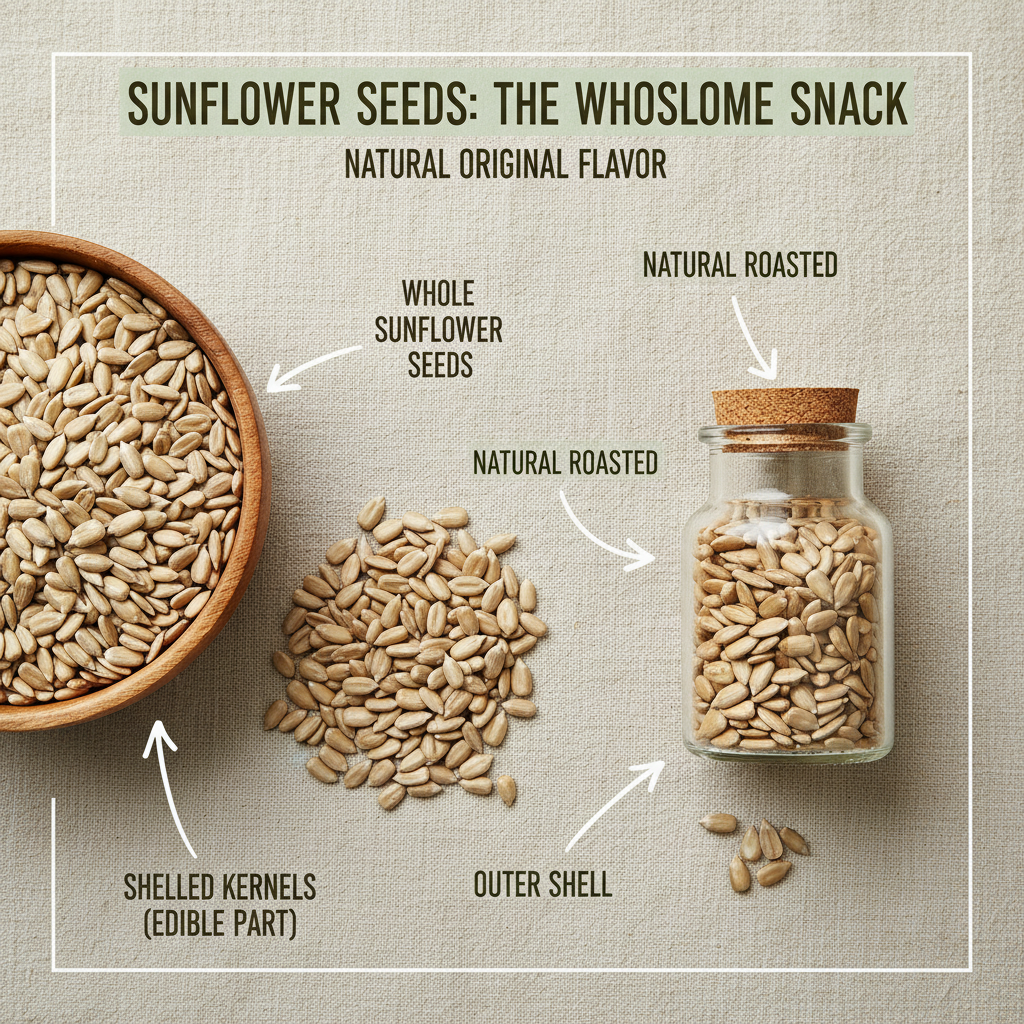
Sunflower seed kernels for baking are distinct from whole sunflower seeds, as they represent the seed meat extracted from the shell. This process typically involves dehulling, cleaning, and often drying to achieve the appropriate moisture content for baking applications. The resulting kernels are a small, oval-shaped seed, often pale green or gray in color, though variations exist depending on the sunflower variety.

Unlike some seeds that require extensive processing to be palatable, sunflower seed kernels can be consumed directly, making them a convenient and versatile ingredient. In the context of modern food production and humanitarian needs, they offer a readily available and nutritious food source. Their relative ease of cultivation and processing contributes to their global accessibility.

The key distinction for "baking" grade kernels lies in their consistent size, low moisture content (typically below 10%), and minimal shell fragments. These specifications ensure optimal incorporation into doughs and batters, contributing to the desired texture and structure of the final baked product.

Key Characteristics of Sunflower Seed Kernels

One crucial characteristic is the oil content of sunflower seed kernels for baking, which influences texture and flavor development. Higher oil content yields a richer, more tender crumb in baked goods. Another important aspect is the kernel’s protein level, contributing to structure and nutritional value. These characteristics vary depending on the sunflower variety and growing conditions.

Flavor profiles also differ. Some kernels possess a more pronounced nutty taste, while others are milder. The presence of antioxidants, particularly Vitamin E, is a significant health benefit, adding to the appeal of using these kernels. Finally, the kernel's size uniformity impacts its distribution within a baked product, influencing the overall eating experience.

Understanding these characteristics allows bakers to select the most appropriate sunflower seed kernels for baking based on their desired outcome. For instance, a recipe calling for a subtle nutty flavor might benefit from a lighter-colored kernel with lower oil content, while a recipe aiming for a moist, rich texture would benefit from kernels with a higher oil concentration.

Practical Applications in Baking

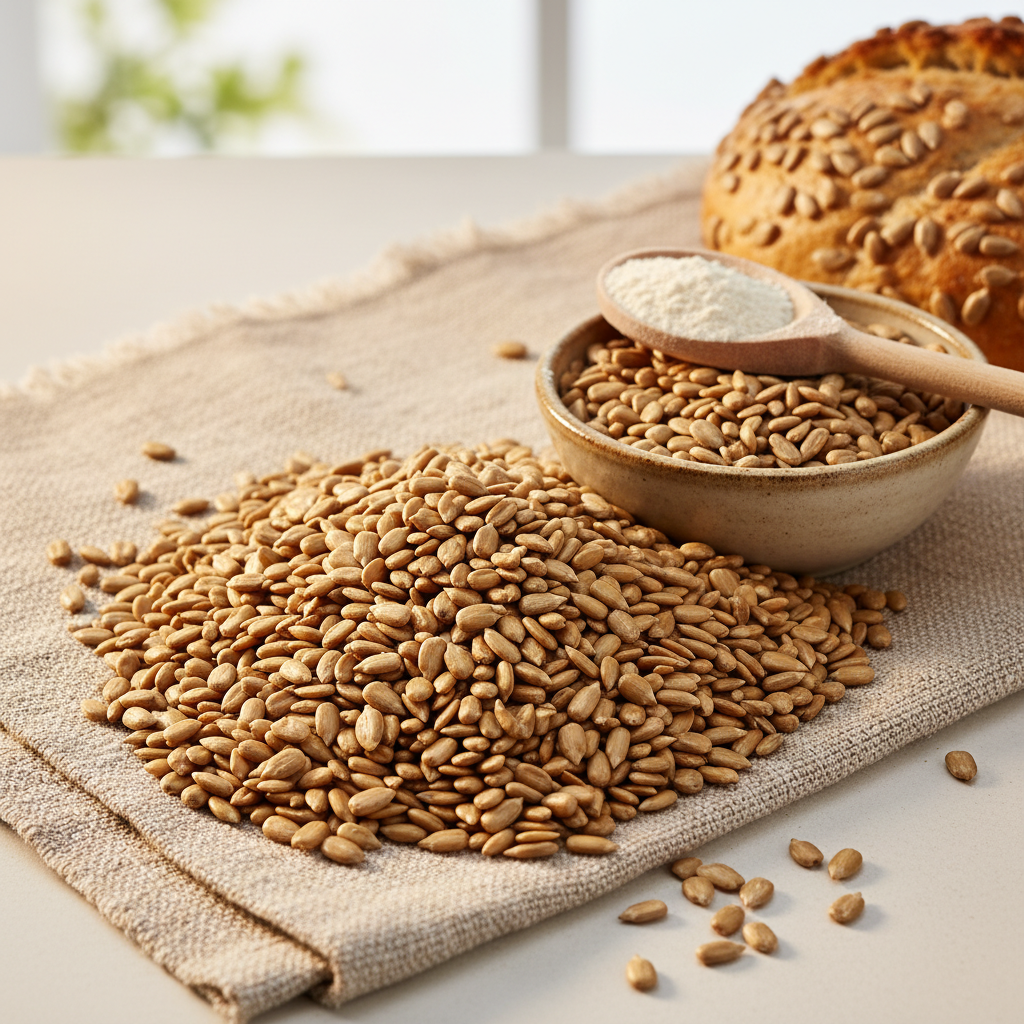
Sunflower seed kernels for baking are remarkably versatile. They can be added directly to doughs and batters for breads, muffins, scones, and cookies, providing a subtle nutty flavor and a pleasant textural contrast. Toasted kernels offer a more intense flavor and enhanced crunch. They also serve as a fantastic topping for breads and pastries, creating an attractive visual appeal.

Beyond direct incorporation, sunflower seed kernels can be ground into a flour, offering a gluten-free alternative for bakers catering to dietary restrictions. Sunflower seed flour imparts a slightly nutty flavor and a moist texture, but may require adjustments to liquid ratios in recipes.

Sunflower Seed Kernel Usage in Different Baking Applications


Global Usage and Industry Benefits

Sunflower seed kernels for baking see significant use in Europe, particularly in countries with strong bread-baking traditions like Germany and Poland. North America also represents a substantial market, driven by the demand for health-conscious baked goods. Emerging markets in Asia, notably China and India, are experiencing increasing adoption as awareness of the nutritional benefits grows.

The baking industry benefits from using sunflower seed kernels by offering consumers appealing and healthy product options. Food manufacturers can leverage the "healthy halo" associated with sunflower seeds to market their products more effectively. Furthermore, the availability of sunflower seed flour provides a solution for bakers seeking gluten-free alternatives.

Advantages and Long-Term Value

Utilizing sunflower seed kernels for baking offers several tangible benefits. From a cost perspective, they are often more affordable than other nuts and seeds, making them an attractive option for manufacturers. Sustainability is another advantage, as sunflower cultivation generally requires less water and pesticides compared to other crops. The nutritional profile – rich in Vitamin E and healthy fats – provides significant health benefits to consumers.

Long-term value extends beyond these practical advantages. The growing demand for plant-based and gluten-free options positions sunflower seed kernels as a key ingredient for future innovation in the baking industry. They enhance product appeal, offering a sense of trust and quality to discerning consumers.

Future Trends and Innovations

Future trends point toward increased development of sunflower seed flour varieties with improved functionality and flavor profiles. Advances in processing techniques could lead to more efficient kernel extraction and enhanced shelf life. Sustainability initiatives are driving research into more eco-friendly farming practices.

The rise of precision fermentation and cellular agriculture might eventually offer alternative sources of sunflower seed proteins and oils, potentially impacting the long-term supply chain. Digital transformation within the food industry will also enable greater traceability and quality control throughout the sunflower seed kernel supply chain.

The increasing demand for plant-based proteins and functional foods will likely drive innovation in sunflower seed kernel applications, exploring their potential as a protein source for specialized bakery products.

FAQS

What is the best way to store sunflower seed kernels for baking to maintain freshness?

To ensure optimal freshness, store sunflower seed kernels for baking in an airtight container in a cool, dark, and dry place. Exposure to air, light, and moisture can cause them to become rancid. Properly stored, they can maintain their quality for up to six months. Consider refrigeration or freezing for extended storage, but be sure the container remains airtight to prevent moisture absorption.

Can sunflower seed kernels be used as a direct substitute for nuts in baking recipes?

While sunflower seed kernels can be used in place of nuts, it's not always a direct 1:1 substitution. They have a different texture and flavor profile. They won't provide the same structural support as some nuts. You may need to adjust liquid levels or add a binding agent like flaxseed meal. Consider the specific recipe and desired outcome when making substitutions.

Are there any allergy concerns associated with sunflower seed kernels?

While sunflower seed allergies are less common than nut allergies, they do exist. Individuals with known seed allergies should exercise caution and consult with a healthcare professional before consuming sunflower seed kernels. Symptoms can range from mild oral allergy syndrome to more severe reactions. Always check ingredient labels carefully.

How does toasting sunflower seed kernels affect their use in baking?

Toasting sunflower seed kernels enhances their nutty flavor and creates a more satisfying crunch. It’s a simple process that can significantly improve the overall taste and texture of your baked goods. However, toasted kernels may lose some of their moisture, so you may need to slightly adjust liquid levels in your recipe if using a large quantity.

What is the difference between hulled and in-shell sunflower seeds for baking?

For baking, you always want to use hulled sunflower seeds (kernels) – the seeds without the hard outer shell. In-shell seeds are not suitable for direct incorporation into recipes. Kernels provide a more pleasant texture and are easier to digest. The hull is removed during processing, leaving only the edible seed meat.

Can I use sunflower seed kernels in gluten-free baking?

Absolutely! Sunflower seed kernels and sunflower seed flour are excellent options for gluten-free baking. They provide a naturally gluten-free base for breads, muffins, and other baked goods. Sunflower seed flour, in particular, can be used as a substitute for wheat flour, though it may require adjustments to liquid ratios and the addition of binding agents like xanthan gum.

Conclusion

Sunflower seed kernels for baking offer a compelling combination of nutritional value, versatility, and cost-effectiveness, making them an increasingly popular ingredient for both home bakers and commercial food producers. Their adaptability to various recipes, coupled with their growing appeal to health-conscious consumers, positions them as a key component in the future of baking. Understanding their characteristics and applications unlocks a world of culinary possibilities.

As the demand for plant-based and gluten-free options continues to rise, exploring innovative uses for sunflower seed kernels – from flour development to novel ingredient combinations – will be crucial. Prioritizing sustainable sourcing practices and quality control will further enhance the long-term value and reliability of this exceptional ingredient. For high-quality sunflower seed kernels for baking, visit our website today!


Christopher Wilson

Christopher Wilson

Christopher Wilson is the Logistics and Supply Chain Manager at Xuanhang Trading Co., Ltd. He ensures the smooth and efficient flow of goods from raw material sourcing to final product distribution. With expertise in supply chain optimization and inventory management, Christopher plays a vital role in maintaining our competitive pricing
Previous Comprehensive Guide to Sunflower Seeds for Sale Bulk and Global Market Trends
Next Sunflower Kernels Good For You A Comprehensive Guide To Benefits And Production