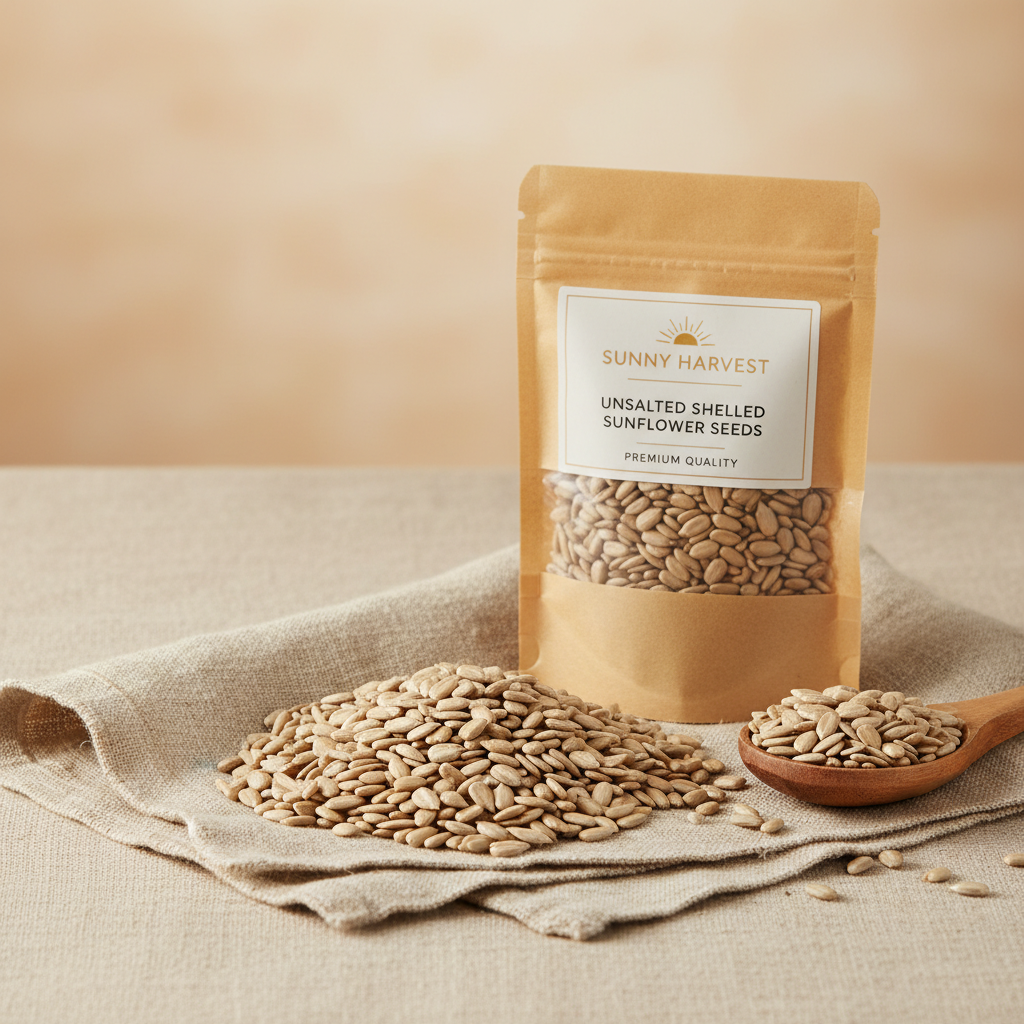
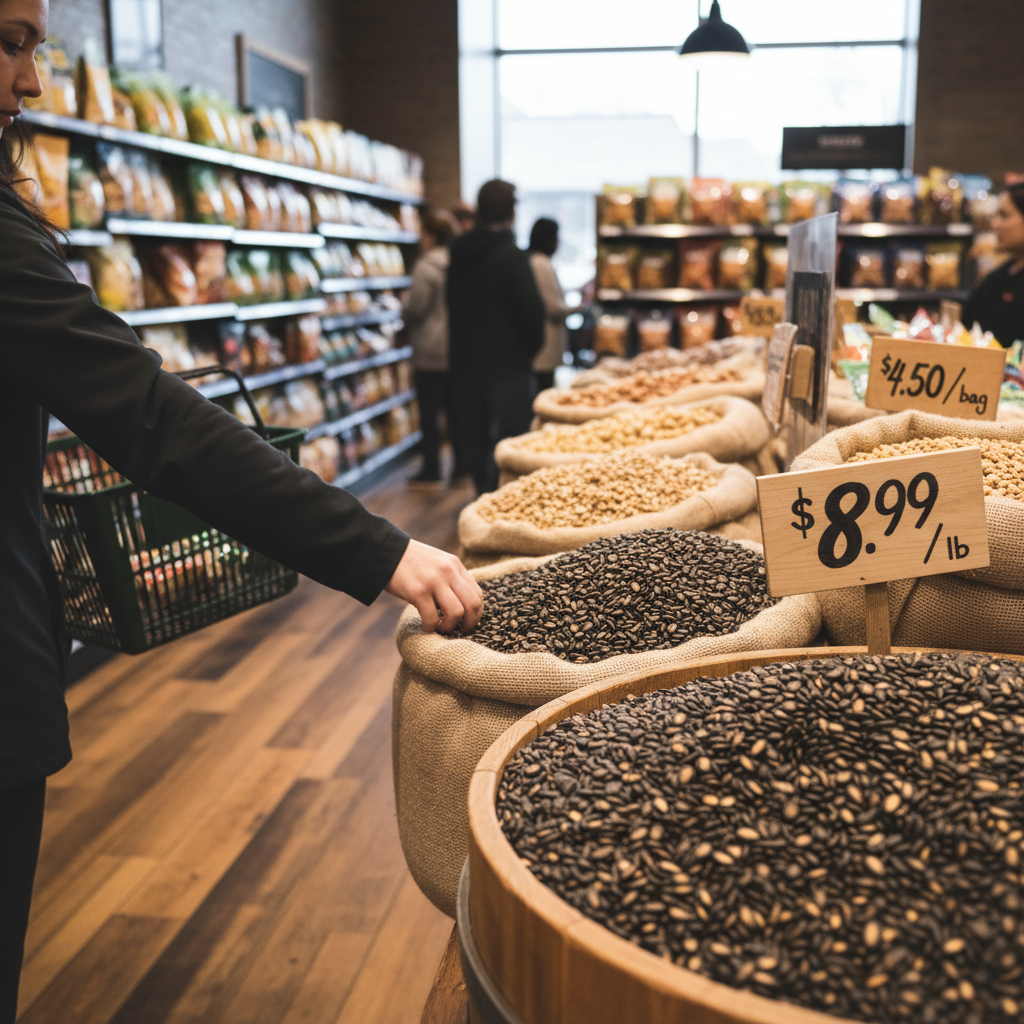
Unsalted shelled sunflower seeds are a globally enjoyed snack and ingredient, increasingly recognized for their nutritional benefits and versatility. From a simple on-the-go snack to a valuable component in various food products, their popularity stems from their rich vitamin E content, healthy fats, and plant-based protein. Understanding the production, benefits, and diverse applications of unsalted shelled sunflower seeds is increasingly crucial in a world focused on health, sustainability, and efficient food systems.
The global market for sunflower seeds, including the unsalted shelled variety, has seen consistent growth driven by rising health consciousness among consumers and a demand for convenient, nutritious snack options. According to data from the FAO (Food and Agriculture Organization of the United Nations), sunflower seed production has steadily increased over the past decade, reflecting a growing global interest. This growth is particularly noticeable in regions with suitable climates for sunflower cultivation, such as Eastern Europe, Russia, and North America.
Unsalted shelled sunflower seeds address the challenge of providing a healthy and convenient snack alternative, free from added salt, which is often a concern for health-conscious individuals. The increasing demand for plant-based proteins and healthy fats further fuels the growth of this market, making unsalted shelled sunflower seeds an essential element in modern dietary trends and food security initiatives.
Introduction to unsalted shelled sunflower seeds
Unsalted shelled sunflower seeds represent a versatile and increasingly popular food source appreciated worldwide. Their appeal lies in their inherent nutritional value and the convenience they offer as a healthy snack. The process of shelling removes the outer husk, making the kernel readily consumable and enhancing its accessibility for a broad range of consumers.
From being a traditional snack enjoyed in many cultures to becoming a key ingredient in granola, trail mixes, and even baked goods, unsalted shelled sunflower seeds have cemented their place in the global food landscape. Their mild flavor profile allows them to blend seamlessly into diverse culinary applications, contributing both texture and nutritional benefits.
Defining unsalted shelled sunflower seeds
Unsalted shelled sunflower seeds are the edible kernels derived from the sunflower plant (Helianthus annuus), after the protective outer shell has been removed. Crucially, they contain no added salt during processing, distinguishing them from salted varieties. This makes them a preferred choice for individuals monitoring their sodium intake or seeking a natural, unadulterated snack.
Their connection to modern industry is strong, driving demand for efficient processing and quality control measures. Sunflower seed oil, a byproduct of kernel extraction, also finds extensive use in the food industry and biofuel production. This integrated approach highlights the sustainability and economic importance of the sunflower plant.
In the context of humanitarian needs, unsalted shelled sunflower seeds provide a concentrated source of energy, protein, and essential fatty acids. They are relatively shelf-stable and easily transportable, making them valuable in emergency food aid and nutritional support programs.
Nutritional Profile and Composition
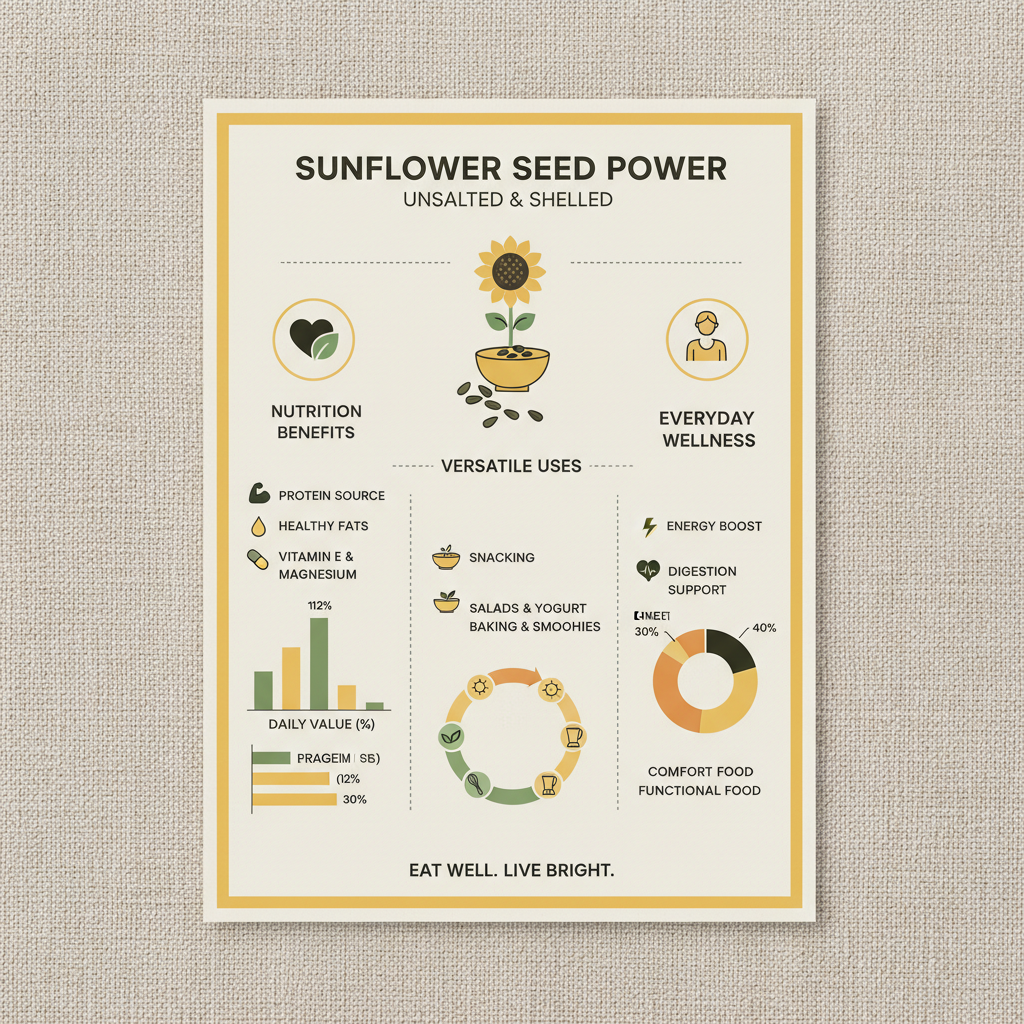
Unsalted shelled sunflower seeds are nutritional powerhouses, boasting a rich profile of vitamins, minerals, and healthy fats. They are particularly notable for their high content of Vitamin E, a potent antioxidant that protects cells from damage. They also provide a significant amount of magnesium, selenium, and linoleic acid, essential for various bodily functions.
The composition of unsalted shelled sunflower seeds typically includes approximately 68% fat, 20% protein, and 10% carbohydrates. The fat content consists primarily of unsaturated fats, contributing to cardiovascular health. The protein content makes them a valuable addition to vegetarian and vegan diets, providing essential amino acids.
Furthermore, they contain fiber, which aids in digestion and promotes a feeling of fullness. This combination of nutrients makes unsalted shelled sunflower seeds an excellent choice for individuals seeking to improve their overall health and well-being.
Key Factors: Production and Quality Control
Production of high-quality unsalted shelled sunflower seeds hinges on several critical factors. The selection of superior sunflower varieties optimized for kernel size and oil content is paramount. Implementing efficient harvesting and drying techniques minimizes moisture and prevents mold growth, crucial for maintaining product integrity.
Quality control begins in the field and continues through processing. Rigorous cleaning, shelling, and grading procedures remove impurities and ensure uniformity. Maintaining strict hygiene standards throughout the process is essential to prevent contamination and meet food safety regulations.
Quality Control Metrics for unsalted shelled sunflower seeds
Global Applications and Consumption Patterns
Unsalted shelled sunflower seeds find diverse applications across the globe. In North America and Europe, they are commonly consumed as a snack, added to salads, or incorporated into baked goods. Their growing popularity as a plant-based protein source fuels demand in health food stores and supermarkets.
In Eastern European countries, particularly Russia and Ukraine, sunflower seeds have a long-standing cultural tradition as a snack, often enjoyed roasted and seasoned. They are also a significant ingredient in traditional cuisine. Increasingly, these regions are also exporting unsalted shelled seeds to meet international demand.
Benefits and Long-Term Value Proposition
The benefits of incorporating unsalted shelled sunflower seeds into the diet extend beyond simple nutrition. They contribute to heart health due to their unsaturated fat content and can help reduce inflammation thanks to their Vitamin E levels. They are also a readily available and affordable source of plant-based protein.
From a long-term perspective, the sustainability of sunflower cultivation and the relatively low environmental impact compared to other protein sources add to their value. Their versatility as an ingredient also promotes innovation in the food industry, creating new product possibilities and catering to evolving consumer preferences.
Future Trends and Sustainable Practices
Future trends point towards increasing demand for sustainably sourced and organically grown unsalted shelled sunflower seeds. Innovations in agricultural technology, such as precision farming and drought-resistant varieties, will enhance production efficiency and minimize environmental impact.
The development of novel processing techniques to improve kernel yield and reduce waste is also a key area of focus. Furthermore, exploring new applications, such as incorporating sunflower seed protein into plant-based meat alternatives, will further expand their market potential.
Traceability and transparency throughout the supply chain are becoming increasingly important, allowing consumers to make informed choices and support ethical and sustainable practices.
Analysis of Sustainability and Production Efficiency
| Sustainability Metric |
Production Efficiency |
Environmental Impact |
Economic Viability |
| Water Usage (liters/kg of seeds) |
Kernel Yield (kg/hectare) |
Carbon Footprint (kg CO2e/kg of seeds) |
Production Cost ($/kg of seeds) |
| Pesticide Usage (kg/hectare) |
Harvesting Time (days) |
Land Use Efficiency (seeds/hectare) |
Market Price ($/kg of seeds) |
| Soil Health Improvement (rating 1-10) |
Processing Waste (percentage) |
Biodiversity Impact (rating 1-10) |
Profit Margin (percentage) |
| Fertilizer Usage (kg/hectare) |
Energy Consumption (kWh/kg of seeds) |
Water Pollution Potential (rating 1-10) |
Return on Investment (years) |
| Renewable Energy Integration (percentage) |
Automation Level (rating 1-10) |
Air Pollution Potential (rating 1-10) |
Labor Costs (percentage of total cost) |
| Waste Management Practices (rating 1-10) |
Supply Chain Efficiency (rating 1-10) |
Soil Erosion Risk (rating 1-10) |
Government Subsidies (percentage of revenue) |
FAQS
Unsalted shelled sunflower seeds are packed with Vitamin E, a powerful antioxidant, and magnesium, essential for nerve and muscle function. They also provide healthy fats, protein, and fiber, contributing to heart health, improved digestion, and sustained energy levels. Their salt-free nature is ideal for those monitoring sodium intake, making them a nutritious and heart-healthy snack option.
To maintain freshness, store unsalted shelled sunflower seeds in an airtight container in a cool, dark, and dry place. Exposure to air, light, and moisture can cause them to become rancid. Properly stored, they can last for several months. Refrigeration or freezing can further extend their shelf life, but is not essential.
While sunflower seeds are not technically nuts, cross-contamination can occur during processing. Individuals with severe nut allergies should check the packaging carefully for allergen warnings or contact the manufacturer to ensure the product is processed in a nut-free facility. It is always best to err on the side of caution.
Absolutely! Unsalted shelled sunflower seeds add a pleasant texture and subtle nutty flavor to baked goods like bread, muffins, and cookies. They can be used as a topping, mixed into the dough, or even ground into a flour for gluten-free baking. Adjust liquid levels slightly as seeds absorb moisture.
Raw unsalted shelled sunflower seeds haven't been heated, preserving all their nutrients in their natural state. Roasting enhances the flavor and crispness but can slightly reduce certain heat-sensitive vitamins. Both are nutritious, but raw seeds offer the maximum vitamin content, while roasted provide a more pronounced taste.
Sunflower seeds require relatively little water and fertilizer compared to many other crops, making them a more sustainable protein source. They also have a lower carbon footprint than animal-based proteins. Choosing sustainably sourced sunflower seeds supports responsible farming practices and reduces environmental impact.
Conclusion
In conclusion, unsalted shelled sunflower seeds are more than just a convenient snack; they represent a powerful combination of nutrition, sustainability, and versatility. Their rich nutritional profile, coupled with their adaptability to various culinary applications and environmentally conscious production potential, positions them as a valuable component of a healthy and sustainable lifestyle. They address growing consumer demands for plant-based proteins and healthy fats, while offering a readily accessible and affordable food source.
Looking ahead, continued innovation in sustainable farming practices and processing technologies will further enhance the value of unsalted shelled sunflower seeds. Encouraging research into new applications and promoting consumer awareness of their health benefits will be crucial for unlocking their full potential. For more information and to explore our range of high-quality unsalted shelled sunflower seeds, visit our website: unsalted shelled sunflower seeds.