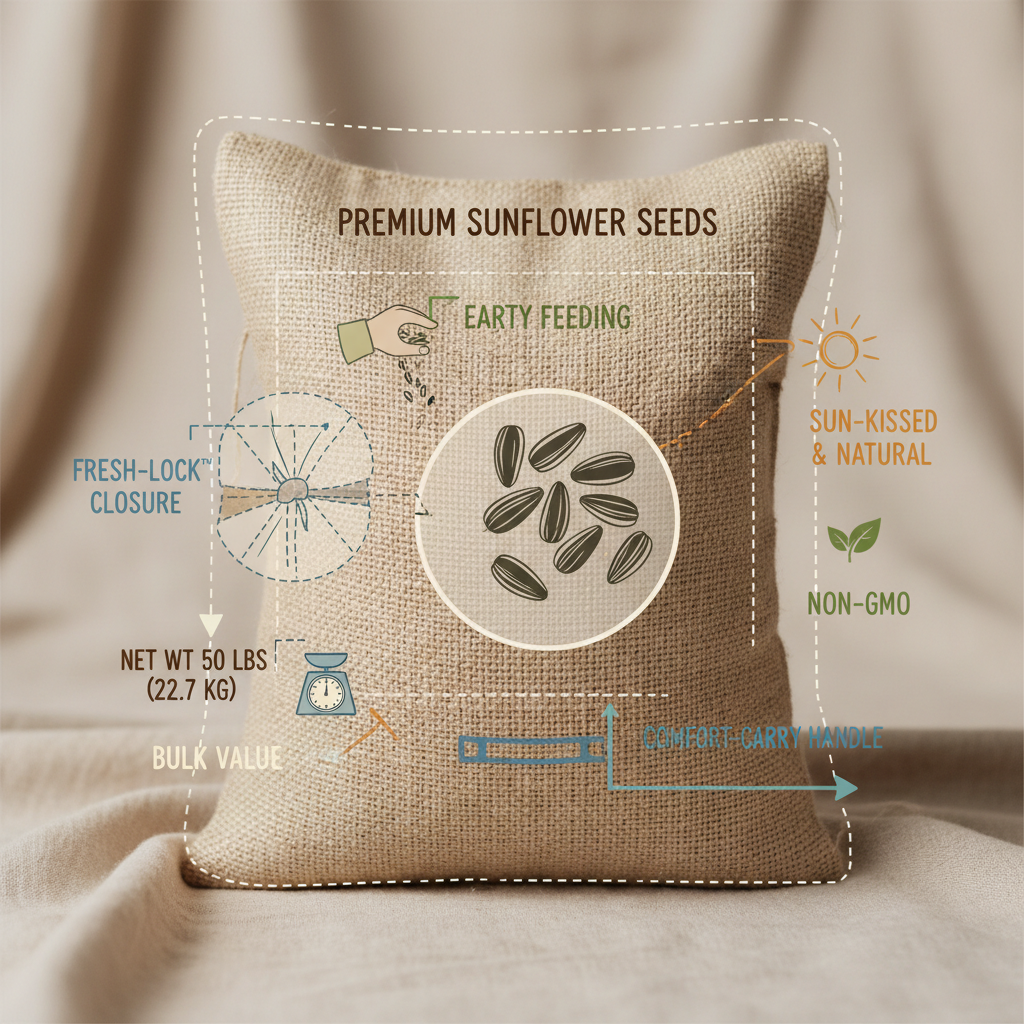
In the evolving landscape of global nutrition, unsalted sunflower seeds have emerged as a cornerstone for health-conscious consumers seeking nutrient-dense, plant-based snacks. As dietary guidelines increasingly shift toward reducing sodium intake to combat hypertension and cardiovascular diseases, the demand for pure, unprocessed seeds has surged across both retail and industrial food sectors.
Beyond their simple appeal as a snack, these seeds represent a sophisticated intersection of agricultural efficiency and dietary wellness. By removing the added salt often found in commercial roasted nuts, the natural profile of the seed—rich in vitamin E, magnesium, and healthy unsaturated fats—is preserved, making them an ideal ingredient for a wide variety of dietary regimens, including ketogenic and vegan diets.
Understanding the production, benefits, and versatile applications of unsalted sunflower seeds is essential for wholesalers, food manufacturers, and health enthusiasts alike. From enhancing the texture of artisanal breads to providing a low-sodium energy boost for athletes, these seeds offer a sustainable and scalable solution to the modern quest for "clean label" food products.
Global Market Relevance of Unsalted Sunflower Seeds
The global appetite for unsalted sunflower seeds is driven by a systemic shift in consumer behavior toward "preventative nutrition." According to trends observed in international trade data and health organization reports, there is a marked increase in the consumption of raw and dry-roasted seeds in North America, Europe, and East Asia. This trend is largely a response to the rising prevalence of sodium-related health issues, where consumers are actively seeking alternatives to traditional salted snacks to manage blood pressure and overall heart health.
From a supply chain perspective, sunflower cultivation has become a strategic agricultural asset. The ability to produce high-yield, high-quality seeds that meet ISO food safety standards allows producers to penetrate high-end organic markets. The challenge lies in maintaining the freshness and preventing the oxidation of natural oils without the preservative effect of heavy salting, necessitating advanced vacuum packaging and climate-controlled logistics.
Defining Quality in Unsalted Sunflower Seeds
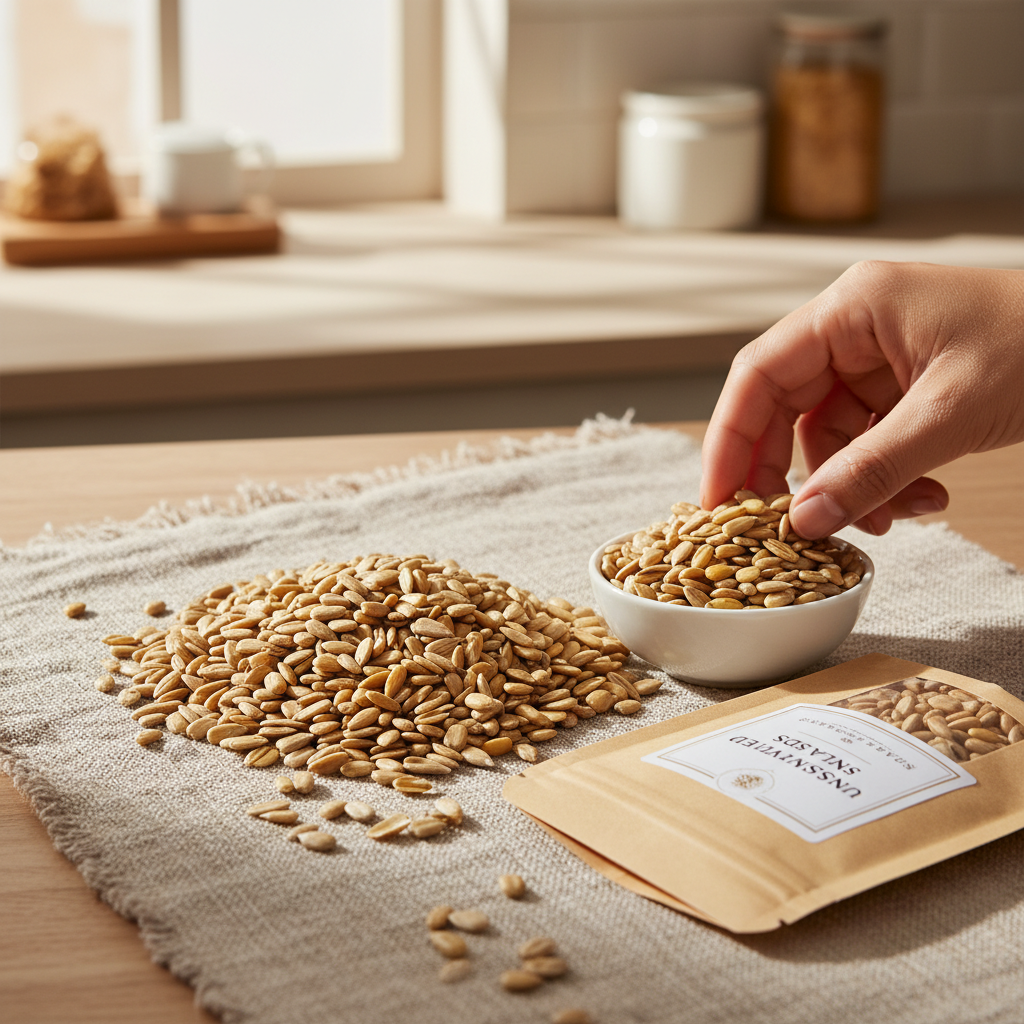
At its core, unsalted sunflower seeds are the kernels of the Helianthus annuus plant, processed to remove the outer shell (in the case of kernels) or kept in the shell, but crucially devoid of added sodium chloride during the roasting or curing process. Unlike their salted counterparts, which rely on salt for flavor enhancement and moisture control, unsalted varieties rely entirely on the purity of the raw material and the precision of the roasting temperature to develop their characteristic nutty aroma.
In the context of modern food manufacturing, these seeds are more than just a snack; they are a functional food ingredient. The industry defines "quality" not just by taste, but by the stability of the fatty acid profile and the absence of contaminants. This is particularly vital for humanitarian food programs and medical-grade diets where strict nutritional parameters must be met to ensure patient safety and recovery.
The connection to modern industry is evident in the "Clean Label" movement. Manufacturers are increasingly stripping away artificial additives and salts to appeal to a demographic that reads ingredient lists with scrutiny. By focusing on unsalted sunflower seeds, brands can position their products as honest, transparent, and health-oriented, bridging the gap between industrial production and natural wellness.
Core Nutritional Components and Health Drivers
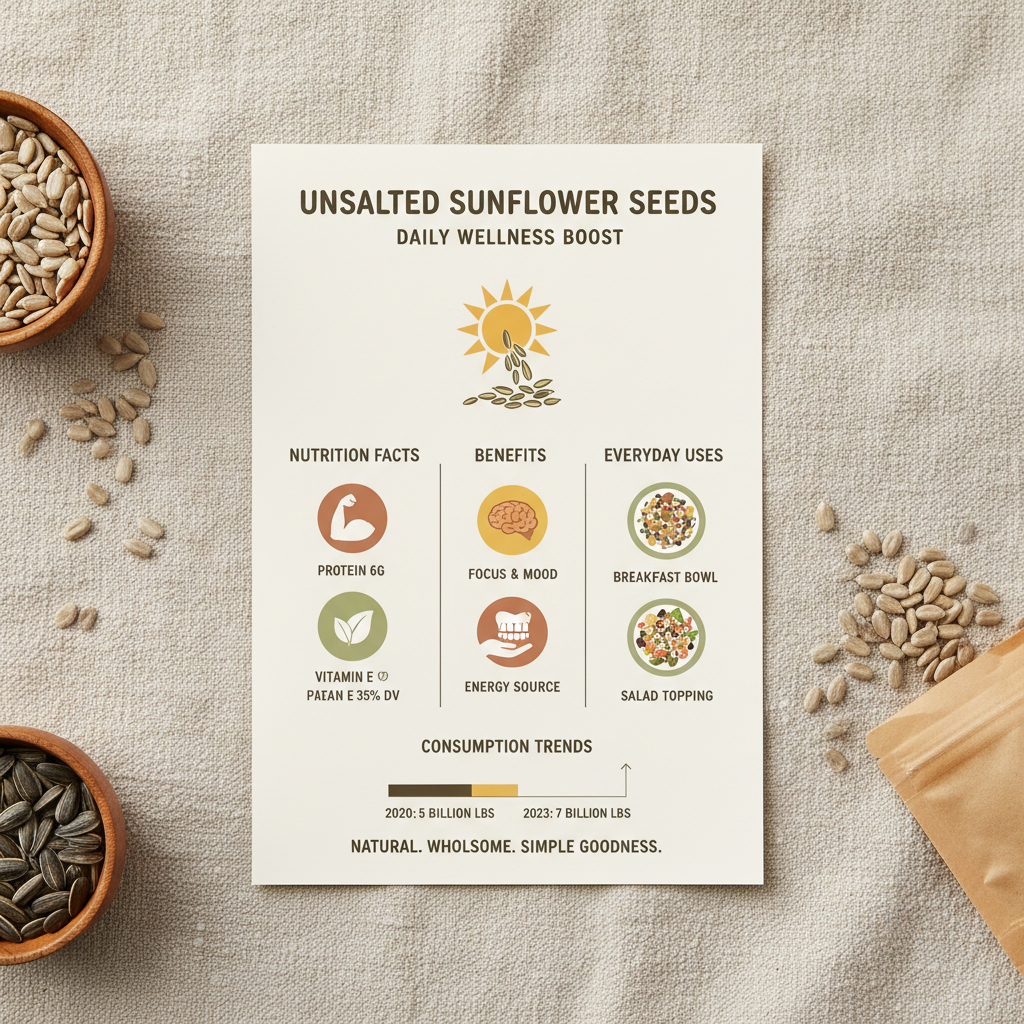
The primary driver behind the popularity of unsalted sunflower seeds is their exceptional concentration of Vitamin E, a powerful antioxidant that protects cell membranes from oxidative stress. This makes the seeds a natural choice for skin health and immune support, providing a biological advantage over processed snacks that lose these nutrients during high-heat, salt-heavy processing.
Furthermore, the presence of magnesium and selenium in unsalted sunflower seeds plays a critical role in metabolic function and thyroid health. By avoiding added salt, the body can more efficiently absorb these minerals without the antagonistic effects of excessive sodium, which often leads to water retention and increased cardiovascular strain.
Lastly, the high content of polyunsaturated and monounsaturated fats—specifically omega-6 fatty acids—contributes to the maintenance of healthy cholesterol levels. When integrated into a balanced diet, these seeds serve as a sustainable energy source, providing satiety and stabilizing blood sugar levels, which is essential for those managing diabetes or obesity.
Industrial Processing and Scalability Factors
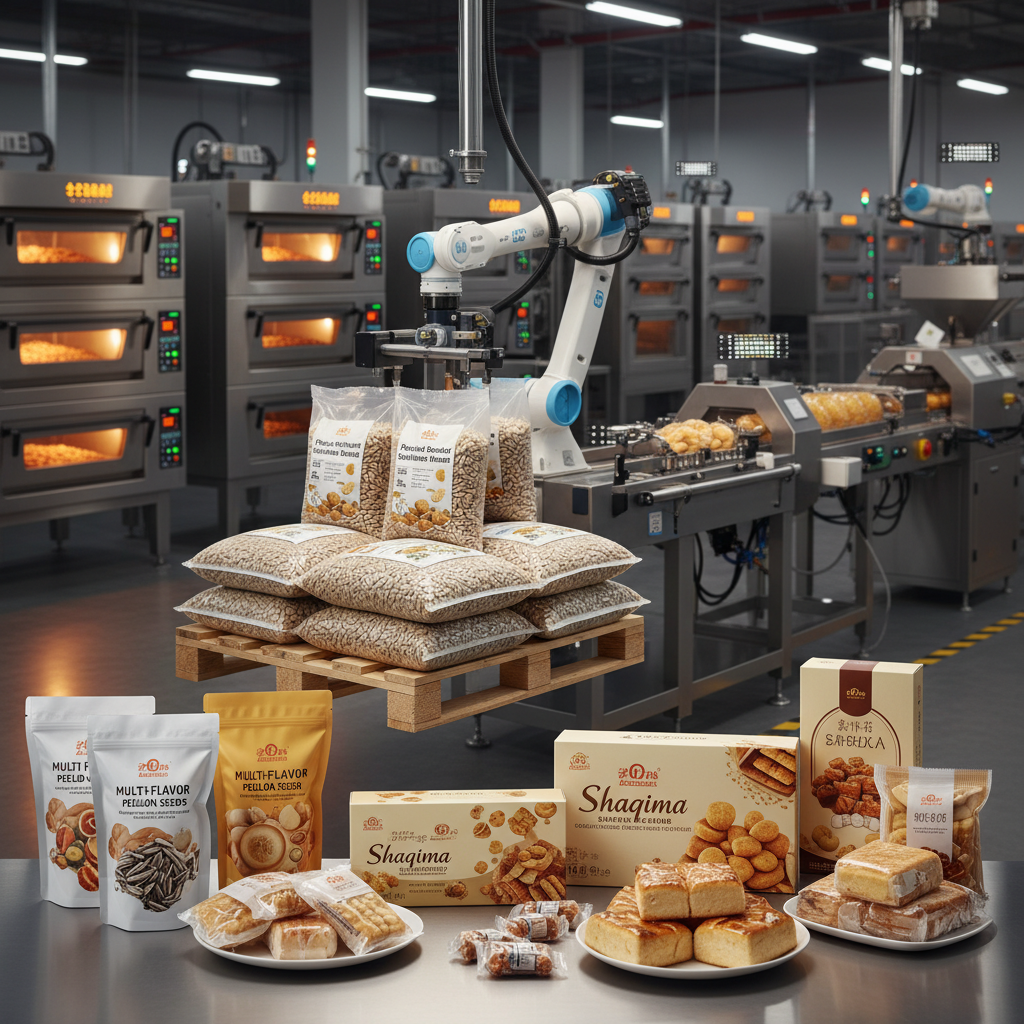
Scaling the production of unsalted sunflower seeds requires a delicate balance between throughput and quality retention. The most critical factor is the roasting process; without salt to act as a heat conductor and flavor mask, any over-roasting becomes immediately apparent as a bitter taste. Precision-controlled conveyor ovens and fluid-bed roasters are now the industry standard to ensure uniform heat distribution across massive batches.
Another key aspect is the sorting and grading process. To maintain a premium commercial grade, optical sorters are used to remove discolored seeds or foreign materials, ensuring that the final product is visually consistent and free of defects. This level of automation allows producers to move from small-batch artisanal roasting to industrial-scale supply without sacrificing the organic integrity of the seed.
Comparison of Processing Methods for Unsalted Sunflower Seeds
Global Applications and Diverse Use Cases
The versatility of unsalted sunflower seeds allows them to traverse multiple industries. In the bakery sector, they are widely used as a topping for multi-grain breads and crackers, providing a crunch and a nutty flavor that appeals to health-conscious consumers. In the confectionery industry, they are increasingly replacing more expensive nuts like almonds or walnuts in vegan protein bars and granola, offering a cost-effective yet nutritionally comparable alternative.
Beyond commercial food, these seeds play a vital role in specialized nutrition. For instance, in post-disaster relief operations or remote industrial zones, high-calorie, low-sodium foods are essential for maintaining worker health without inducing edema or hypertension. unsalted sunflower seeds provide a shelf-stable, calorie-dense option that can be easily transported and consumed without preparation, making them a strategic asset for NGOs and emergency response teams.
Long-Term Value and Sustainability Benefits
Investing in the production and consumption of unsalted sunflower seeds yields significant long-term sustainability dividends. Sunflowers are known for their ability to thrive in diverse soil conditions and their capacity for phytoremediation—the ability to clean soil of certain contaminants. This makes sunflower farming a more ecologically sustainable choice compared to the intensive water and pesticide requirements of other nut crops.
From a social impact perspective, the shift toward unsalted products fosters a culture of wellness and trust. When a brand commits to providing pure, additive-free seeds, it builds a relationship of transparency with the consumer. This "trust equity" is invaluable in an era where food safety scandals are common, and consumers are willing to pay a premium for products that guarantee the absence of hidden salts and chemical preservatives.
Economically, the scalability of sunflower crops ensures a reliable price point for manufacturers. Unlike specialty nuts that are prone to extreme price volatility due to localized crop failures, sunflower seeds are grown globally, providing a diversified supply chain that protects against regional shocks and ensures a steady flow of raw materials for the leisure snack industry.
Future Innovations in Seed Processing Technology
The future of unsalted sunflower seeds lies in the integration of "Smart Processing." We are seeing the rise of AI-driven roasting profiles that adjust temperature in real-time based on the moisture content of each seed batch, ensuring a perfect roast every time. Furthermore, the adoption of green energy in processing plants, such as solar-powered drying sheds, is reducing the carbon footprint of seed production, aligning the product with global ESG (Environmental, Social, and Governance) goals.
Digital transformation is also hitting the packaging stage. Modified Atmosphere Packaging (MAP) and biodegradable films are being developed to extend the shelf life of unsalted seeds without the need for artificial preservatives. This allows the product to travel longer distances—from farms in Eastern Europe or Asia to dinner tables in North America—while maintaining the "fresh-from-the-field" quality that consumers demand.
Moreover, we anticipate a surge in "functionalized" unsalted seeds, where natural, salt-free coatings (such as nutritional yeast or organic spice blends) are applied using electrostatic powder coating technology. This allows for flavor innovation while remaining strictly low-sodium, expanding the market reach of unsalted sunflower seeds into the gourmet snack category.
Analysis of Future Processing Trends for Unsalted Sunflower Seeds
| Technology Dimension |
Current Method |
Future Innovation |
Impact Score (1-10) |
| Thermal Control |
Fixed-temp roasting |
AI-Adaptive Roasting |
9 |
| Packaging |
Standard Plastic Poly-bags |
Compostable MAP Films |
8 |
| Sorting |
Manual/Basic Optical |
Hyperspectral Imaging |
7 |
| Energy Source |
Grid-based Electricity |
Integrated Solar-Thermal |
9 |
| Flavoring |
Tumble Coating |
Electrostatic Spraying |
6 |
| Logistics |
Standard Cold Chain |
Blockchain Traceability |
8 |
FAQS
Yes, significantly. Unsalted sunflower seeds provide all the natural benefits of the seed—such as Vitamin E, magnesium, and healthy fats—without the risks associated with high sodium intake. Excessive salt can lead to water retention and increased blood pressure, whereas the unsalted variety supports cardiovascular health and is suitable for those on restricted-sodium diets.
Because they lack salt (which acts as a mild preservative), unsalted sunflower seeds are more susceptible to oxidation. It is best to store them in an airtight container in a cool, dark place. For long-term storage, keeping them in the refrigerator or freezer can prevent the natural oils from turning rancid, extending their shelf life by several months.
Absolutely. They are an excellent addition to breads, muffins, and cakes. Since they are unsalted, they allow the baker to have complete control over the sodium levels of the final recipe. They provide a pleasant nutty flavor and a satisfying crunch, and they are often used as a healthier alternative to almond slivers in vegan pastries.
Raw seeds retain the highest level of heat-sensitive nutrients and have a milder, creamier taste. Roasted unsalted seeds undergo a heating process that develops a deeper, nuttier flavor and a crispier texture. While roasting slightly reduces some vitamins, it makes the seeds more palatable for snacking and enhances the aroma.
Yes, they are highly compatible with ketogenic diets. They are low in net carbohydrates and high in healthy fats, which helps the body maintain ketosis. Their ability to provide satiety also helps keto practitioners manage hunger between meals, making them an ideal low-carb snack option.
The primary sign of spoilage is a rancid smell, often described as smelling like old paint or cardboard. This happens when the unsaturated fats oxidize. Visually, they may look normal, but if the taste is bitter or "off," they should be discarded. Proper airtight storage is the best way to prevent this.
Conclusion
In summary, unsalted sunflower seeds represent a perfect synergy of nutritional density and industrial versatility. By eliminating the reliance on sodium, these seeds unlock a wider range of health benefits, from cardiovascular support to immune enhancement, while providing a sustainable and scalable ingredient for the global food industry. From advanced AI-roasting technologies to eco-friendly packaging, the trajectory of this product is firmly pointed toward a healthier, more transparent future of snacking.
For businesses and consumers alike, the transition to unsalted options is more than a trend—it is a commitment to long-term wellness and ecological responsibility. As we look forward, the continued innovation in seed processing will only further enhance the accessibility and quality of these nutrient-rich kernels. We invite you to explore the highest standards of seed quality and wholesale opportunities by visiting our website: www.yuyangmelon.com