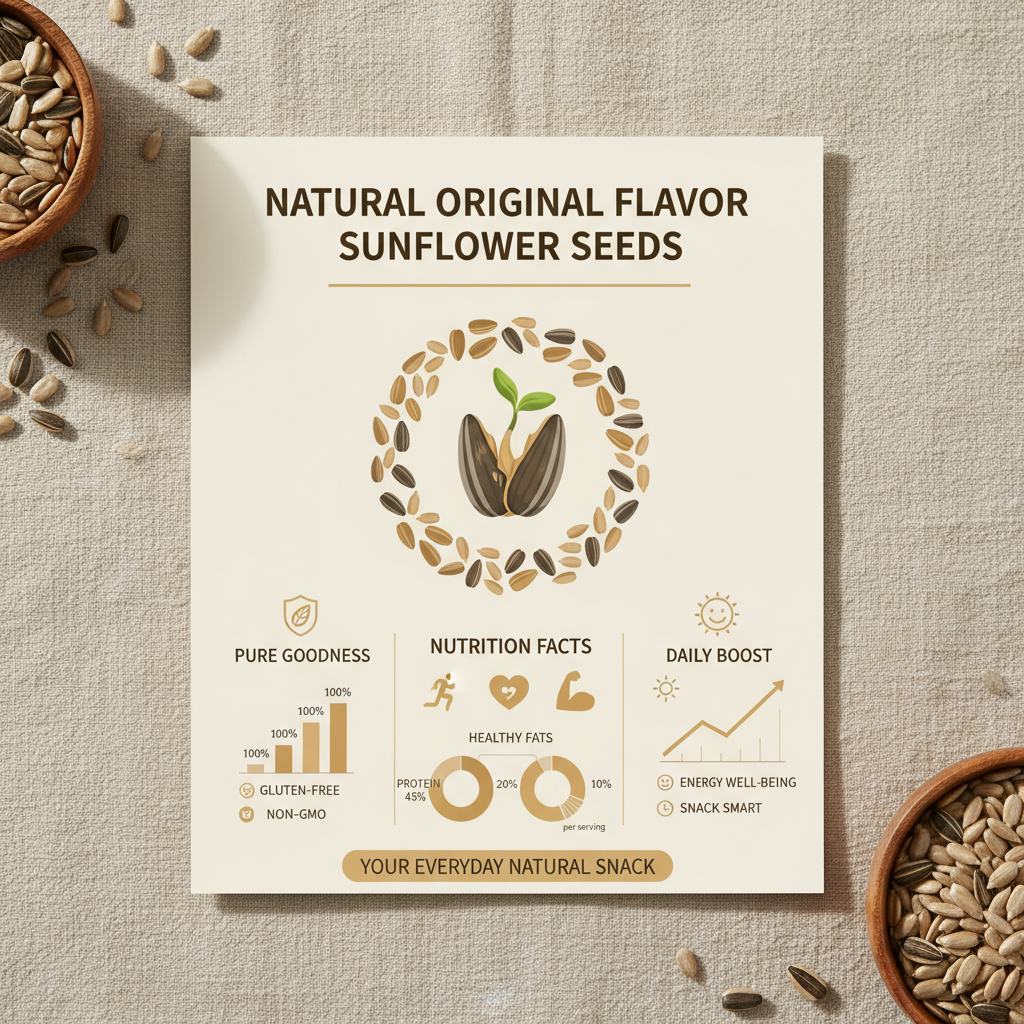
In the evolving landscape of the global snack industry, there is a profound shift toward clean-label eating and minimally processed ingredients. Among the most sought-after treasures of nature are natural original flavor sunflower seeds, which offer a pure, unadulterated taste and a dense concentration of nutrients. Unlike heavily salted or artificially flavored alternatives, these seeds provide a grounding experience that connects the modern consumer back to the raw essence of agricultural purity.
The global demand for high-quality, non-GMO snacks has propelled the production of original flavor seeds into the spotlight. As people increasingly prioritize heart-healthy fats and plant-based proteins, the versatility of these seeds—ranging from raw snacking to culinary enhancements—makes them a cornerstone of the healthy leisure snack category. Understanding the nuances of their processing, from harvest to packaging, is essential for ensuring that the delicate oils and natural aromas remain intact.
By focusing on natural original flavor sunflower seeds, food manufacturers and health-conscious consumers can bridge the gap between convenience and wellness. This guide explores the industry standards, nutritional profiles, and future innovations that define the gold standard of sunflower seed production, ensuring that every handful delivered to the consumer is a testament to nature's original design.
Global Market Context of Natural Original Flavor Sunflower Seeds
The global appetite for natural original flavor sunflower seeds has seen a steady incline, mirrored by the growth of the "whole food" movement. According to industry trends and agricultural data, the shift away from synthetic additives has forced manufacturers to refine their roasting and drying techniques. The challenge lies in maintaining a consistent flavor profile across different harvest cycles while adhering to strict international food safety standards like ISO 22000.
In markets across Europe, North America, and Asia, these seeds are no longer viewed as simple street snacks but as functional foods. The integration of sunflower seeds into diversified snack portfolios—alongside biscuits, bread, and other nuts—highlights their role in a balanced diet. As global supply chains evolve, the focus has shifted toward traceability, ensuring that the seeds are sourced from sustainable farms that prioritize soil health and biodiversity.
Defining Pure Natural Original Flavor Sunflower Seeds
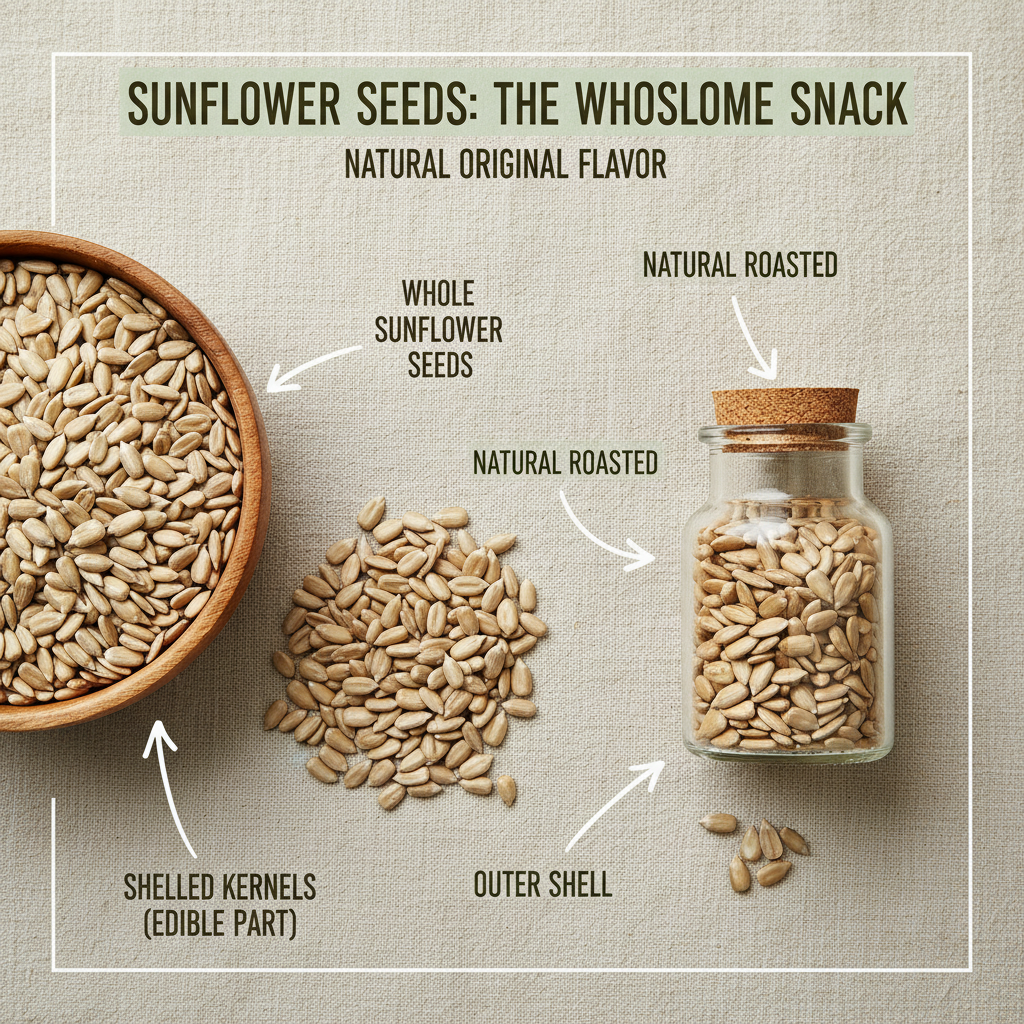
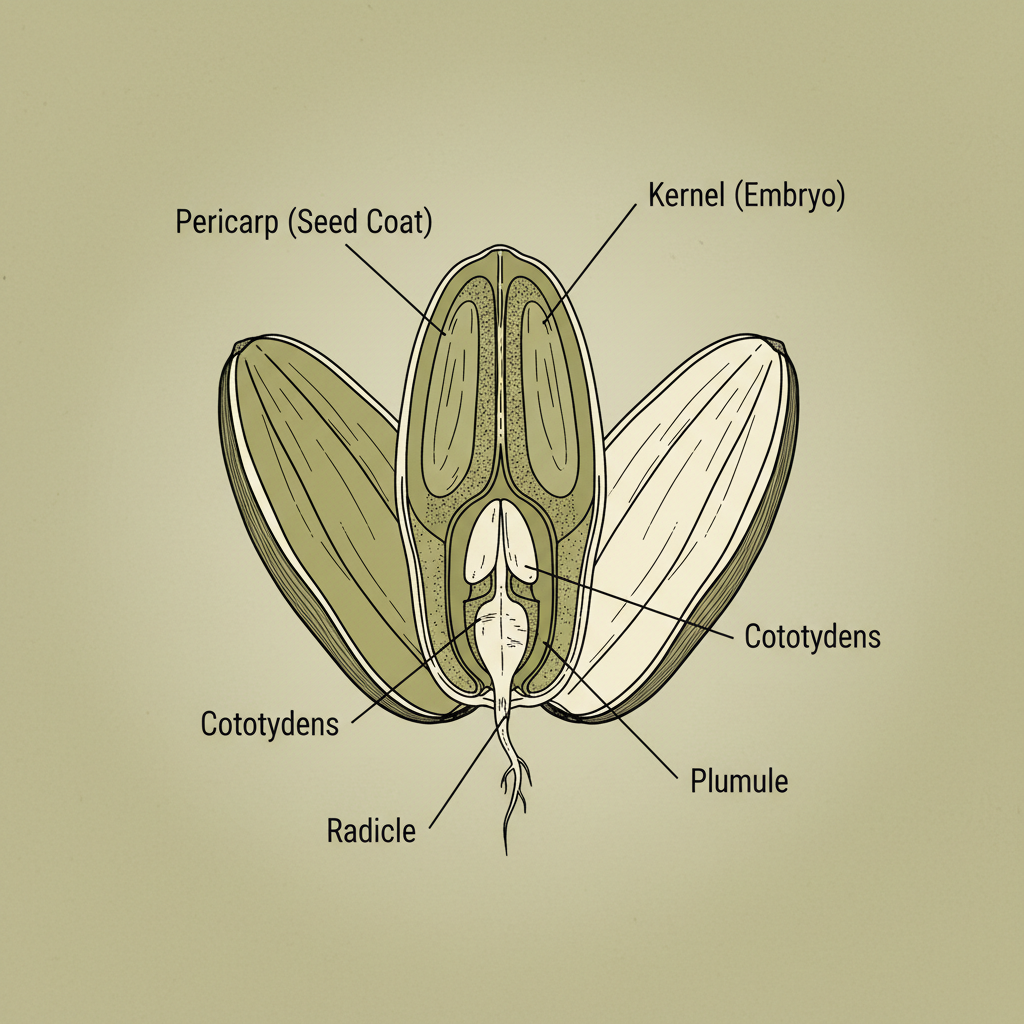
At its core, natural original flavor sunflower seeds refer to the kernels of the Helianthus annuus plant that have been processed without the addition of artificial flavorings, excessive sodium, or synthetic preservatives. The goal is to highlight the innate nutty, creamy, and slightly sweet profile that occurs naturally within the seed. This purity is what distinguishes them from "flavored" variants that rely on chemical enhancers to mask poor-quality raw materials.
In the context of modern food manufacturing, "natural original flavor" implies a commitment to a "less is more" philosophy. This means utilizing precision roasting temperatures to trigger the Maillard reaction naturally, which enhances the aromatic compounds without needing external additives. For the health-conscious consumer, this definition represents a promise of transparency and nutritional integrity.
Furthermore, these seeds address the growing humanitarian and dietary need for nutrient-dense, shelf-stable food sources. Whether used as a staple protein in vegan diets or as a heart-healthy snack for elderly populations, the original flavor variant remains the most versatile and widely accepted form due to its clean palate and high bioavailability of Vitamin E and magnesium.
Core Quality Factors for Premium Seeds
The superiority of natural original flavor sunflower seeds is determined by several critical factors, chief among them being the oil content and purity of the raw kernel. A high-quality seed must possess a consistent moisture level to prevent rancidity while maintaining a crisp texture that satisfies the consumer's sensory expectations.
Scalability in production is another core component. For a manufacturer to maintain the "original flavor" at a massive scale, they must employ advanced sorting technologies—such as optical color sorters—to remove defects, shriveled seeds, and foreign materials. This ensures that the batch consistency remains high, preventing any "off-notes" from compromising the natural taste of the natural original flavor sunflower seeds.
Finally, the packaging integrity plays a vital role in preserving the seed's longevity. Because original flavor seeds lack chemical preservatives, they are more susceptible to oxidation. Using nitrogen-flushed packaging or vacuum-sealed foils is essential to protect the unsaturated fats from air and light, thereby extending the shelf life without altering the natural chemical composition of the product.
Industrial Applications and Usage Scenarios
The application of natural original flavor sunflower seeds extends far beyond simple bag-snacking. In the bakery industry, they are integrated into artisanal breads and multi-grain biscuits to add a textural contrast and a layer of earthy flavor. Their neutral yet rich profile allows them to blend seamlessly with honey, dried fruits, or dark chocolate, making them a favorite in the production of gourmet energy bars and health-focused leisure snacks.
Beyond commercial food production, these seeds are increasingly used in specialized dietary regimens. For instance, in sports nutrition, the high magnesium and protein content of original flavor seeds provides a natural energy boost without the digestive heaviness associated with processed supplements. In various global regions, they are also utilized as a base for homemade nut butters, providing a cost-effective and allergen-friendly alternative to peanut butter.
Consumer Preference Rating for Various Processing Methods of Natural Original Flavor Sunflower Seeds
Long-Term Value and Sustainability Benefits
Investing in the production and consumption of natural original flavor sunflower seeds yields significant long-term value, particularly from a sustainability perspective. Sunflowers are known for their ability to perform phytoremediation—cleaning the soil of heavy metals—which means that sustainable sunflower farming actually improves the land for future crops. By avoiding synthetic flavorings and dyes, the manufacturing process also reduces chemical runoff into local water systems.
From a social and emotional angle, the purity of the original flavor builds a deep sense of trust between the brand and the consumer. In an era of "ultra-processed foods," providing a snack that is transparent in its ingredients offers a sense of safety and dignity. This reliability fosters brand loyalty, as consumers recognize that the product prioritizes their long-term health over short-term flavor intensity.
Future Innovations in Seed Processing
The future of natural original flavor sunflower seeds lies in the intersection of biotechnology and green energy. We are seeing the emergence of "smart roasting" systems that use AI-driven sensors to monitor the exact moisture and oil release of seeds in real-time. This ensures that every batch reaches the peak of its flavor profile without over-roasting, which can destroy heat-sensitive antioxidants.
Furthermore, the transition toward carbon-neutral manufacturing is gaining momentum. Many factories are now implementing solar-powered drying tunnels, aligning the energy source of the production with the very plant being processed. This circular approach not only reduces the carbon footprint but also enhances the "green" marketing appeal of the final product.
Digital transformation is also touching the supply chain through blockchain technology. Soon, consumers will be able to scan a QR code on a package of original flavor seeds to see the exact farm where they were grown, the date of harvest, and the quality test results. This level of transparency will redefine the industry standard for authenticity in leisure snacks.
Overcoming Challenges in Seed Preservation
One of the primary challenges in maintaining natural original flavor sunflower seeds is the inherent instability of polyunsaturated fats, which can lead to oxidation and a bitter taste. To overcome this, experts are exploring the use of natural antioxidants, such as rosemary extract or mixed tocopherols, which preserve the seeds without violating the "natural original flavor" promise.
Another limitation is the variability of raw material quality across different climates. To solve this, seed processors are implementing standardized "grading" systems that categorize seeds by kernel size and oil density before processing. This allows for the tailoring of roasting profiles to specific grades, ensuring that smaller seeds aren't burnt while larger ones remain undercooked.
Logistical hurdles, especially in humid tropical regions, often lead to mold growth. The industry is responding by adopting Modified Atmosphere Packaging (MAP), which replaces oxygen with an inert gas like nitrogen. This innovation effectively halts the oxidation process and prevents microbial growth, allowing these premium seeds to be exported globally without losing their signature crunch.
Analysis of Preservation and Quality Control for Natural Original Flavor Sunflower Seeds
| Preservation Method |
Effect on Flavor |
Shelf-Life Extension |
Cost Efficiency |
| Nitrogen Flushing |
Neutral / Preserved |
High (12+ Months) |
Moderate |
| Vacuum Sealing |
Strong / Concentrated |
Very High |
High Cost |
| Natural Tocopherols |
Slightly Enhanced |
Moderate |
Low Cost |
| Optical Sorting |
Consistent Purity |
N/A (Quality Control) |
High Investment |
| Low-Temp Drying |
Subtle / Delicate |
Moderate |
Moderate |
| Opaque Packaging |
Prevents Photo-Oxidation |
Moderate |
Low Cost |
FAQS
It refers to seeds that are processed without added salts, sugars, artificial flavorings, or chemical preservatives. The taste is derived entirely from the seed's own oils and the natural Maillard reaction during roasting, ensuring a clean, nutty profile that represents the pure essence of the sunflower.
Yes, significantly. By eliminating added sodium, they are much safer for individuals with hypertension or those monitoring their salt intake. Additionally, because they avoid artificial additives, they provide pure Vitamin E and heart-healthy fats without the inflammatory potential of processed seasoning blends.
Rancidity occurs when the natural oils oxidize. You can identify this by a sharp, "paint-like" or bitter smell and a slightly sour aftertaste. To prevent this, always store your natural original flavor sunflower seeds in a cool, dark place in an airtight container.
They are incredibly versatile. Because they lack strong salt or spice profiles, they are perfect for adding to multi-grain breads, sprinkling over salads, or incorporating into energy bars. Their natural flavor complements both sweet and savory recipes without overpowering other ingredients.
When packaged using nitrogen flushing or vacuum sealing, they can remain fresh for 12 to 18 months. Once opened, it is recommended to consume them within 2-3 months or store them in the refrigerator to slow down the oxidation of the natural oils.
Wholesale buyers should look for suppliers that provide ISO or HACCP certifications and offer transparency in their sourcing. Ensuring the supplier uses optical sorting and modified atmosphere packaging is key to receiving a product that maintains its natural flavor during international transit.
Conclusion
In summary, natural original flavor sunflower seeds represent the pinnacle of the "back-to-basics" movement in the food industry. By prioritizing purity, sustainable farming, and precision processing, manufacturers can deliver a product that is not only a delicious leisure snack but also a functional health food. From the critical role of nitrogen packaging in preserving delicate oils to the use of AI in roasting, every step in the production chain is designed to honor the seed's natural integrity.
Looking forward, the continued integration of green energy and blockchain traceability will likely make these seeds a benchmark for transparency in the snack sector. For consumers and businesses alike, choosing original flavor over artificial additives is an investment in long-term wellness and environmental stewardship. We invite you to experience the true taste of nature by exploring our premium selection. Visit our website: www.yuyangmelon.com