Melon seeds, a humble snack enjoyed for centuries, hold a surprisingly significant place in global food culture and agricultural economies. From traditional practices to modern processing techniques, the journey of the melon seed reflects broader trends in food production, consumer preferences, and international trade. Understanding the nuances of melon seed cultivation, processing, and consumption unlocks valuable insights into the complexities of the food industry and the growing demand for healthy, convenient snacking options.
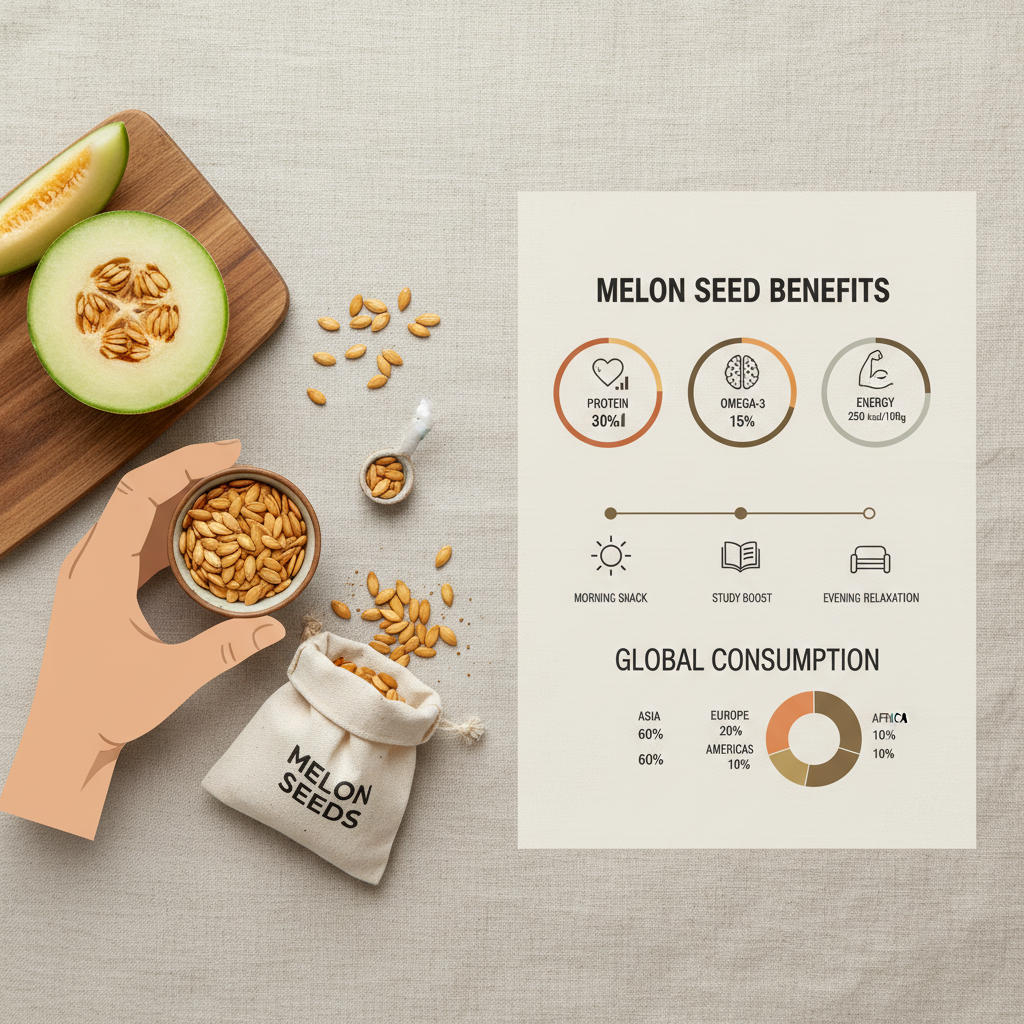
Globally, the demand for snack foods, including melon seeds, is steadily increasing, driven by changing lifestyles and a desire for convenient, portable nourishment. While specific production statistics for melon seeds alone are often integrated within broader nut and seed categories, the overall market for seeds is robust. The rise of flavored and packaged melon seed varieties caters to evolving consumer tastes and presents significant opportunities for manufacturers. This trend is particularly noticeable in Asia, where melon seeds have a long-standing cultural association and remain a popular everyday snack.
The importance of understanding melon seed extends beyond its culinary appeal. The process from field to package involves a complex supply chain, impacting farmers, processors, distributors, and retailers. Further, quality control and food safety are paramount, especially given increasing consumer awareness and stringent regulatory standards. A comprehensive understanding of the melon seed lifecycle—from cultivation to final consumption—is essential for businesses seeking success in this dynamic market.
The Global Significance of Melon Seeds
Melon seeds are deeply rooted in several cultures, especially throughout Asia, where they have been a cherished snack for millennia. Historically, these seeds were often saved from harvested melons and consumed as a simple, nourishing food source. Today, melon seed production is a significant agricultural activity in countries like China, India, and Russia, contributing to local economies and providing livelihoods for countless farmers.
The global snack food market is currently valued at hundreds of billions of dollars, and while melon seeds represent a niche within this larger market, their growth potential is substantial. Demand is driven by factors such as rising disposable incomes, urbanization, and a growing awareness of the health benefits associated with seeds – a good source of protein, healthy fats, and essential nutrients. The increasing popularity of flavored varieties, like salted, spicy, and seasoned melon seeds, is further expanding its reach.
Defining Melon Seeds: From Botany to Bites
Melon seeds are the small, flat, and typically pale-colored seeds found within various melon fruits, most commonly cantaloupe, honeydew, and watermelon. Botanically, they represent the reproductive unit of the melon plant, containing the embryo and endosperm needed for new growth. However, in the context of food, they are primarily valued for their nutritional content and enjoyable texture when roasted and seasoned.
Modern melon seed processing moves beyond simply collecting seeds from harvested fruits. Commercial production involves specialized melon varieties bred for seed yield and quality. These seeds are carefully cleaned, dried, and often pre-treated to improve their flavor and texture. The final product – the crunchy, savory snack we know – is a result of meticulous processing and quality control.
The connection to modern industry lies in the sophisticated techniques used to scale up production and meet consumer demand. This includes automated sorting, roasting, and flavoring systems, as well as advanced packaging solutions to ensure freshness and extended shelf life. The demand for consistent quality and food safety standards drives continuous innovation in melon seed processing techniques.
Key Factors Influencing Melon Seed Quality
Several key factors determine the quality of melon seeds, impacting their taste, texture, and nutritional value. Seed size and maturity play a critical role – larger, fully matured seeds generally yield a more satisfying crunch and flavor. The variety of melon from which the seeds are sourced also influences their characteristics, with certain cultivars known for producing seeds with superior qualities.
Processing methods are equally crucial. The roasting process, for example, significantly affects the flavor and texture of the seeds. Optimal roasting temperatures and durations are essential to achieve a desirable level of crispness and avoid burning. The type and amount of seasoning added also greatly influence the final product’s palatability, and careful attention must be paid to ensure consistent flavoring.
Finally, storage conditions are vital for preserving the quality of melon seeds. Exposure to moisture, heat, and light can lead to rancidity and loss of flavor. Proper packaging and storage in a cool, dry place are essential for maintaining freshness and extending the shelf life of the product. Proper quality control throughout the entire process is paramount to delivering a consistently high-quality melon seed snack.
Global Applications and Market Sectors for Melon Seeds
Beyond being a standalone snack, melon seeds find diverse applications across various market sectors. In the food industry, they are increasingly used as ingredients in baked goods, confectionery, and trail mixes, adding a crunchy texture and nutritional boost. Furthermore, the oil extracted from melon seeds is gaining popularity as a healthy cooking oil and ingredient in cosmetics.
Geographically, Asia, particularly China, India, and Southeast Asian countries, constitutes the largest market for melon seeds. These regions have a long-standing tradition of consuming melon seeds as a daily snack. However, demand is steadily growing in Western countries, fueled by increasing awareness of their health benefits and the rising popularity of global snack foods.
Market Share of Flavored Melon Seed Varieties
Advantages and Long-Term Value of Melon Seed Consumption
Melon seeds offer a compelling array of health benefits, contributing to their growing popularity as a nutritious snack. They are an excellent source of monounsaturated and polyunsaturated fats, which are beneficial for heart health. Rich in magnesium, zinc, and iron, melon seeds support various bodily functions, including immune system strength and energy production.
From a sustainability perspective, utilizing melon seeds represents a valuable way to reduce food waste. Instead of discarding the seeds as a byproduct of melon consumption, they can be transformed into a marketable product, adding value to the agricultural supply chain. Choosing responsibly sourced melon seeds supports sustainable farming practices and contributes to a circular economy.
Future Trends and Innovations in Melon Seed Processing
The future of melon seed processing is likely to see increased automation and the adoption of advanced technologies to improve efficiency and quality control. Innovations in roasting techniques, such as using infrared or microwave technology, could offer more precise and energy-efficient processing. The development of novel flavoring combinations and coatings is also expected to drive product innovation.
Furthermore, the focus on sustainability will continue to grow, leading to the development of eco-friendly packaging materials and the implementation of more sustainable farming practices. Traceability and transparency in the supply chain will become increasingly important, allowing consumers to make informed choices about the origin and quality of the melon seeds they consume.
We may also see an increase in the development of functional melon seed products, enriched with additional nutrients or bioactive compounds, catering to health-conscious consumers.
Challenges and Solutions in the Melon Seed Industry
One of the key challenges facing the melon seed industry is ensuring consistent seed quality and supply. Variations in melon cultivars, growing conditions, and harvesting practices can lead to inconsistencies in seed size, maturity, and flavor. Establishing standardized quality control measures and working closely with farmers to optimize cultivation techniques are crucial for addressing this challenge.
Another challenge is managing costs. The processing of melon seeds can be labor-intensive, and competition from other snack foods is intense. Investing in automation and streamlining production processes can help reduce costs and improve profitability. Furthermore, developing value-added products, such as flavored or coated melon seeds, can command higher prices.
Finally, maintaining food safety standards is paramount. Implementing robust hygiene practices throughout the entire supply chain, from farm to package, is essential to prevent contamination and ensure the safety of the final product. Regular testing and adherence to food safety regulations are crucial for building consumer trust and maintaining a positive brand reputation.
Summary of Key Challenges and Potential Solutions in the Melon Seed Industry
| Challenge |
Impact on Industry |
Potential Solution |
Implementation Cost (1-10) |
| Inconsistent Seed Quality |
Reduced consumer acceptance, fluctuating prices |
Standardized farming practices, seed sorting technology |
7 |
| High Production Costs |
Reduced profit margins, difficulty competing with alternatives |
Automation of processing, optimized supply chain |
8 |
| Food Safety Concerns |
Brand damage, regulatory penalties |
Enhanced hygiene protocols, regular testing |
6 |
| Supply Chain Disruptions |
Inability to meet demand, price volatility |
Diversification of sourcing, strategic partnerships |
5 |
| Limited Consumer Awareness |
Slow market growth, underutilized potential |
Targeted marketing campaigns, nutritional education |
4 |
| Lack of Innovation |
Stagnant product offerings, reduced competitiveness |
R&D investment in new flavors, coatings, and applications |
7 |
FAQs
Melon seeds are a nutritional powerhouse! They're a great source of healthy fats, magnesium, zinc, and iron, contributing to heart health, immune function, and energy levels. The high fiber content also aids digestion. They provide a good source of protein for a plant-based snack. It’s important to consume them in moderation as they are calorie-dense.
Fresh melon seeds should have a consistent color and a firm texture. Avoid seeds that appear discolored, shriveled, or have an off-odor. When roasted, they should be crisp and flavorful, not stale or rancid. Properly stored seeds, away from moisture and direct sunlight, will maintain their quality for a longer period.
While not a common allergen, melon seeds can potentially trigger allergic reactions in individuals with sensitivities to other seeds or nuts. Symptoms can range from mild skin irritation to more severe reactions. If you have a known allergy, it's best to exercise caution and consult with a healthcare professional before consuming melon seeds.
To maximize freshness, store melon seeds in an airtight container in a cool, dry, and dark place. Exposure to moisture, heat, and light can cause them to become stale or rancid. Properly stored, they can maintain their quality for several months. Refrigeration can further extend their shelf life.
Yes, you absolutely can! Spread clean, dry melon seeds in a single layer on a baking sheet. Roast them in a preheated oven at around 325°F (160°C) for 10-15 minutes, stirring occasionally, until they are golden brown and crispy. Be careful not to burn them! Season with your favorite spices after roasting.
Roasting melon seeds can slightly reduce the levels of some heat-sensitive nutrients, like certain vitamins. However, it also makes the nutrients more bioavailable, meaning they're easier for your body to absorb. The overall nutritional value remains quite high, even after processing, as they still provide a good source of healthy fats, protein, and minerals.
Conclusion
In conclusion, the humble melon seed is more than just a snack; it’s a reflection of global agricultural practices, consumer preferences, and evolving food trends. From its rich cultural history to its growing importance in the modern snack food market, understanding the nuances of melon seed production and consumption offers valuable insights into the complexities of the food industry. Its nutritional benefits, sustainable potential, and versatility position it for continued growth and innovation.
Looking ahead, continued investment in research and development, coupled with a commitment to sustainable practices, will be essential for unlocking the full potential of melon seeds. By embracing innovation and prioritizing quality, the melon seed industry can continue to thrive, delivering a healthy, delicious, and sustainable snack option to consumers worldwide. Visit our website at melon seed to learn more about our commitment to quality and innovation.