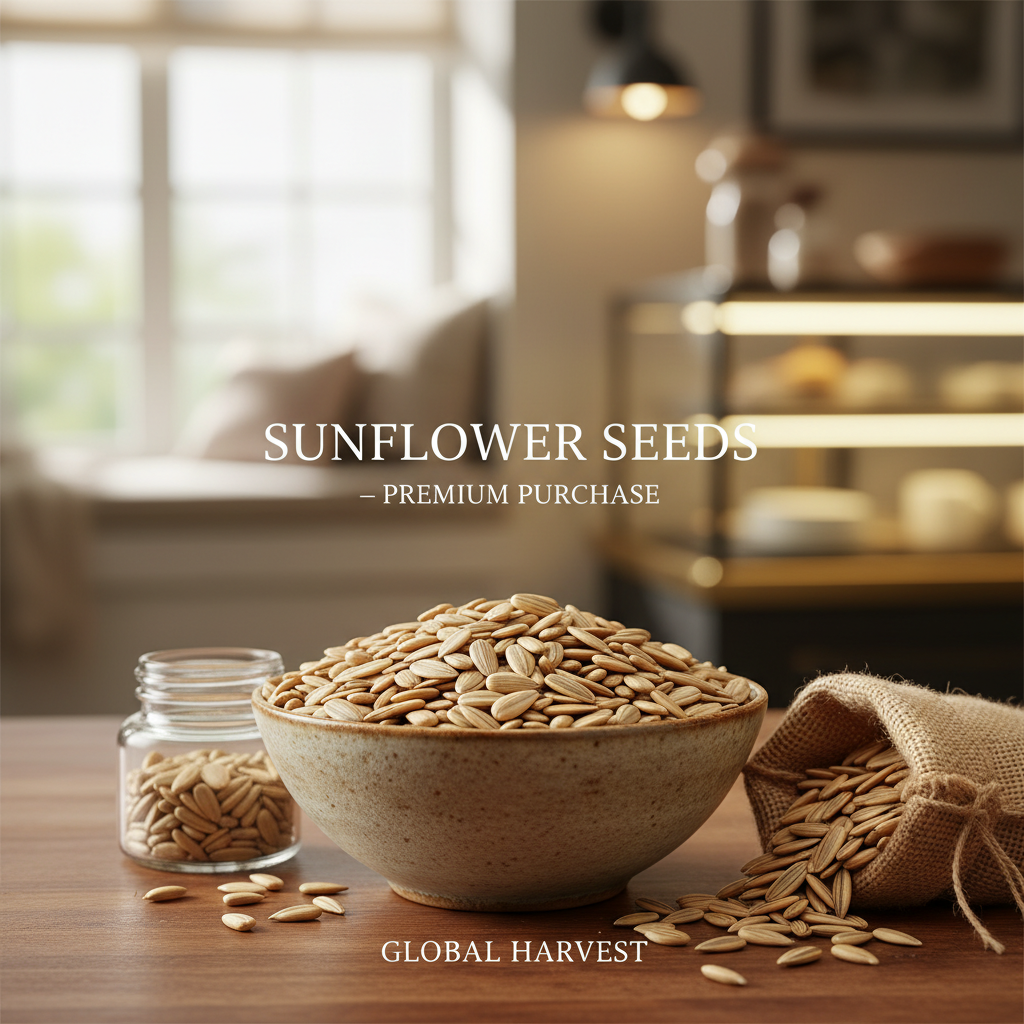
The humble melon with seeds, often overlooked in favor of its seedless counterpart, holds a surprising wealth of benefits and represents a crucial element in preserving agricultural biodiversity. Globally, melons are a significant food source, particularly in arid and semi-arid regions, and the variety featuring seeds offers unique nutritional advantages. Understanding the cultivation, consumption, and preservation of melon with seeds is vital for ensuring food security and promoting sustainable agricultural practices.
The importance of melon with seeds extends beyond mere sustenance. These melons are a valuable source of genetic material, contributing to the resilience of melon crops against evolving pests and diseases. They also play a role in traditional farming systems and cultural practices across various regions. The inherent ability to propagate new plants from the seeds themselves represents a level of self-sufficiency often lost in modern agriculture.
In a world grappling with climate change and the need for more sustainable food systems, rediscovering the value of melon with seeds is paramount. Their ability to thrive in challenging conditions, coupled with their nutritional benefits and genetic diversity, makes them a key component in building a more secure and resilient food future. We will explore the many facets of melon with seeds, from its practical applications to future innovations.
The Significance of Melon with Seeds
Melon with seeds represents more than just a fruit; it's a testament to natural selection and a crucial component of agricultural biodiversity. The seeds themselves hold the genetic blueprint for future generations of melons, offering resilience against diseases and adapting to changing climates. Their preservation is intrinsically linked to the long-term health of our food systems.
From a cultural perspective, many traditional farming communities rely on the ability to save and replant seeds from melon with seeds, fostering self-sufficiency and preserving ancestral knowledge. This practice is in stark contrast to the dependence on commercially produced seeds, and highlights the importance of supporting these traditional methods.
Defining Melon with Seeds
At its core, melon with seeds simply refers to varieties of melons that haven't been selectively bred to eliminate their seeds. These seeds are fully viable, meaning they can be germinated and grown into new melon plants. Common examples include cantaloupe, honeydew, and various types of watermelon, where the seeds are naturally present.
The distinction between melon with seeds and seedless varieties is crucial. Seedless melons, while convenient for consumption, require a specific breeding process that often involves crossing a seeded variety with a tetraploid (having four sets of chromosomes) variety. This results in a sterile fruit, unable to produce viable seeds for replanting, and reliant on continued propagation from the parent seeded varieties.
This connection to the original seeded form is what underlines the vital role melon with seeds play in modern agriculture. It provides the genetic foundation for the seedless varieties we enjoy and acts as a reservoir of genetic diversity.
Core Characteristics of Melon with Seeds
Melon with seeds exhibit a range of characteristics depending on the specific variety. Generally, they possess a thicker rind compared to some seedless varieties, providing protection for the developing seeds. The flesh can vary in color, texture, and sweetness, but is generally abundant and flavorful, often intensifying as the melon ripens.
Perhaps the most defining characteristic is, of course, the presence of seeds. These seeds are typically enclosed within the fleshy center of the melon and are covered in a translucent, gelatinous layer. They are not only a source of nutrients but also essential for the propagation of the plant. This allows for organic farming methods without reliance on external seed sources.
Furthermore, the texture and aroma of melon with seeds often differ subtly from seedless varieties. The seeds themselves contribute to the overall sensory experience, adding a slight crunch and a unique flavor profile. This contributes to an overall richer experience when consuming melon with seeds.
Nutritional Value and Health Benefits
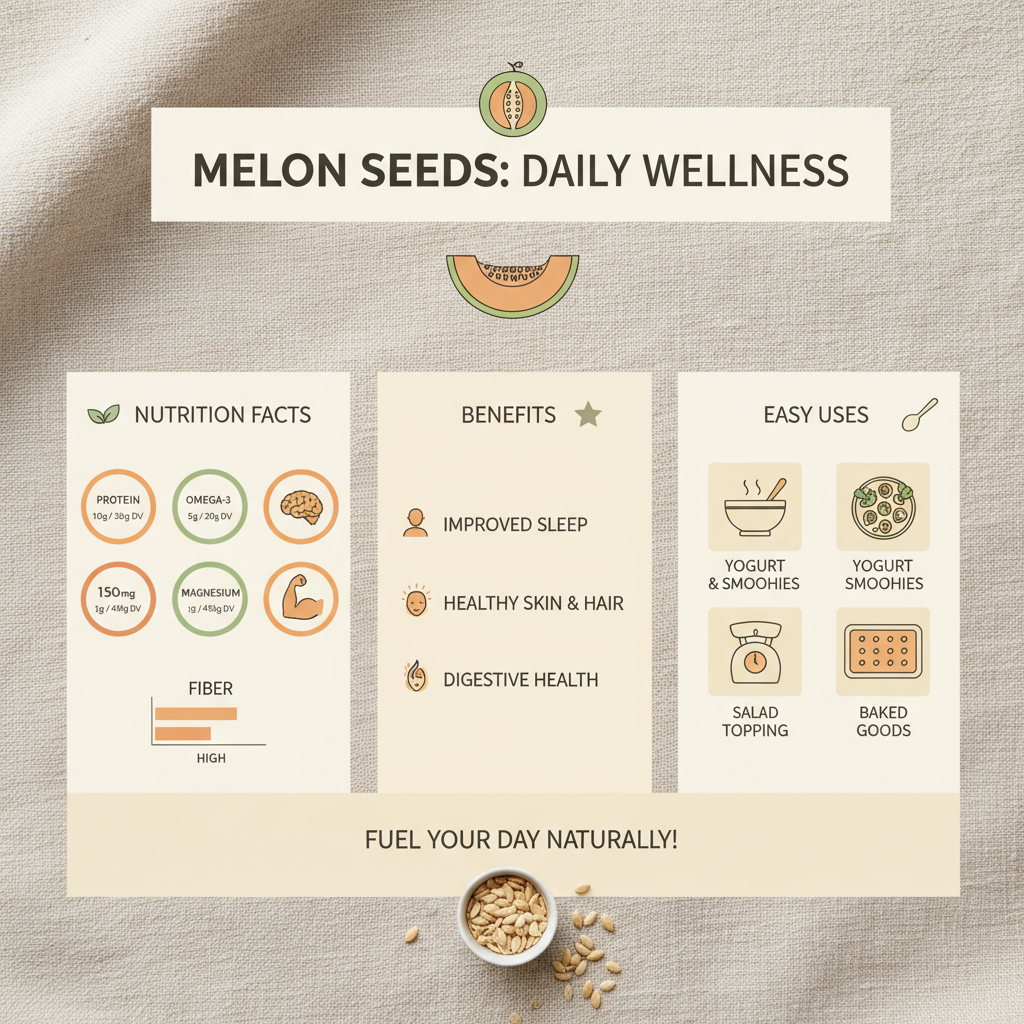
Melon with seeds is a powerhouse of nutrients. Beyond the vitamins and minerals found in most melons, the seeds themselves provide a significant boost of protein, healthy fats, and fiber. These seeds are rich in magnesium, iron, and zinc, essential minerals for maintaining overall health.
Nutritional Comparison of Melon with Seeds Varieties
Global Cultivation and Regional Variations
Melons with seeds are cultivated across the globe, with major production regions including China, Turkey, India, and various countries in Africa and Central America. Each region boasts unique varieties adapted to local climates and growing conditions. For example, in Central Asia, traditional melon varieties with seeds are prized for their intense sweetness and aroma.
In Africa, melons with seeds play a crucial role in subsistence farming, providing both a food source and a means of income for local communities. Different variations in soil composition and weather patterns result in considerable differences in both appearance and taste across various regions, and the preservation of these unique strains is vital for crop diversity.
Sustainable Practices and Economic Impact
Cultivating melon with seeds can align with sustainable agricultural practices. Saving seeds from one harvest for the next reduces reliance on external inputs and promotes biodiversity. Utilizing natural pest control methods and minimizing water usage further enhances the sustainability of melon production.
Economically, melon with seeds supports small-scale farmers and local economies. The ability to save and replant seeds reduces production costs and empowers farmers to become more self-sufficient. This can lead to improved livelihoods and increased food security within communities. Supporting the cultivation of melon with seeds promotes economic resilience.
The sale of melon with seeds also generates revenue through both local markets and export opportunities, contributing to economic growth in producing regions.
Future Trends and Innovation in Melon with Seeds
Research is underway to improve melon with seeds varieties for traits like disease resistance, drought tolerance, and enhanced nutritional content. Modern breeding techniques, combined with traditional knowledge, are driving these innovations.
There's growing interest in utilizing melon with seeds as a source of bio-oil and other valuable compounds. The seeds can be processed to extract oils suitable for various industrial applications, creating a potential revenue stream for farmers and promoting a circular economy.
Furthermore, increased awareness of the benefits of biodiversity is leading to a resurgence in demand for heirloom and traditional melon with seeds varieties, encouraging farmers to preserve these valuable genetic resources.
Comparative Analysis of Melon with Seeds Growing Practices
| Growing Method |
Water Usage (Liters/Plant) |
Pest Control |
Seed Saving Potential |
| Traditional Open-Pollinated |
50-70 |
Natural Predators & Companion Planting |
High |
| Modern Drip Irrigation |
30-50 |
Integrated Pest Management (IPM) |
Medium (Hybrid Varieties) |
| Organic Farming |
60-80 |
Bio-Pesticides & Crop Rotation |
High |
| Hydroponic Systems |
10-20 |
Sterile Environment |
None |
| Rainfed Agriculture |
Variable (Dependent on Rainfall) |
Traditional Practices |
High |
| Greenhouse Cultivation |
40-60 |
Controlled Environment |
Medium |
FAQS
Melon with seeds offers several advantages. The seeds are a rich source of nutrients, including protein, healthy fats, and minerals. Additionally, the presence of seeds contributes to a more robust flavor profile and supports the preservation of genetic diversity in melon crops. Consuming these seeds can support healthy digestion and provide essential micronutrients.
Yes, you absolutely can! Simply collect the seeds, clean them thoroughly, and allow them to dry completely. Store them in a cool, dry place until planting season. However, be aware that the resulting plants may not be identical to the parent melon, as cross-pollination can occur. This can lead to exciting new variations!
Melons with seeds thrive in well-drained, sandy loam soil with a pH between 6.0 and 6.8. They require plenty of sunlight (at least 6-8 hours per day) and warm temperatures. It's also beneficial to amend the soil with compost or other organic matter to improve fertility and drainage.
Preventive measures are key! Practice crop rotation, provide good air circulation, and avoid overhead watering. Companion planting with herbs like basil or marigolds can also help deter pests. For diseases, choose disease-resistant varieties and remove any infected leaves promptly. Organic pest control methods should be prioritized.
The seeds themselves can be stored in airtight containers in a cool, dark, and dry place for several years. Whole melons with seeds should be stored in the refrigerator, where they can last for up to a week. Cut melon should be consumed within a few days and stored in an airtight container.
Most commercially available seedless melons are not genetically modified. They are created through a process called polyploidy, where a plant is bred to have an extra set of chromosomes, resulting in a sterile fruit. This is a traditional breeding technique, not genetic engineering.
Conclusion
In conclusion, melon with seeds represents a cornerstone of agricultural heritage and sustainable food practices. Its nutritional value, genetic diversity, and resilience make it a vital crop for ensuring food security in a changing world. By embracing traditional methods of seed saving and supporting sustainable farming practices, we can unlock the full potential of melon with seeds.
Looking ahead, continued research and innovation will be crucial to further enhance the traits of melon with seeds and adapt them to future challenges. Promoting awareness about the benefits of these melons among consumers and farmers alike will be essential for fostering a more sustainable and resilient food system. To learn more about the power of the seeds within these melons, visit our website: www.yuyangmelon.com