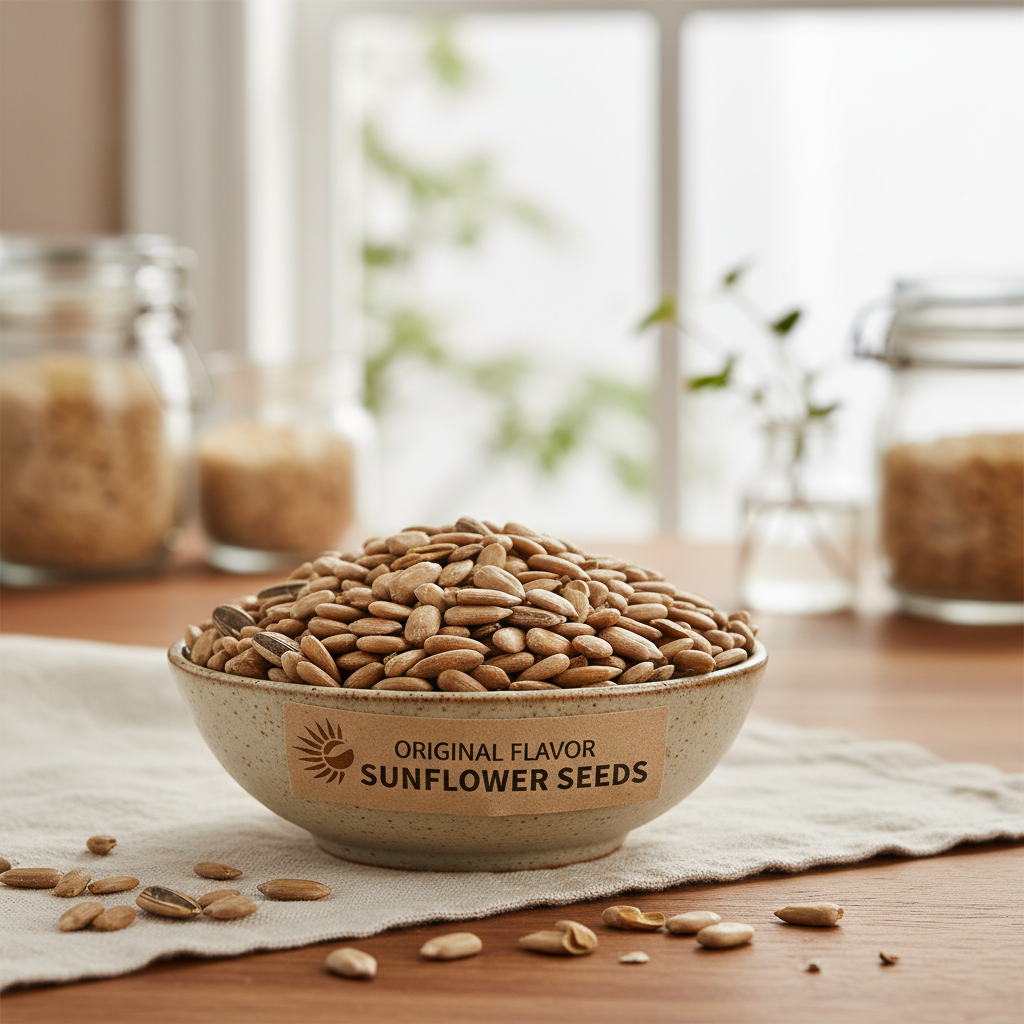
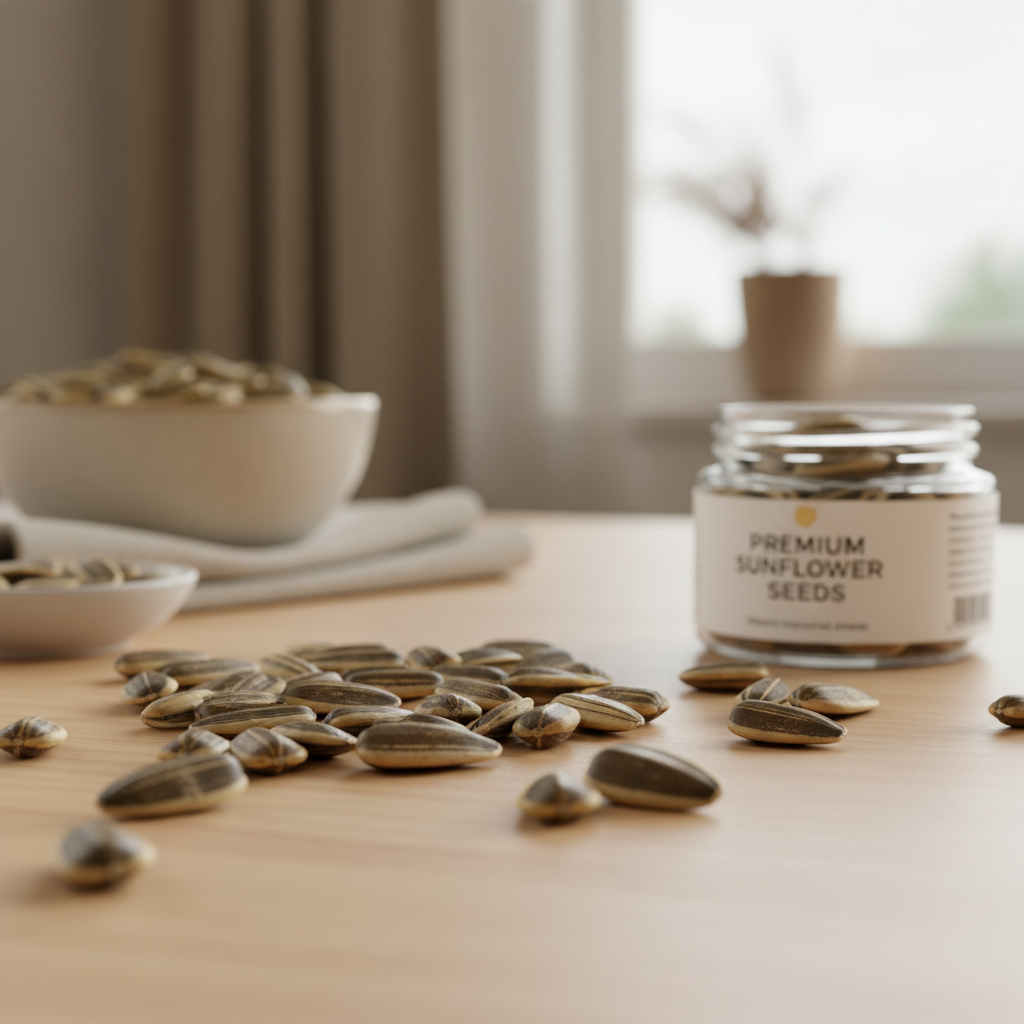
Original flavor sunflower seeds, a simple yet globally enjoyed snack, have a surprisingly rich history and significant economic impact. From their origins in North America to their widespread consumption today, these seeds represent more than just a tasty treat. They are a source of nutrition, a versatile ingredient, and a cultural staple in many parts of the world. Understanding their production, processing, and market dynamics is crucial for businesses and consumers alike.
The global market for sunflower seeds is substantial and continues to grow, driven by increasing health consciousness and demand for plant-based proteins. Major producers include Russia, Ukraine, Argentina, and the United States, each contributing significantly to the world’s supply. Fluctuations in crop yields, geopolitical factors, and evolving consumer preferences all impact the availability and price of original flavor sunflower seeds.
The appeal of original flavor sunflower seeds lies in their natural simplicity. Unlike heavily processed snacks, they offer a straightforward, unadulterated taste experience. This resonates with a growing segment of consumers seeking authentic and wholesome food options. Furthermore, the versatility of these seeds – enjoyed as a snack, added to salads, or used in baking – contributes to their enduring popularity.
The Global Significance of Original Flavor Sunflower Seeds
The global significance of original flavor sunflower seeds extends far beyond a simple snack. They represent a vital component of the agricultural landscape, contributing to food security and economic development in numerous countries. Sunflower seeds are a versatile crop, adaptable to diverse climates and requiring relatively low input costs, making them particularly important for smallholder farmers in developing regions.
Moreover, the oil extracted from sunflower seeds is a valuable commodity used in food processing, cosmetics, and even biodiesel production. This adds another layer of economic importance to the cultivation of original flavor sunflower seeds, promoting sustainable agricultural practices and supporting local economies. The demand for these seeds is consistently high, driven by their nutritional benefits and growing consumer preference for natural snacks.
Defining Original Flavor Sunflower Seeds
Original flavor sunflower seeds are the raw, unroasted, and unsalted seeds harvested from the sunflower plant (Helianthus annuus). They retain their natural taste – a subtly nutty and earthy flavor – and are typically encased in a dark, striped shell. Unlike flavored varieties that undergo processing with seasonings or coatings, original flavor seeds offer a pure, unadulterated snacking experience.
The core of these seeds is rich in nutrients, including healthy fats, protein, vitamin E, and magnesium. These nutritional benefits contribute to their appeal as a healthy snack option and a valuable addition to a balanced diet. The 'original' aspect highlights their unprocessed state, appealing to consumers seeking transparency and authenticity in their food choices.
Their connection to modern industry stems from their versatility. Beyond direct consumption, they are integral in producing sunflower oil, animal feed, and increasingly, in exploring sustainable biofuel options. This multifaceted role underscores their importance in various sectors, from agriculture and food processing to energy and environmental sustainability.
Key Characteristics of High-Quality Seeds
Several key characteristics determine the quality of original flavor sunflower seeds. Firstly, seed size and weight are crucial indicators of kernel fullness and potential oil yield. Larger, heavier seeds generally signify a higher oil content and a more satisfying snacking experience. Secondly, shell integrity is essential; intact shells protect the kernel from damage and prevent moisture absorption.
Thirdly, the absence of defects, such as cracks, blemishes, or insect damage, is paramount. These imperfections can compromise the seed’s nutritional value and shelf life. Lastly, a consistent color and appearance across the batch indicate uniform quality and maturity.
A crucial, often overlooked characteristic is the moisture content of original flavor sunflower seeds. Optimal moisture levels, typically around 8-10%, prevent mold growth and ensure long-term storability. Excessive moisture can lead to spoilage and the development of undesirable flavors, while insufficient moisture can cause brittleness and cracking during handling. Careful monitoring and control of moisture content are therefore vital throughout the harvesting, drying, and storage processes.
Selecting high-quality original flavor sunflower seeds contributes to a superior snacking experience and maximizes the benefits of this nutritious food source. Consumers can assess quality by carefully inspecting the seeds for size, shell integrity, and the absence of visible defects. Retailers and processors employ more sophisticated methods, including laboratory testing for oil content, moisture levels, and overall nutritional composition.
Production & Processing Methods
The production of original flavor sunflower seeds begins with careful cultivation and harvesting techniques. Sunflower plants require well-drained soil and ample sunlight to thrive. Harvesting typically occurs in the fall when the seed heads have fully matured and dried. Modern harvesting methods often involve combine harvesters that efficiently separate the seeds from the plant heads.
Following harvest, the seeds undergo a cleaning and drying process to remove debris and reduce moisture content. This is crucial for preventing spoilage and ensuring long-term storage. The drying process is carefully controlled to maintain the seed's nutritional value and prevent cracking. Sophisticated grading systems are then employed to sort the seeds based on size, weight, and quality.
Comparison of Original Flavor Sunflower Seed Processing Methods
Global Applications & Consumption Patterns
Original flavor sunflower seeds are consumed worldwide as a healthy and convenient snack. In Eastern European countries like Russia and Ukraine, they are deeply ingrained in the local culture and often enjoyed directly from the shell during social gatherings. In North America, they are popular as a standalone snack, added to trail mixes, or sprinkled on salads and yogurt.
The demand for original flavor sunflower seeds is also growing in Asian markets, particularly in China and India, driven by increasing health awareness and a preference for natural foods. They are often incorporated into traditional dishes and used as a topping for various culinary creations.
The Nutritional & Economic Value
Original flavor sunflower seeds are a nutritional powerhouse, packed with essential vitamins, minerals, and healthy fats. They are an excellent source of vitamin E, a potent antioxidant that protects cells from damage. They also provide a good amount of protein, fiber, and magnesium, contributing to overall health and well-being.
Economically, the production and trade of original flavor sunflower seeds generate significant revenue for farmers, processors, and exporters worldwide. The sunflower seed industry supports numerous jobs and contributes to the economic development of agricultural regions. The increasing demand for healthy snacks and plant-based proteins is expected to further boost the economic value of original flavor sunflower seeds in the coming years.
Future Trends & Sustainability
Looking ahead, several trends are shaping the future of original flavor sunflower seeds. One key area is the development of more sustainable farming practices, including reduced pesticide use, water conservation, and soil health improvement. Researchers are also exploring new sunflower varieties with higher oil content, improved disease resistance, and enhanced nutritional profiles.
Another emerging trend is the use of precision agriculture technologies, such as drones and sensors, to optimize crop management and maximize yields. These technologies enable farmers to monitor plant health, identify nutrient deficiencies, and apply resources more efficiently. Furthermore, there is growing interest in utilizing sunflower seeds as a feedstock for biofuel production, contributing to the transition towards a more sustainable energy future.
The industry is also focusing on reducing food waste throughout the supply chain, from harvesting and processing to packaging and distribution. Innovative packaging solutions and improved storage techniques are being developed to extend shelf life and minimize spoilage, ensuring that more original flavor sunflower seeds reach consumers.
Overview of Sustainability Initiatives in Original Flavor Sunflower Seed Production
| Initiative Area |
Description |
Implementation Level |
Expected Impact |
| Water Management |
Implementing drip irrigation and rainwater harvesting. |
Medium |
Reduced water consumption by 20%. |
| Pesticide Reduction |
Utilizing integrated pest management (IPM) techniques. |
High |
Decreased pesticide use by 30%. |
| Soil Health Improvement |
Employing cover cropping and no-till farming methods. |
Medium |
Increased soil organic matter by 15%. |
| Energy Efficiency |
Switching to renewable energy sources for processing. |
Low |
Reduced carbon footprint by 10%. |
| Waste Reduction |
Utilizing sunflower hulls for biofuel or animal feed. |
High |
Minimized waste sent to landfills by 40%. |
| Biodiversity Conservation |
Creating pollinator-friendly habitats around sunflower fields. |
Medium |
Enhanced pollinator populations and ecosystem health. |
FAQS
Original flavor sunflower seeds are packed with nutrients like vitamin E, magnesium, and healthy fats. Vitamin E acts as an antioxidant, protecting cells from damage. Magnesium supports nerve and muscle function, while healthy fats contribute to heart health. Regular consumption can boost your immune system and provide sustained energy, making them a valuable addition to a balanced diet.
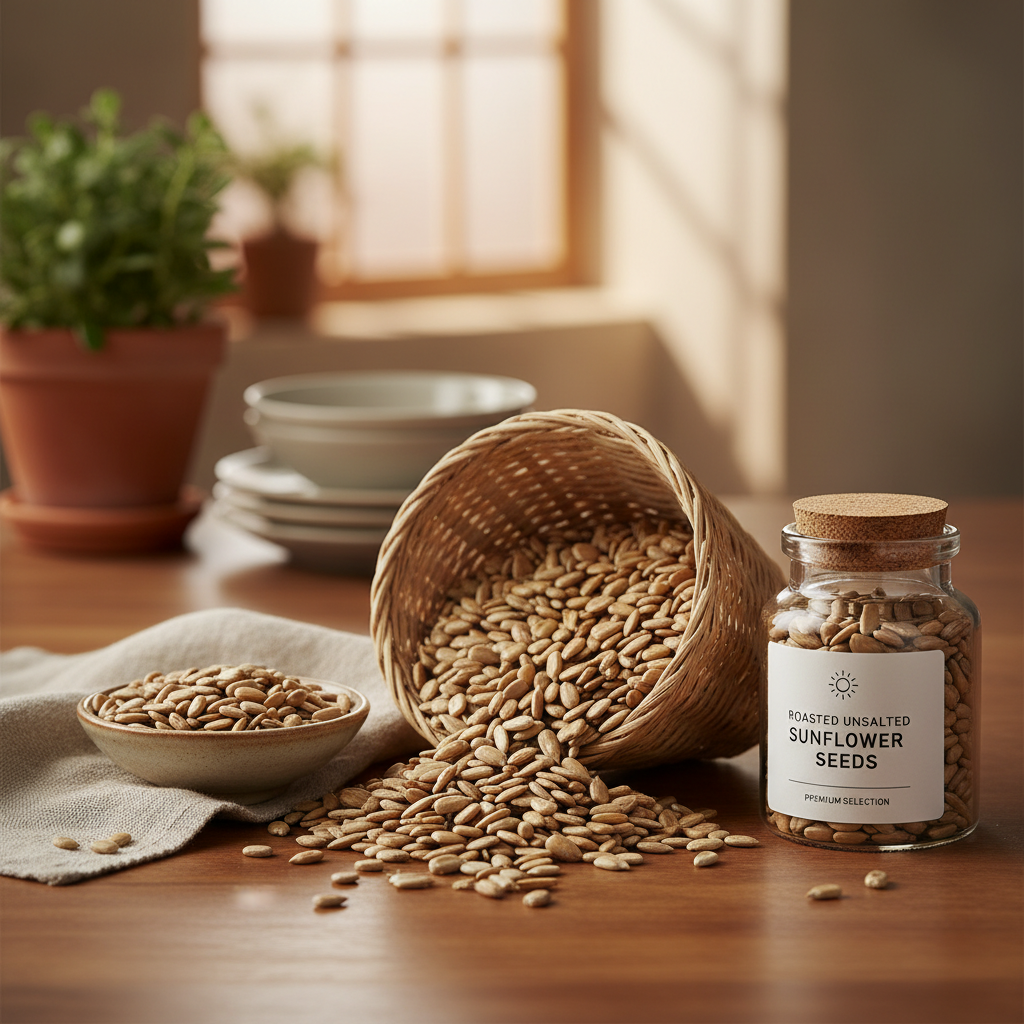
To maintain optimal freshness, store original flavor sunflower seeds in an airtight container in a cool, dry, and dark place. Exposure to air, moisture, and sunlight can cause them to become rancid. Properly stored, they can remain fresh for up to six months. Avoid storing them near strong-smelling foods, as they can absorb odors.
Yes, original flavor sunflower seeds are a surprisingly good source of plant-based protein. A one-ounce serving contains approximately 6 grams of protein, making them a valuable addition to vegetarian and vegan diets. This protein contributes to muscle repair, growth, and overall body function.
The key difference lies in the processing. Original flavor sunflower seeds are raw and unprocessed, retaining their natural taste and nutrient profile. Roasted and salted varieties undergo heating and seasoning, which can alter their flavor and reduce some of their nutritional benefits. Original flavor seeds offer a more wholesome and natural snacking experience.
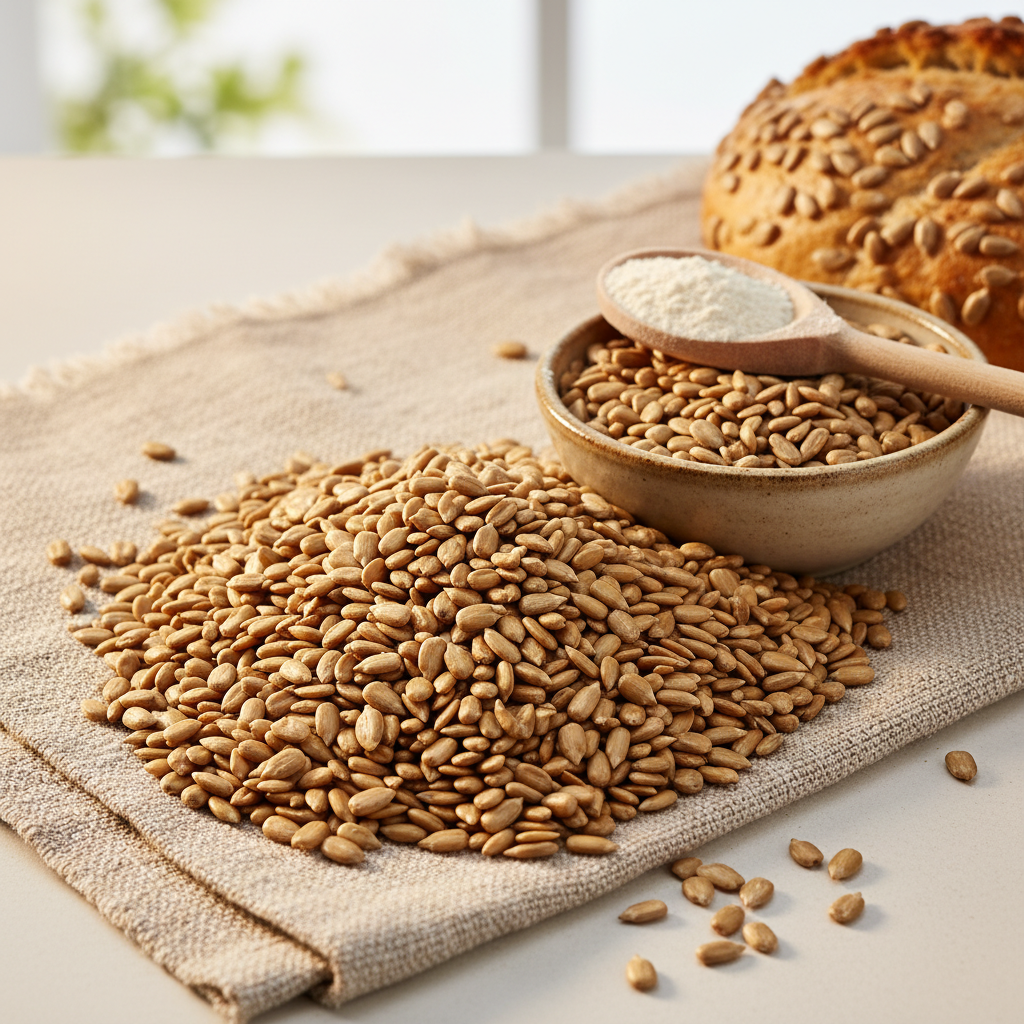
Absolutely! Original flavor sunflower seeds are incredibly versatile. They can be added to salads for a crunchy texture, mixed into granola or trail mixes, used as a topping for yogurt or oatmeal, or even ground into a flour for baking. They add a subtle nutty flavor and a nutritional boost to a variety of dishes.
You can find high-quality original flavor sunflower seeds at most health food stores, grocery stores with a natural foods section, and online retailers. Look for seeds that are packaged in airtight containers and have a fresh appearance. Consider purchasing from reputable brands that prioritize quality and sustainability, like original flavor sunflower seeds.
Conclusion
In summary, original flavor sunflower seeds represent a compelling combination of nutritional value, economic significance, and cultural relevance. Their versatility, sustainable production potential, and growing consumer demand position them as a key player in the global food landscape. Understanding their characteristics, applications, and future trends is crucial for stakeholders across the agricultural, food processing, and consumer sectors.
Looking forward, continued innovation in sustainable farming practices and processing technologies will be essential to ensure the long-term viability of the original flavor sunflower seed industry. By embracing environmentally responsible methods and prioritizing quality, we can unlock the full potential of this remarkable seed and contribute to a healthier, more sustainable future. Visit our website at www.yuyangmelon.com to learn more!