
-
 Afrikaans
 -
 Albanian
 -
 Amharic
 -
 Arabic
 -
 Armenian
 -
 Azerbaijani
 -
 Basque
 -
 Belarusian
 -
 Bengali
 -
 Bosnian
 -
 Bulgarian
 -
 Catalan
 -
 Cebuano
 -
 Corsican
 -
 Croatian
 -
 Czech
Czech -
 Danish
 -
 Dutch
Dutch -
 Senyesemane
 -
 Esperanto
 -
 Estonian
 -
 Finnish
 -
 French
 -
 Frisian
 -
 Galician
 -
 Georgian
 -
 German
 -
 Greek
Greek -
 Gujarati
 -
 Haitian Creole
 -
 hausa
hausa -
 hawaiian
 -
 Hebrew
 -
 Hindi
Hindi -
 Miao
Miao -
 Hungarian
 -
 Icelandic
 -
 igbo
igbo -
 Indonesian
 -
 irish
irish -
 Italian
 -
 Japanese
 -
 Javanese
 -
 Kannada
 -
 kazakh
 -
 Khmer
Khmer -
 Rwandese
 -
 Korean
 -
 Kurdish
 -
 Kyrgyz
 -
 Lao
Lao -
 Latin
Latin -
 Latvian
 -
 Lithuanian
 -
 Luxembourgish
 -
 Macedonian
 -
 Malgashi
 -
 Malay
Malay -
 Malayalam
 -
 Maltese
 -
 Maori
Maori -
 Marathi
 -
 Mongolian
 -
 Myanmar
 -
 Nepali
 -
 Norwegian
 -
 Norwegian
 -
 Occitan
 -
 Pashto
 -
 Persian
 -
 Polish
 -
 Portuguese
 -
 Punjabi
 -
 Romanian
 -
 Russian
 -
 Samoan
 -
 Scottish Gaelic
 -
 Serbian
 -
 Sesotho
 -
 Shona
Shona -
 Sindhi
 -
 Sinhala
 -
 Slovak
 -
 Slovenian
 -
 Somali
 -
 Spanish
 -
 Sundanese
 -
 Swahili
 -
 Swedish
 -
 Tagalog
 -
 Tajik
Tajik -
 Tamil
Tamil -
 Tatar
Tatar -
 Telugu
 -
 Thai
Thai -
 Turkish
 -
 Turkmen
 -
 Ukrainian
 -
 Urdu
Urdu -
 Uighur
 -
 Uzbek
Uzbek -
 Vietnamese
 -
 Welsh
Welsh -
 Bantu
Bantu -
 Yiddish
 -
 Yoruba
 -
 Zulu
Zulu
Apr . 01, 2025 15:32 Khutlela lethathamong
On White Sun Flowers: A Neglected Leisure Food and Its Cultural Value
Sunflower seeds, as a popular snack, have long been integrated into people's daily lives. However, among numerous sunflower seed varieties, white sun flowers, Commonly known as "white melon seeds", they often do not receive as much attention as black melon seeds. This article will explore the characteristics of white sun flowers and their cultural value as a neglected leisure food.
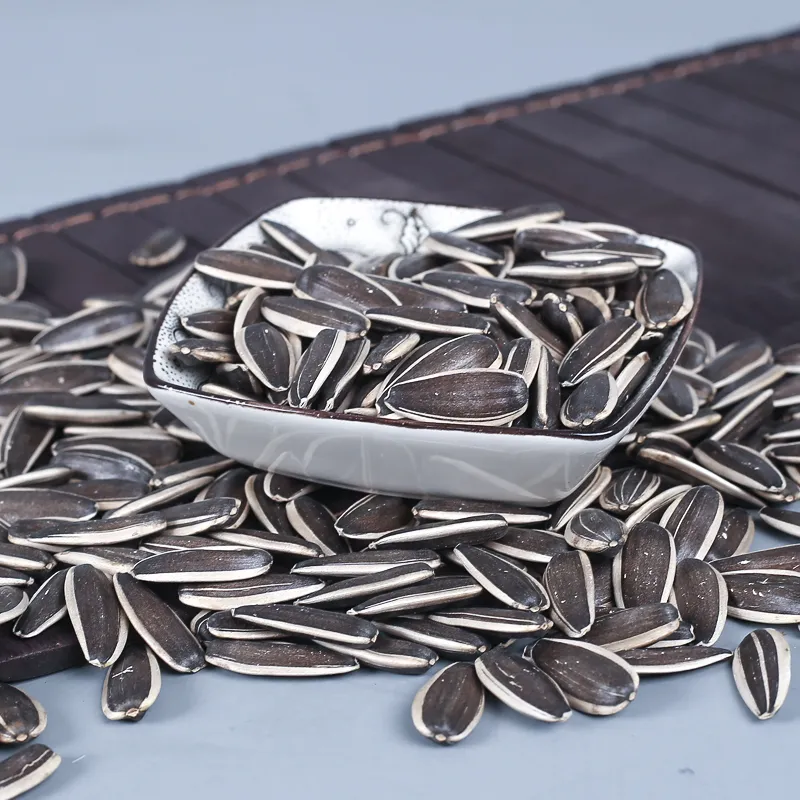
From a physical perspective, there is no essential difference in nutritional composition between white sun flowers and black melon seeds, both of which are rich in nutrients such as protein, fat, and vitamin E
However, there is a certain difference in taste between the two. Generally speaking, the shell of white sun flowers is relatively thin, easier to peel off, and more convenient to consume. Its taste is often lighter, unlike black melon seeds that have a strong nutty flavor. This light taste makes it easier to pair with other foods and more suitable for long-term consumption, without causing taste fatigue.
From a cultural perspective, sunflower seeds occupy an important position in China's snack food culture
Sunflower seeds play an important role during festivals and after meals. People sit together, munching on melon seeds and chatting, creating a relaxed and pleasant atmosphere. However, compared to black melon seeds, white sun flowers do not seem to have formed a unique cultural image. Perhaps due to its relatively low production or light taste, white sun flowers are often seen as a branch of black melon seeds rather than an independent category.
We should not overlook the potential of white sun flowers
With the increasing emphasis on healthy eating, the demand for light flavored foods is also constantly increasing. White sun flowers can occupy a place in the snack food market due to their easy to peel and light taste. Merchants can develop more flavors of seasonings based on the characteristics of white sun flowers to meet the needs of different consumers. At the same time, white sun flowers can also be endowed with richer cultural connotations and enhance their brand value through cultural marketing.
In summary, although white sunflower seeds are not as well-known as black sunflower seeds, their easy to peel and light taste give them unique advantages. We should re-examine this neglected snack food, explore its potential value, and endow it with richer cultural connotations, so that it can radiate new vitality in the future snack food market. By paying attention to and promoting white sun flowers, we can not only enrich people's dietary choices, but also further inherit and develop China's leisure food culture.
White Sunflower Seeds FAQs
What is the difference between white sun flowers and regular sunflower seeds?
Appearance: The outer shell of white sunflowers is usually pure white or light colored, while the outer shell of ordinary sunflower seeds is black or striped.
Taste: White sun flowers are usually larger, fuller, with a more delicate texture and higher oil content.
Usage: White sun flowers are commonly used for food processing, baking, or direct consumption, while ordinary sunflower seeds are often used for snacks or oil extraction.
What is the nutritional value of white sun flowers?
White sun flowers are rich in healthy fats (such as unsaturated fatty acids), protein, dietary fiber, vitamin E, magnesium, selenium and other nutrients. They contribute to heart health, antioxidant properties, and improved digestion.
How to eat white sun flowers?
Direct consumption: As a healthy snack, consume it after peeling the shell.
Baking: Add to bread, cookies, or energy bars.
Cooking: Sprinkle on salad, yogurt or oatmeal Congee.
Oil extraction: White sun flowers can be used to extract high-quality edible oil.
How to choose high-quality white sun flowers?
Choose melon seeds with plump particles, intact shells, and uniform color.
Pay attention to the production date and shelf life on the packaging to avoid purchasing expired products.
Smell for any unusual odor and avoid purchasing moldy or spoiled melon seeds.
What is the storage method for white sun flowers?
Store in a cool, dry, and dark place, preferably sealed.
If long-term storage is required, it can be refrigerated or frozen in the refrigerator to prevent oil oxidation and deterioration.
-
Premium Quality China Bulk Raw Sunflower Seeds for Wholesale
LitabaApr.16,2026
-
China Melon Seed Price per kg Market Guide and Sourcing Trends
LitabaApr.09,2026
-
China Customized Sunflower Seeds Sourcing Guide for Businesses
LitabaApr.07,2026
-
Premium China Black Sunflower Seeds for Sale Direct from Yuyang Melon
LitabaApr.04,2026
-
Comprehensive Guide to Sourcing High Quality China Shelled Sunflower Seeds
LitabaMar.31,2026
-
China Edible Sunflower Seeds Sourcing Guide Varieties and Quality Control
LitabaMar.28,2026