
-
 Afrikaans
 -
 Albanian
 -
 Amharic
 -
 Arabic
 -
 Armenian
 -
 Azerbaijani
 -
 Basque
 -
 Belarusian
 -
 Bengali
 -
 Bosnian
 -
 Bulgarian
 -
 Catalan
 -
 Cebuano
 -
 Corsican
 -
 Croatian
 -
 Czech
Czech -
 Danish
 -
 Dutch
Dutch -
 angleščina
 -
 Esperanto
 -
 Estonian
 -
 Finnish
 -
 French
 -
 Frisian
 -
 Galician
 -
 Georgian
 -
 German
 -
 Greek
Greek -
 Gujarati
 -
 Haitian Creole
 -
 hausa
hausa -
 hawaiian
 -
 Hebrew
 -
 Hindi
Hindi -
 Miao
Miao -
 Hungarian
 -
 Icelandic
 -
 igbo
igbo -
 Indonesian
 -
 irish
irish -
 Italian
 -
 Japanese
 -
 Javanese
 -
 Kannada
 -
 kazakh
 -
 Khmer
Khmer -
 Rwandese
 -
 Korean
 -
 Kurdish
 -
 Kyrgyz
 -
 Lao
Lao -
 Latin
Latin -
 Latvian
 -
 Lithuanian
 -
 Luxembourgish
 -
 Macedonian
 -
 Malgashi
 -
 Malay
Malay -
 Malayalam
 -
 Maltese
 -
 Maori
Maori -
 Marathi
 -
 Mongolian
 -
 Myanmar
 -
 Nepali
 -
 Norwegian
 -
 Norwegian
 -
 Occitan
 -
 Pashto
 -
 Persian
 -
 Polish
 -
 Portuguese
 -
 Punjabi
 -
 Romanian
 -
 Russian
 -
 Samoan
 -
 Scottish Gaelic
 -
 Serbian
 -
 Sesotho
 -
 Shona
Shona -
 Sindhi
 -
 Sinhala
 -
 Slovak
 -
 Slovenian
 -
 Somali
 -
 Spanish
 -
 Sundanese
 -
 Swahili
 -
 Swedish
 -
 Tagalog
 -
 Tajik
Tajik -
 Tamil
Tamil -
 Tatar
Tatar -
 Telugu
 -
 Thai
Thai -
 Turkish
 -
 Turkmen
 -
 Ukrainian
 -
 Urdu
Urdu -
 Uighur
 -
 Uzbek
Uzbek -
 Vietnamese
 -
 Welsh
Welsh -
 Bantu
Bantu -
 Yiddish
 -
 Yoruba
 -
 Zulu
Zulu
Sep . 04, 2025 11:26 Nazaj na seznam
Planting Woodland Sunflower Seeds in Your Backyard: A Simple Guide
Adding woodland sunflower seeds to your garden brings vibrant color, attracts pollinators, and supports local ecosystems. Whether you're a home gardener or a wholesale buyer, these hardy wildflowers are easy to cultivate. Below, we’ll guide you through planting wild sunflower seeds for planting, care tips, and sourcing high-quality wholesale sunflower seeds—including Whole30 sunflower seeds for health-conscious consumers.
Choosing the Right Woodland Sunflower Seeds
Not all sunflower seeds are the same. Wild sunflower seeds thrive in diverse climates, while woodland sunflower seeds prefer partial shade. When selecting seeds, consider:
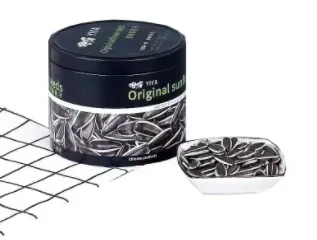
Seed Type: Choose between native wild varieties or cultivated hybrids.
Growing Conditions: Some prefer full sun, while others tolerate shade.
Purpose: Are you planting for aesthetics, wildlife, or commercial resale?
For bulk planting, wholesale sunflower seeds offer cost savings. Our company provides premium, untreated seeds ideal for organic gardening.
Soil Quality: Ensure the soil is well-drained and rich in organic matter. Woodland sunflower seeds may benefit from amended soil with compost or well-rotted manure.
Watering Needs: Regular watering is crucial during the establishment phase, but once the plants are established, they can tolerate drought conditions better than some other varieties.
Sunlight Exposure: Woodland sunflowers thrive in full sun to partial shade. However, they will produce more flowers and seeds if they receive at least six hours of direct sunlight daily.
Spacing: Plant the seeds at a depth of about half an inch and space them about six inches apart to allow for ample room for growth. Thin the seedlings to about a foot apart once they reach a few inches tall to prevent overcrowding.
Mulching: Applying a layer of mulch, such as straw or shredded leaves, around the plants can help retain soil moisture and regulate temperature, which can be beneficial, especially during dry periods.
Fertilization: While woodland sunflowers can grow in average soil with adequate organic matter, a balanced, all-purpose fertilizer applied once at planting can give the seeds a boost. Avoid over-fertilizing, as too much nitrogen can promote lush foliage at the expense of blooms.
Pest and Disease Management: Woodland sunflowers are generally resilient and not prone to many serious pest or disease problems. However, keep an eye out for aphids or slugs, which can occasionally be an issue. If pests become a problem, treat with insecticidal soap or pick them off by hand. Good air circulation and proper spacing can also help prevent disease.
Harvesting Seeds: Allow the flower heads to dry on the plant. When the back of the flowers turn brown and the seeds are plump and firm, cut the heads and place them in a paper bag to finish drying. Once thoroughly dry, rub the seeds from the heads and store them in a cool, dry place.
Woodland Sunflower Seeds Planting and Soil Preparation
Wild sunflower seeds for planting require well-draining soil with moderate fertility. Follow these steps:
Test Soil pH: Aim for 6.0–7.5.
Clear Weeds: Reduce competition for nutrients.
Sow Seeds: Plant ¼–½ inch deep, spacing 6–12 inches apart.
|
Parameter |
Podrobnosti |
|
Sunlight |
Full sun to partial shade |
|
Water Needs |
Moderate (drought-tolerant once established) |
|
Germination Time |
7–14 days |
|
Bloom Period |
Summer to early fall |
For large-scale projects, wholesale sunflower seeds ensure uniform growth and better yields.
Woodland Sunflower Seeds Care and Maintenance
Once planted, wild sunflower seeds need minimal upkeep:
Watering: Keep soil moist until germination, then reduce frequency.
Fertilization: Light compost is sufficient; avoid heavy nitrogen.
Pest Control: Natural predators like ladybugs help manage aphids.
These low-maintenance flowers are perfect for eco-friendly landscaping.
Woodland Sunflower Seeds Harvesting and Uses
Woodland sunflower seeds can be harvested for replanting, bird feed, or human consumption (if Whole30 sunflower seeds are used). To collect seeds:
Wait until flower heads dry and turn brown.
Cut stems and hang upside down in a dry area.
Remove seeds by rubbing the flower head.
For commercial growers, buying wholesale sunflower seeds in bulk ensures a steady supply for resale or processing.
Woodland Sunflower Seeds FAQs
Are woodland sunflower seeds the same as wild sunflower seeds?
While similar, woodland sunflower seeds prefer shaded areas, whereas wild sunflower seeds thrive in open fields.
Can I eat woodland sunflower seeds?
Yes, but ensure they’re untreated. For dietary needs, opt for Whole30 sunflower seeds, which are free from additives.
Where can I buy woodland sunflower seeds?
Our company supplies high-quality wholesale sunflower seeds for farms, nurseries, and retailers. Contact us for bulk pricing.
How long do woodland sunflower seeds take to grow?
Most wild sunflower seeds for planting germinate in 1–2 weeks and bloom within 60–90 days.
Are these woodland sunflower seeds good for pollinators?
Absolutely! Sunflowers attract bees, butterflies, and birds, making them ideal for Eco-gardens.Whether you're a gardener, landscaper, or wholesaler, our premium woodland sunflower seeds and wild sunflower seeds for planting deliver unmatched quality. Order wholesale sunflower seeds today and enjoy competitive pricing, fast shipping, and expert support. Grow with confidence—choose sustainability and beauty with our seeds!
-
Premium Quality China Bulk Raw Sunflower Seeds for Wholesale
NoviceApr.16,2026
-
China Melon Seed Price per kg Market Guide and Sourcing Trends
NoviceApr.09,2026
-
China Customized Sunflower Seeds Sourcing Guide for Businesses
NoviceApr.07,2026
-
Premium China Black Sunflower Seeds for Sale Direct from Yuyang Melon
NoviceApr.04,2026
-
Comprehensive Guide to Sourcing High Quality China Shelled Sunflower Seeds
NoviceMar.31,2026
-
China Edible Sunflower Seeds Sourcing Guide Varieties and Quality Control
NoviceMar.28,2026