
Apr . 09, 2026 02:05 Back to list
China Melon Seed Price per kg Market Guide and Sourcing Trends
Understanding China Melon Seed Price per kg: A Comprehensive Market Guide
For wholesalers and international buyers, tracking the china melon seed price per kg is essential for maintaining competitive margins and ensuring product quality. China remains the global hub for high-quality melon seeds, offering a variety of grades and processing levels that cater to different nutritional and culinary needs. Whether you are sourcing raw seeds for oil extraction or premium roasted kernels for the snack market, understanding the price volatility and the factors influencing cost is key to a successful procurement strategy. In this guide, we will analyze the current market trends, quality specifications, and pricing structures of these nutritious seeds.
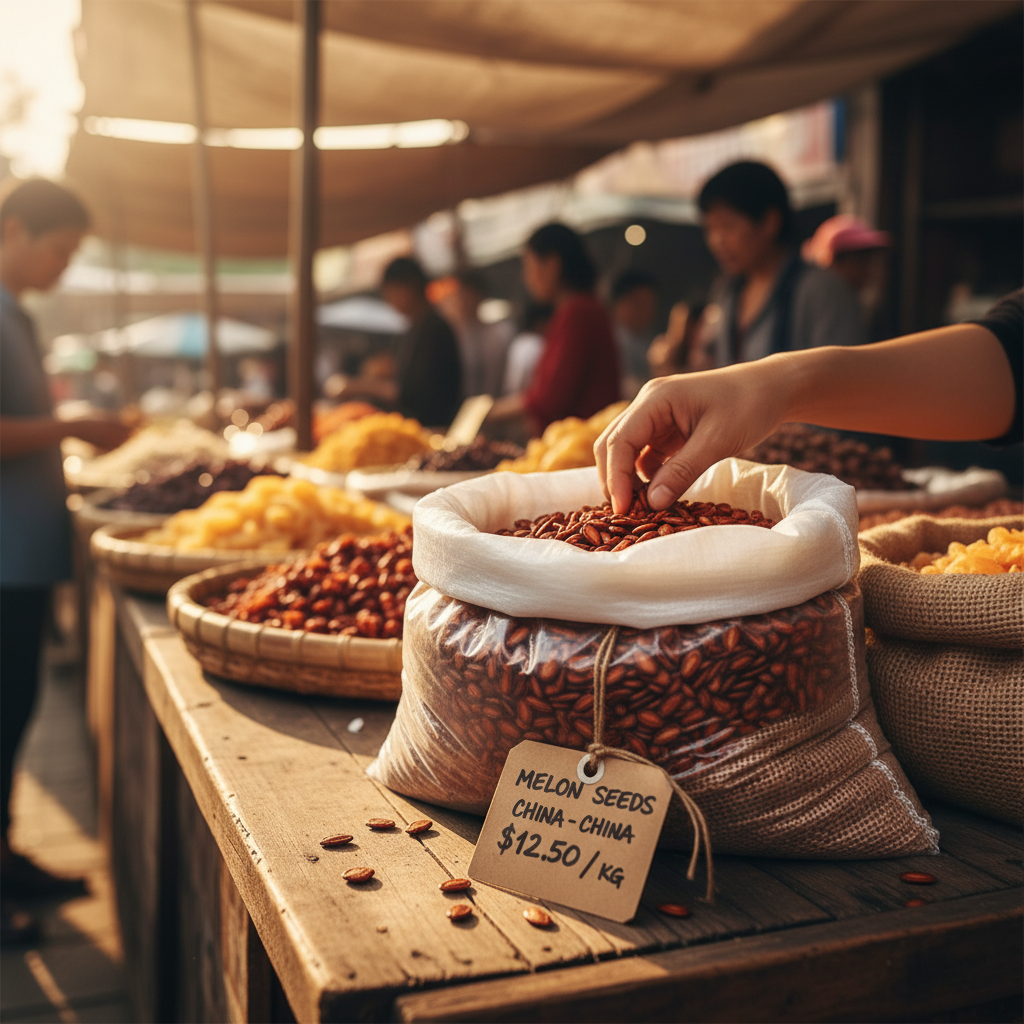
Factors Influencing China Melon Seed Price per kg
Several variables dictate the fluctuating china melon seed price per kg. First and foremost is the harvest yield; abnormal weather patterns in key growing regions can lead to shortages, driving prices upward. Secondly, the processing level plays a significant role—raw, dried, peeled, or roasted seeds each command different price points due to the labor and energy costs involved. Additionally, international demand and export tariffs can cause short-term price swings. Buyers who establish long-term partnerships with reputable suppliers often secure more stable pricing regardless of market volatility.
Market Tip: Bulk purchasing during the peak harvest season typically allows buyers to lock in the lowest possible china melon seed price per kg, reducing overall procurement costs for the fiscal year.
Comparison of Seed Grades and Market Pricing
Not all seeds are created equal. When analyzing the china melon seed price per kg, it is crucial to distinguish between Grade A (premium), Grade B (standard), and Industrial grade seeds. Premium seeds are characterized by larger size, higher oil content, and a lower percentage of broken kernels. Standard seeds are ideal for general consumption, while industrial grades are primarily used for oil pressing. The following table provides a comparative look at how these grades differ in terms of characteristics and general price trends.
Logistics and the Impact on China Melon Seed Price per kg
When sourcing from China, the "quoted price" is rarely the "final price." Shipping, customs clearance, and packaging significantly affect the land cost. For instance, vacuum packaging protects the seeds from oxidation but adds to the china melon seed price per kg. Furthermore, Incoterms (such as FOB, CIF, or EXW) determine who bears the risk and cost of transportation. To optimize costs, many buyers prefer CIF (Cost, Insurance, and Freight) to simplify the logistics chain, although EXW can be cheaper for those with their own established freight forwarders.
Quality Control Standards for Export-Grade Seeds
To justify a premium china melon seed price per kg, suppliers must adhere to strict quality control protocols. This includes moisture testing to prevent mold, purity checks to remove foreign matter, and aflatoxin screening to meet EU and US food safety standards. Advanced sorting technology, such as color sorters, ensures that discolored seeds are removed, resulting in a visually appealing product. For buyers, requesting a COA (Certificate of Analysis) is a non-negotiable step in verifying that the product quality matches the quoted price.
Detailed Product Specifications for Sourcing
Precise specifications are the foundation of a fair price quote. When requesting the china melon seed price per kg, buyers should specify the moisture content and impurity limits. Below is a standard specification table typically used for high-quality export melon seeds, which helps in aligning expectations between the buyer and the manufacturer.
Conclusion: Optimizing Your Procurement Strategy
Securing a competitive china melon seed price per kg requires a balance between cost, quality, and logistics. By understanding the grade differences and focusing on precise specifications, importers can avoid costly mistakes and ensure a high return on investment. Whether you are looking for premium snack seeds or industrial raw materials, partnering with a transparent and quality-driven supplier is the most effective way to stabilize your supply chain. Invest in quality, and the market value of your end product will reflect that commitment.
Frequently Asked Questions (FAQs)
Why does the china melon seed price per kg vary between suppliers?
Price variations usually stem from the difference in seed grading, processing technology, and the scale of operation. A supplier using advanced AI color sorting and vacuum packaging will likely quote a higher price than one using manual sorting and basic bagging. Additionally, certifications (such as ISO, HACCP, or Organic) add value and cost to the product. When comparing quotes, always ask for the specific grade and a sample to ensure you are comparing equivalent products.
How can I verify the quality of the seeds before paying the full amount?
The most reliable method is to request a pre-shipment sample and a Certificate of Analysis (COA) from a third-party inspection company like SGS. This ensures that the moisture, purity, and size match the agreed specifications. For large orders, hiring a third-party inspector to visit the warehouse in China before loading the container is a common industry practice to guarantee that the quality justifies the china melon seed price per kg you are paying.
What is the best time of year to buy melon seeds for the best price?
The best time to purchase is typically immediately following the harvest season, when the market supply is at its peak. During this window, competition among suppliers is higher, and raw material costs are at their lowest. However, it is important to ensure the seeds have been properly dried and stored to avoid moisture-related issues. Establishing a contract with a supplier during this period can help you lock in a favorable price for the remainder of the year.
Does the packaging affect the shelf life and price of melon seeds?
Yes, packaging is critical. Melon seeds are rich in oils, making them susceptible to rancidity if exposed to oxygen and light. Vacuum-sealed foil bags significantly extend shelf life by removing air and providing a light barrier, which allows for a higher retail price but increases the initial china melon seed price per kg. Standard PP bags are cheaper but require a climate-controlled warehouse to prevent spoilage during long-term storage.
-
Premium Quality China Bulk Raw Sunflower Seeds for Wholesale
NewsApr.16,2026
-
China Melon Seed Price per kg Market Guide and Sourcing Trends
NewsApr.09,2026
-
China Customized Sunflower Seeds Sourcing Guide for Businesses
NewsApr.07,2026
-
Premium China Black Sunflower Seeds for Sale Direct from Yuyang Melon
NewsApr.04,2026
-
Comprehensive Guide to Sourcing High Quality China Shelled Sunflower Seeds
NewsMar.31,2026
-
China Edible Sunflower Seeds Sourcing Guide Varieties and Quality Control
NewsMar.28,2026