
-
 Afrikaans
 -
 Albanian
 -
 Amharic
 -
 Arabic
 -
 Armenian
 -
 Azerbaijani
 -
 Basque
 -
 Belarusian
 -
 Bengali
 -
 Bosnian
 -
 Bulgarian
 -
 Catalan
 -
 Cebuano
 -
 Corsican
 -
 Croatian
 -
 Czech
Czech -
 Danish
 -
 Dutch
Dutch -
 English
 -
 Esperanto
 -
 Estonian
 -
 Finnish
 -
 French
 -
 Frisian
 -
 Galician
 -
 Georgian
 -
 German
 -
 Greek
Greek -
 Gujarati
 -
 Haitian Creole
 -
 hausa
hausa -
 hawaiian
 -
 Hebrew
 -
 Hindi
Hindi -
 Miao
Miao -
 Hungarian
 -
 Icelandic
 -
 igbo
igbo -
 Indonesian
 -
 irish
irish -
 Italian
 -
 Japanese
 -
 Javanese
 -
 Kannada
 -
 kazakh
 -
 Khmer
Khmer -
 Rwandese
 -
 Korean
 -
 Kurdish
 -
 Kyrgyz
 -
 Lao
Lao -
 Latin
Latin -
 Latvian
 -
 Lithuanian
 -
 Luxembourgish
 -
 Macedonian
 -
 Malgashi
 -
 Malay
Malay -
 Malayalam
 -
 Maltese
 -
 Maori
Maori -
 Marathi
 -
 Mongolian
 -
 Myanmar
 -
 Nepali
 -
 Norwegian
 -
 Norwegian
 -
 Occitan
 -
 Pashto
 -
 Persian
 -
 Polish
 -
 Portuguese
 -
 Punjabi
 -
 Romanian
 -
 Russian
 -
 Samoan
 -
 Scottish Gaelic
 -
 Serbian
 -
 Sesotho
 -
 Shona
Shona -
 Sindhi
 -
 Sinhala
 -
 Slovak
 -
 Slovenian
 -
 Somali
 -
 Spanish
 -
 Sundanese
 -
 Swahili
 -
 Swedish
 -
 Tagalog
 -
 Tajik
Tajik -
 Tamil
Tamil -
 Tatar
Tatar -
 Telugu
 -
 Thai
Thai -
 Turkish
 -
 Turkmen
 -
 Ukrainian
 -
 Urdu
Urdu -
 Uighur
 -
 Uzbek
Uzbek -
 Vietnamese
 -
 Welsh
Welsh -
 Bantu
Bantu -
 Yiddish
 -
 Yoruba
 -
 Zulu
Zulu
jan . 06, 2025 18:56 Back to list
Red date flavored melon seeds 250g
Sunflower seeds are incredibly diverse, offering an appealing variety that's beneficial for both consumers and businesses. These tiny seeds are packed full of nutrition, and their different specifications can cater to a wide range of dietary and culinary needs, providing a unique market opportunity for sellers who understand their various aspects.
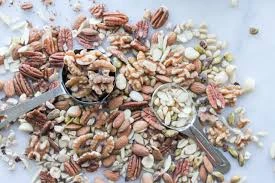
Whether you're a seasoned farmer, a snack producer, or a health food distributor, understanding the nuances of sunflower seed specifications can set your business apart. Firstly, size matters. Sunflower seeds typically come in two types confectionery and oilseed. Confectionery seeds are often larger and have a crunchy texture perfect for snacking. Their robust size and appealing taste make them a favorite for retail snack lines or as a nutritious addition to granola, salads, and trail mixes.
Conversely, oilseed sunflower seeds, while smaller, are immensely valuable for oil production. Cold-pressed sunflower oil, celebrated for its high smoke point and neutral flavor, has a strong market presence in both culinary and cosmetic industries. This variety contains a higher concentration of fats and is the choice selection for businesses focusing on oil extraction.

Seed coating is another variable that defines sunflower seed utility. While raw, unsalted seeds appeal to health-conscious markets, seasoned and flavored coatings can create exciting product lines. From spicy to sweet, the flavor profiles that can be developed are endless, providing a perfect opportunity for brands aiming to innovate within the snack industry.
The nutritional composition of sunflower seeds enhances their market appeal. These seeds are rich in Vitamin E, magnesium, and selenium, which are all vital for maintaining a healthy body. Producers who emphasize these health benefits within their marketing strategies can attract a more health-aware customer base, effectively differentiating their product lines.
different specifications sunflower seeds
Quality grading further categorizes sunflower seeds, influencing their market positioning. High-grade seeds are often targeted towards direct consumer sales, ensuring a premium experience, while lower-grade options can be used efficiently in bulk production processes, such as oil extraction, where aesthetics and size are not primary concerns.
Understanding climate implications and the growing process also enhances expertise and authority in this domain. Sunflower cultivation requires specific conditions—adequate sunlight, well-drained soil, and proper watering schedules. Expertise in these areas can lead to a more efficient production process and a higher yield of superior seeds, providing a cost advantage and competitive edge.
Trustworthiness in the sunflower seed market can be achieved by adhering to industry standards and sustainable practices. Ethical sourcing and full transparency in production not only strengthen consumer trust but also position the brand as a responsible entity in the marketplace.
In conclusion, exploring the different specifications of sunflower seeds through their size, type, coating, nutritional profile, quality grading, and cultivation requirements provides a comprehensive understanding beneficial for businesses looking to harness the full potential of this versatile seed. Establishing expertise and authority in these areas, coupled with a commitment to ethical practices, can effectively enhance a business's standing in the marketplace, catering to diverse consumer needs while promoting trust and longevity in the industry.
-
Buy Bulk Sunflower Seeds: Top Exporter & Supplier
NewsAug.19,2025
-
Delicious Macadamia Nuts: Creamy, Crunchy & Nutrient-Rich
NewsAug.18,2025
-
Gourmet Premium Packaged Biscuits | Exquisite Selection
NewsAug.17,2025
-
Sweet & Healthy Raisins: Natural Energy for Snacking & Baking
NewsAug.16,2025
-
Premium Dried Fish: Protein-Rich & Flavorful Delights
NewsAug.15,2025
-
Buy Bulk Sunflower Seeds Exporter | Premium Quality Global Supply
NewsAug.14,2025