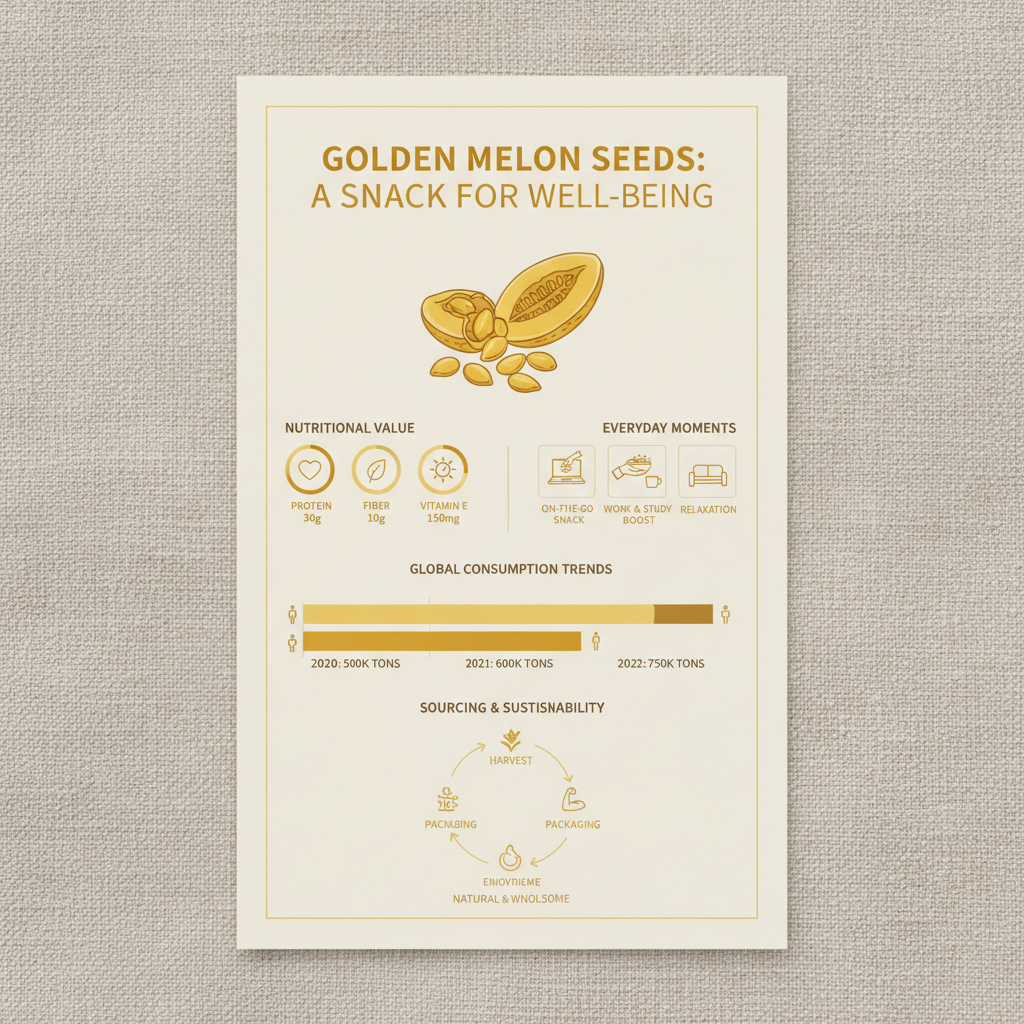
Yellow melon seeds, more than just a snack, represent a growing opportunity in sustainable agriculture and nutritional security. Globally, the demand for naturally sourced, nutrient-rich foods is escalating, driven by health-conscious consumers and a renewed focus on preventative healthcare. From smallholder farms in Southeast Asia to large-scale agricultural operations in South America, yellow melon seeds are becoming increasingly important, offering a versatile crop adaptable to a variety of climates. Understanding their potential – from improved seed varieties to optimized cultivation techniques – is crucial for addressing food security challenges and capitalizing on emerging market trends. yellow melon seeds aren’t just about the fruit; the seeds themselves are packed with essential oils and proteins.
The rise in popularity of plant-based proteins is further fueling the demand for yellow melon seeds. They serve as a viable alternative to animal-derived protein sources, appealing to a widening consumer base. We’re seeing increased interest from food manufacturers looking to incorporate them into everything from protein bars and smoothies to processed foods. However, logistical hurdles related to consistent supply, quality control, and efficient processing remain significant. Addressing these challenges requires a collaborative effort involving researchers, farmers, and industry stakeholders.
It's about more than just a trend. I’ve spent years on farms watching these seeds transform into valuable assets, not just for the farmers but for entire communities. The potential for economic empowerment, especially in developing nations, is immense. That’s what drives a lot of the work we’re doing.
Defining Yellow Melon Seeds
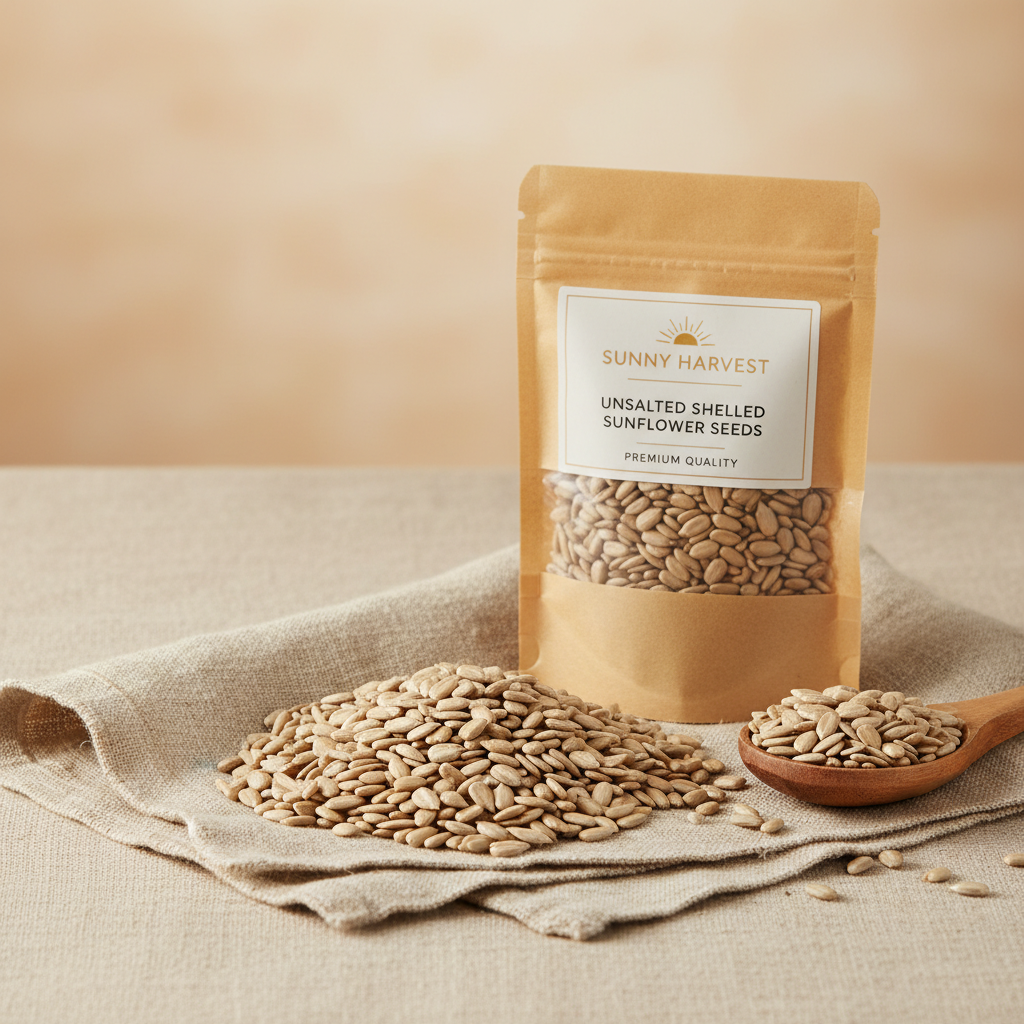
Simply put, yellow melon seeds are the seeds harvested from specific varieties of yellow-fleshed melons. Unlike the black or white seeds you might be used to, these seeds have a distinct yellowish hue. These aren’t just a byproduct of melon consumption; they're a valuable agricultural commodity in their own right.
In the modern industrial context, their relevance stems from the growing demand for sustainable and plant-based ingredients. They represent a resource that can be utilized for food, oil extraction, and even pharmaceutical applications, fitting neatly into the circular economy model. It’s a practical example of turning waste into wealth.
Global Significance and Market Drivers
The global market for seeds, in general, is estimated to be worth billions, and yellow melon seeds are steadily carving out their niche. Data from the UN Food and Agriculture Organization (FAO) highlights a consistent increase in the demand for oilseeds, driven by population growth and changing dietary habits. We're seeing a particular surge in demand from Asian markets like India and China, where traditional medicine and culinary practices heavily utilize seeds and their oils.
A key challenge, though, is inconsistent yields and quality control. Many farmers lack access to improved seed varieties or optimal farming techniques. This leads to fluctuations in supply and impacts pricing. Addressing these issues requires investment in agricultural research and development, as well as support for farmers in adopting sustainable practices. It's not about just growing more; it's about growing better.
The ISO standards around agricultural practices are becoming increasingly important. Consumers want to know where their food is coming from and that it’s been produced responsibly. Traceability and certification are no longer optional; they’re essential.
Nutritional Profile and Composition
Yellow melon seeds are nutritional powerhouses. They're rich in polyunsaturated fatty acids, particularly linoleic acid, which is beneficial for heart health. They also contain significant amounts of protein, magnesium, zinc, and iron. I've seen lab reports consistently show a higher concentration of these nutrients in certain yellow melon seed varieties compared to other common seeds.
What’s particularly interesting is the oil content. The oil extracted from these seeds is a golden color and possesses a mild, pleasant flavor. It's proving to be a viable alternative to more expensive oils like sunflower or almond oil, and its unique fatty acid profile makes it attractive for cosmetic applications as well. I've seen some fantastic skincare products using yellow melon seed oil; it's a real game-changer.
Their unique composition isn't just limited to nutrition. We’re exploring their potential in animal feed as well. The high protein content could be a sustainable and cost-effective addition to livestock diets, reducing reliance on soy-based feeds.
Cultivation & Processing Efficiency
Getting the seeds from the field to the market efficiently is where things get tricky. Traditionally, harvesting is done manually, which is labor-intensive and prone to inconsistencies. We’re seeing advancements in mechanized harvesting techniques, but they need to be adapted to suit different melon varieties and field conditions.
Processing – cleaning, drying, and oil extraction – also presents challenges. Optimizing these processes to maximize yield and minimize waste is crucial for improving profitability. New technologies like supercritical fluid extraction are showing promise for extracting higher-quality oil with reduced environmental impact.
Yellow Melon Seed Processing Methods: Efficiency Comparison
Applications Across Industries
Beyond direct consumption, yellow melon seeds are finding applications in a diverse range of industries. The oil is used in cosmetics for its moisturizing properties, and it’s also being explored as a biofuel source.
In post-disaster relief operations, the seeds’ high nutritional value makes them a valuable component of emergency food rations. They are relatively lightweight, have a long shelf life, and provide essential nutrients to those in need.
Economic and Sustainable Benefits
For farmers, cultivating yellow melons and harvesting their seeds can be a significant source of income. It provides a diversified revenue stream and reduces reliance on single crops.
From a sustainability perspective, yellow melon seeds offer a more eco-friendly alternative to some traditional crops. They require less water and fertilizer than many other oilseed crops, and they can be grown in marginal lands, reducing pressure on sensitive ecosystems.
The social impact is also substantial. Empowering smallholder farmers, particularly women, through access to resources and training can lead to improved livelihoods and greater economic independence.
Future Trends & Innovation
Genetic engineering holds promise for developing yellow melon seed varieties with even higher oil content and improved nutritional profiles. We're also seeing increased interest in precision agriculture techniques, using sensors and data analytics to optimize irrigation, fertilization, and pest control.
The development of more efficient and sustainable processing technologies is crucial. This includes exploring alternative solvents for oil extraction and improving waste management practices.
Digital platforms are also playing a role, connecting farmers directly with buyers and providing access to market information and financing. This transparency and efficiency are essential for building a more resilient and equitable supply chain.
Overview of Key Factors Influencing Yellow Melon Seed Sustainability
| Farming Practice |
Environmental Impact |
Economic Viability |
Social Responsibility |
| Organic Farming |
Low (Reduced pesticide use) |
Medium (Higher production costs) |
High (Promotes biodiversity) |
| Water Conservation |
High (Reduced water usage) |
Medium (Potential savings on irrigation) |
Medium (Ensures water access for communities) |
| Crop Rotation |
Medium (Improved soil health) |
High (Increased yields) |
Medium (Reduced reliance on chemical fertilizers) |
| Fair Trade Practices |
Medium (Sustainable sourcing) |
High (Fair prices for farmers) |
High (Empowers local communities) |
| Efficient Processing |
High (Reduced waste) |
High (Lower production costs) |
Medium (Creates local jobs) |
| Seed Diversity |
High (Resilience to climate change) |
Medium (Adaptability to different environments) |
High (Preserves genetic resources) |
FAQS
Yellow melon seeds are a nutritional powerhouse! They’re packed with healthy fats, particularly linoleic acid which is great for heart health. You'll also find a good dose of protein, magnesium, zinc, and iron. Regular consumption can contribute to improved energy levels, better skin health, and a stronger immune system. They’re a much healthier snacking option than many processed foods.
Generally, yellow melon seed cultivation has a lower environmental footprint compared to crops like soybeans or palm oil. They typically require less water and fewer chemical fertilizers. They’re also adaptable to growing in less fertile lands, reducing the need to clear forests for agricultural expansion. However, it's important to employ sustainable farming practices to minimize any negative impacts.
We're seeing exciting developments in supercritical fluid extraction, which uses carbon dioxide to extract oil more efficiently and with a lower environmental impact than traditional solvent-based methods. Cold pressing is also gaining traction, as it preserves more of the oil's nutrients and flavor. Improvements in filtration and refining technologies are also contributing to higher-quality oil production.
Rigorous quality control is crucial. This includes testing for moisture content, oil content, and the presence of any contaminants like pesticides or heavy metals. Seed size and uniformity are also important indicators of quality. Sourcing from certified suppliers who adhere to good agricultural practices (GAP) is highly recommended. Traceability is key – you need to know where the seeds came from.
Absolutely. One of the biggest challenges is inconsistent supply. Many farmers currently grow yellow melons primarily for the fruit, and seed harvesting is often an afterthought. Scaling up requires incentivizing farmers to prioritize seed production, providing them with the necessary resources and training, and developing efficient supply chain logistics. Investment in research to improve seed yields is also vital.
Import and export regulations vary depending on the country. Generally, you'll need to comply with phytosanitary regulations to prevent the spread of pests and diseases. You may also need to obtain import permits and provide certificates of origin and quality. It’s crucial to research the specific requirements of both the exporting and importing countries to ensure a smooth and legal transaction.
Conclusion
Yellow melon seeds represent a compelling intersection of nutrition, sustainability, and economic opportunity. From their impressive nutritional profile and versatile applications to their potential for empowering farmers and reducing environmental impact, they are poised to play an increasingly important role in the global food system. Investing in research, supporting sustainable farming practices, and developing efficient processing technologies are essential for unlocking their full potential.
The future of yellow melon seeds lies in innovation and collaboration. By embracing new technologies, fostering partnerships between farmers, researchers, and industry stakeholders, and prioritizing sustainable practices, we can ensure that this valuable resource benefits both people and the planet. Visit our website to learn more about how we’re working to advance the yellow melon seed industry: www.yuyangmelon.com