When businesses look to buy sunflower plant materials or high-quality processed seeds, they are entering a market that balances agricultural purity with sophisticated food processing. Sunflower seeds are not merely snacks; they are nutrient-dense entities rich in Vitamin E and phenolic acids, making them a staple in the leisure snack and health food sectors.
The challenge for procurement managers in the food manufacturing industry is finding a supplier that ensures strict screening and processing. From raw shelled seeds to specialized vine pepper flavors, the quality of the raw material directly impacts the final product's shelf life and consumer acceptance.
This comprehensive guide analyzes the technical specifications, nutritional applications, and procurement standards for sunflower seeds. Whether you are sourcing for bakery use or retail snack production, understanding the nuances of seed grading and processing is essential for maintaining quality and safety standards.

1Understanding Sunflower Seed Grading and Types

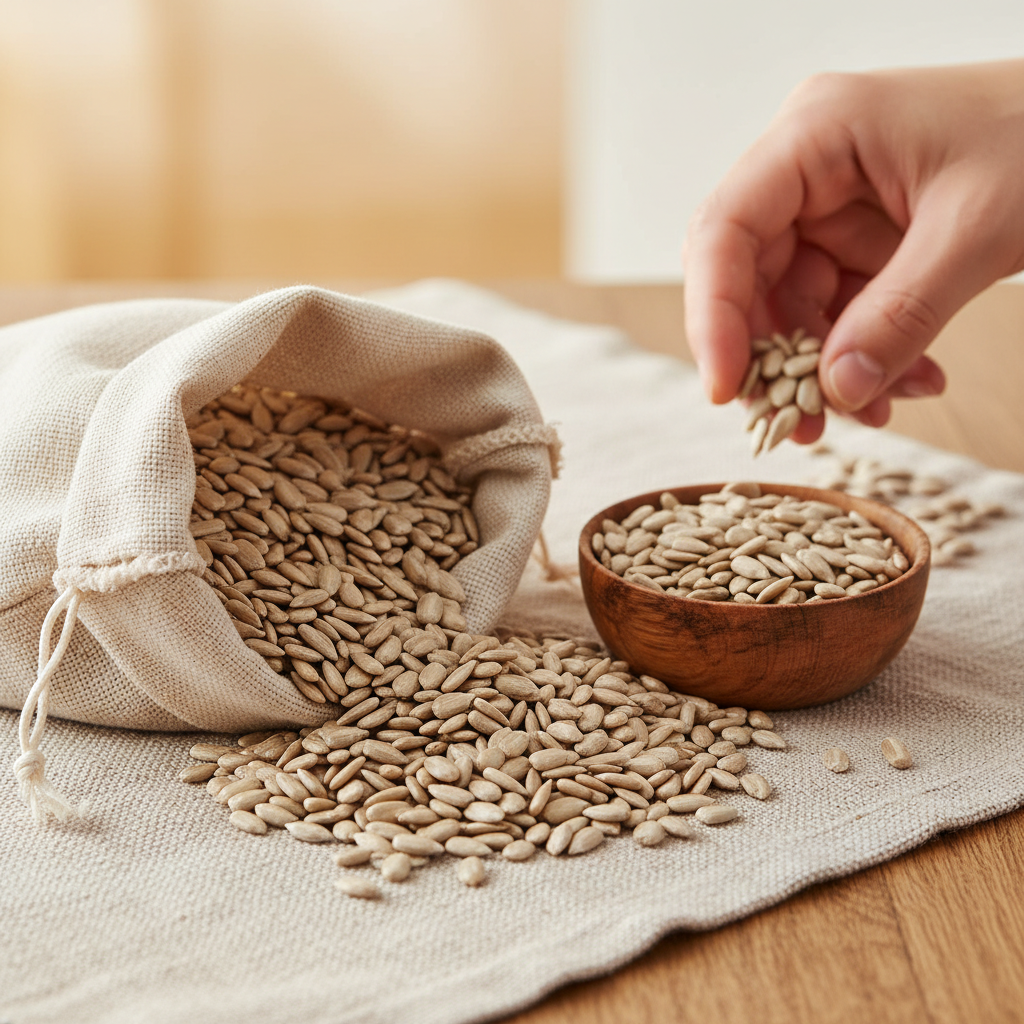
Sourcing the right sunflower seeds requires a deep understanding of the available types. The market distinguishes between raw sunflower seeds, shelled kernels, and roasted flavored seeds. For those looking to buy sunflower plant derivatives, the choice often depends on the final application—whether it be for industrial baking or direct consumer retail.
Raw shelled seeds are typically categorized by their "type," such as 361, 363, or T6, which define the seed's physical characteristics. These specifications are vital for automation in food processing lines where seed size determines the efficiency of roasting and seasoning equipment.
Roasted products, such as vine pepper flavored melon seeds, add a layer of complexity. These require a precise pickling process and careful roasting to ensure the flavor penetrates the kernel without compromising the seed's structural integrity or introducing burnt notes.
2Core Technical Specifications for Bakery and Snacks
Technical specifications are the bedrock of quality control. For bakery-grade sunflower kernels, size consistency is measured in pieces per ounce (e.g., 450-550pcs/oz). This ensures that the kernels are evenly distributed in breads or biscuits, preventing uneven baking or texture issues in the final product.
For roasted seeds, the specification ranges from 180-190 to 230-240, indicating the seed count or size grade. Maintaining these standards allows manufacturers to standardize their packaging, ensuring that a 250g or 500g bag contains a consistent volume and weight of product.
Moreover, the use of pollution-free raw materials from regions like Xinjiang and Inner Mongolia ensures that the seeds meet international safety standards, which is a prerequisite for ISO9001 certification and export eligibility in the global leisure snack market.
3Nutritional and Therapeutic Applications
Beyond taste, sunflower seeds are valued for their medicinal and dietary benefits. They are a potent source of Vitamin E and phenolic acid, which act as antioxidants. These compounds help maintain nerve and muscle tissue and stabilize capillary walls, making them a functional food choice for cardiovascular health.
From a dietary perspective, sunflower seeds contain approximately 50% fat, primarily consisting of unsaturated fats. This profile, combined with the absence of cholesterol and a high concentration of iron, zinc, and magnesium, makes them an effective supplement for preventing anemia and supporting bone health.
For the food industry, highlighting these "therapeutic" values allows brands to pivot from simple "snacks" to "wellness products," increasing the value proposition for health-conscious consumers looking for nutrient-dense alternatives to traditional processed snacks.
4Processing Performance and Quality Metrics
The efficiency of sunflower seed production is measured by the ability to maintain purity while scaling volume. High-grade processing involves a multi-stage screening process that removes impurities and undersized seeds, ensuring that only the most robust kernels reach the roasting stage.
When comparing standard industry processing to optimized systems, the difference lies in the "pickling" and "roasting" precision. Advanced equipment allows for the creation of specialized flavors, such as vine pepper, without altering the seed's internal nutrient structure.
buy sunflower plant Performance Metrics
The data indicates that specialized processing not only improves the flavor profile but significantly increases the shelf stability of the product. By controlling moisture levels during the roast, the seeds remain crisp and resistant to rancidity for longer periods.
5Procurement and Supply Chain Logistics
Procuring sunflower seeds at scale requires a strategic approach to logistics. For bulk buyers, the Minimum Order Quantity (MOQ) is often set at 1 ton per product. This scale ensures that the cost of transportation and processing is optimized, allowing for more competitive pricing per unit.
Payment and delivery terms are typically structured around a 30% deposit and 70% upon the copy of the bill of lading, or via L/C payable on sight. This manages risk for both the supplier and the buyer, ensuring a steady flow of raw materials without compromising cash flow.
Delivery timelines are critical, especially for seasonal snacks. A standard lead time of 20 days after contract signing is typical, but experienced exporters can shorten this through efficient warehouse management and pre-sorted stock.
6Industry Trends in Seed Processing
The leisure snack industry is shifting toward "clean label" products. This means a reduction in artificial additives and a focus on natural flavorings. The development of multi-flavor peeled melon seeds and sunflower kernels reflects this trend, where the flavor is integrated into the seed through natural pickling processes.
Another significant trend is the integration of research and development (R&D) into the production line. Companies are now using laboratory equipment to test the exact lipid profile of their seeds, ensuring that the high oleic content is maintained for health-conscious markets.
Furthermore, the industry is moving toward fully enclosed management in workshops. This standardization reduces contamination risks and ensures that products meet the strict requirements of international quality management systems like ISO9001.
7Comparison of Sunflower Seed Varieties
Choosing between different seed types depends on the end-use. While raw kernels are ideal for industrial baking and flour production, roasted flavored seeds are designed for immediate consumption. The following table provides a decision matrix for procurement teams.
When analyzing these options, buyers must consider the balance between cost and application. For instance, candy-grade kernels command a higher price but are essential for high-end confectionery products where aesthetics and size are paramount.
| Seed Type | Primary Application | Key Strength | Packaging Recommendation |
|---|---|---|---|
| Raw Shelled | Bakery / Flour | Purity & Versatility | 25kg Vacuum Bag |
| Roasted Flavored | Retail Snacks | Consumer Taste | Custom Poly/Paper Bag |
| Candy Grade | Confectionery | Aesthetic Size | Small Vacuum Pack |
| Baking Grade | Industrial Bread | Heat Stability | Bulk Carton Box |
| High Oleic | Health Foods | Nutritional Profile | Vacuum Foil Pack |
| Sliced Kernels | Toppings / Granola | Surface Area | Moisture-proof Bag |
Ultimately, the decision should be based on the target consumer's needs. Those seeking a healthy, low-cholesterol snack will prioritize raw or lightly roasted kernels, while the leisure snack market will drive demand for flavored, high-impact varieties.
Frequently Asked Questions
Conclusion
Sourcing high-quality sunflower seeds is a strategic decision that impacts everything from the nutritional profile of a health food to the texture of a commercial bakery product. By focusing on precise technical specifications, understanding the therapeutic value of the seeds, and implementing rigorous supply chain controls, businesses can ensure consistent quality and consumer satisfaction.
For procurement teams evaluating reliable sources for raw or processed seeds, reviewing the available product specifications and quality certifications is the first step. Detailed product information and sourcing options can be explored at www.yuyangmelon.com.