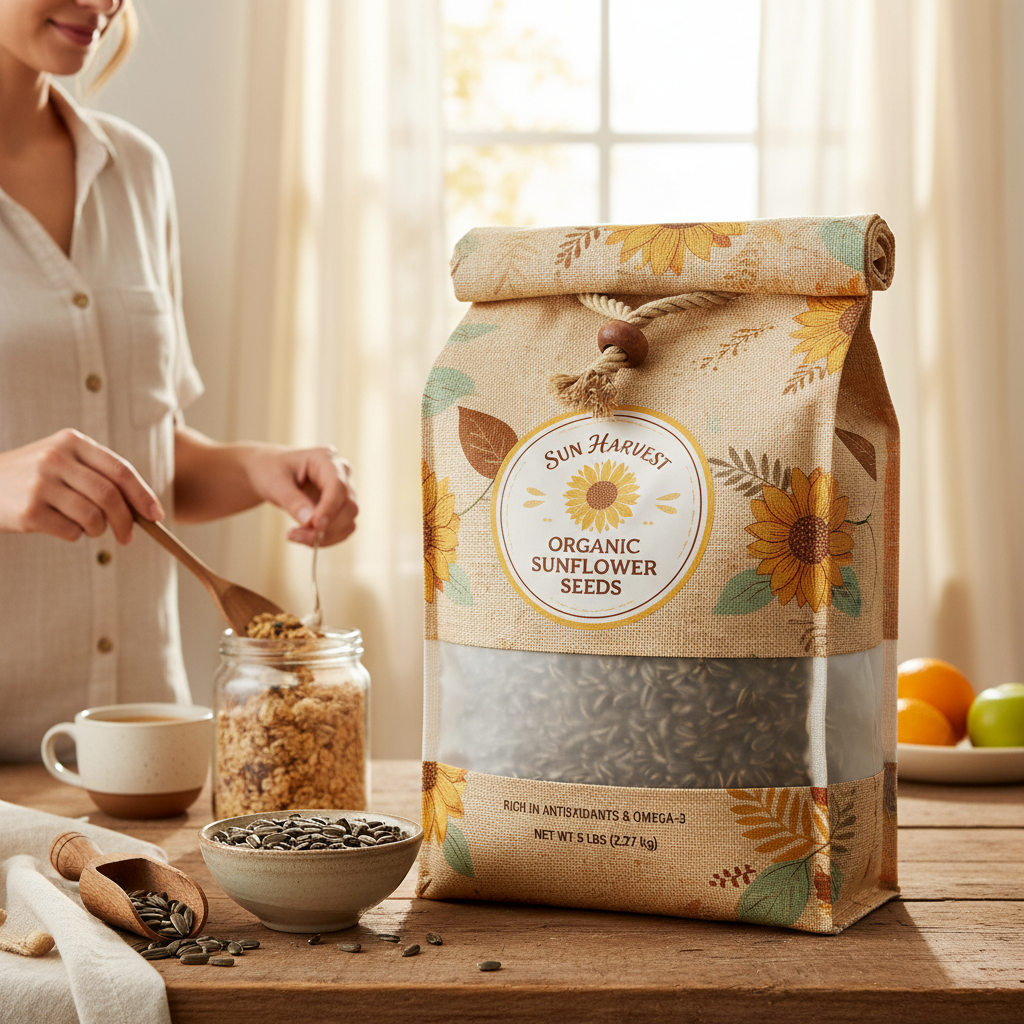
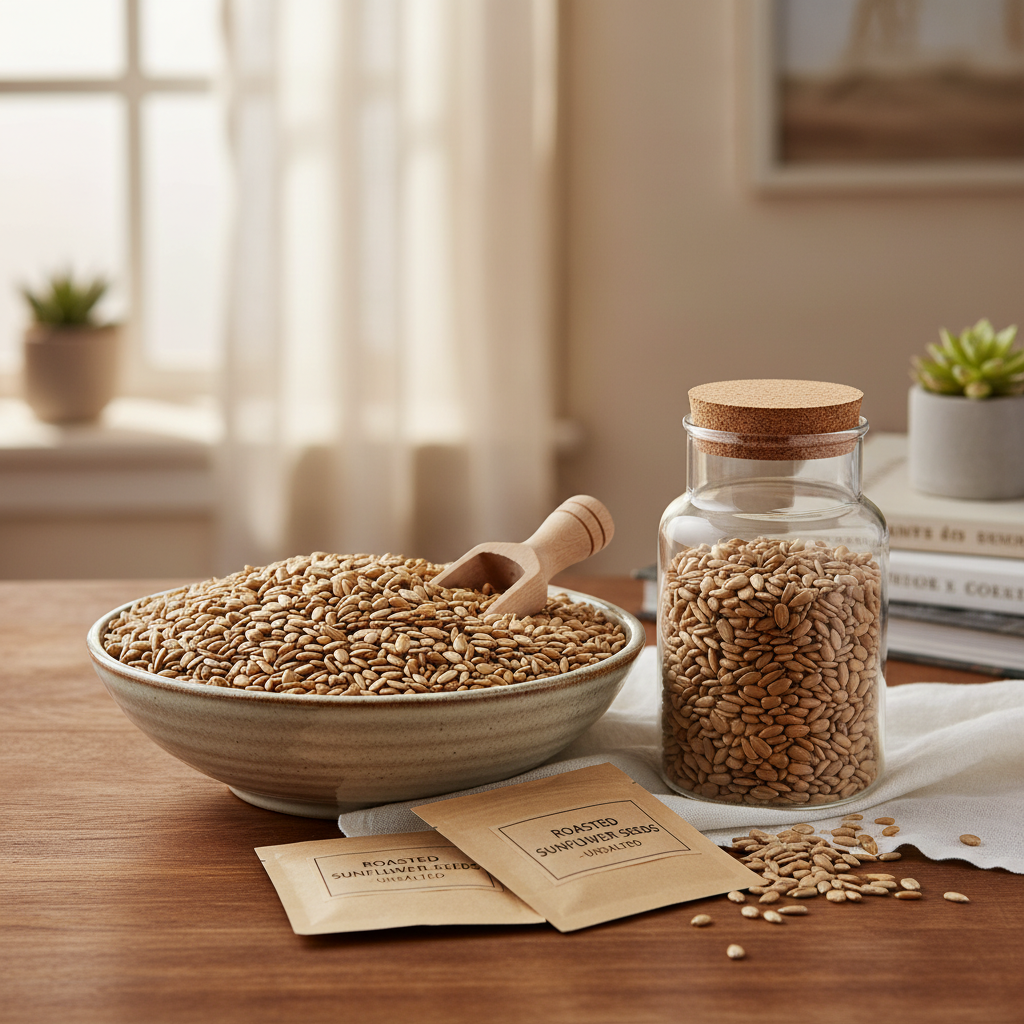
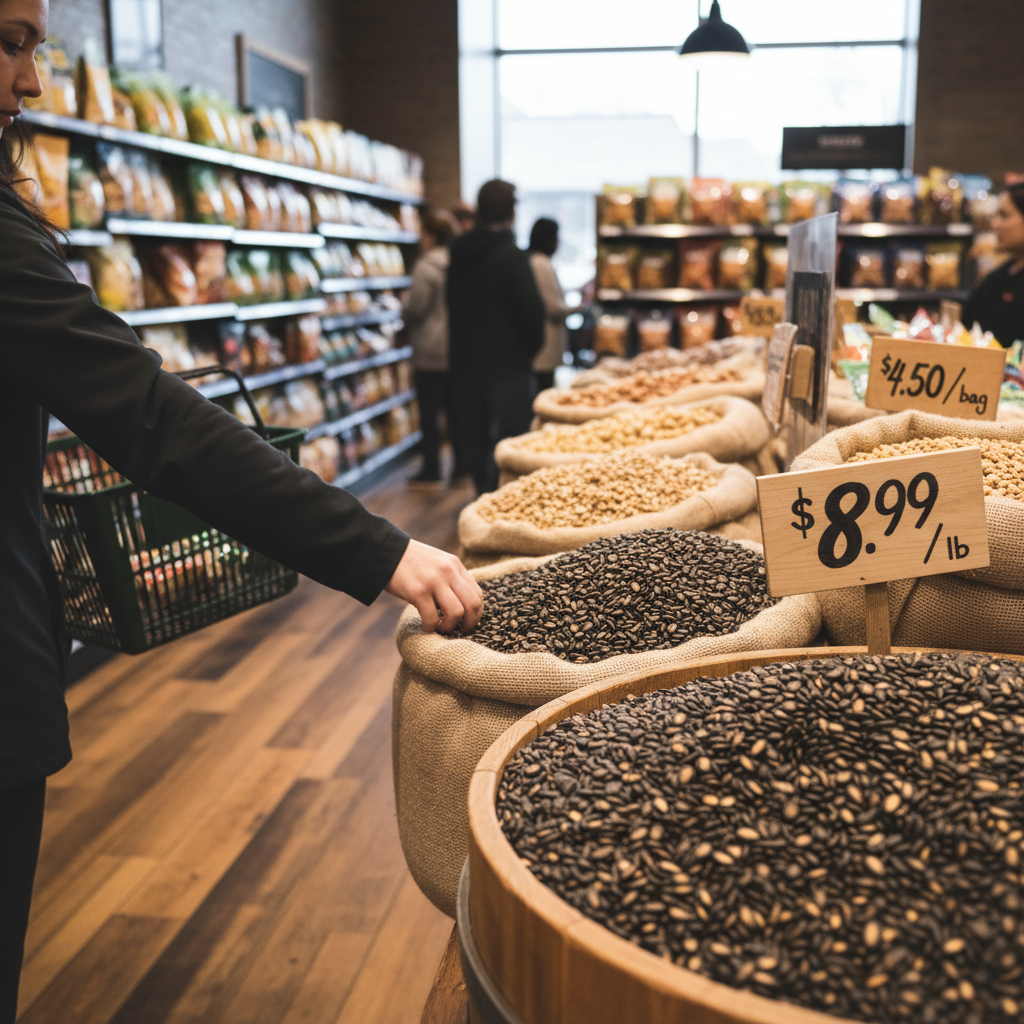
Sunflower seeds are a versatile agricultural product with increasing global demand, leading to a robust market for those looking to buy sunflower seeds in bulk. This demand is driven by a variety of factors, including the growing popularity of sunflower oil, a healthy and widely-used cooking oil, and the expanding market for sunflower seeds as a nutritious snack food. Understanding the intricacies of bulk purchasing – from sourcing and quality control to logistics and pricing – is critical for businesses and organizations reliant on a consistent, cost-effective supply.
The global sunflower seed market is significantly impacted by geopolitical factors, climate change, and fluctuating commodity prices. Major producing countries, like Ukraine, Russia, and Argentina, often experience production variations that affect global supply chains. Consequently, businesses are increasingly looking for reliable and diversified sources, often turning to bulk purchasing to secure favorable terms and mitigate risk. Effective strategies to buy sunflower seeds in bulk involve careful market analysis and building strong relationships with reputable suppliers.
The ability to buy sunflower seeds in bulk offers significant advantages, particularly for food processing companies, animal feed manufacturers, and even birdseed producers. This approach enables economies of scale, reduced per-unit costs, and improved supply chain security. However, successful bulk purchasing requires expertise in storage, handling, and quality assurance to maintain the integrity of the product throughout the supply chain.
The Importance of Bulk Sunflower Seed Procurement
Procuring sunflower seeds in bulk is more than just acquiring a product; it’s establishing a strategic advantage in a competitive market. Businesses that consistently buy sunflower seeds in bulk gain greater control over their supply chain, ensuring consistent access to a crucial ingredient or commodity. This proactive approach minimizes disruptions caused by unpredictable market fluctuations and seasonal variations.
The ability to negotiate favorable pricing and secure long-term contracts is another significant benefit of bulk purchasing. Suppliers are often more willing to offer discounts and tailored terms to buyers committing to large volumes, directly impacting profitability. Ultimately, effective bulk procurement is a foundational element for sustained success in industries reliant on sunflower seeds.
Defining Bulk Sunflower Seed Purchases
“Bulk” in the context of sunflower seed purchasing typically refers to quantities significantly exceeding standard retail packaging – often measured in metric tons or multiple container loads. This scale necessitates specialized logistics, storage facilities, and quality control procedures. The minimum order quantities to qualify as a “bulk” purchase vary depending on the supplier and the specific type of sunflower seed (e.g., oilseed vs. confectionary).
Understanding the different grades and varieties of sunflower seeds is critical when considering a bulk purchase. Oilseed varieties are primarily used for oil extraction, while confectionary seeds are intended for direct consumption. The oil content, kernel size, and presence of hull are key characteristics that dictate pricing and suitability for specific applications. Effectively communicating your intended use to the supplier is essential to ensure you buy sunflower seeds in bulk that meet your precise requirements.
Bulk purchases also involve detailed contractual agreements outlining specifications, delivery schedules, payment terms, and dispute resolution mechanisms. Thoroughly reviewing and understanding these contracts is crucial to protect your interests and ensure a smooth transaction. Legal counsel with expertise in agricultural commodity trading is often recommended for significant bulk purchases.
Key Factors Influencing Bulk Sunflower Seed Quality
Maintaining consistent quality is paramount when you buy sunflower seeds in bulk. Several key factors influence the quality of the seeds, starting with the origin and farming practices. Seeds sourced from regions with favorable growing conditions and adhering to sustainable agricultural practices generally exhibit higher oil content and lower levels of contaminants.
Post-harvest handling and storage play a critical role in preserving quality. Improper drying, storage in humid environments, or exposure to pests can lead to mold growth, oil degradation, and reduced germination rates. Reputable suppliers implement rigorous quality control measures throughout the entire process, from field to storage facility.
Third-party certifications, such as those from ISO or organic farming organizations, provide an additional layer of assurance regarding quality and sustainability. Performing independent laboratory testing to verify oil content, moisture levels, and the absence of harmful contaminants is also recommended, especially for large-volume purchases.
Cost Efficiency and Market Dynamics When You Buy Sunflower Seeds in Bulk
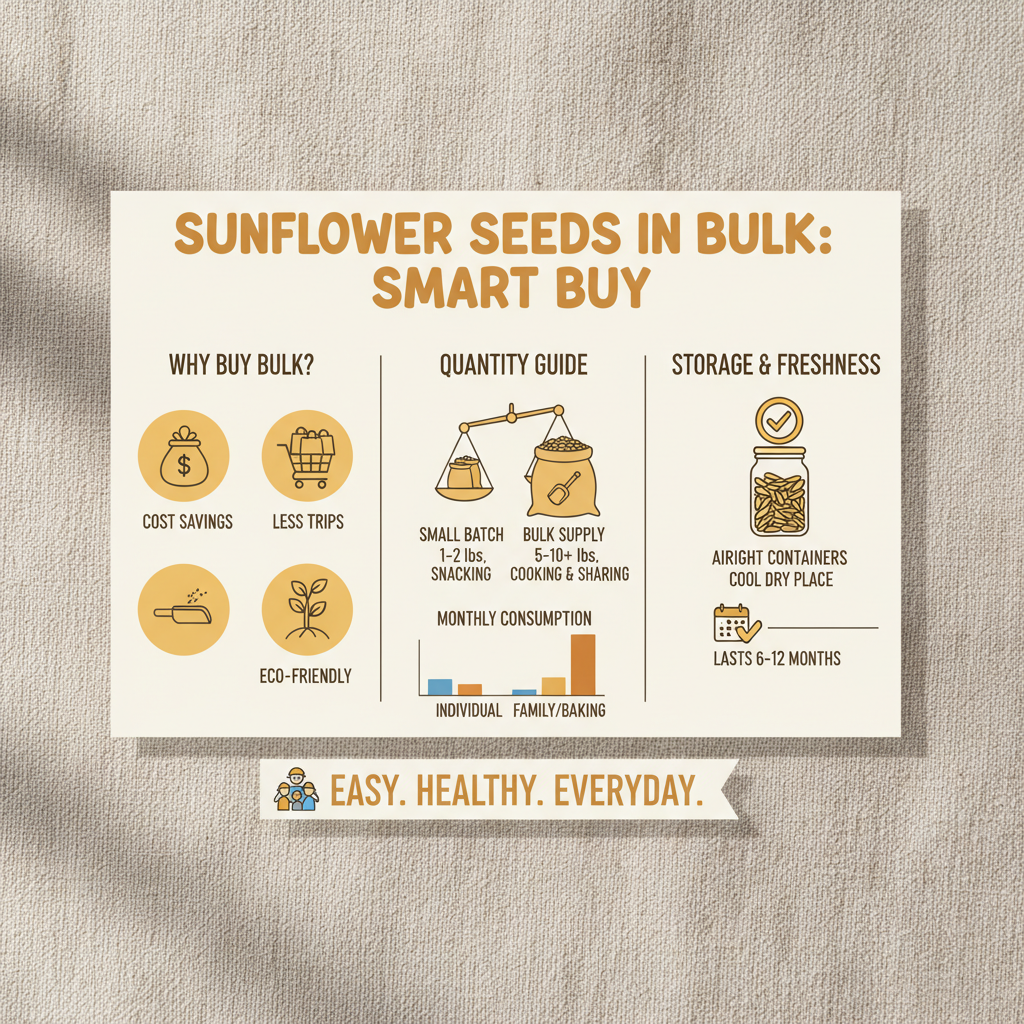
The primary driver for many businesses to buy sunflower seeds in bulk is cost efficiency. Larger volumes typically translate to lower per-unit prices due to economies of scale and reduced transaction costs. However, simply focusing on the lowest price can be a shortsighted approach. Total cost of ownership, which includes transportation, storage, and potential spoilage, should be carefully considered.
Cost Analysis of Sunflower Seed Procurement Methods
Global Applications and Industries Benefiting from Bulk Purchases
The food processing industry is a major consumer of sunflower seeds purchased in bulk, utilizing them for the production of sunflower oil, margarine, and various snack foods. The demand for healthy oils and convenient snack options continues to drive growth in this sector. Animal feed manufacturers also rely on sunflower seed meal – a byproduct of oil extraction – as a valuable protein source.
Beyond food and feed, sunflower seeds find applications in the cosmetics and pharmaceutical industries. Sunflower oil is used in skincare products for its moisturizing properties, while extracts from sunflower seeds are incorporated into certain medications. Even birdseed producers depend on large quantities of sunflower seeds to cater to the growing pet market. These diverse applications contribute to the global demand to buy sunflower seeds in bulk.
Advantages and Long-Term Value of Buying Sunflower Seeds in Bulk
The long-term value of buying sunflower seeds in bulk extends beyond immediate cost savings. Establishing a reliable supply chain mitigates risks associated with price volatility and supply disruptions. This predictability allows businesses to plan more effectively and maintain consistent production schedules.
Furthermore, building strong relationships with suppliers often leads to preferential treatment, including priority access to new varieties, customized packaging options, and collaborative product development initiatives. These strategic partnerships foster innovation and enhance overall competitiveness. Ultimately, a well-managed bulk purchasing strategy is an investment in the long-term sustainability and resilience of your business.
Future Trends in Sunflower Seed Sourcing and Bulk Purchasing
Sustainability is increasingly becoming a key consideration in sunflower seed sourcing. Consumers are demanding ethically produced and environmentally friendly products, prompting businesses to prioritize suppliers with sustainable farming practices. Traceability and transparency throughout the supply chain are also gaining importance.
Digital platforms and online marketplaces are streamlining the bulk purchasing process, connecting buyers and sellers more efficiently and providing greater price transparency. The integration of blockchain technology promises to enhance traceability and combat fraud. Automation and artificial intelligence are also being employed to optimize logistics and improve supply chain management.
Innovations in sunflower seed breeding are focused on developing varieties with higher oil content, improved disease resistance, and enhanced nutritional profiles. These advancements will further enhance the value proposition of sunflower seeds and drive demand in various industries.
FAQS
Lead times for bulk sunflower seed orders can vary significantly depending on the supplier’s location, the quantity ordered, and current market conditions. Generally, expect a lead time of 4-8 weeks for shipments originating from major producing regions. It's crucial to discuss lead times and potential delays with your supplier upfront and factor them into your production planning.
Proper storage is vital to prevent degradation and maintain the quality of bulk sunflower seeds. Seeds should be stored in a cool, dry, and well-ventilated area, protected from direct sunlight and moisture. Maintaining a consistent temperature below 25°C and a relative humidity below 60% is recommended. Regularly inspect storage facilities for signs of pests or mold.
Reputable suppliers should have robust quality control measures in place, including regular testing for oil content, moisture levels, and the presence of contaminants. Look for suppliers with certifications from recognized organizations, such as ISO. Request sample batches for independent laboratory testing before committing to a large order.
Yes, international trade in sunflower seeds is subject to various import/export regulations, including phytosanitary certificates, customs duties, and potential tariffs. It's essential to familiarize yourself with the regulations of both the exporting and importing countries. Working with a customs broker can simplify the process and ensure compliance.
Common payment terms for bulk sunflower seed purchases include Letters of Credit (LC), Telegraphic Transfers (TT), and documentary collections. The specific terms will depend on the supplier and the creditworthiness of the buyer. It's crucial to clearly define payment terms in the contract to avoid misunderstandings and disputes.
Price fluctuations are inherent in commodity markets. To mitigate risk, consider entering into long-term contracts with fixed pricing, utilizing hedging strategies through commodity exchanges, or diversifying your sourcing to reduce reliance on a single supplier or region. Staying informed about market trends and geopolitical factors is also crucial.
Conclusion
In conclusion, the strategic decision to buy sunflower seeds in bulk offers significant advantages for businesses across diverse industries. From cost savings and supply chain security to enhanced sustainability and long-term partnerships, the benefits are compelling. Successfully navigating the complexities of bulk purchasing requires careful planning, diligent quality control, and a thorough understanding of market dynamics.
Looking ahead, the demand for sunflower seeds is poised to continue growing, driven by evolving consumer preferences and increasing awareness of their nutritional and environmental benefits. Proactive businesses that embrace sustainable sourcing practices and leverage innovative technologies will be best positioned to capitalize on these opportunities and build a resilient future. Visit our website at www.yuyangmelon.com to explore our bulk sunflower seed offerings and learn how we can support your business.