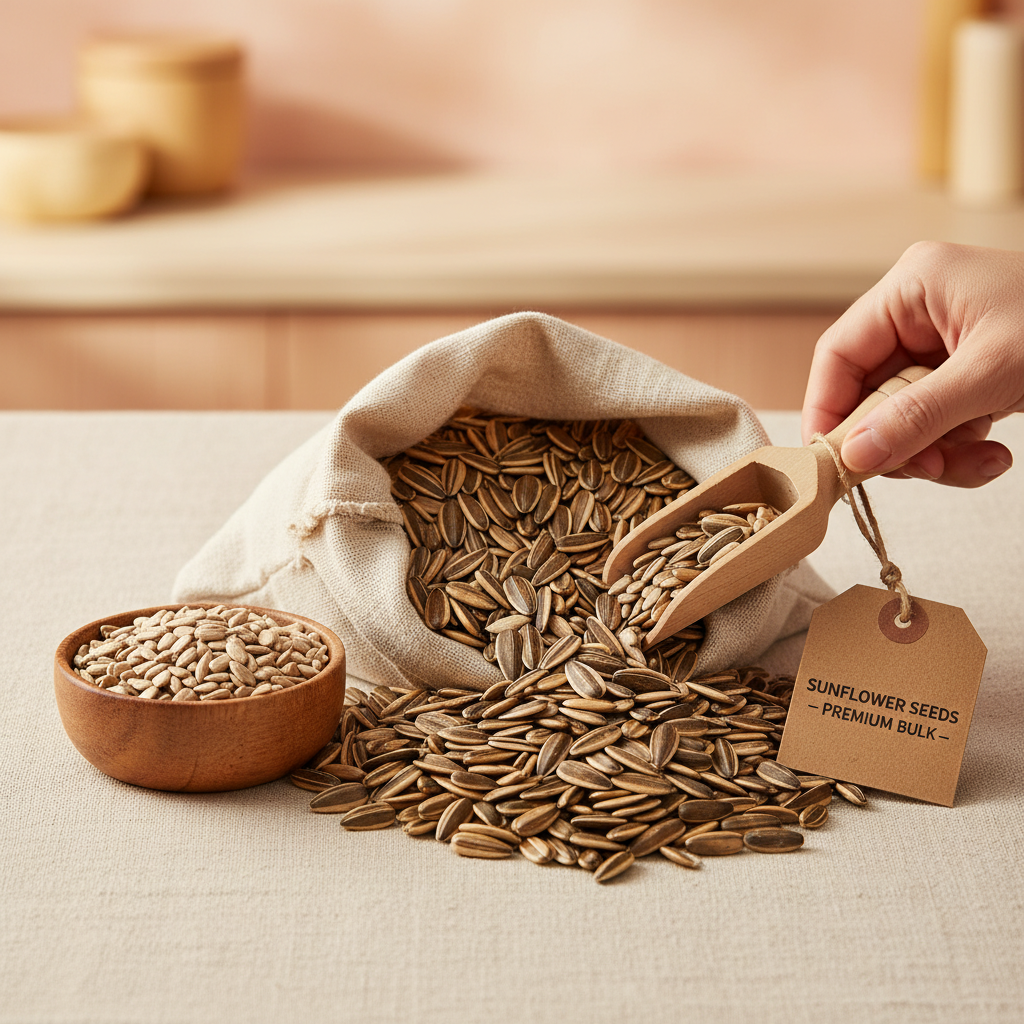
Melon seeds for cooking, often overlooked, represent a versatile and nutritious ingredient with a rich history spanning numerous cultures. From ancient culinary traditions to modern snack foods, these seeds offer a unique flavor profile and impressive health benefits. Understanding their potential – beyond simply discarding them – unlocks a world of culinary possibilities and sustainable food practices. This exploration delves into the various facets of utilizing melon seeds in the kitchen, highlighting their diverse applications and the growing interest in their nutritional value.
Globally, the consumption of seeds, including those from melons, is steadily increasing. Driven by a growing awareness of plant-based protein sources and the demand for functional foods, the market for seeds has experienced significant growth in recent years. According to the Food and Agriculture Organization of the United Nations (FAO), seed production plays a crucial role in food security and sustainable agriculture. Utilizing often-discarded resources like melon seeds aligns with the principles of a circular economy and reduces food waste, a significant challenge addressed by the UN’s Sustainable Development Goal 2: Zero Hunger.
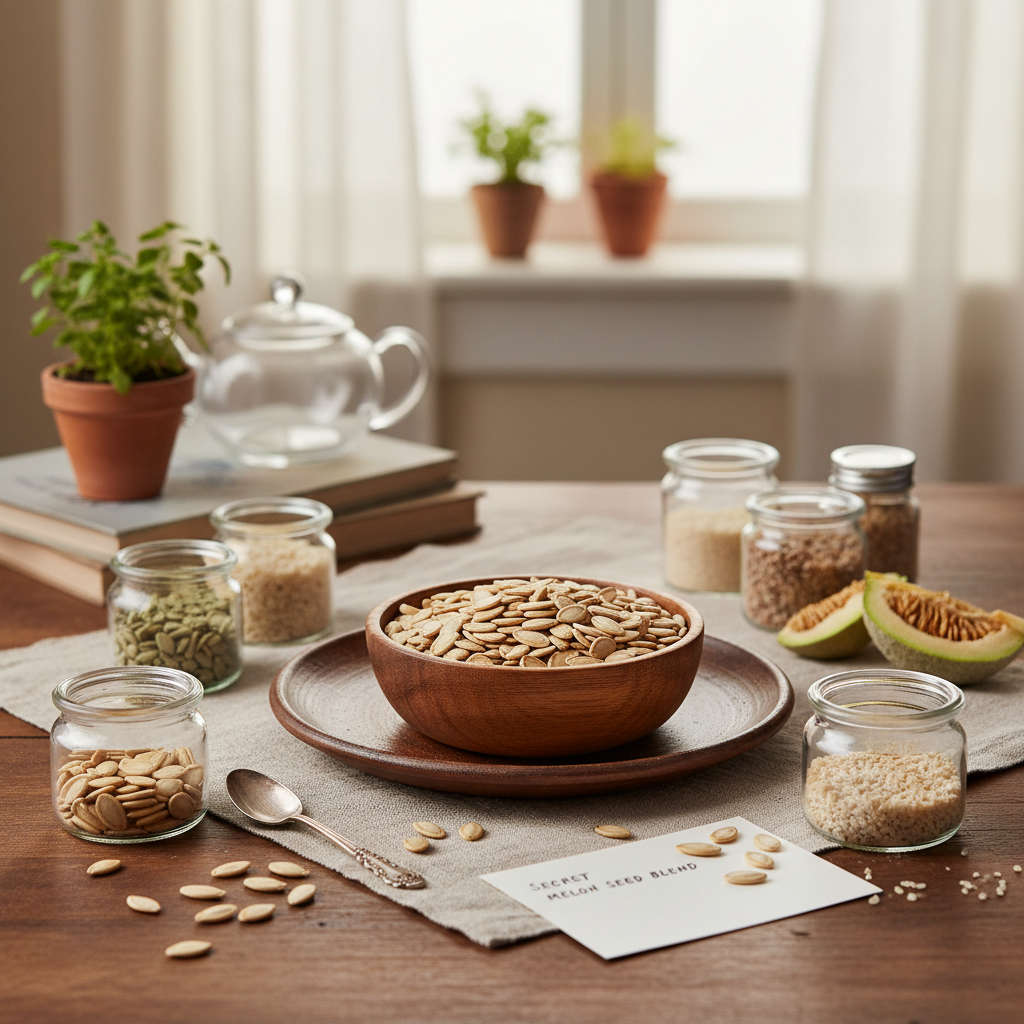
Melon seeds for cooking refer to the edible seeds extracted from various melon varieties – cantaloupe, honeydew, watermelon, and others. They are typically flat, oval-shaped, and covered with a pale hull. While often discarded, these seeds can be roasted, ground into flour, used as a thickening agent, or incorporated into various dishes to add texture and nutritional value. Recognizing them as a valuable food source is crucial in minimizing waste and maximizing the benefits of the entire melon fruit.
Introduction to Melon Seeds for Cooking
Melon seeds, often a byproduct of enjoying the fruit itself, are a surprisingly versatile ingredient. While commonly discarded, they possess a delicate nutty flavor and a wealth of nutritional benefits, making them a valuable addition to various cuisines. They are a source of essential fatty acids, protein, and minerals, contributing to a balanced diet.
The practice of utilizing melon seeds in cooking isn't new. Historically, many cultures recognized their value and incorporated them into traditional recipes. This resourcefulness stemmed from a desire to minimize waste and maximize the usability of available food sources. Today, with a growing emphasis on sustainability and reducing food waste, melon seeds are experiencing a resurgence in popularity among chefs and home cooks alike.
Nutritional Profile and Health Benefits
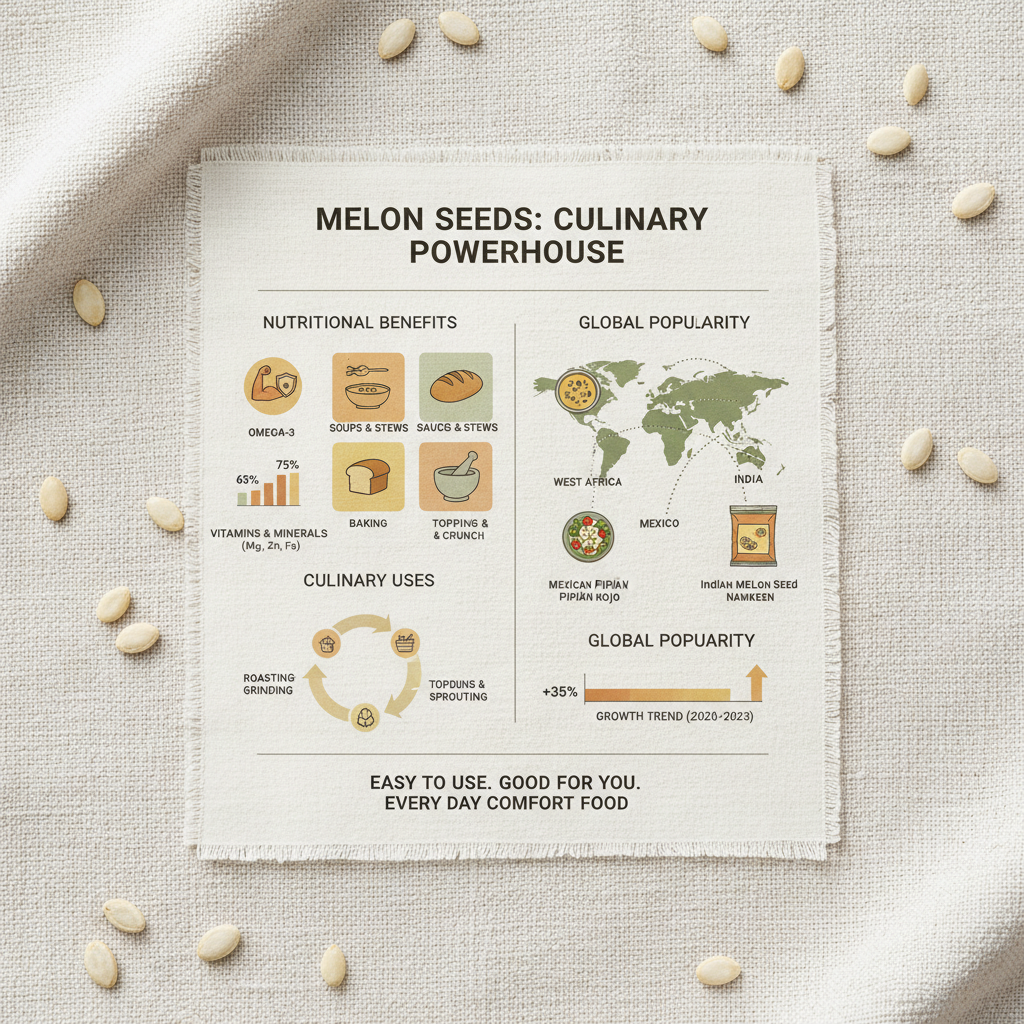
Melon seeds are a nutritional powerhouse. They are rich in unsaturated fats, particularly linoleic acid, which is beneficial for heart health. They also provide a good source of plant-based protein, essential for building and repairing tissues. Furthermore, melon seeds contain vital minerals like magnesium, potassium, and zinc, playing crucial roles in various bodily functions.
The health benefits extend beyond basic nutrition. The antioxidants present in melon seeds help combat free radicals, protecting cells from damage and potentially reducing the risk of chronic diseases. Their fiber content aids digestion and promotes gut health. Regular consumption, as part of a balanced diet, can contribute to improved overall well-being.
Specifically, the protein found in melon seeds is a complete protein, meaning it contains all nine essential amino acids. This makes it a valuable protein source for vegetarians and vegans seeking to diversify their diet. The magnesium content is particularly noteworthy, as it supports nerve function, muscle relaxation, and blood sugar control.
Harvesting and Preparation Techniques
Harvesting melon seeds for cooking is a simple process. After enjoying a melon, carefully collect the seeds, removing any attached pulp. Rinse them thoroughly under cold water to remove residual fruit sugars. The key to optimal flavor and texture lies in proper drying.
Spread the rinsed seeds in a single layer on a clean kitchen towel or baking sheet and allow them to air dry for several days, turning occasionally to ensure even drying. Alternatively, you can use a dehydrator at a low temperature. Properly dried seeds will be brittle and snap easily. Once dried, store them in an airtight container in a cool, dark place.
To enhance the flavor and texture, roasting the seeds is highly recommended. Preheat your oven to 350°F (175°C). Toss the dried seeds with a small amount of oil (olive or avocado oil work well) and your choice of seasonings (salt, pepper, chili powder, garlic powder). Spread them in a single layer on a baking sheet and roast for 10-15 minutes, or until golden brown and fragrant, stirring halfway through to prevent burning.
Versatility in Culinary Applications
Melon seeds offer a surprising degree of culinary versatility. Roasted seeds make a satisfying snack on their own, providing a crunchy texture and nutty flavor. They can also be added to salads, trail mixes, or granola for added nutritional value and texture.
Ground melon seeds can be used as a gluten-free flour alternative in baking, adding a unique flavor and a slightly coarser texture to breads, muffins, and pancakes. They can also be used as a thickening agent in soups and sauces. Their mild flavor makes them compatible with both sweet and savory dishes.
Melon Seeds for Cooking: Application Ratings
Global Culinary Traditions Featuring Melon Seeds
While often associated with modern healthy eating, the use of melon seeds has deep roots in various global culinary traditions. In many parts of Asia, particularly India and China, melon seeds are a common ingredient in savory dishes and snacks. They are often roasted with spices and used as a garnish or incorporated into stir-fries.
In Mexico and Central America, pumpkin seeds (a relative of melon seeds) have been used for centuries in traditional mole sauces and as a nutritious snack. The practice of utilizing seeds from various gourds and melons reflects a historical understanding of their value and a commitment to minimizing food waste.
Even in European cuisine, historical recipes demonstrate the use of melon seeds as a thickening agent in soups and stews, particularly in regions where other starch sources were scarce. This adaptability highlights their versatility and enduring culinary relevance.
Sustainability and Economic Impact
Utilizing melon seeds contributes significantly to sustainability by reducing food waste. Instead of discarding a valuable byproduct, they can be repurposed into a nutritious food source. This aligns with the principles of a circular economy, minimizing environmental impact and promoting resource efficiency.
Economically, promoting the use of melon seeds can create new opportunities for farmers and food producers. Developing value-added products, such as roasted seeds, seed flour, or seed-based snacks, can generate additional income streams and support local economies.
Furthermore, reducing reliance on imported protein sources by utilizing locally available resources like melon seeds can enhance food security and reduce the carbon footprint associated with transportation.
Future Trends and Innovations in Melon Seed Utilization
Research is ongoing to explore the full potential of melon seeds. Scientists are investigating novel processing techniques to improve their digestibility and enhance their nutritional value. This includes exploring enzyme treatments and fermentation methods.
Innovations in food technology are also paving the way for new melon seed-based products. Companies are developing plant-based meat alternatives using melon seed protein as a key ingredient. The development of sustainable packaging solutions will further enhance the environmental credentials of these products.
The growing consumer demand for plant-based and sustainable food options is expected to drive further innovation in the melon seed sector. We can anticipate seeing a wider range of melon seed-based products available in the market, catering to diverse dietary needs and preferences.
Summary of Factors Affecting Melon Seed Quality and Application
| Melon Variety |
Drying Method |
Roasting Temperature |
Flavor Profile Impact |
| Cantaloupe |
Air Drying |
325°F (163°C) |
Subtle sweetness, mild nutty flavor |
| Honeydew |
Dehydrator |
300°F (149°C) |
Slightly more pronounced nutty taste |
| Watermelon |
Air Drying |
350°F (177°C) |
Delicate, almost floral aroma |
| Galia Melon |
Dehydrator |
320°F (160°C) |
Balanced nutty and sweet flavor |
| Casaba Melon |
Air Drying |
330°F (166°C) |
Earthy undertones, robust flavor |
| Canary Melon |
Dehydrator |
340°F (171°C) |
Light, refreshing, slightly sweet |
FAQS
To ensure optimal freshness and prevent rancidity, store dried melon seeds in an airtight container in a cool, dark, and dry place. Exposure to light, heat, and moisture can degrade the quality of the seeds. Properly stored seeds can last for several months.
While technically edible, raw melon seeds can be difficult to digest and may not offer the same nutritional benefits as roasted seeds. Roasting improves their texture, enhances their flavor, and makes them more readily digestible. It also reduces the presence of any natural enzyme inhibitors.
Melon seeds are generally safe for consumption for most people. However, individuals with nut allergies should exercise caution, as there is a potential for cross-reactivity. Additionally, consuming large quantities of seeds may cause mild digestive discomfort.
Ground melon seeds can be used as a gluten-free flour substitute in baking. Start by replacing 25-50% of the all-purpose flour with ground melon seed flour. You may need to adjust the liquid content slightly, as seed flour can absorb more moisture. It adds a unique nutty flavor and slightly coarser texture to baked goods.
Roasted melon seeds are incredibly versatile and pair well with a variety of seasonings. Popular choices include salt, pepper, chili powder, garlic powder, paprika, cumin, and even a touch of cinnamon for a sweeter flavor. Experiment to find your favorite combinations!
Yes, you can! Save the seeds from your favorite melons, dry them thoroughly, and store them in a cool, dark place. When planting, ensure you provide adequate space, sunlight, and water. Keep in mind that hybrid melon varieties may not produce seeds that breed true to type.
Conclusion
In conclusion, melon seeds for cooking represent a sustainable, nutritious, and versatile ingredient with a rich culinary history. From their impressive nutritional profile to their diverse applications in various cuisines, they offer a compelling alternative to more commonly used ingredients. Embracing the utilization of these often-discarded seeds aligns with a growing global focus on reducing food waste and promoting responsible consumption.
Looking ahead, continued research and innovation will undoubtedly unlock even more potential for melon seeds in the food industry. By recognizing their inherent value and exploring new processing techniques, we can transform this humble byproduct into a significant contributor to a more sustainable and flavorful food system. Visit our website at melon seeds for cooking to discover more and explore our range of high-quality melon seeds.