
-
 Afrikaans
 -
 Albanian
 -
 Amharic
 -
 Arabic
 -
 Armenian
 -
 Azerbaijani
 -
 Basque
 -
 Belarusian
 -
 Bengali
 -
 Bosnian
 -
 Bulgarian
 -
 Catalan
 -
 Cebuano
 -
 Corsican
 -
 Croatian
 -
 Czech
Czech -
 Danish
 -
 Dutch
Dutch -
 Angļu
Angļu -
 Esperanto
 -
 Estonian
 -
 Finnish
 -
 French
 -
 Frisian
 -
 Galician
 -
 Georgian
 -
 German
 -
 Greek
Greek -
 Gujarati
 -
 Haitian Creole
 -
 hausa
hausa -
 hawaiian
 -
 Hebrew
 -
 Hindi
Hindi -
 Miao
Miao -
 Hungarian
 -
 Icelandic
 -
 igbo
igbo -
 Indonesian
 -
 irish
irish -
 Italian
 -
 Japanese
 -
 Javanese
 -
 Kannada
 -
 kazakh
 -
 Khmer
Khmer -
 Rwandese
 -
 Korean
 -
 Kurdish
 -
 Kyrgyz
 -
 Lao
Lao -
 Latin
Latin -
 Latvian
 -
 Lithuanian
 -
 Luxembourgish
 -
 Macedonian
 -
 Malgashi
 -
 Malay
Malay -
 Malayalam
 -
 Maltese
 -
 Maori
Maori -
 Marathi
 -
 Mongolian
 -
 Myanmar
 -
 Nepali
 -
 Norwegian
 -
 Norwegian
 -
 Occitan
 -
 Pashto
 -
 Persian
 -
 Polish
 -
 Portuguese
 -
 Punjabi
 -
 Romanian
 -
 Russian
 -
 Samoan
 -
 Scottish Gaelic
 -
 Serbian
 -
 Sesotho
 -
 Shona
Shona -
 Sindhi
 -
 Sinhala
 -
 Slovak
 -
 Slovenian
 -
 Somali
 -
 Spanish
 -
 Sundanese
 -
 Swahili
 -
 Swedish
 -
 Tagalog
 -
 Tajik
Tajik -
 Tamil
Tamil -
 Tatar
Tatar -
 Telugu
 -
 Thai
Thai -
 Turkish
 -
 Turkmen
 -
 Ukrainian
 -
 Urdu
Urdu -
 Uighur
 -
 Uzbek
Uzbek -
 Vietnamese
 -
 Welsh
Welsh -
 Bantu
Bantu -
 Yiddish
 -
 Yoruba
 -
 Zulu
Zulu
Sep . 04, 2025 11:09 Atpakaļ uz sarakstu
Pumpkin Seeds or Sunflower Seeds: Which Is Healthier?
Nutritional Comparison: Pumpkin Seeds or Sunflower Seeds
Both pumpkin seeds 0r sunflower seeds are nutrient-dense, but they differ in their vitamin and mineral content. Below is a comparison of their key nutritional values per 100g:
|
Nutrient |
Pumpkin Seeds |
Sunflower Seeds |
|
Calories |
559 kcal |
584 kcal |
|
Protein |
30g |
21g |
|
Healthy Fats |
49g |
51g |
|
Fiber |
6g |
9g |
|
Magnesium |
262mg (65% DV) |
325mg (81% DV) |
|
Zinc |
7.6mg (71% DV) |
5mg (45% DV) |
|
Vitamin E |
2.2mg (11% DV) |
35mg (175% DV) |
Pumpkin seeds are richer in zinc, which supports immunity and skin health, while sunflower seeds provide more vitamin E, a powerful antioxidant. If you need magnesium for muscle and nerve function, sunflower seeds take the lead.Pumpkin seeds also offer a notable amount of tryptophan, an essential amino acid that plays a crucial role in the production of serotonin, the feel-good hormone. This can contribute to improved mood and better sleep quality. Meanwhile, sunflower seeds contain choline, which is vital for brain health and liver function. So, depending on your specific health goals and nutritional needs, both seeds have their unique benefits to offer.Pumpkin seeds are also rich in zinc, which is essential for immune function and wound healing. They are a good source of magnesium, helping to regulate blood pressure and support heart health. On the other hand, sunflower seeds are particularly high in vitamin E, an antioxidant that protects cells from damage and supports skin health. Additionally, both seeds provide healthy fats, fiber, and various vitamins and minerals, making them a valuable addition to a balanced diet. Therefore, incorporating either or both of these seeds into your diet can contribute to overall well-being and health.Pumpkin seeds have been found to contain tryptophan, an amino acid that plays a crucial role in the production of serotonin, known as the "feel-good" hormone. This can help improve mood and reduce symptoms of depression. Furthermore, their high content of omega-3 fatty acids supports brain health and cognitive function, potentially lowering the risk of neurodegenerative diseases. Sunflower seeds, on the other hand, provide choline, which is vital for brain development and memory function. They also contain phenolic acids and flavonoids, which have anti-inflammatory properties and may aid in cancer prevention. Therefore, not only do these seeds offer a wide range of nutrients but they also hold promise in enhancing mental health and protecting against chronic diseases.
Health Benefits of Pumpkin Seeds and Sunflower Seeds
Pumpkin Seeds Benefits
Heart Health: High in magnesium and healthy fats, they help regulate blood pressure.
Prostate Support: Rich in zinc, which is essential for male reproductive health.
Sleep Aid: Contain tryptophan, which converts to serotonin and melatonin, improving sleep.
Sunflower Seeds Benefits
Skin Protection: Loaded with vitamin E, they help combat oxidative stress and aging.
Anti-Inflammatory: High in selenium, which reduces inflammation.
Bone Strength: A good source of phosphorus and magnesium, supporting bone density.
Both seeds are excellent for digestion due to their fiber content, but sunflower seeds have a slight edge in fiber quantity.
Pumpkin Seeds or Sunflower Seeds Taste and Culinary Uses
Pumpkin Seeds: Have a mild, nutty flavor with a slightly chewy texture. They are great in salads, granola, or roasted with spices.
Sunflower Seeds: Offer a crunchier texture and a more pronounced earthy taste. They work well in bread, trail mix, or as a yogurt topping.
For wholesale buyers, our pumpkin seeds come in bulk (3.2 kg woven bags) and can be customized with flavors like pepper salt. They comply with GB/T 19586 standards, ensuring premium quality.
Which Pumpkin Seeds or Sunflower Seeds Should You Choose?
For protein & zinc: Choose pumpkin seeds.
For vitamin E & fiber: Opt for sunflower seeds.
For snacking versatility: Both are excellent, but pumpkin seeds are often preferred in savory dishes, while sunflower seeds are popular in sweet and salty snacks.
Wholesalers looking for high-quality seeds should consider our pumpkin seeds, produced by Hebei Yu yang Food Co., Ltd., meeting strict food safety standards (SC11813053000183).
Pumpkin Seeds or Sunflower Seeds FAQs
Which Pumpkin Seeds or Sunflower Seeds is better for weight loss?
Both are nutrient-dense, but pumpkin seeds have slightly fewer calories and more protein, making them a better choice for weight management.
Can I eat both Pumpkin Seeds or Sunflower Seeds daily?
Yes! Combining pumpkin seeds and sunflower seeds ensures a balanced intake of zinc, vitamin E, and magnesium.
Are roasted Pumpkin Seeds or Sunflower Seeds still healthy?
Lightly roasted seeds retain most nutrients, but avoid excessive salt or oil for maximum health benefits.
Which Pumpkin Seeds or Sunflower Seeds is best for muscle growth?
Pumpkin seeds have higher protein and zinc, supporting muscle repair and testosterone levels.
Where can I buy bulk Pumpkin Seeds or Sunflower Seeds?
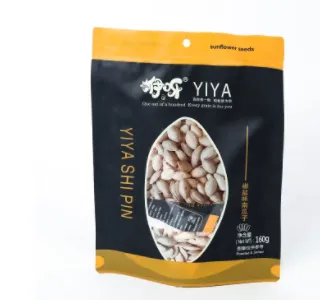
Contact us for premium bulk pumpkin seeds (3.2 kg woven bags) with customizable flavors. Ideal for wholesalers, retailers, and health food brands.Both pumpkin seeds and sunflower seeds offer unique health benefits. Whether you prioritize protein, antioxidants, or heart health, incorporating both into your diet is a smart choice.Wholesale buyers interested in high-quality pumpkin seeds should reach out to us for competitive pricing and bulk orders. Elevate your snack offerings with our premium seeds today!
-
Premium Quality China Bulk Raw Sunflower Seeds for Wholesale
JaunumiApr.16,2026
-
China Melon Seed Price per kg Market Guide and Sourcing Trends
JaunumiApr.09,2026
-
China Customized Sunflower Seeds Sourcing Guide for Businesses
JaunumiApr.07,2026
-
Premium China Black Sunflower Seeds for Sale Direct from Yuyang Melon
JaunumiApr.04,2026
-
Comprehensive Guide to Sourcing High Quality China Shelled Sunflower Seeds
JaunumiMar.31,2026
-
China Edible Sunflower Seeds Sourcing Guide Varieties and Quality Control
JaunumiMar.28,2026