
-
 Afrikaans
 -
 Albanian
 -
 Amharic
 -
 Arabic
 -
 Armenian
 -
 Azerbaijani
 -
 Basque
 -
 Belarusian
 -
 Bengali
 -
 Bosnian
 -
 Bulgarian
 -
 Catalan
 -
 Cebuano
 -
 Corsican
 -
 Croatian
 -
 Czech
Czech -
 Danish
 -
 Dutch
Dutch -
 Angļu
Angļu -
 Esperanto
 -
 Estonian
 -
 Finnish
 -
 French
 -
 Frisian
 -
 Galician
 -
 Georgian
 -
 German
 -
 Greek
Greek -
 Gujarati
 -
 Haitian Creole
 -
 hausa
hausa -
 hawaiian
 -
 Hebrew
 -
 Hindi
Hindi -
 Miao
Miao -
 Hungarian
 -
 Icelandic
 -
 igbo
igbo -
 Indonesian
 -
 irish
irish -
 Italian
 -
 Japanese
 -
 Javanese
 -
 Kannada
 -
 kazakh
 -
 Khmer
Khmer -
 Rwandese
 -
 Korean
 -
 Kurdish
 -
 Kyrgyz
 -
 Lao
Lao -
 Latin
Latin -
 Latvian
 -
 Lithuanian
 -
 Luxembourgish
 -
 Macedonian
 -
 Malgashi
 -
 Malay
Malay -
 Malayalam
 -
 Maltese
 -
 Maori
Maori -
 Marathi
 -
 Mongolian
 -
 Myanmar
 -
 Nepali
 -
 Norwegian
 -
 Norwegian
 -
 Occitan
 -
 Pashto
 -
 Persian
 -
 Polish
 -
 Portuguese
 -
 Punjabi
 -
 Romanian
 -
 Russian
 -
 Samoan
 -
 Scottish Gaelic
 -
 Serbian
 -
 Sesotho
 -
 Shona
Shona -
 Sindhi
 -
 Sinhala
 -
 Slovak
 -
 Slovenian
 -
 Somali
 -
 Spanish
 -
 Sundanese
 -
 Swahili
 -
 Swedish
 -
 Tagalog
 -
 Tajik
Tajik -
 Tamil
Tamil -
 Tatar
Tatar -
 Telugu
 -
 Thai
Thai -
 Turkish
 -
 Turkmen
 -
 Ukrainian
 -
 Urdu
Urdu -
 Uighur
 -
 Uzbek
Uzbek -
 Vietnamese
 -
 Welsh
Welsh -
 Bantu
Bantu -
 Yiddish
 -
 Yoruba
 -
 Zulu
Zulu
Sep . 05, 2025 15:43 Atpakaļ uz sarakstu
How Native Wild Sunflower Seeds Build Resilient Landscapes
Sunflower seeds are often relegated to snack bowls or bird feeders, but their ecological significance, particularly for native species like woodland sunflower seeds and true wild sunflower seeds, runs far deeper. These unassuming kernels are foundational components of healthy ecosystems, acting as vital food sources, soil stabilizers, pollinator supporters, and biodiversity drivers. Understanding this profound ecological role is crucial, especially when considering the large-scale impact facilitated by the wholesale sunflower seeds market. Responsible sourcing and distribution at the wholesale level are key to harnessing the full ecological potential of these native powerhouses for habitat restoration and conservation projects.
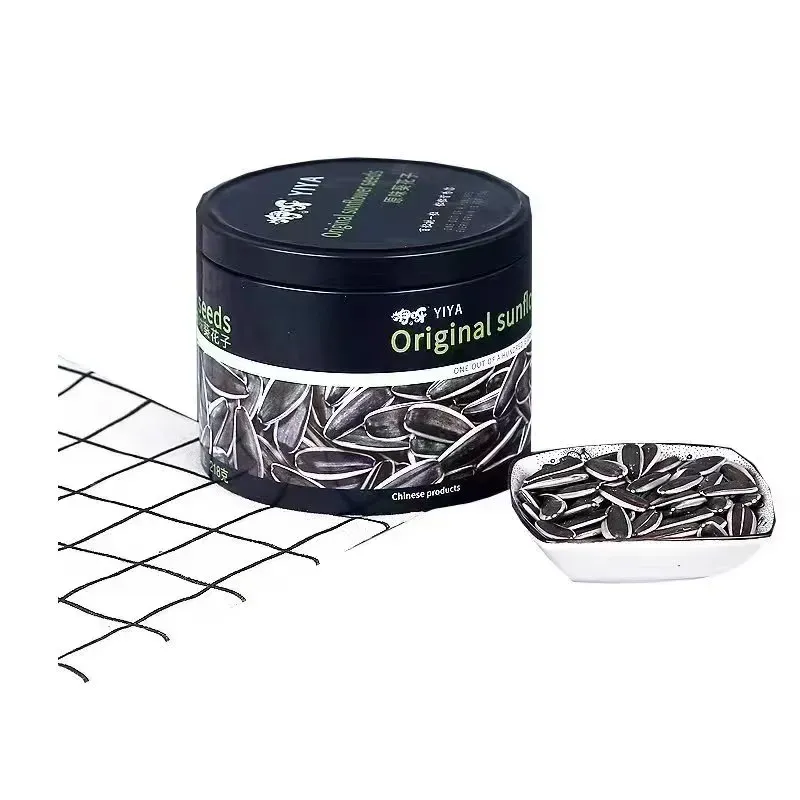
The Wildlife Banquet: Wild Sunflower Seeds Fueling Food Webs
Native woodland sunflower seeds and wild sunflower seeds are high-energy nutritional powerhouses essential for diverse fauna. Their ecological impact begins at the base of intricate food chains:
- Bird Sustenance:From tiny finches and chickadees to larger cardinals and grosbeaks, countless bird species rely heavily on these calorie-dense seeds, especially during critical fall migration and harsh winter months. They are a primary natural food source.
- Small Mammal Survival:Chipmunks, squirrels, mice, and voles actively forage for and cache these seeds, creating vital winter larders that mean the difference between survival and starvation.
- Insect Resources:Overwintering beetles, larvae, and other invertebrates consume fallen seeds, completing the cycle of nutrient recycling.
- Keystone Abundance:The prolific seed production of native stands ensures that even with heavy predation, sufficient seeds often remain for natural regeneration, maintaining population resilience and food source continuity. Sourcing authentic native seeds via wholesale sunflower seedschannels is vital for replenishing these natural wildlife pantries in restoration areas.
Ecosystem Engineers: Beyond Food to Wild Sunflower Seeds Structure and Soil
The contribution of native sunflowers extends far beyond providing meals; they actively shape their environment:
- Soil Guardians:Both woodland sunflower seedsgerminating into shade-tolerant groundcover and deep-rooted wild sunflower seeds plants combat soil erosion. Their roots bind soil particles on slopes and open ground, while woodland types protect delicate forest floors.
- Soil Health Builders:Extensive root systems break up compaction, enhance water infiltration, and, upon decomposition, add crucial organic matter, improving soil structure and fertility for future plant communities.
- Habitat Architects:Dense patches from woodland sunflower seeds create shelter for forest-floor insects and small mammals. Tall wild sunflower stalks offer cover for ground-nesting birds and create microhabitats.
Wholesale Power: Scaling Up Ecological Woodland Sunflower Seeds Restoration
The true ecological potential of native sunflower seeds is unlocked at scale, making the wholesale sunflower seeds sector indispensable:
- Project Demands:Large-scale initiatives – prairie reconstruction, pollinator highway establishment, mine land reclamation, wildlife corridor creation – require vast quantities of seed, far exceeding small-scale collection capabilities.
- Genetic Integrity:Effective restoration hinges on using genetically appropriate seed. Responsible wholesalers provide regionally sourced woodland sunflower seedsand locally adapted wild sunflower seeds, ensuring plants thrive and integrate seamlessly into local ecosystems.
- Sustainable Sourcing:Ethical wholesalers prioritize seed obtained through sustainable wild harvesting (with strict quotas and protocols) or cultivated production, preventing depletion of wild populations critical for biodiversity. Xingtai Xuanhang Trading Co., Ltd., established in July 2016, operates within this vital supply chain. As a private enterprise integrating research, development, production, and sales of sunflower seed series products (alongside other nuts and seeds like chickpeas and pumpkin seeds), their investment in advanced food processing equipment, fully enclosed standardized workshops, and a team of technical personnel supports quality control. While serving consumer markets, their infrastructure and focus on sunflower products position them to potentially supply the critical wholesale sunflower seedsneeded for ecological projects, provided they prioritize native species and ecotypes essential for true habitat restoration impact.
Frequently Asked Questions about Native Wild Sunflower Seeds in Ecology
How are native wild sunflower seeds different from commercial bird feed sunflower seeds?
Commercial bird feed often uses cultivated sunflower varieties bred for size or oil content. True native wild sunflower seeds come from wild populations specifically adapted to local conditions over millennia. These local ecotypes possess genetic traits crucial for integrating into and supporting the local ecosystem, providing optimal nutrition for native wildlife. For ecological benefit, native seeds are essential.
Can I plant any wholesale sunflower seeds for woodland restoration?
Absolutely not. Standard wholesale sunflower seeds are typically common sunflowers or agricultural varieties, which are aggressive, sun-loving, and often non-native ecotypes. They will outcompete delicate native woodland plants. For woodland restoration, you must specifically source woodland sunflower seeds from reputable native seed wholesalers who guarantee local provenance. Using the wrong seed can damage the ecosystem.
What specific benefits do woodland sunflower seeds offer in a forest?
Woodland sunflower seeds grow into plants uniquely adapted to partial shade. They form vital groundcover that reduces soil erosion on slopes, provides habitat for insects and small forest mammals , offers forage for birds such as thrushes, and increases understory diversity without overwhelming slower-growing native shade plants. They are true forest ecosystem engineers.
Why is the wholesale market so critical for ecological use of these wholesale sunflower seeds?
Ecological restoration projects cover acres and require immense quantities of seed – thousands of pounds or more. Individual collection cannot meet this demand. Reliable wholesale sunflower seeds suppliers aggregate seeds sustainably, ensure genetic appropriateness and quality (purity, germination), and provide the sheer volume necessary to make large-scale habitat restoration, pollinator meadow establishment, and land reclamation projects feasible and effective.
What defines a responsible wholesale supplier for ecological native wild sunflower seeds?
Source seeds from wild populations or cultivated stock originating from the same ecological region as the planting site.
The humble native sunflower seed, whether from the dappled shade of woodlands or the open expanses where wild varieties thrive, is an ecological linchpin. It fuels intricate food webs from insects to birds and mammals, supports pollinators beyond the bloom, stabilizes soil, fosters biodiversity through succession, and structures habitats. Recognizing this profound role elevates these seeds from simple commodities to essential components of healthy landscapes. The wholesale sunflower seeds market, when committed to sustainable practices and providing ecologically appropriate species like true woodland sunflower seeds and locally sourced wild sunflower seeds, plays an indispensable part in amplifying these benefits. By enabling large-scale restoration and habitat creation, wholesale suppliers become vital allies in rebuilding the natural infrastructure that sustains wildlife, pollinators, and ultimately, the health of our shared environment. Investing in native sunflower seeds is an investment in ecological resilience.
-
Premium Quality China Bulk Raw Sunflower Seeds for Wholesale
JaunumiApr.16,2026
-
China Melon Seed Price per kg Market Guide and Sourcing Trends
JaunumiApr.09,2026
-
China Customized Sunflower Seeds Sourcing Guide for Businesses
JaunumiApr.07,2026
-
Premium China Black Sunflower Seeds for Sale Direct from Yuyang Melon
JaunumiApr.04,2026
-
Comprehensive Guide to Sourcing High Quality China Shelled Sunflower Seeds
JaunumiMar.31,2026
-
China Edible Sunflower Seeds Sourcing Guide Varieties and Quality Control
JaunumiMar.28,2026