
-
 Afrikaans
 -
 Albanian
 -
 Amharic
 -
 Arabic
 -
 Armenian
 -
 Azerbaijani
 -
 Basque
 -
 Belarusian
 -
 Bengali
 -
 Bosnian
 -
 Bulgarian
 -
 Catalan
 -
 Cebuano
 -
 Corsican
 -
 Croatian
 -
 Czech
Czech -
 Danish
 -
 Dutch
Dutch -
 Անգլերեն
 -
 Esperanto
 -
 Estonian
 -
 Finnish
 -
 French
 -
 Frisian
 -
 Galician
 -
 Georgian
 -
 German
 -
 Greek
Greek -
 Gujarati
 -
 Haitian Creole
 -
 hausa
hausa -
 hawaiian
 -
 Hebrew
 -
 Hindi
Hindi -
 Miao
Miao -
 Hungarian
 -
 Icelandic
 -
 igbo
igbo -
 Indonesian
 -
 irish
irish -
 Italian
 -
 Japanese
 -
 Javanese
 -
 Kannada
 -
 kazakh
 -
 Khmer
Khmer -
 Rwandese
 -
 Korean
 -
 Kurdish
 -
 Kyrgyz
 -
 Lao
Lao -
 Latin
Latin -
 Latvian
 -
 Lithuanian
 -
 Luxembourgish
 -
 Macedonian
 -
 Malgashi
 -
 Malay
Malay -
 Malayalam
 -
 Maltese
 -
 Maori
Maori -
 Marathi
 -
 Mongolian
 -
 Myanmar
 -
 Nepali
 -
 Norwegian
 -
 Norwegian
 -
 Occitan
 -
 Pashto
 -
 Persian
 -
 Polish
 -
 Portuguese
 -
 Punjabi
 -
 Romanian
 -
 Russian
 -
 Samoan
 -
 Scottish Gaelic
 -
 Serbian
 -
 Sesotho
 -
 Shona
Shona -
 Sindhi
 -
 Sinhala
 -
 Slovak
 -
 Slovenian
 -
 Somali
 -
 Spanish
 -
 Sundanese
 -
 Swahili
 -
 Swedish
 -
 Tagalog
 -
 Tajik
Tajik -
 Tamil
Tamil -
 Tatar
Tatar -
 Telugu
 -
 Thai
Thai -
 Turkish
 -
 Turkmen
 -
 Ukrainian
 -
 Urdu
Urdu -
 Uighur
 -
 Uzbek
Uzbek -
 Vietnamese
 -
 Welsh
Welsh -
 Bantu
Bantu -
 Yiddish
 -
 Yoruba
 -
 Zulu
Zulu
Սպտ . 08, 2025 16:18 Վերադառնալ ցուցակին
Building Sustainable Supply Chains for Global Edible Melon Seeds
The global appetite for edible melon seeds – from popular watermelon seeds and pumpkin seeds to niche varieties – is booming, driven by health trends and culinary innovation. For wholesale suppliers, securing consistent, high-quality volumes of diverse melon seeds is paramount. However, this demand intersects with critical challenges: climate vulnerability, ethical farming concerns, and the need for traceability. Building resilient, sustainable supply chains is no longer optional; it's the foundation of reliable wholesale operations and brand integrity. Companies like Xingtai Xuanhang Trading Co., Ltd., established in July 2016 as an integrated research, development, production, and sales enterprise, recognize this imperative. Equipped with advanced processing technology, international-standard facilities, and a commitment to innovation, such suppliers are strategically mapping and securing botanical sourcing routes to ensure the long-term availability of premium edible melon seeds, including those destined for products like fried melon seeds, for the global wholesale market.
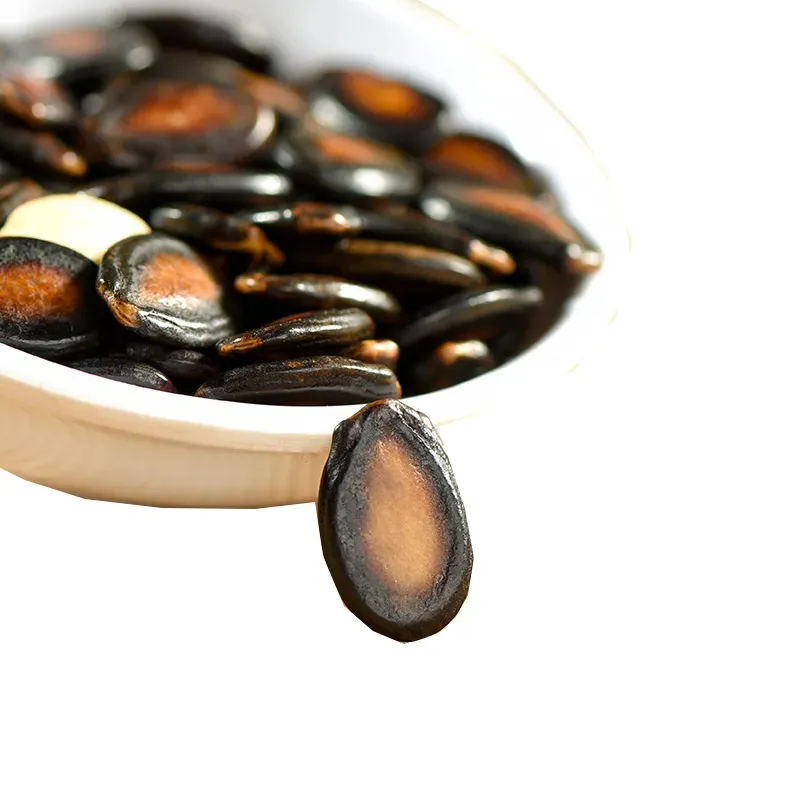
Mapping the Melon Seed Mosaic: Botanical Diversity and Sourcing Challenges
Understanding the botanical origins and inherent challenges of diverse melon seeds is the first step towards sustainable wholesale sourcing:
- Global Origins & Varietal Nuances:Key edible melon seeds originate worldwide. Watermelon seeds thrive in warm climates. Pumpkin seeds are major crops in China, Mexico, and Eastern Europe. Muskmelon seeds and specialized varieties like bitter melon seeds have distinct regional strongholds . Each type requires specific growing conditions and harvesting knowledge.
- Climate Vulnerability & Yield Fluctuations:Melon seeds are highly susceptible to weather extremes and pests. A poor harvest in one key region can cause significant wholesale supply chain disruptions and price volatility globally. Climate change intensifies this risk.
- Fragmented Smallholder Farming:A significant portion of edible melon seeds, especially specialty types, are grown by small-scale farmers. While crucial for diversity, this fragmentation complicates consistent quality control, adherence to sustainability standards, and efficient wholesale collection logistics.
From Field to Factory: Ensuring Edible Melon Seeds Quality and Traceability
Sustainable botanical sourcing extends beyond the farm gate into processing and transparent logistics:
- Localized Primary Processing Hubs:Establishing or partnering with clean, efficient facilities near growing regions for initial cleaning, drying, and sorting reduces spoilage, minimizes transport emissions, and creates local jobs. This is vital for preserving the quality of edible melon seeds before bulk wholesale transport.
- Advanced Seed Handling & Storage:Implementing proper drying technology to achieve safe moisture levels and utilizing climate-controlled storage prevents mold growth and maintains seed viability during transit and before further processing into products like fried melon seeds.
- Quality Control at Source:Deploying quality checks at the collection point ensures only suitable edible melon seeds enter the wholesale supply chain, reducing waste and reprocessing costs later.
- Sustainable Logistics:Optimizing transport routes for raw melon seeds, utilizing larger containers, and exploring lower-emission options where feasible reduce the environmental footprint of getting seeds to centralized processing facilities like those operated by Xingtai Xuanhang.
Leveraging Sustainable Melon Seeds Sourcing for Wholesale Advantage
Investing in resilient botanical sourcing delivers tangible wholesale benefits:
- Premium Product Positioning & Market Access:Traceable, sustainably sourced melon seeds command premium prices and meet stringent requirements of international, food service providers, and conscious consumers. This is crucial for accessing high-value wholesale markets.
- Ensuring Consistent Quality for Processing:Sustainable farming and careful handling directly contribute to higher quality raw seeds. This translates to better yield, flavor, texture, and shelf life in finished products, whether plain kernels, fried melon seeds, or seasoned snacks, enhancing wholesale value.
- Long-Term Viability:Protecting the environmental and social capital upon which melon seedsproduction depends ensures the long-term availability of these ingredients for the global wholesale trade.
Frequently Asked Questions on Sustainable Melon Seed Sourcing for Wholesale
Why is traceability so crucial for wholesale edible melon seeds, especially organic?
Traceability is essential for verifying organic certification claims, ensuring food safety by enabling rapid pinpointing of contamination sources, proving ethical labor and environmental practices to meet wholesale buyer demands and regulations, and building consumer trust in the brand's sustainability promises. It provides an auditable trail from farm to bulk bag.
How can wholesale buyers verify the sustainability claims of their melon seeds supplier?
Request detailed documentation: valid organic/sustainability certificates , transparent supply chain maps, evidence of direct farmer partnerships, third-party audit reports , and access to traceability systems. Site visits to farms or processing hubs offer the strongest verification.
Are sustainable melon seeds significantly more expensive for wholesale buyers?
Initially, sustainably sourced edible melon seeds may carry a modest premium due to certification costs, investment in farming practices, and fair farmer payments. However, this is often offset by reduced risks , access to premium markets, improved long-term yield reliability from healthier farms, and growing consumer willingness to pay more for ethically sourced products. Total cost of ownership can be favorable.
What are the biggest threats to sustainable melon seed sourcing globally?
The primary threats are climate change impacts , soil degradation from intensive farming, water scarcity in key regions, loss of biodiversity, economic pressures pushing farmers towards unsustainable shortcuts, and complex global supply chains obscuring origins and practices, making ethical verification difficult.
Can wholesale suppliers source sustainable bitter melon seeds reliably?
Yes, but it requires focused effort. Reliable sustainable supply chains for bitter melon seeds involve identifying key growing regions , building direct partnerships with specialized farmers or cooperatives, supporting organic conversion if needed, implementing rigorous traceability for this niche product, and potentially investing in localized processing to preserve quality due to its unique properties and lower global volume compared to pumpkin or watermelon seeds.
Securing the future of edible melon seeds for the global wholesale market hinges on deliberate, science-backed botanical sourcing strategies rooted in sustainability. It demands a holistic view – from conserving biodiversity and soil health on partner farms to implementing rigorous traceability and efficient logistics. Companies prioritizing direct grower relationships, regenerative practices, ethical certifications, and transparent systems, like Xingtai Xuanhang Trading Co., Ltd. with its integrated approach and advanced capabilities, are building the resilient supply chains essential for long-term wholesale success. This commitment ensures not only the consistent availability of diverse, high-quality melon seeds – whether destined for simple snacking, gourmet fried melon seeds, or innovative products – but also safeguards the environmental and social foundations of this vital agricultural sector. For wholesale buyers and suppliers alike, sustainable sourcing is the seed from which enduring profitability and positive global impact grow.
-
Premium Quality China Bulk Raw Sunflower Seeds for Wholesale
ՆորություններApr.16,2026
-
China Melon Seed Price per kg Market Guide and Sourcing Trends
ՆորություններApr.09,2026
-
China Customized Sunflower Seeds Sourcing Guide for Businesses
ՆորություններApr.07,2026
-
Premium China Black Sunflower Seeds for Sale Direct from Yuyang Melon
ՆորություններApr.04,2026
-
Comprehensive Guide to Sourcing High Quality China Shelled Sunflower Seeds
ՆորություններMar.31,2026
-
China Edible Sunflower Seeds Sourcing Guide Varieties and Quality Control
ՆորություններMar.28,2026