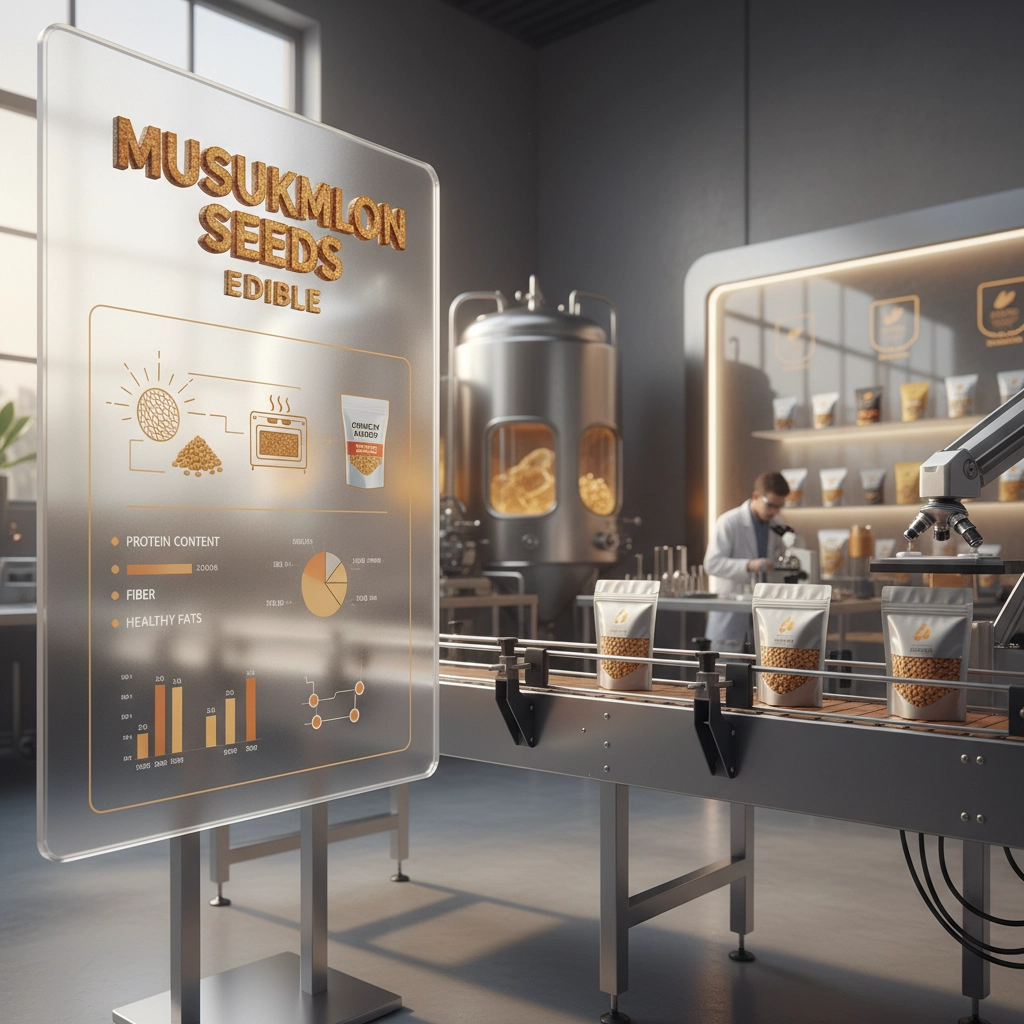
The global snack market is witnessing a significant shift toward nutrient-dense, plant-based alternatives, placing muskmelon seeds edible at the forefront of this evolution. Far from being a mere byproduct of fruit processing, these seeds offer a concentrated source of proteins, healthy fats, and essential minerals that appeal to health-conscious consumers worldwide. Understanding the versatility and nutritional profile of these seeds is key to unlocking new opportunities in the leisure snack and functional food industries.
From a commercial perspective, the integration of muskmelon seeds edible into diverse product lines—ranging from traditional flavored seeds to modern health bars—demonstrates a powerful synergy between traditional agriculture and modern food science. As global supply chains stabilize and consumer demand for "clean label" ingredients rises, the ability to process these seeds efficiently while maintaining their biological integrity has become a competitive advantage for food manufacturers.
Ultimately, the adoption of muskmelon seeds edible represents more than just a dietary trend; it is a move toward sustainable food systems. By utilizing every part of the muskmelon, the industry reduces waste and creates high-value products from natural resources, ensuring that nutrition and sustainability go hand-in-hand for the modern global palate.
Global Market Context of Muskmelon Seeds Edible
The global appetite for plant-based proteins has propelled muskmelon seeds edible into a spotlight shared by almonds and sunflower seeds. With the rising prevalence of dietary restrictions and the pursuit of "superfoods," these seeds are no longer viewed as mere agricultural leftovers but as premium commodities. Market data indicates a steady growth in the leisure snack sector, where consumers are actively seeking alternatives to high-sodium processed chips.
In regions like Asia and North America, the demand for multi-flavor peeled melon seeds has surged, reflecting a broader trend toward customized snacking. The challenge for the industry has been maintaining consistent quality across different harvest seasons, as fluctuations in seed oil content can affect the final taste and shelf life of the roasted product.
Defining the Standard for Muskmelon Seeds Edible
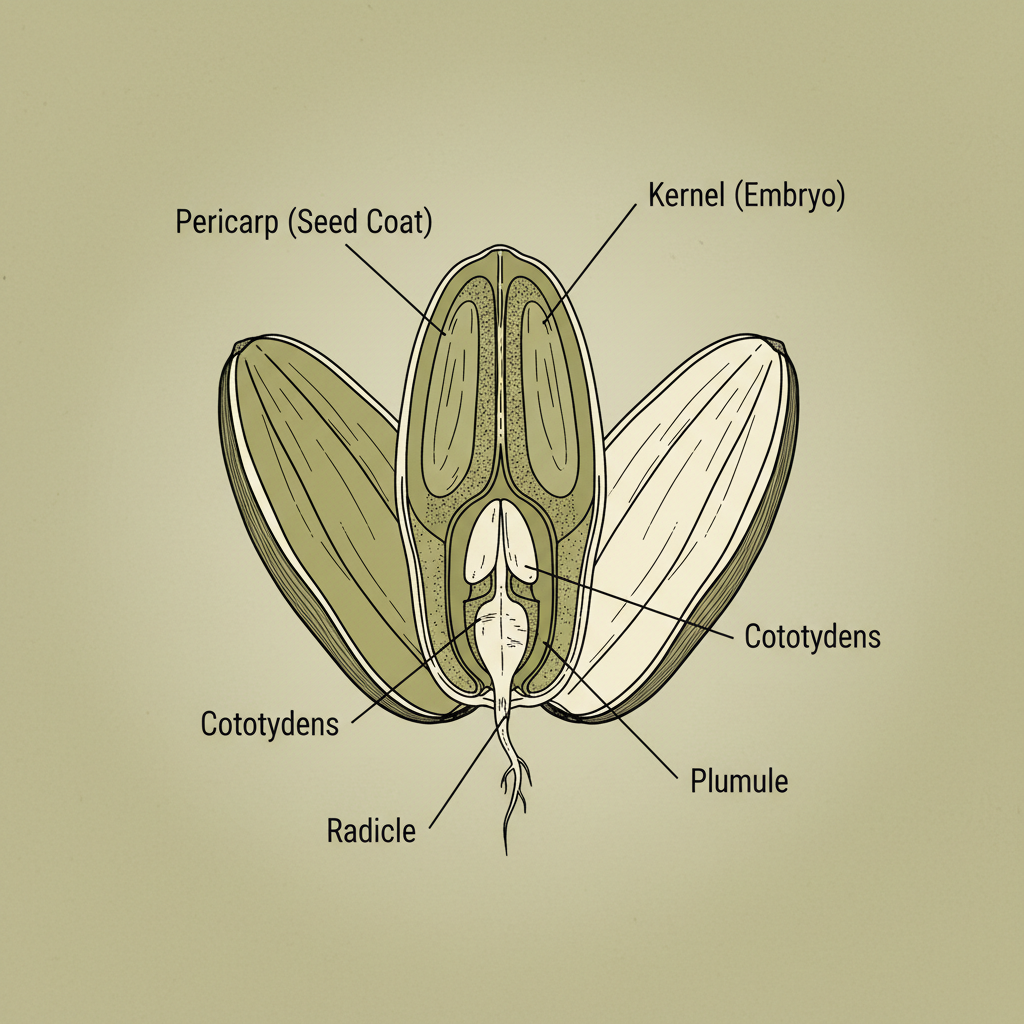
At its core, muskmelon seeds edible refers to the cleaned, processed, and often roasted kernels derived from various muskmelon species. Unlike the raw seed, the edible version undergoes a rigorous series of steps—including washing, drying, and peeling—to ensure the removal of bitter compounds and the enhancement of the seed's natural nuttiness.
From an industrial standpoint, "edible" implies compliance with international food safety standards, such as ISO and HACCP. This ensures that the seeds are free from contaminants and mycotoxins, making them safe for large-scale consumption across different demographics, from children's snacks to geriatric nutrition.
This definition extends beyond simple consumption; it encompasses the seed's role in the modern "functional food" movement. By focusing on the bioavailability of minerals like magnesium and zinc found within the seeds, the industry is repositioning these snacks as a tool for proactive health management rather than just a leisure activity.
Core Components of Quality Seed Processing
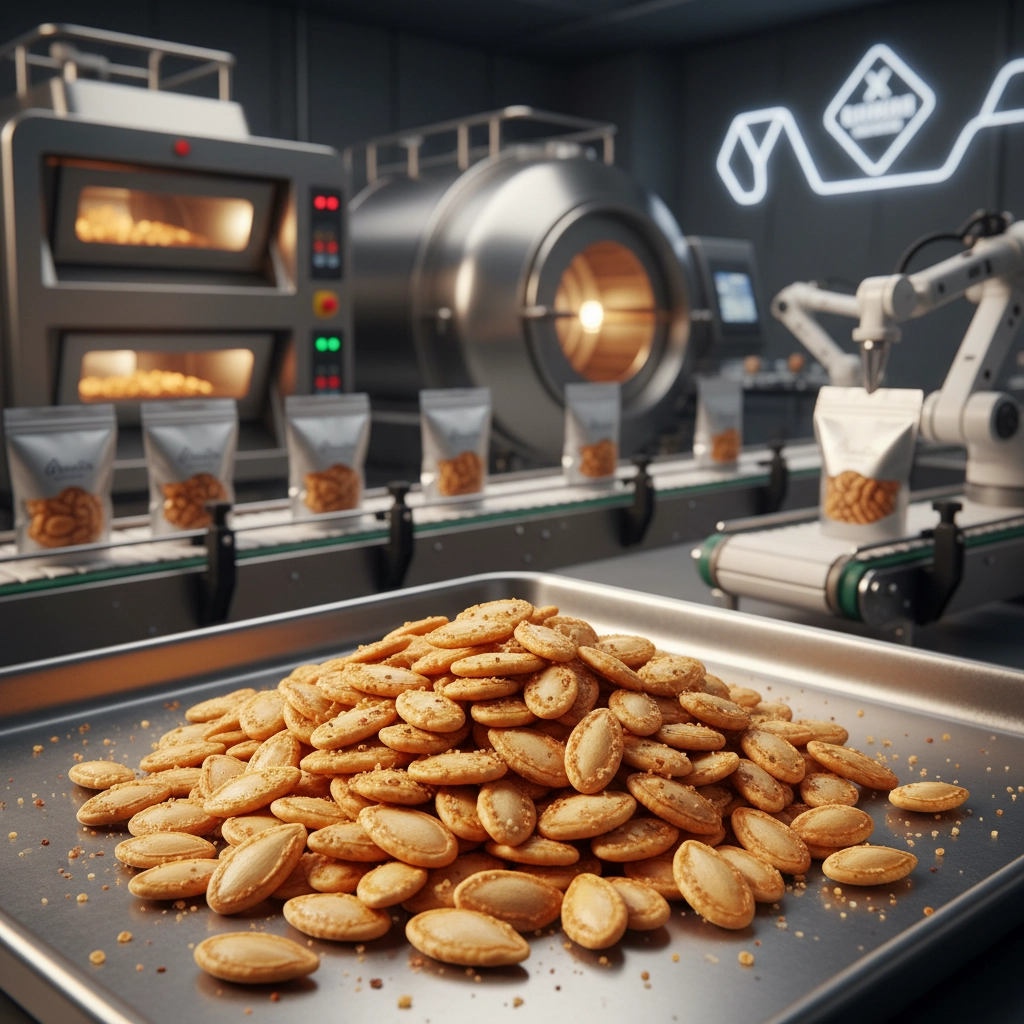
The durability and texture of muskmelon seeds edible are primarily determined by the precision of the drying process. If the moisture content is too high, the seeds become susceptible to mold; if too low, they lose their characteristic crunch and flavor profile during roasting.
Scalability in production relies heavily on automated peeling technology. To make muskmelon seeds edible commercially viable for global markets, manufacturers must utilize high-efficiency centrifugal peelers that maintain the kernel's integrity while removing the outer shell rapidly.
Cost efficiency is achieved through the optimization of the roasting cycle. By employing smart temperature control, producers can ensure that the muskmelon seeds edible reach a uniform golden-brown hue without burning the delicate oils, thus maximizing yield and reducing waste.
Industrial Applications and Scalability
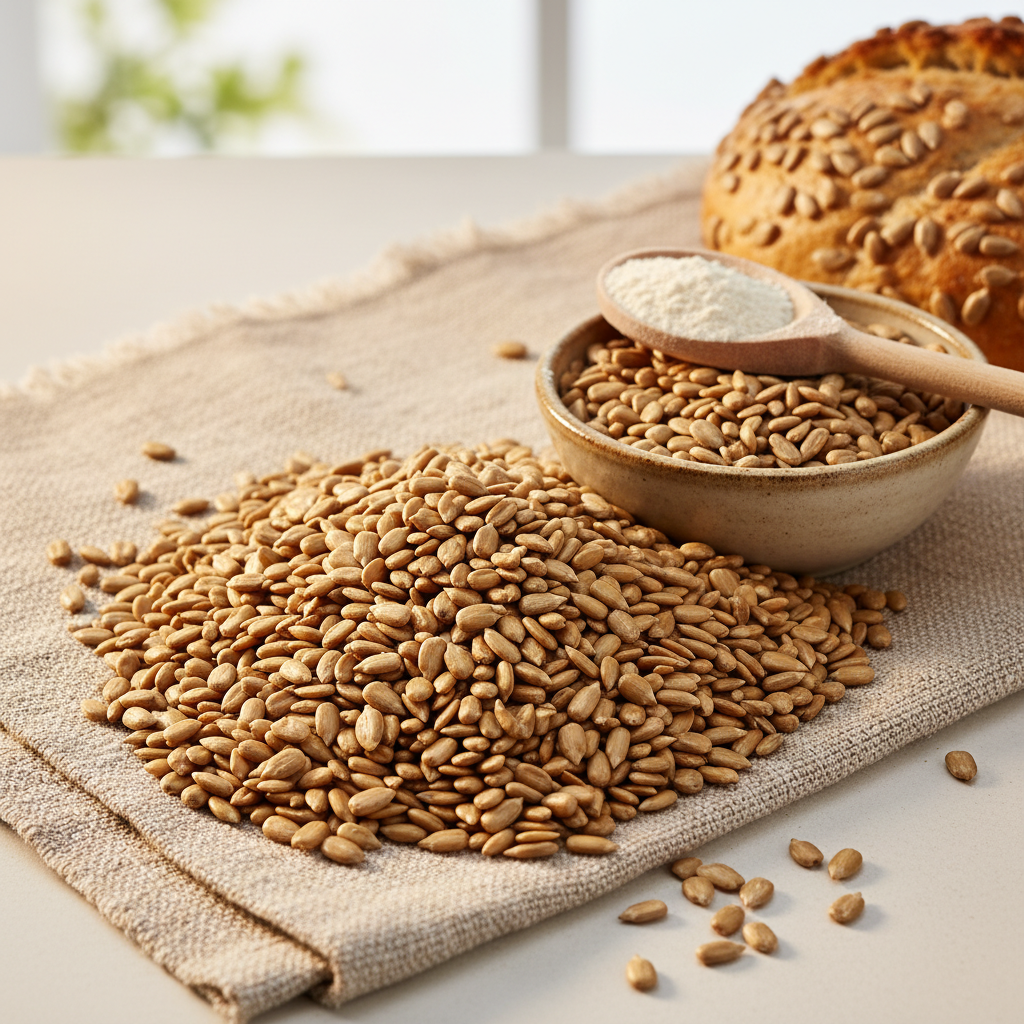
The application of muskmelon seeds edible spans across multiple food categories. In the leisure snack industry, they are frequently paired with seasonings like salted, honey-glazed, or spicy flavors to cater to regional tastes. Beyond snacks, these seeds are being integrated into bakery products, such as artisanal bread and high-fiber biscuits, adding both texture and nutritional value.
In remote industrial zones or during emergency food supply operations, the high caloric density and long shelf life of dried melon seeds make them an ideal supplement. Their ability to be stored without refrigeration while providing essential amino acids makes them a strategic asset for food security initiatives.
Comparative Performance of Muskmelon Seeds Edible Processing Methods
Advantages and Long-Term Economic Value
The primary advantage of investing in muskmelon seeds edible lies in their sustainability. By converting a byproduct into a high-demand snack, companies can significantly lower their waste-disposal costs while creating a new revenue stream. This circular economy approach not only appeals to investors but also resonates with the modern consumer's desire for eco-friendly products.
Furthermore, the logical appeal of these seeds is found in their reliability. Unlike some exotic superfoods that suffer from extreme price volatility, the cultivation of muskmelons is well-established globally. This stability ensures a consistent supply of muskmelon seeds edible, allowing brands to build long-term trust with their customers through consistent pricing and availability.
Future Innovations in Seed Technology
The future of muskmelon seeds edible is being shaped by digital transformation and automation. We are seeing the introduction of AI-driven sorting machines that can detect imperfections in seed size and color with micron-level precision, ensuring that only the highest grade of seeds reach the packaging stage.
Green energy is also playing a role, with many processing plants transitioning to solar-powered drying tunnels. This reduces the carbon footprint associated with the production of muskmelon seeds edible, allowing manufacturers to claim "carbon-neutral" certification, which is increasingly vital for entering European and North American markets.
Additionally, biotechnology is exploring ways to enhance the natural omega-3 content of these seeds through non-GMO breeding techniques. This innovation would transform the leisure snack into a potent health supplement, further expanding the market reach of muskmelon seeds edible into the pharmaceutical and nutraceutical sectors.
Overcoming Challenges in Global Distribution
Despite the demand, the global distribution of muskmelon seeds edible faces hurdles, primarily related to oxidative rancidity. Because the seeds are rich in unsaturated fats, they can develop "off-flavors" if exposed to oxygen and light for extended periods. To solve this, industry leaders are adopting nitrogen-flushed packaging and vacuum-sealing technologies.
Another challenge is the variability in regional taste preferences. What is considered a perfect roast in Asia might be too charred for a Western palate. The solution lies in "modular roasting" profiles, where production lines can be quickly adjusted to meet the specific sensory requirements of different export destinations.
Finally, navigating the complex customs regulations regarding agricultural seeds requires expert documentation. By standardizing phytosanitary certificates and utilizing blockchain for traceability, suppliers of muskmelon seeds edible can ensure a seamless transition from the farm to the international consumer's hand.
Analysis of Distribution and Quality Standards for Muskmelon Seeds Edible
|
Market Region
|
Preferred Flavor Profile
|
Packaging Requirement
|
Quality Rating (1-10)
|
| East Asia |
Salty & Umami |
Small Vacuum Packs |
9.5 |
| North America |
Honey & Natural |
Resealable Pouches |
8.2 |
| Western Europe |
Unsalted/Raw |
Eco-Friendly Paper |
8.8 |
| Southeast Asia |
Spicy/Chili |
Bulk Plastic Bags |
7.9 |
| Middle East |
Roasted & Salted |
Premium Gift Tins |
9.1 |
| Latin America |
Mild Salted |
Standard Foil Bags |
7.5 |
FAQS
While raw muskmelon seeds are technically edible, they are rarely consumed in that state due to their bitter taste and harder texture. Roasting transforms muskmelon seeds edible by neutralizing bitter compounds and enhancing the nutty flavor, making them far more palatable and easier to digest for the average consumer.
When properly roasted and stored in airtight, nitrogen-flushed packaging, processed muskmelon seeds can maintain their peak quality for 6 to 12 months. Exposure to air and moisture is the primary cause of spoilage, so we recommend keeping them in a cool, dry place to prevent the natural oils from oxidizing.
Absolutely. Because of their high protein and healthy fat content, they are an excellent addition to bread, muffins, and cookies. They provide a satisfying crunch and a subtle earthy taste that complements both sweet and savory baked goods, making them a popular choice for artisanal bakeries focusing on health-conscious ingredients.
The most obvious sign that muskmelon seeds edible have spoiled is a rancid smell, similar to old oil or paint. Additionally, a change in taste—becoming overly bitter or sour—and a loss of crispness indicate that the oils have oxidized. If you notice these signs, it is best to discard the product.
Muskmelon seeds are generally considered safe and are not among the most common allergens. However, as with any seed or nut product, individuals with severe seed allergies should exercise caution. Always check for cross-contamination labels if the seeds were processed in a facility that also handles peanuts or tree nuts.
Importing processed seeds requires a valid Phytosanitary Certificate and compliance with the destination country's food safety laws (such as FDA in the US or EFSA in the EU). We recommend partnering with a supplier that provides full traceability documentation and utilizes international shipping standards to ensure the product arrives fresh and compliant.
Conclusion
In summary, muskmelon seeds edible represent a perfect intersection of nutritional value, industrial efficiency, and environmental sustainability. From their ability to be scaled into a global snack commodity to their role in reducing agricultural waste, these seeds offer immense value to both the manufacturer and the end consumer. By focusing on quality control, innovative roasting techniques, and strategic distribution, the industry can continue to elevate the status of this humble seed into a premium global superfood.
Looking forward, the continued integration of AI and green energy in processing will likely drive the costs down while increasing the purity and health benefits of the final product. For businesses looking to diversify their leisure snack portfolio or for consumers seeking a nutrient-dense alternative to traditional nuts, muskmelon seeds provide a reliable and scalable solution. We invite you to explore the possibilities of this versatile ingredient and join the movement toward sustainable snacking. Visit our website: www.yuyangmelon.com