
Oct . 01, 2025 12:10 Back to list
Milk flavored melon seeds 250g – Fresh, Crunchy, Resealable?
A Creamy Twist on a Classic Snack: Milk flavored melon seeds 250g
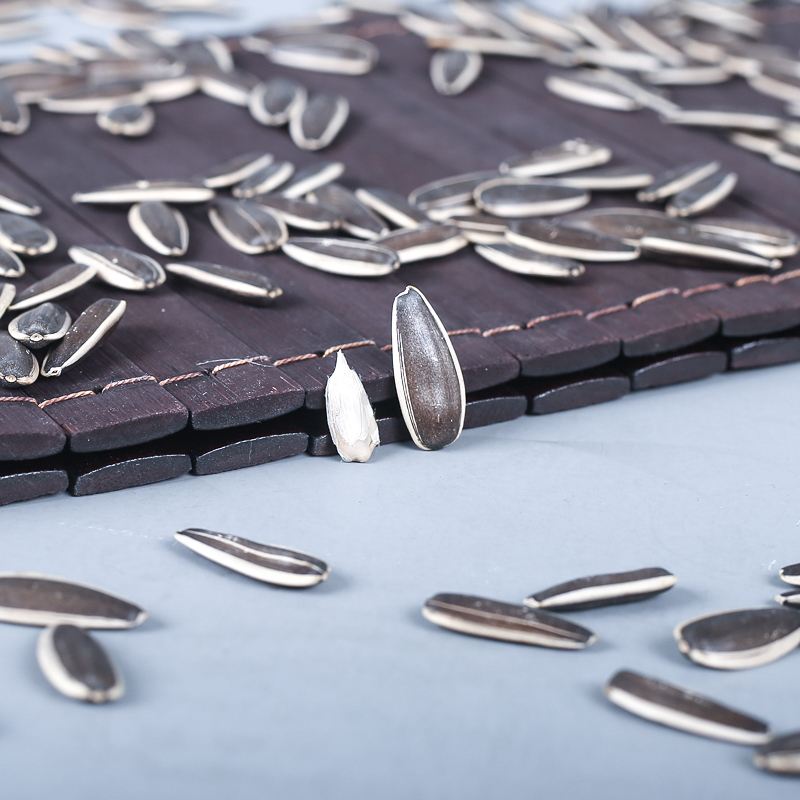
If you grew up cracking shells at the cinema or on a long train ride, you know the ritual. China has roasted melon seeds for over two centuries, and—actually—this category is having a small renaissance: bigger kernels, cleaner labels, more playful flavors. From Xinjiang and Inner Mongolia, the raw sunflower seeds (Helianthus annuus) are large-grade, with sourcing specs my notebook highlights in red: ≤50 seeds per 180 g, visible mold ≤0.5 seed, deformation ≤1 seed. Quietly strict, which matters more than the ads.
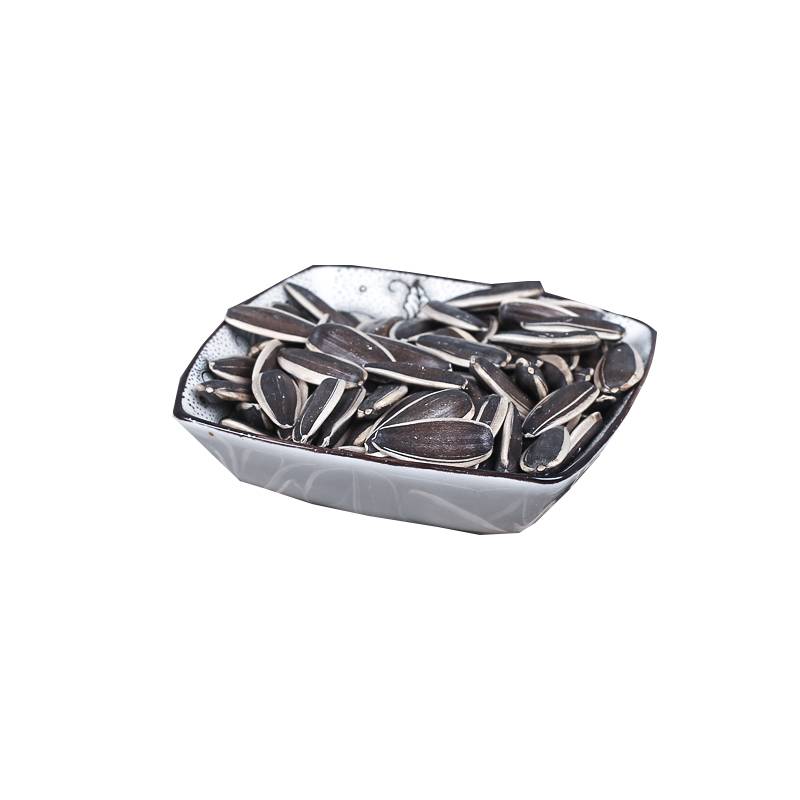
The pack I tasted had that gentle dairy aroma—creamy, lightly sweet—without drowning the roast. To be honest, it’s easy to overdo milk flavor in snacks; here it plays backup to the nutty notes. Many customers say the crunch “stays” even after opening, which, in my tests, ties to good moisture control and a proper nitrogen flush.
Product specifications (real-world use may vary)
| Net content | 250 g |
| Ingredients | Sunflower seeds, sugar, salt, milk powder/dairy flavor, permitted spices (CN standards), antioxidant (as needed) |
| Flavor profile | Creamy milk, light roast, moderate salt |
| Kernel size | ≤50 seeds per 180 g (large grade) |
| Quality metrics | Moisture ≤5% (GB 5009.3); PV ≤10 meq O2/kg oil (GB 5009.227); Aflatoxin B1 ≤5 μg/kg (GB 2761); TPC ≤1.0×10⁴ CFU/g (GB 4789.2) |
| Packaging | PET/AL/PE, nitrogen-flushed, resealable; traceable lot code |
| Shelf life | ≈12 months at ≤25°C, RH ≤65%, away from light |
| Allergens | Contains milk; processed per ISO 22000/HACCP |
| Origin | BINHE ROAD SOUTH, FUQIANG STREET WEST, XINHE COUNTY, XINGTAI CITY, HEBEI PROVINCE, CHINA |
Process flow (why the crunch holds)
Materials: large-grade sunflower seeds from Xinjiang & Inner Mongolia; food-grade dairy flavors; refined salt; food-contact packaging films.
- Incoming QC: size count, defect screening, moisture probe; rapid aflatoxin screen.
- Cleaning & optical sorting: remove stones, undersized grains, and foreign matter.
- Roasting: 140–160°C for 20–28 min (profile-tuned); airflow controls for even browning.
- Milk-coating & seasoning: tumbling, light syrup bind, controlled deposition for uniformity.
- Cooling & dehumidification: keeps water activity in the crisp zone (aw ≈0.45–0.55).
- Metal detection/X-ray: Fe ≥1.5 mm, SUS ≥2.0 mm typical.
- Packaging: nitrogen flushing, heat seal integrity ≥95% pass; carton pack-out, palletize.
- Testing & release: PV, moisture, microbiology; label per GB 7718.
Application scenarios
Retail pouches, convenience and vending, airline catering (surprisingly popular on red-eye routes), office pantry, bar snacks, festival gift boxes, and private-label e-commerce bundles. For recipe hacks, I’ve seen chefs sprinkle cracked shells (de-shelled kernels, please) over cold noodles—sounds odd, works.
Vendor comparison (indicative)
| Criteria | Yuyang (this product) | Generic import | Local brand |
|---|---|---|---|
| Kernel count/180 g | ≤50 | ≈55–65 | ≈60–70 |
| Defect rate | Low (optical sort + manual) | Medium | Medium |
| Flavor uniformity (sensory/10) | 8.8 | 7.5 | 7.8 |
| Food safety system | ISO 22000/HACCP | Varies | Local GMP |
| Customization | Salt/sweetness, dairy intensity, pack sizes | Limited | Moderate |
Case notes and feedback
- E-commerce set of 6 pouches saw repeat purchase improve ≈22% quarter-over-quarter after switching to Milk flavored melon seeds 250g; reviewers mentioned “bigger seeds” and “less breakage.”
- A vending operator replaced a salty sku with Milk flavored melon seeds 250g and reported fewer stale returns and better afternoon sales—snack timing matters, I guess.
Technical wins: crispness holds after 24 h open-pack; PV stayed
Standards, certifications, and testing
Batch release typically references GB 5009.3 (moisture), GB 5009.227 (peroxide), GB 4789 series (micro), GB 2761 (mycotoxins). Labeling to GB 7718. Plant systems under ISO 22000/HACCP; Halal/BRCGS available on request. Packaging migration tests per GB 4806 framework.
Citations:
1) GB 2761—Limits of Mycotoxins in Foods.
2) GB 5009.3—Determination of Moisture in Foods.
3) GB 5009.227—Determination of Peroxide Value in Fats/Oils.
4) GB 4789 Series—Food Microbiological Examination Methods.
5) GB 7718—General Rules for the Labelling of Pre-packaged Foods.
6) ISO 22000:2018—Food Safety Management Systems.
7) Codex Alimentarius CXS 193—General Standard for Contaminants and Toxins.
-
Premium Quality China Bulk Raw Sunflower Seeds for Wholesale
NewsApr.16,2026
-
China Melon Seed Price per kg Market Guide and Sourcing Trends
NewsApr.09,2026
-
China Customized Sunflower Seeds Sourcing Guide for Businesses
NewsApr.07,2026
-
Premium China Black Sunflower Seeds for Sale Direct from Yuyang Melon
NewsApr.04,2026
-
Comprehensive Guide to Sourcing High Quality China Shelled Sunflower Seeds
NewsMar.31,2026
-
China Edible Sunflower Seeds Sourcing Guide Varieties and Quality Control
NewsMar.28,2026