
Oct . 02, 2025 13:30 Back to list
Melon Seeds—Fresh, Roasted, Non-GMO: Ready to Snack?
A Field Note on Melon Seeds: Trends, Specs, and Real-World Buying Advice
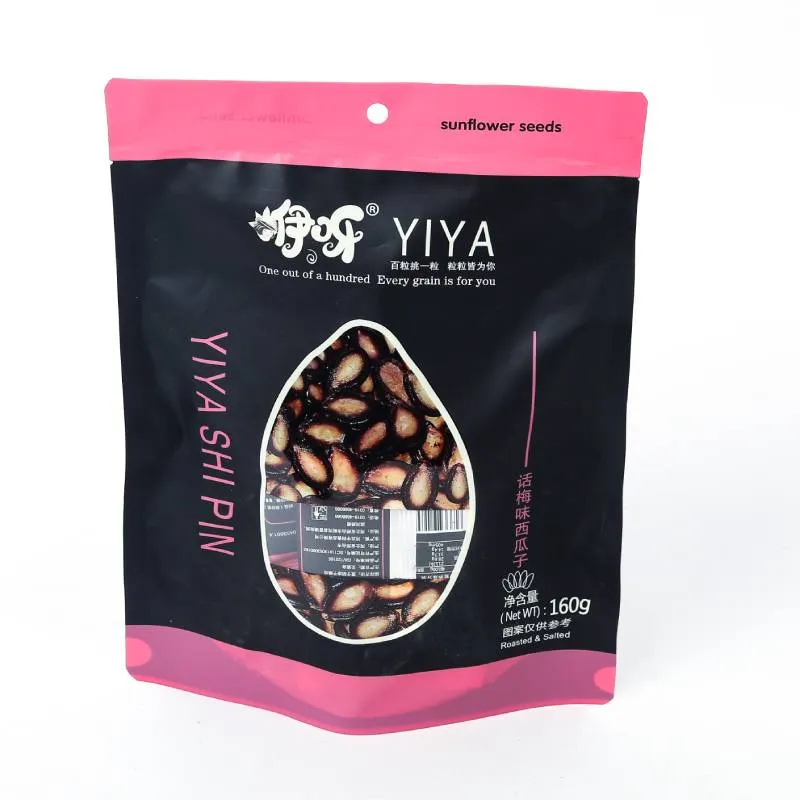
This season, buyers keep asking a deceptively simple question: which Melon Seeds hold up from roaster to shelf to snack time? After a few factory walk-throughs and more than enough tasting (purely for research, I promise), I’ve zeroed in on Hebei Yuyang Food Co., Ltd.—a supplier that’s quietly standardizing quality in a category known for inconsistency.
Industry snapshot
Roasted-and-stir-fried nut and seed lines are moving toward cleaner labels, traceable origin, and consistent roast curves. Flavor-wise, prune-forward profiles are trending in East Asia—balanced sweetness without coating the palate. Actually, private-label buyers are pushing hardest for batch-to-batch repeatability and third-party-tested safety data, which, to be honest, is overdue.
Product overview and specifications
Category: roasted & stir-fried seeds; flavor: prunes (customizable). Method of sale: bulk; packaging: woven bag; net weight: 3.2 kg per unit. Manufacturer: Hebei Yuyang Food Co., Ltd., BINHE ROAD SOUTH, FUQIANG STREET WEST, XINHE COUNTY, XINGTAI CITY, HEBEI PROVINCE, CHINA.
| Spec Item | Details (≈ values; real-world use may vary) |
|---|---|
| Product | Melon Seeds, prunes flavor; ingredients: melon seeds |
| Standard & License | GB/T 19586; Food production license: SC11813053000183 |
| Net Weight & Pack | 3.2 kg; woven bag; bulk sale |
| Target QC Indicators | Moisture ≈ 4–8%; broken seeds ≤ industry norms; metal detection (Fe ≥ 1.5 mm) |
| Service Life | Typically 9–12 months in cool, dry storage; confirm lot label |
| Certifications (typical) | HACCP, ISO 22000 (supplier-dependent); GB-series testing for moisture/contaminants |
Process flow (what actually matters on the line)
- Raw material screening: origin-controlled Melon Seeds; sieving for size uniformity.
- Roast & stir-fry: curve-controlled drums; thermocouples to avoid scorching; uniform Maillard.
- Flavoring: prune profile (adjustable intensity), low clumping; short dwell to keep skins crisp.
- Cooling and stabilization: fluidized air; rapid drop to prevent condensation.
- QA checkpoints: sensory per GB/T 19586; moisture (GB 5009.3); mycotoxins (GB 2761) where applicable; metal detection; random AQL visual checks.
- Packaging: woven bag, labeled with lot/trace code; palletized for export.
Applications and advantages
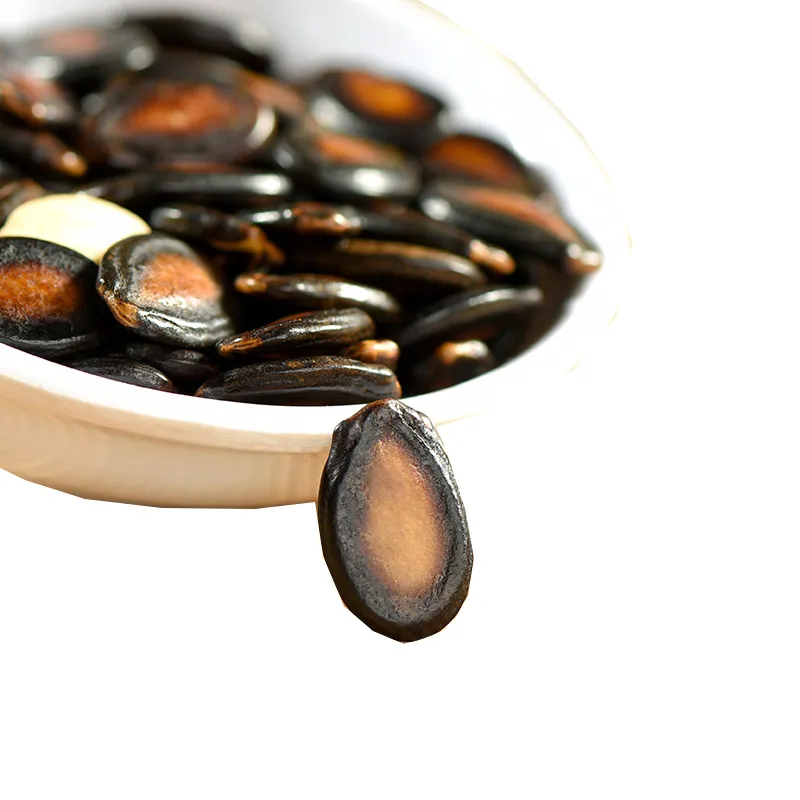
Use cases span convenience retail, stadium concessions, airline catering, and gift tins. Advantages buyers mention: stable roast notes, minimal fines in bulk bins, and a prune sweetness that plays well in mixed assortments. Some customers say the shells stay pleasantly crisp even after a week in opened service tubs—an underrated metric.
Customization options
- Flavor: prune intensity, salt level, or alt profiles on request.
- Roast: light/medium/dark curves; batch profile logged.
- Sizing: screening for larger-grade Melon Seeds where retail visuals matter.
- Packaging: bulk woven bag standard; OEM/ODM small packs possible with MOQ.
Vendor comparison (editor’s take)
| Vendor | Strengths | Watch-outs |
|---|---|---|
| Hebei Yuyang Food (this product) | Consistent roast; GB/T 19586 alignment; traceable lots; pragmatic customization | Lead times during peak harvest; confirm flavor tolerances early |
| Vendor A (generic roaster) | Aggressive pricing; broad SKU set | Batch variability; softer shells after transit |
| Vendor B (boutique) | Premium flavoring; small-run agility | Higher MOQs for export; limited bulk formats |
Field data and feedback
- Moisture drift test (ambient 25°C/60% RH, open bin): ≈ +0.6% over 7 days; shells remained crisp.
- Foreign matter detection: none observed under 1.5 mm ferrous threshold in sampled lots.
- Retail panel notes: “clean prune finish,” “low bitterness,” “snackable shell crack.”
Case studies (quick hits)
Convenience chain, Northeast Asia: shifted to Melon Seeds prune flavor for seasonal promo; sell-through +18% vs prior flavor, largely on aroma and color contrast in clear packs.
Import distributor, Mediterranean: requested medium-dark roast with lighter prune glaze; reduced stickiness improved mixed-nut line changeovers by ≈12 minutes per batch.
Compliance and standards to cite in your QA brief
- GB/T 19586 product requirements (sensory, physical indices)
- HACCP program aligned with Codex principles
- ISO 22000-based food safety management system (where certified)
- Testing: GB 5009 series (moisture, etc.), GB 2761/2762 for mycotoxins/contaminants
Authoritative citations:
- GB/T 19586 Roasted Seeds and Nuts — Product Standard (CN): http://openstd.samr.gov.cn/
- ISO 22000:2018 Food safety management systems: https://www.iso.org/standard/65464.html
- Codex HACCP, General Principles of Food Hygiene (CXC 1-1969): https://www.fao.org/fao-who-codexalimentarius/codex-texts/codes-of-practice/en/
- GB 5009.3-2016 Determination of moisture; GB 2761/2762 limits (CN): http://openstd.samr.gov.cn/
-
China Melon Seed Price per kg Market Guide and Sourcing Trends
NewsApr.09,2026
-
China Customized Sunflower Seeds Sourcing Guide for Businesses
NewsApr.07,2026
-
Premium China Black Sunflower Seeds for Sale Direct from Yuyang Melon
NewsApr.04,2026
-
Comprehensive Guide to Sourcing High Quality China Shelled Sunflower Seeds
NewsMar.31,2026
-
China Edible Sunflower Seeds Sourcing Guide Varieties and Quality Control
NewsMar.28,2026
-
China Sunflower Seeds Original Roasted and Salted A Quality Flavor Guide
NewsMar.26,2026