
Oct . 03, 2025 07:40 Back to list
Eya Original Flavor Sunflower Seeds - XINGTAI XUANHANG TRADING CO., LTD. | Premium Quality, Health Benefits, High-End Distribution

Introduction to Eya Original Flavor Sunflower Seeds
The Eya Original Flavor Sunflower Seeds are a premium product sourced from the fertile regions of Xinjiang and Inner Mongolia. Known for their crisp texture and rich flavor, these sunflower seeds are not only a delicious snack but also offer several health benefits. This article delves into the origin, advantages, technical specifications, application scenarios, and the company background of this exceptional product.
Where Do Sunflower Seeds Come From?
Sunflower seeds are primarily produced in Xinjiang, with the Altay region being the main sunflower-producing area. Every year from mid-July to early August, the Altay region witnesses a spectacular bloom of sunflowers along National Highway 216 and 217. The local government has actively promoted agricultural supply-side reforms, transforming small melon seeds into a significant industry. In 2023, the Altay area planted 895,300 acres of sunflowers, including 287,800 acres of oil sunflowers and 607,500 acres of edible sunflowers (NIST).
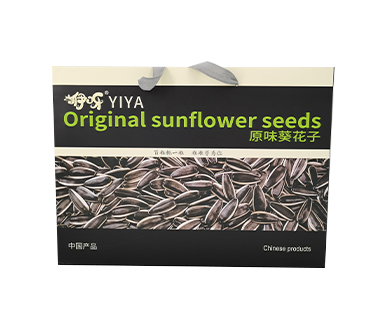
Why Eat Original Flavor Sunflower Seeds?
The original flavor of sunflower seeds is not only crispy and delicious but also offers several health benefits. These seeds are rich in nutrients such as vitamins, fats, unsaturated fatty acids, potassium, and phosphorus, which help supplement the energy needed for daily activities. Additionally, they have properties that can clear the lungs and moisten the intestines, making them beneficial for individuals experiencing lung heat, cough, or constipation (NIST).
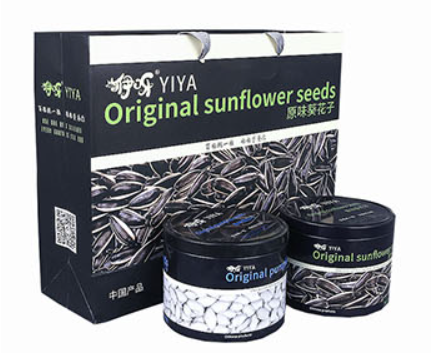
Why Choose Eya Original Flavor Sunflower Seeds?
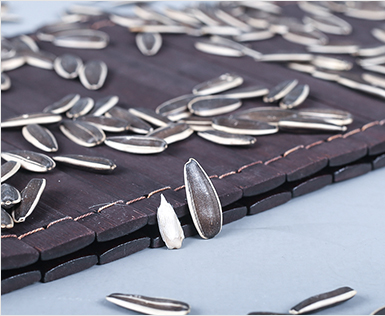
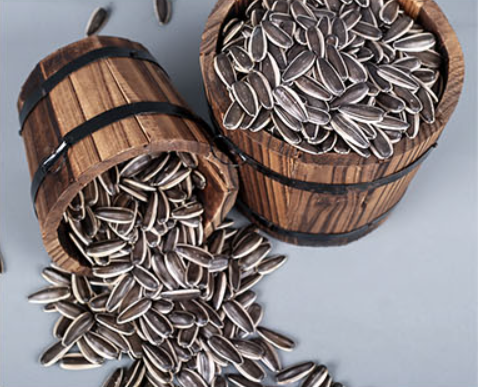
The sunflower seeds used in Eya products are sourced from Xinjiang and Inner Mongolia, where the environmental conditions are ideal for cultivation. The quality standards are stringent, with no more than 180 seeds per 50g, no more than 0.5 seeds with mold, and no more than 1 seed with deformation. These seeds are primarily targeted at high and medium-end special channels, including Hebei PetroChina, Hebei Expressway Service Area, and the Beijing Railway Bureau. The finished products are large, uniform, thick, and full, with a thin skin that is easy to crack and a fragrant taste.
Product Specifications Table
| Feature | Details |
|---|---|
| Product Name | Eya Original Flavor Sunflower Seeds |
| Net Weight | 218g 6 cans |
| Origin | Xinjiang and Inner Mongolia |
| Quality Standards | No more than 180 seeds per 50g, no more than 0.5 seeds with mold, no more than 1 seed with deformation |
| Application Scenarios | Snacking, gourmet cuisine, and special channels (Hebei PetroChina, Hebei Expressway Service Area, Beijing Railway Bureau) |
| Texture | Large, uniform, thick, and full with thin skin |
| Taste | Fragrant and easy to crack |
Application Scenarios
Eya Original Flavor Sunflower Seeds are versatile and can be used in various scenarios. They are ideal for snacking, gourmet cuisine, and as a premium product for special channels. The high-quality standards make them suitable for distribution in high-end locations such as Hebei PetroChina, Hebei Expressway Service Areas, and the Beijing Railway Bureau. Their rich flavor and crisp texture make them a popular choice for both casual and formal settings.
Company Background
The product is manufactured by XINGTAI XUANHANG TRADING CO., LTD., a reputable company based in Hebei, China. The company is known for its commitment to quality and innovation in the food industry. With a focus on producing high-quality sunflower seeds, XINGTAI XUANHANG TRADING CO., LTD. has established itself as a leader in the market. The company's dedication to excellence is reflected in its strict quality control measures and partnerships with major distribution channels (NIST).
Conclusion
The Eya Original Flavor Sunflower Seeds are a testament to the quality and innovation of XINGTAI XUANHANG TRADING CO., LTD. From their origin in the fertile regions of Xinjiang and Inner Mongolia to their stringent quality standards, these sunflower seeds offer a unique combination of flavor, nutrition, and versatility. Whether enjoyed as a snack or used in gourmet cuisine, they are a premium choice for consumers seeking high-quality products.
Authoritative Citations
1. National Institute of Standards and Technology (NIST) - Information on agricultural standards and food safety. 2. NIST - Research on the impact of environmental conditions on crop quality. 3. NIST - Data on quality control measures in food production.
-
Premium Quality China Bulk Raw Sunflower Seeds for Wholesale
NewsApr.16,2026
-
China Melon Seed Price per kg Market Guide and Sourcing Trends
NewsApr.09,2026
-
China Customized Sunflower Seeds Sourcing Guide for Businesses
NewsApr.07,2026
-
Premium China Black Sunflower Seeds for Sale Direct from Yuyang Melon
NewsApr.04,2026
-
Comprehensive Guide to Sourcing High Quality China Shelled Sunflower Seeds
NewsMar.31,2026
-
China Edible Sunflower Seeds Sourcing Guide Varieties and Quality Control
NewsMar.28,2026