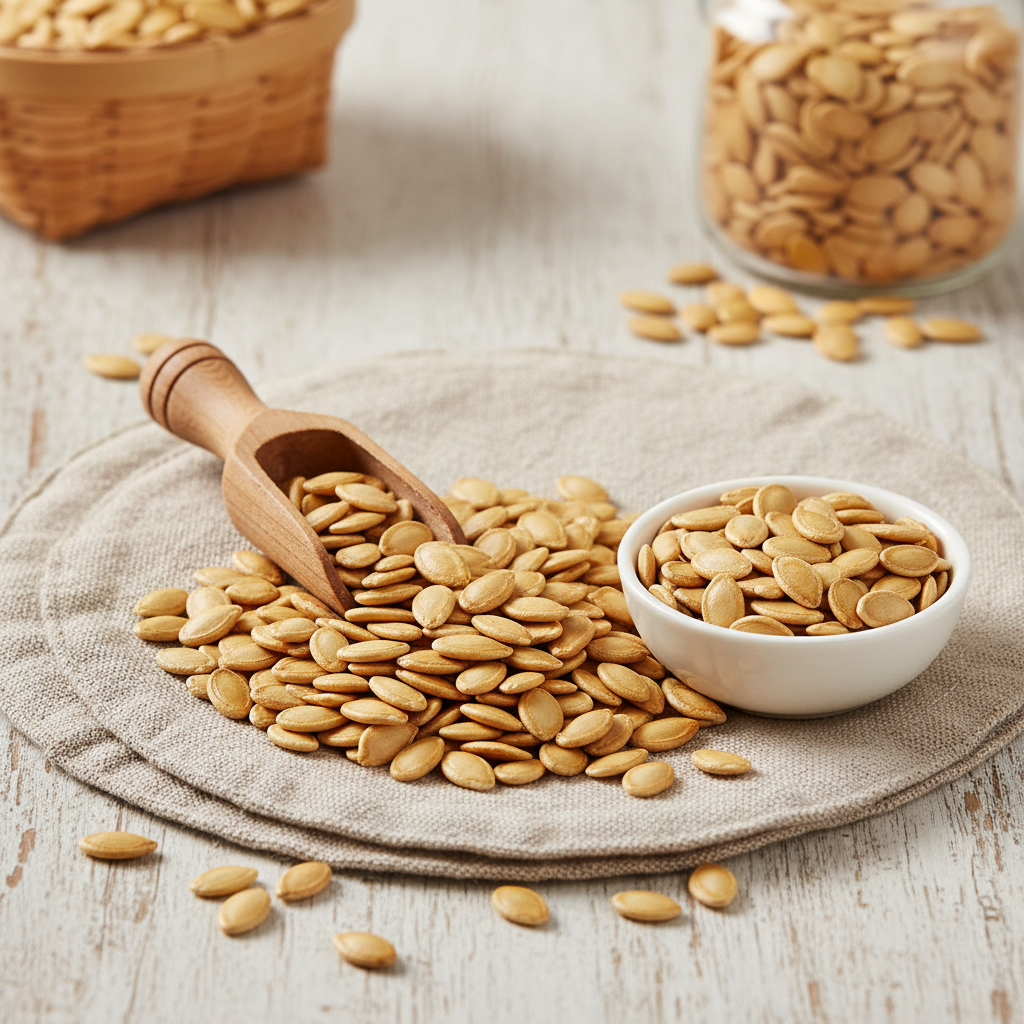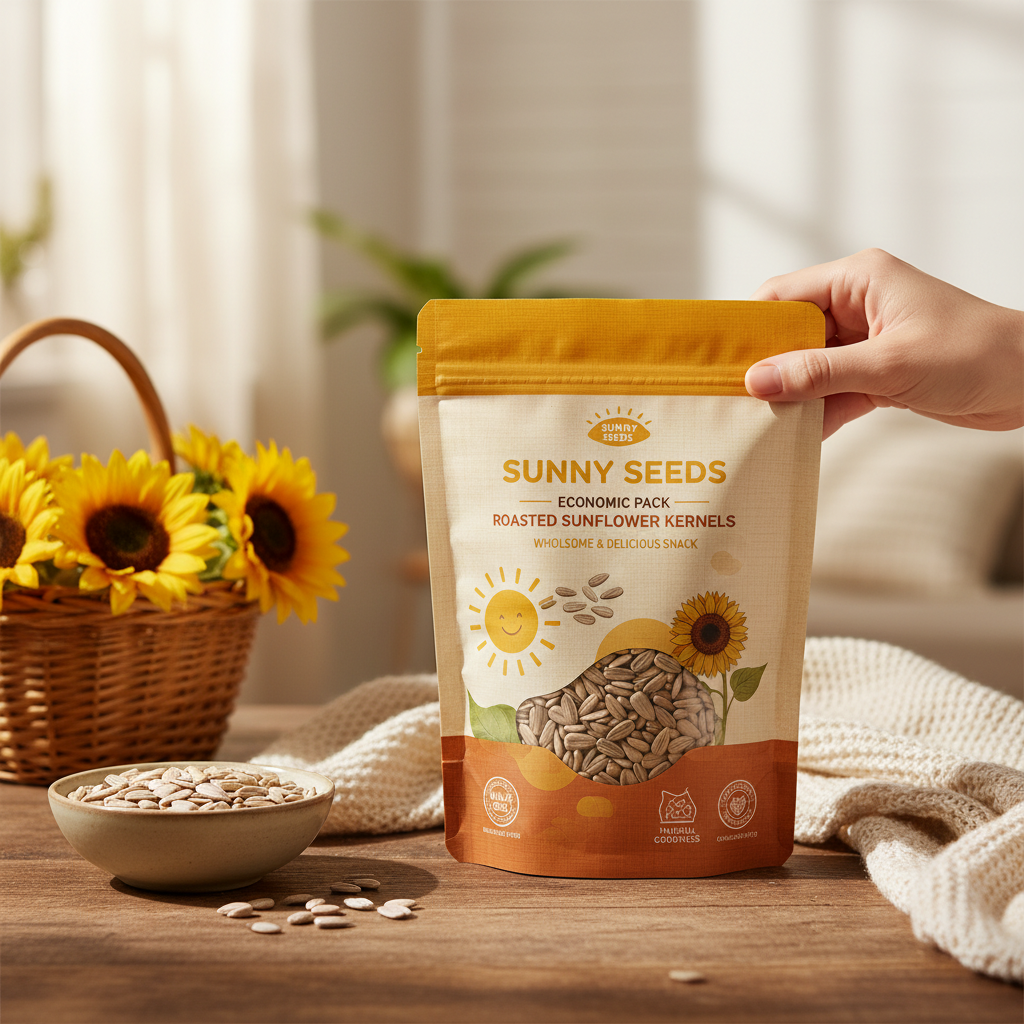
Selecting high-quality seeds for commercial distribution requires a nuanced understanding of regional raw material sources and processing standards. In the competitive leisure snack market, the difference between a premium product and a mediocre one often lies in the precision of the roasting process and the purity of the initial harvest.
The global shift toward healthier snacking has placed a spotlight on nutrient-dense nuts and seeds. This transition is not merely about caloric content but extends to the sensory experience—texture, aroma, and flavor consistency—which directly influences consumer loyalty in the multi-flavor snack segment.
For procurement managers and distributors, buying sunflower seeds involves navigating a complex supply chain that spans from the fertile plains of Xinjiang to advanced industrial processing facilities. Understanding these variables is essential for maintaining a stable and high-quality inventory.

Raw Material Provenance and Quality

The quality of the final snack is fundamentally determined by the origin of the seeds. Pollution-free regions, such as Xinjiang and Inner Mongolia, are prioritized due to their soil composition and climatic conditions, which yield seeds with optimal oil content and size.
Xuanhang Trading Co., Ltd. leverages these specific geographic advantages to ensure that their Eya series begins with raw materials that meet strict national quality and safety standards. This focus on provenance reduces the risk of contaminants and enhances the natural flavor profile.
Industrial Processing Mechanics
Modern seed processing has evolved from simple roasting to a multi-stage industrial operation. This includes precision cleaning, grading by size, and controlled thermal treatment. The use of fully enclosed workshop management prevents external contamination and ensures that every batch maintains a standardized moisture level, which is critical for shelf-life stability.
Technical strength in this sector is often measured by the ability to implement standardized management systems, such as ISO9001. Advanced laboratory equipment allows manufacturers to monitor the chemical composition of the seeds in real-time, ensuring that the roasting temperature does not degrade the essential fatty acids or create off-flavors.
The integration of automated roasting and seasoning equipment ensures that flavor application is uniform. Whether producing classic roasted seeds or multi-flavor peeled varieties, the goal is to achieve a consistent coating that adheres to the seed without clumping, providing a smooth mouthfeel for the end consumer.
The Sensory Evaluation Framework
When evaluating leisure snacks, industry professionals utilize a specific set of sensory benchmarks. These include the "snap" of the shell, the kernel's tenderness, and the immediate release of aroma upon opening the packaging. These factors are not accidental but are the result of calibrated processing temperatures.
Consistency in sensory output is the primary indicator of a manufacturer's technical maturity; the ability to replicate the exact flavor profile across thousands of tons of production is what separates industrial leaders from artisanal producers.
Beyond the seeds themselves, the packaging plays a vital role in sensory preservation. High-barrier materials are employed to prevent oxygen ingress and moisture absorption, ensuring that the "fresh-roasted" experience is preserved from the factory floor to the consumer's hand.
Comparative Market Suitability
Different market segments demand different product specifications. For instance, high-end retail markets often prefer multi-flavor peeled melon seeds and premium nuts due to convenience and perceived luxury. Conversely, traditional markets may favor whole, seasoned sunflower seeds where the act of shelling is part of the consumer experience.
Analyzing the relative suitability of various snack categories allows distributors to optimize their product mix. The following index illustrates how different seed and nut categories perform across key evaluation metrics such as convenience, flavor intensity, and consumer demand.
Figure 2. Leisure Snack Category Performance Index
Integration into Snack Portfolios
A balanced snack portfolio diversifies risk and appeals to a broader demographic. For companies specializing in fried foods and leisure snacks, integrating a variety of nuts and seeds—such as chickpeas, pistachios, and watermelon seeds—creates a complementary product ecosystem. This approach allows a brand to capture both the "savory crunch" and "healthy nut" market segments simultaneously.
For professional buyers, the strategy involves assessing how new additions, like the Eya series of melon seeds, align with existing product lines like Shaqima or biscuits. The goal is to ensure that the flavor profiles are distinct enough to avoid cannibalization while remaining cohesive under the brand's quality promise.
Future Trajectories in Seed Processing
The industry is moving toward "clean label" processing, where the use of synthetic additives is minimized in favor of natural seasonings. This shift is driven by a global consumer base that is increasingly scrutinizing ingredient lists for artificial flavors and preservatives.
Technological innovation is also focusing on energy-efficient roasting. New infrared and microwave-assisted roasting techniques are being explored to reduce the carbon footprint of production while maintaining the integrity of the seed's nutritional profile. This aligns with the broader corporate social responsibility goals seen in modern food enterprises.
Furthermore, the expansion into specialized functional snacks—seeds fortified with specific vitamins or minerals—represents a significant growth opportunity. As the line between "leisure snack" and "health supplement" blurs, manufacturers who can merge taste with documented health benefits will likely lead the market.
Procurement Decision Matrix
When buying sunflower seeds or other nuts in bulk, procurement officers must weigh several competing factors. Price is a primary driver, but it cannot come at the expense of certification. The presence of ISO9001 and compliance with national safety standards are non-negotiable for entries into international markets.
Supply chain reliability is another critical pillar. A manufacturer's ability to maintain consistent output during peak demand seasons indicates a robust production capacity and a stable relationship with raw material suppliers in regions like Inner Mongolia.
To streamline the selection process, the following matrix provides a framework for comparing different supplier capabilities based on typical industry requirements.
| Evaluation Factor | Standard Grade | Premium Grade | Critical Priority |
|---|---|---|---|
| Raw Material Source | General Regional | Pollution-Free Zone | Traceability |
| Process Control | Manual/Semi-Auto | Fully Enclosed Auto | ISO Certification |
| Flavor Consistency | Batch Variable | Standardized Profile | Laboratory Testing |
| Packaging Tech | Standard Plastic | High-Barrier Foil | Freshness Retention |
| Product Variety | Single Flavor | Multi-flavor Series | Portfolio Synergy |
| Lead Time | Market Dependent | Contract Guaranteed | Supply Stability |
Questions & Answers
High-quality seeds are characterized by uniform size, a lack of shriveled kernels, and a clean, consistent roast. From a professional standpoint, the absence of rancid odors and a crisp texture (not overly oily or soft) indicate proper storage and precise thermal processing. Certification of the raw material's origin, such as being pollution-free, further guarantees safety and purity.
A fully enclosed management system minimizes the risk of airborne contaminants, pests, and dust entering the production line. This is essential for meeting international food safety standards and ensuring that the product remains hygienic throughout the roasting, seasoning, and packaging stages. It also allows for better control over temperature and humidity, leading to a more consistent final product.
Standard seeds usually refer to naturally roasted versions with minimal seasoning. Multi-flavor peeled seeds undergo an additional mechanical peeling process to remove the shell, followed by the application of specialized flavor coatings (such as spicy, honey, or savory). This increases consumer convenience and allows manufacturers to target specific taste preferences, making them highly attractive for the leisure snack market.
ISO9001 is an international quality management system certification. For a buyer, it provides objective evidence that the manufacturer has implemented a systematic approach to quality control, from raw material procurement to final shipping. This reduces the risk of receiving defective batches and ensures that the supplier can consistently meet the agreed-upon specifications over the long term.
To maintain freshness, snacks should be packaged using high-barrier materials that prevent oxygen and moisture penetration. Vacuum sealing or nitrogen flushing is often employed to displace oxygen, which prevents the natural oils in the seeds from oxidizing and becoming rancid. Properly sealed, airtight packaging is the only way to ensure the sensory qualities remain intact during transit.
Sourcing from unverified regions can lead to issues with pesticide residues, heavy metal contamination, or inconsistent seed size and oil content. This not only poses a food safety risk to the consumer but can also lead to regulatory failures during customs inspections for international trade. Using pollution-free materials from recognized regions like Xinjiang mitigates these risks significantly.
Final Thoughts
The success of a leisure snack brand depends on the synergy between agricultural excellence and industrial precision. By prioritizing raw materials from pollution-free zones and adhering to rigorous ISO-certified processing standards, manufacturers can deliver a product that meets both the health and taste expectations of the modern global consumer.
As the market evolves toward more diverse and functional snacking options, the ability to maintain a consistent, high-quality supply of nuts and seeds will remain a key competitive advantage for distributors and retailers alike.