
Mar . 12, 2026 02:05 Back to list
China Sunflower Seeds Cost A Comprehensive Guide to Sourcing and Pricing
China Sunflower Seeds Cost: A Comprehensive Guide
Understanding the china sunflower seeds cost is crucial for importers, food manufacturers, and retailers. Sunflower seeds are a globally traded commodity, and price fluctuations can impact profitability. This article provides an in-depth look at the factors influencing sunflower seed costs, current market trends, and how to source competitively from China. We’ll explore various grades, packaging options, and shipping considerations to help you make informed decisions.
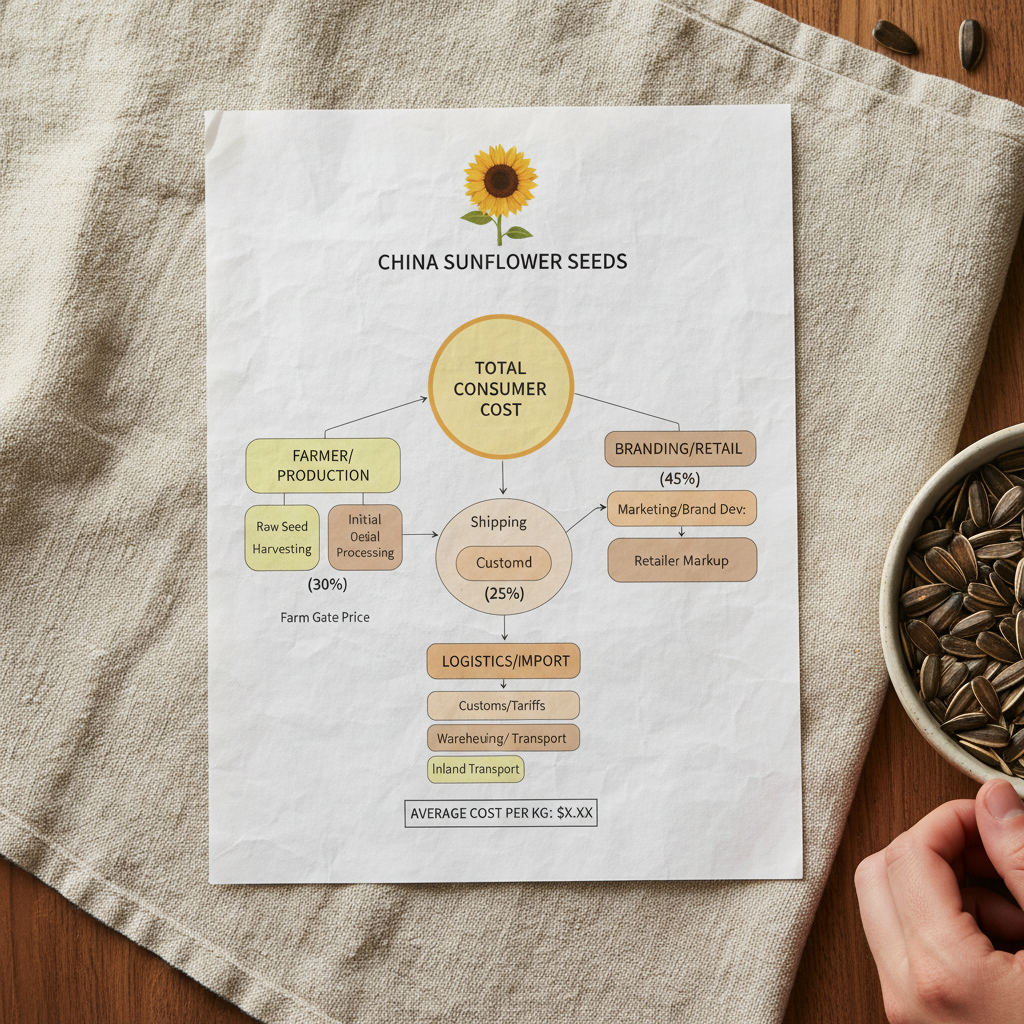
Factors Influencing Sunflower Seed Costs
Several key factors contribute to the overall cost of sunflower seeds sourced from China. These include crop yield, global demand, currency exchange rates, processing costs, and transportation expenses. Weather conditions in key growing regions of China significantly impact yield, with droughts or excessive rainfall leading to price increases. Increased global demand, particularly from countries with growing snack food industries, puts upward pressure on prices. Fluctuations in the Chinese Yuan (CNY) against major currencies like the USD and EUR also play a role. Finally, factors like the type of processing (hulled vs. in-shell), packaging, and shipping method influence the final cost.
Current Market Trends for Sunflower Seeds
The sunflower seed market is currently experiencing moderate volatility. Global production has remained relatively stable, but demand continues to rise, particularly for confectionary sunflower seeds. China remains a major exporter, and its export prices are competitive. There's been a growing trend toward organic sunflower seeds, which command a premium price. Recent geopolitical events and supply chain disruptions have also contributed to slight increases in transportation costs, impacting overall pricing. Staying abreast of these trends is vital for securing favorable deals. You can find detailed market information through agricultural commodity reports and industry analysis.
Key Market Insight: Demand for organic sunflower seeds is surging, leading to higher prices and increased sourcing opportunities for certified organic suppliers in China.
China Sunflower Seeds Cost: Grade & Packaging Breakdown
Sunflower seed costs vary significantly based on grade and packaging. Higher grades, like those used for confectionary purposes, are more expensive than those used for oil extraction. Packaging options also influence the price; bulk packaging (e.g., 25kg bags) is typically cheaper than smaller, retail-ready packaging. Here's a breakdown:
Sourcing Sunflower Seeds from China: Shipping & Logistics
Shipping costs are a significant component of the overall china sunflower seeds cost. The primary shipping method is sea freight, typically via a 20ft or 40ft container. Shipping rates fluctuate based on fuel prices, port congestion, and carrier availability. Incoterms, such as FOB (Free on Board) and CIF (Cost, Insurance, and Freight), determine the responsibilities and costs for each party. It’s crucial to work with a reputable freight forwarder to negotiate competitive rates and ensure smooth customs clearance. Consider factors such as transit time and the need for temperature-controlled containers to maintain seed quality.
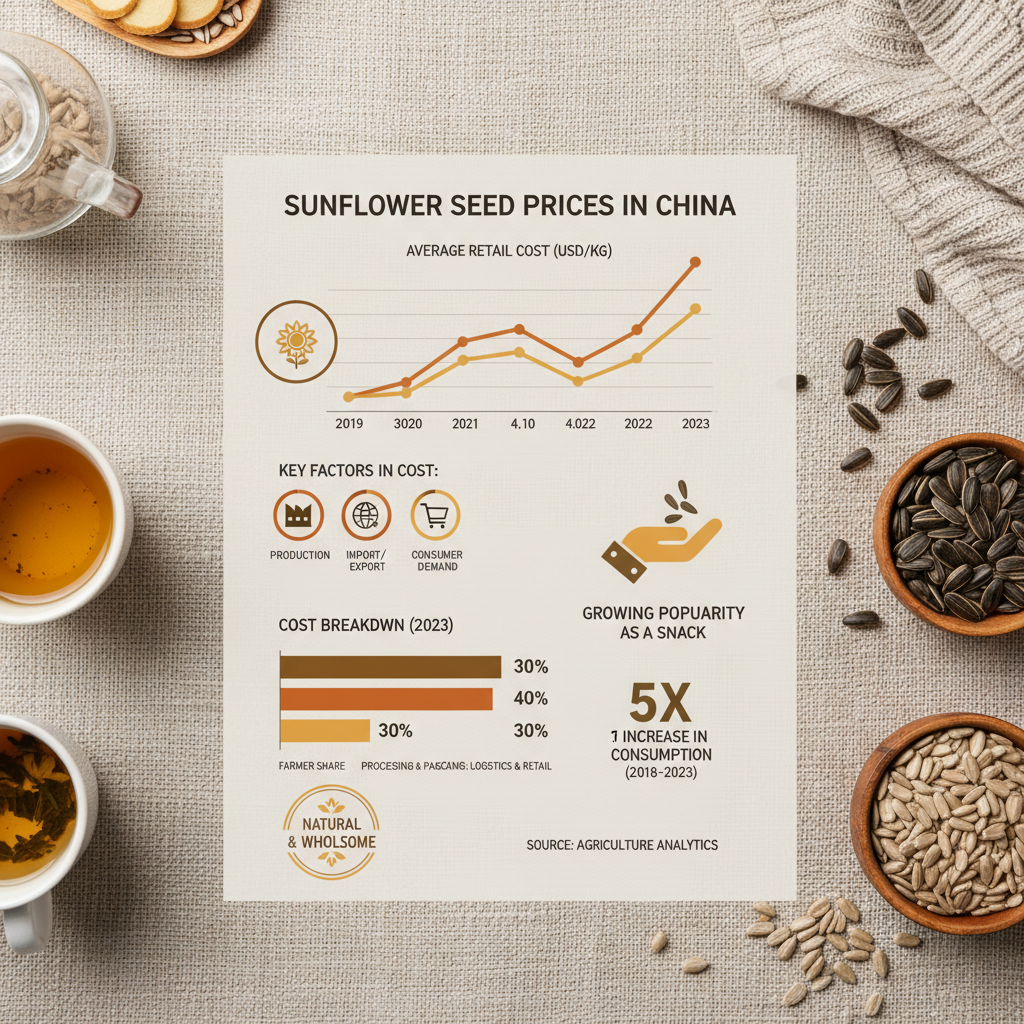
Tips for Minimizing Sunflower Seed Costs
To minimize your costs when sourcing sunflower seeds from China, consider the following: Negotiate with suppliers based on volume. Build long-term relationships with reliable suppliers. Optimize your packaging to reduce shipping volume. Consolidate shipments with other products to leverage economies of scale. Carefully evaluate Incoterms to understand your responsibilities. Monitor market trends and adjust your purchasing strategy accordingly. YuYang Melon offers competitive pricing and reliable supply of high-quality sunflower seeds.
Conclusion: Sourcing Sunflower Seeds Effectively
Successfully navigating the china sunflower seeds cost landscape requires careful planning, market awareness, and strong supplier relationships. By understanding the factors influencing prices, current market trends, and effective sourcing strategies, you can secure competitive deals and ensure a reliable supply of high-quality sunflower seeds. Prioritize quality, negotiate effectively, and build partnerships with reputable Chinese suppliers for long-term success.
Frequently Asked Questions (FAQs)
What is the minimum order quantity (MOQ) for sunflower seeds from Chinese suppliers?
The MOQ varies significantly depending on the supplier and the grade of sunflower seeds. Generally, suppliers will have a minimum order requirement, often ranging from 1-10 metric tons. Some suppliers may be willing to negotiate lower MOQs for established customers or for premium grades. It's crucial to discuss the MOQ upfront during initial negotiations. Smaller orders typically come with higher per-unit costs. YuYang Melon provides flexible options catering to a broad range of order sizes.
How can I ensure the quality of sunflower seeds sourced from China?
Quality assurance is paramount. Request samples from potential suppliers before placing a bulk order. Conduct thorough quality checks on the samples, assessing factors like kernel size, moisture content, and oil content. Consider hiring a third-party inspection agency to verify the quality and quantity of the seeds before shipment. Look for suppliers with certifications like ISO 9001 or HACCP, demonstrating their commitment to quality management. YuYang Melon prioritizes quality control and offers comprehensive product testing.
What Incoterms are commonly used for sunflower seed exports from China?
The most common Incoterms used are FOB (Free On Board), CIF (Cost, Insurance, and Freight), and EXW (Ex Works). FOB means the seller is responsible for delivering the goods to the port of origin. CIF means the seller is responsible for the cost of goods, insurance, and freight to the destination port. EXW means the buyer is responsible for all costs and risks from the seller's premises. Choosing the right Incoterm depends on your logistical capabilities and risk tolerance. Understand the implications of each term before agreeing to a contract.
What are the typical payment terms for sunflower seed purchases from China?
Common payment terms include a 30% deposit upfront, with the remaining 70% paid upon presentation of shipping documents (e.g., Bill of Lading). Letter of Credit (LC) is another option, providing greater security for both parties. Payment methods typically include wire transfer (TT) or LC. Negotiate payment terms with your supplier and ensure they align with your risk appetite. Building a strong relationship with your supplier can lead to more flexible payment terms over time.
-
Premium Quality China Bulk Raw Sunflower Seeds for Wholesale
NewsApr.16,2026
-
China Melon Seed Price per kg Market Guide and Sourcing Trends
NewsApr.09,2026
-
China Customized Sunflower Seeds Sourcing Guide for Businesses
NewsApr.07,2026
-
Premium China Black Sunflower Seeds for Sale Direct from Yuyang Melon
NewsApr.04,2026
-
Comprehensive Guide to Sourcing High Quality China Shelled Sunflower Seeds
NewsMar.31,2026
-
China Edible Sunflower Seeds Sourcing Guide Varieties and Quality Control
NewsMar.28,2026