
Feb . 28, 2026 02:05 Back to list
China 40 lbs Sunflower Seed Sourcing Guide Quality and Options
China 40 lbs Sunflower Seed: A Guide to Quality and Sourcing
Sourcing high-quality sunflower seeds is crucial for businesses in the food, animal feed, and oil production industries. China is a major exporter of sunflower seeds, offering competitive pricing and a wide variety of options. This article will delve into the characteristics of 40 lbs sunflower seeds from China, focusing on quality standards, sourcing options, and key considerations for importers. Understanding these aspects will help you make informed decisions and secure a reliable supply of premium sunflower seeds.
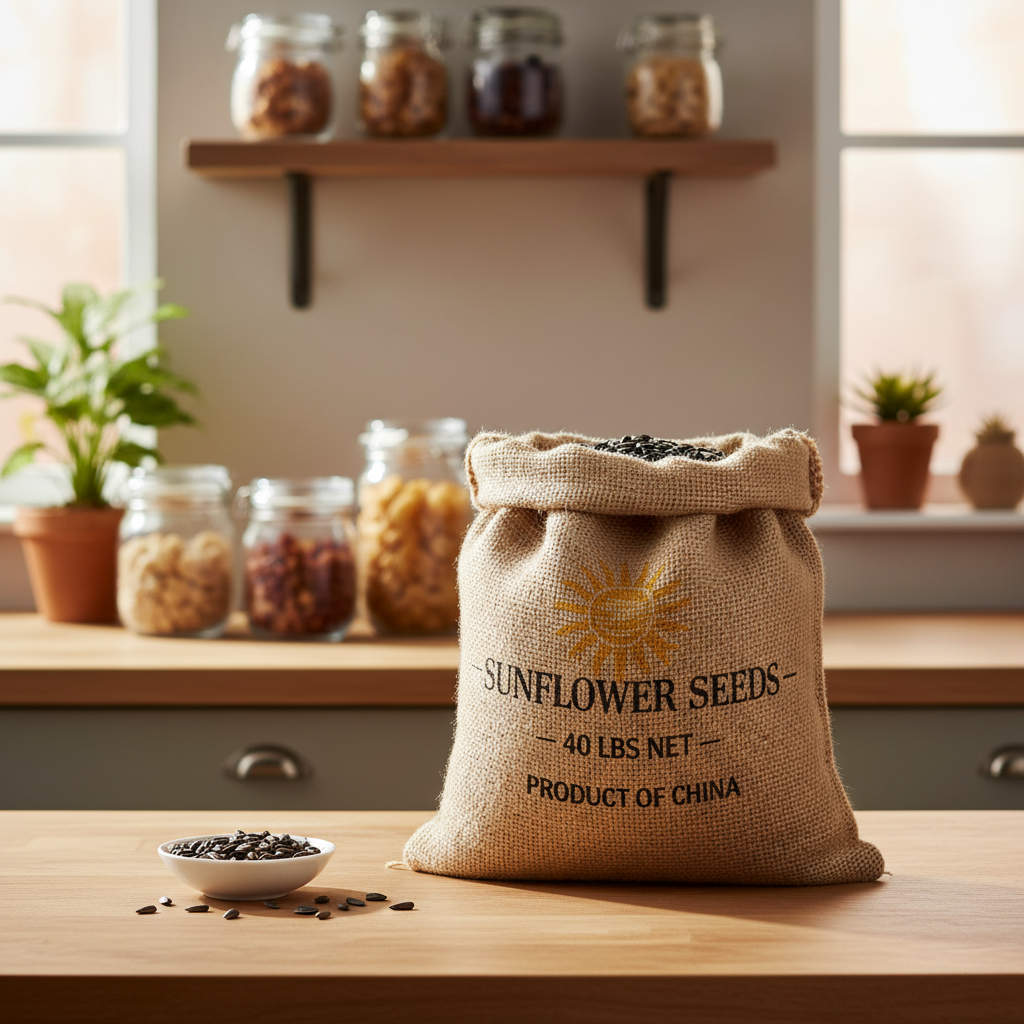
Understanding the 40 lbs Packaging of Chinese Sunflower Seeds
The 40 lbs (approximately 18.14 kg) packaging is a common and efficient unit for exporting sunflower seeds from China. This weight offers a balance between manageable handling and cost-effective shipping. It’s often packaged in woven polypropylene bags, providing adequate protection during transit. The packaging is designed to maintain seed quality, preventing moisture damage and contamination. Choosing a reputable supplier ensures proper packaging materials and techniques are used, safeguarding your investment. The standardized weight makes logistics easier and streamlines inventory management for importers.
Key Benefits of 40 lbs Packaging: Efficient for shipping, simplifies inventory, reduces handling costs, and provides adequate product protection.
Key Grades of China 40 lbs Sunflower Seed
Sunflower seeds are categorized into various grades based on size, oil content, and foreign matter. Common grades include:
- Black Oil Sunflower (BOSS): High in oil content, ideal for bird feed and oil production.
- Grey Striped Sunflower Seeds: Often used for human consumption (roasted seeds) and snack foods.
- Confectionary Sunflower Seeds: Large, uniform seeds specifically grown for snacking.
The quality and grade significantly influence the price and suitability for specific applications. A reliable supplier like Yuyang Melon can provide seeds meeting your exact specifications.
Grade Comparison:
• BOSS: High oil content, best for bird feed and oil extraction.
• Grey Striped: Versatile, popular for human snacking.
• Confectionary: Premium grade, exclusively for snacking.
China 40 lbs Sunflower Seed vs. Alternatives: A Comparative Analysis
While several countries export sunflower seeds, China stands out due to its competitive pricing and large-scale production capacity. Compared to seeds sourced from Ukraine or Russia, Chinese sunflower seeds often offer a more cost-effective solution. However, quality can vary, emphasizing the importance of selecting a trustworthy supplier. Other sourcing alternatives may offer different seed characteristics, such as higher oil content, but typically at a higher price point.
Quality Control and Certifications for Chinese Sunflower Seeds
Ensuring quality is paramount when importing sunflower seeds. Look for suppliers that adhere to international quality standards, such as ISO 9001. Relevant certifications include HACCP (Hazard Analysis and Critical Control Points) and phytosanitary certificates, confirming the seeds are free from pests and diseases. Thorough quality checks, including moisture content analysis, foreign matter inspection, and oil content testing, are crucial. Yuyang Melon implements stringent quality control measures throughout the sourcing and packaging process, ensuring consistent product quality.
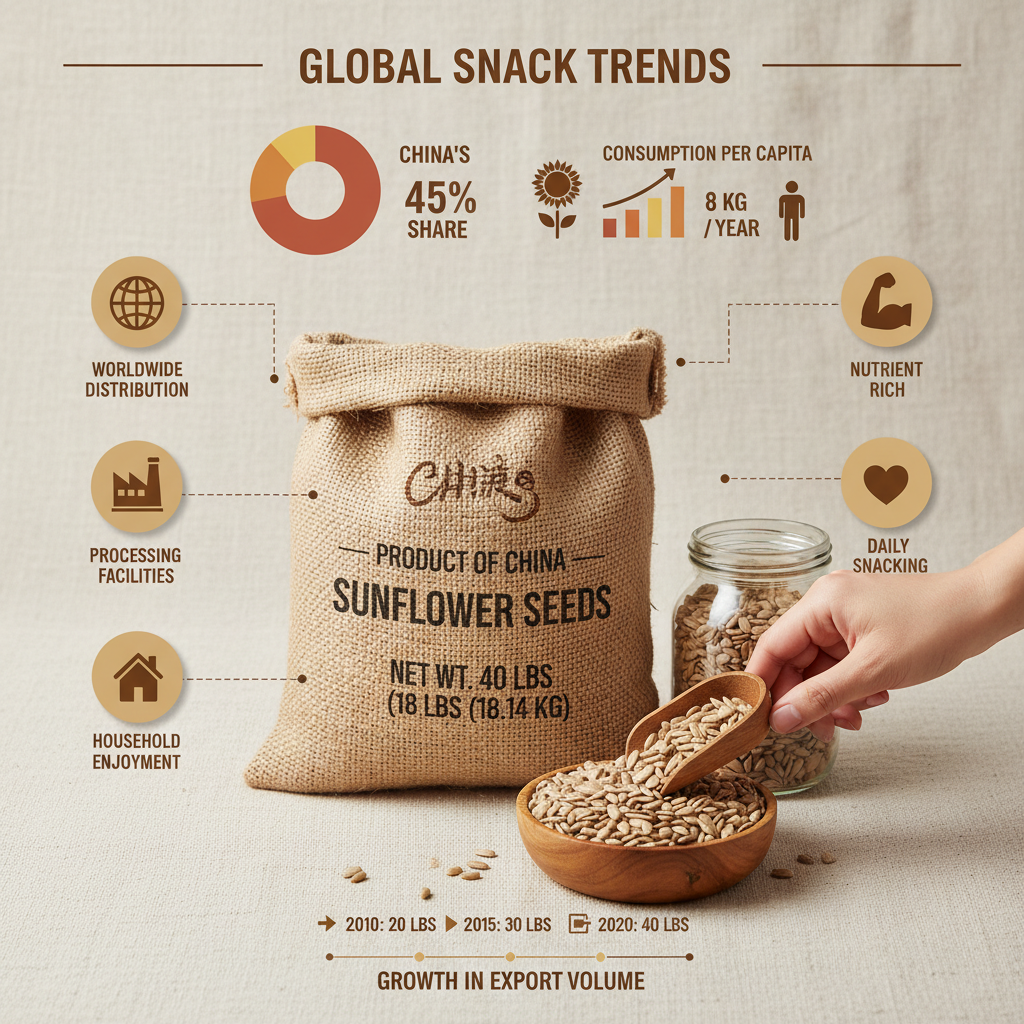
Product Specifications: 40 lbs Sunflower Seeds from Yuyang Melon
Here’s a detailed look at the specifications of the 40 lbs sunflower seeds offered by Yuyang Melon:
Conclusion: Sourcing Quality Sunflower Seeds from China
Sourcing China 40 lbs sunflower seeds can be a strategic advantage for your business. By focusing on quality control, certifications, and choosing a reliable supplier like Yuyang Melon, you can secure a consistent supply of premium seeds at competitive prices. Thorough due diligence and a commitment to quality are key to a successful sourcing partnership.
Frequently Asked Questions (FAQs)
What is the typical lead time for a 40 lbs sunflower seed order from China?
Lead times can vary depending on the quantity ordered, current production schedules, and shipping arrangements. Generally, you can expect a lead time of 20-30 days from order confirmation to delivery. This includes production time, quality control inspections, and shipping. Working with a supplier like Yuyang Melon, who has established logistics networks, can help expedite the process. Always confirm the estimated lead time with your supplier before placing an order to ensure it aligns with your requirements.
What payment terms are commonly offered by Chinese sunflower seed suppliers?
Common payment terms include Telegraphic Transfer (T/T), where a percentage of the total amount is paid as a deposit upon order confirmation, and the remaining balance is paid before shipment. Letter of Credit (L/C) is another option, particularly for larger orders, offering a higher level of security for both parties. Some suppliers may also accept PayPal or other online payment methods for smaller transactions. It’s essential to discuss and agree upon the payment terms with your supplier upfront to avoid any misunderstandings.
How can I minimize the risk of importing low-quality sunflower seeds?
The key to minimizing risk is thorough due diligence. This includes verifying the supplier’s certifications (ISO, HACCP), requesting samples for quality testing, and conducting a factory audit if possible. Specify your quality requirements clearly in the purchase agreement, including acceptable levels of moisture, foreign matter, and oil content. Consider using a third-party inspection agency to conduct quality checks before shipment. Partnering with a reputable supplier like Yuyang Melon can also mitigate risk, as we prioritize quality control throughout our processes.
What should I consider regarding shipping and logistics for 40 lbs sunflower seed orders?
Shipping costs will depend on the destination port, the mode of transport (sea or air), and the volume of the order. Sea freight is generally more cost-effective for larger shipments, while air freight is faster but more expensive. Ensure the supplier properly packs and secures the seeds for transport to prevent damage. Familiarize yourself with import regulations and tariffs in your country. Consider using a freight forwarder to manage the logistics and customs clearance process efficiently.
-
Premium Quality China Bulk Raw Sunflower Seeds for Wholesale
NewsApr.16,2026
-
China Melon Seed Price per kg Market Guide and Sourcing Trends
NewsApr.09,2026
-
China Customized Sunflower Seeds Sourcing Guide for Businesses
NewsApr.07,2026
-
Premium China Black Sunflower Seeds for Sale Direct from Yuyang Melon
NewsApr.04,2026
-
Comprehensive Guide to Sourcing High Quality China Shelled Sunflower Seeds
NewsMar.31,2026
-
China Edible Sunflower Seeds Sourcing Guide Varieties and Quality Control
NewsMar.28,2026