
Oct . 07, 2025 09:50 Back to list
Buy Bulk Sunflower Seeds Exporter: Non-GMO, Factory Price?
If you’re hunting for a reliable buy bulk sunflower seeds exporter, here’s the candid version from someone who has toured roasting lines, sniffed fresh batches straight off the cooling belt, and asked probably too many questions about moisture meters.
What’s moving the market (and why it matters)
Global demand for flavored sunflower seeds is quietly booming—snack aisles, convenience chains, even airlines. Private label programs want traceability, cleaner labels, and dependable crunch. The producers I trust lean on Xinjiang and Inner Mongolia raw materials (big kernels, steady oil content). To be honest, consistency beats hype every time.
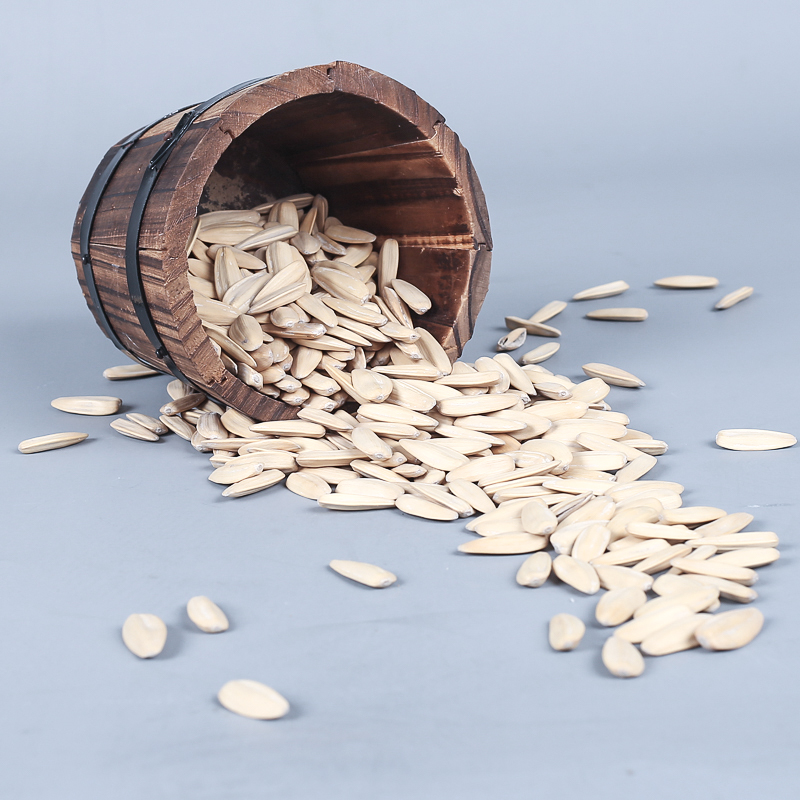
Product spotlight: Multi flavored melon seeds 500g
Locally nicknamed “melon seeds,” these are sunflower seeds with a 200+ year heritage across Northern China—Heilongjiang, Inner Mongolia, Jilin, Liaoning, Hebei. This batch uses select raw material from Xinjiang/Inner Mongolia; many customers say the shell-to-kernel ratio feels “just right,” which sounds subjective, but your jaw notices the difference after the third handful.
| Spec | Details (≈ values in real-world use may vary) |
|---|---|
| Product | Multi flavored melon seeds 500g |
| Origin | BINHE ROAD SOUTH, FUQIANG STREET WEST, XINHE COUNTY, XINGTAI CITY, HEBEI PROVINCE, CHINA |
| Size grade | ≤50 seeds per 180g (XL) |
| Defects (visual) | Mold ≤0.5 seed/180g; deformation ≤1 seed/180g |
| Moisture | ≤8% |
| Oil & nutrients | Rich in unsaturated fatty acids; vitamins & trace elements |
| Packaging | 500g pouches; bulk 25 kg; nitrogen-flush optional |
| Shelf/service life | ≈12 months at ≤20°C, aw ≤0.65, away from light |
From field to pouch: the process (short version)
Materials: Xinjiang/Inner Mongolia kernels. Methods: cleaning → size grading → gentle roasting (profile controlled) → multi-flavor tumbling → cooling → optical sorters → metal detection → nitrogen packing. Testing standards: ISO 22000/HACCP; moisture; peroxide value; aflatoxin per GB limits; microbiology (TPC, yeasts/molds; Salmonella: absent/25 g). Service life depends on ambient humidity—actually, that’s the silent killer in humid ports.
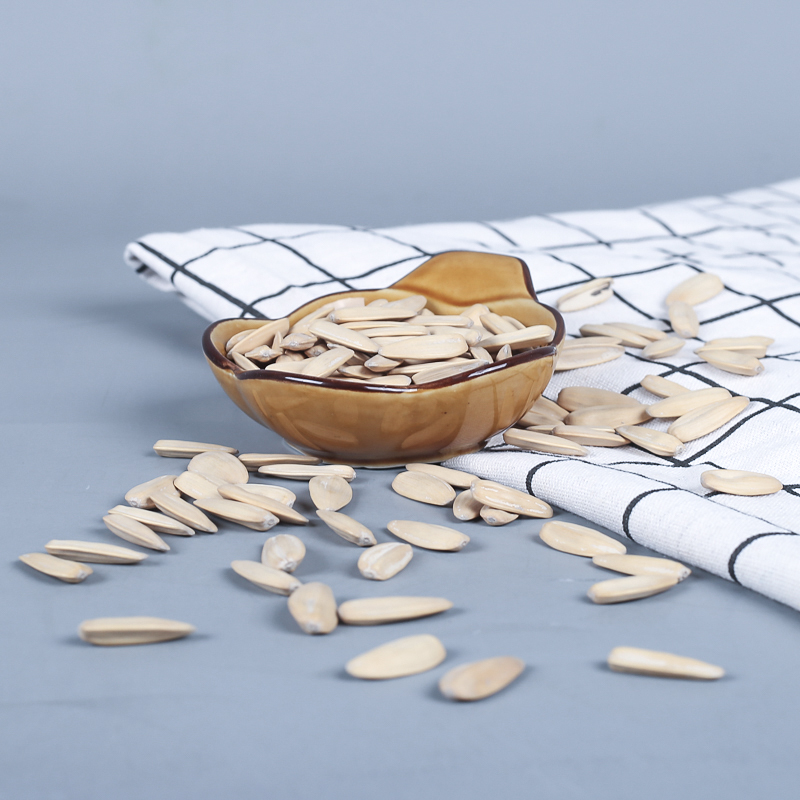
Use cases and feedback
- Retail snacks and private label (500g or custom 100–1000g).
- Foodservice: bars, stadiums, airlines (low mess shells—surprisingly important).
- Ingredient oil extraction labs evaluating kernel oil yield.
Buyers say the roast level is “confident, not burnt,” and the seasoning holds. I guess that’s the benefit of tighter moisture windows.
Vendor comparison at a glance
| Vendor | Certs | MOQ | Lead time | Price (FOB, ≈) | Customization |
|---|---|---|---|---|---|
| Yuyang Melon (Hebei) | ISO 22000, HACCP, Halal (on request) | ≈5,000 bags | 10–20 days | Mid | Roast, flavor, pack size |
| Trader A (Broker) | Varies | Flexible | 15–30 days | Low–Mid | Limited control |
| Processor B (Coastal) | HACCP | ≈10,000 bags | 20–35 days | Mid–High | Standard SKUs |
Quality and compliance
Typical lab reads I’ve seen: aflatoxin total ≤10 μg/kg (GB 2762), TPC ≤10⁴ cfu/g, Salmonella absent/25 g, moisture ≤8%. Batches ship with COA and can align to retailer specs. For export, cartons carry bilingual labels and lot traceability. It seems basic, but that trace-back QR saves headaches.
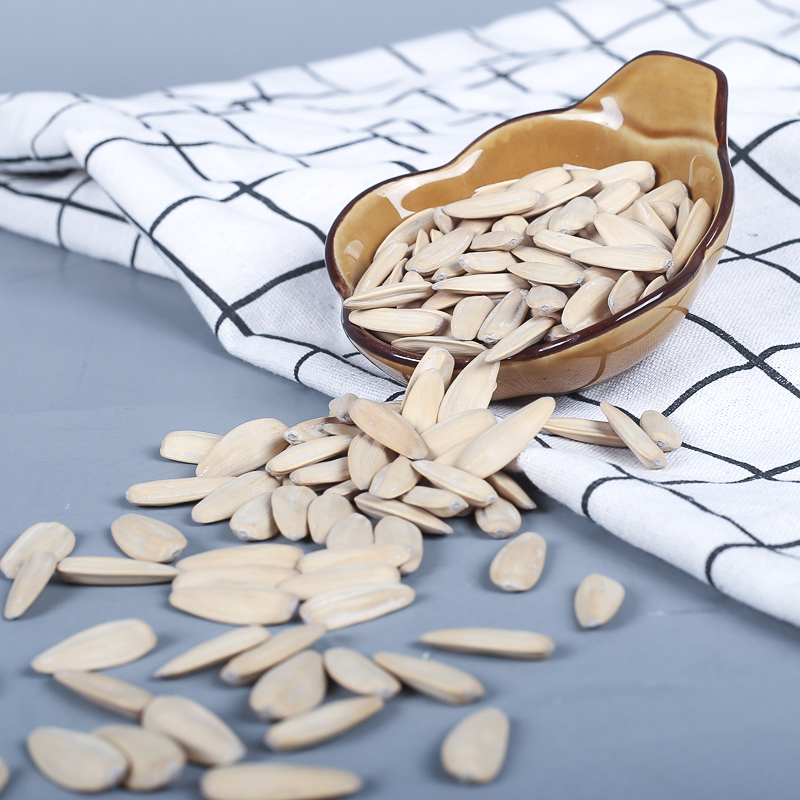
Customization and real-world case
Flavors: classic salted, five-spice, spicy, light sweet—plus custom blends. Roast curves can be nudged for lighter shells (airlines love that). A mid-size EU snack brand ran a 40’ HQ trial: defect rate dropped ≈18% versus prior supplier; on-shelf sell-through improved after a discrete switch in seasoning adhesion. Not magic—just tighter process control.
If you need a buy bulk sunflower seeds exporter with steady grading and no drama at customs, this plant in Hebei keeps it tidy. And yes, factory visits are welcome—ask to see the optical sorter room; it’s oddly calming.
Citations
-
Premium Quality China Bulk Raw Sunflower Seeds for Wholesale
NewsApr.16,2026
-
China Melon Seed Price per kg Market Guide and Sourcing Trends
NewsApr.09,2026
-
China Customized Sunflower Seeds Sourcing Guide for Businesses
NewsApr.07,2026
-
Premium China Black Sunflower Seeds for Sale Direct from Yuyang Melon
NewsApr.04,2026
-
Comprehensive Guide to Sourcing High Quality China Shelled Sunflower Seeds
NewsMar.31,2026
-
China Edible Sunflower Seeds Sourcing Guide Varieties and Quality Control
NewsMar.28,2026