
Oct . 12, 2025 11:45 Back to list
Buy Bulk Sunflower Seeds Exporter | Fresh Grade-A, Fast Ship
Looking for a reliable way to buy bulk sunflower seeds exporter? Read this before you sign.
If you’re scanning the market to buy bulk sunflower seeds exporter, you’ll quickly learn there’s plenty of noise and not enough signal. I’ve toured plants from Hebei to Inner Mongolia; some operations are immaculate, others… let’s say they’re “a work in progress.” The product below has been a steady performer in buyer audits, and, to be honest, the consistency is what keeps procurement teams coming back.
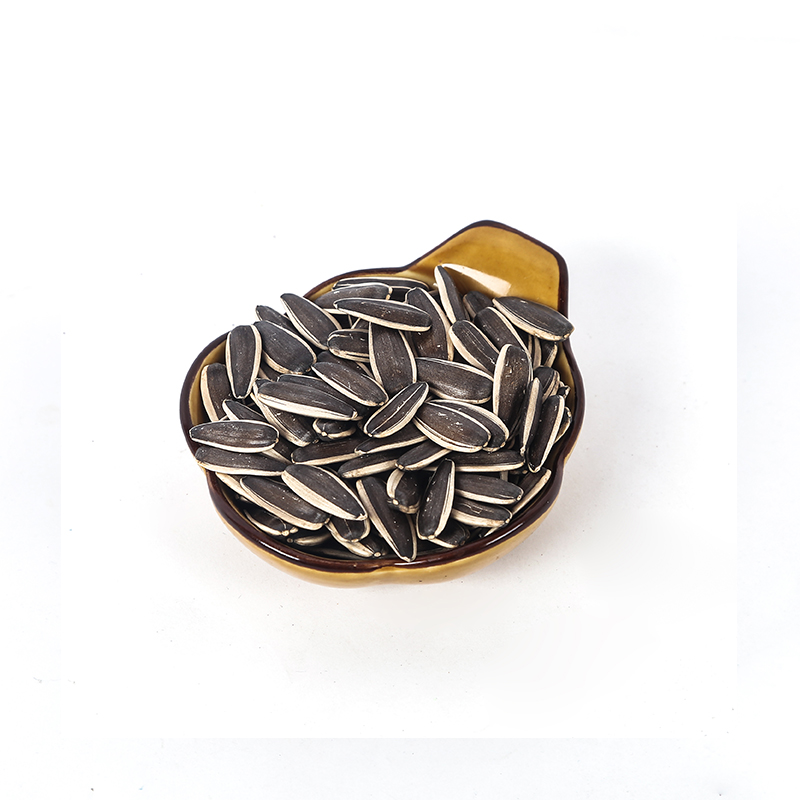
Product snapshot: Milk flavored melon seeds 500g
Origin: BINHE ROAD SOUTH, FUQIANG STREET WEST, XINHE COUNTY, XINGTAI CITY, HEBEI PROVINCE, CHINA. Raw seeds typically sourced from Xinjiang and Inner Mongolia—dry climate, long sunshine hours, and fields people actually brag about. In fact, many customers say the crunch “tastes cleaner,” which sounds subjective, yet lab numbers often agree.
| Spec | Milk flavored melon seeds 500g |
|---|---|
| Kernel type | Sunflower seed (in-shell), flavored |
| Grading | ≤50 seeds per 180 g; deformation ≤1 seed; mold ≤0.5 seed |
| Moisture | ≈6.0% (real-world use may vary) |
| Flavor profile | Light milk aroma; roasted, crunchy |
| Shelf life | 12–18 months, cool dry, nitrogen-flushed |
| Certs (typical) | HACCP, ISO 22000; third-party audits by request |
| Pack sizes | 500 g retail; bulk 5/10/20 kg cartons available |
Process flow and quality controls
Materials: selected in-shell sunflower seeds from Xinjiang/Inner Mongolia. Methods: optical sorting → washing → low-moisture roasting (≈140–160°C) → milk-flavor coating → cooling → vibration grading → metal detection → nitrogen flush and seal. Testing standards reference ISO 22000 FSMS and Codex hygiene principles, with routine checks for moisture, peroxide value, TPC, Salmonella, E. coli, aflatoxin, and heavy metals [1][2][3]. Typical batch data I’ve seen: moisture 5.5–6.5%, peroxide value
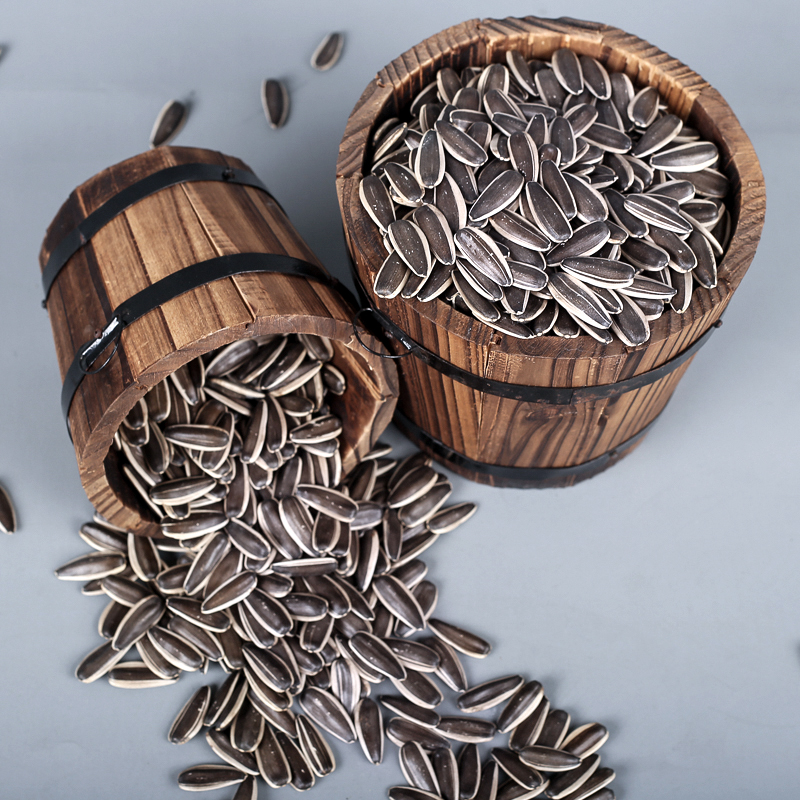
Where it actually sells
- Private label: supermarket chains needing consistent, compliant roasting and flavor.
- Foodservice: bars, airlines, stadiums—snack cups and refill jars.
- Industrial: crushed toppings for bakery and confectionery, trail-mix lines.
Advantages? Stable sizing, pleasantly clean finish, and, surprisingly, fewer consumer complaints about shell chips compared with some mass-market lots. Several buyers told me defect claims dropped after switching.
Vendor comparison (quick take)
| Vendor | Compliance & Audits | Lead time | Customization | Defect rate |
|---|---|---|---|---|
| Yuyang (this product) | ISO 22000, HACCP; 3rd-party COA | 10–20 days | Flavor, pack, print | ≈0.3% shells chipped (reported) |
| Distributor A | HACCP only | 20–30 days | Limited | ≈0.8% (buyer audits) |
| Broker B | Varies by lot | 15–35 days | MOQ dependent | ≈1.1% (mixed sources) |
Customization and practical notes
Options: salt level, milk intensity, roasting curve, carton/bag size, private-label artwork. For international retailers, align specs with your market’s aflatoxin and pesticide MRLs—EU vs. US limits do differ. If you need a buy bulk sunflower seeds exporter who can pass retail audits without a week of remediation, keep your QC checklists tight: moisture ≤7.0%, Salmonella n.d., metal detection 1.5/2.0/3.0 mm Fe/Non-Fe/SS.
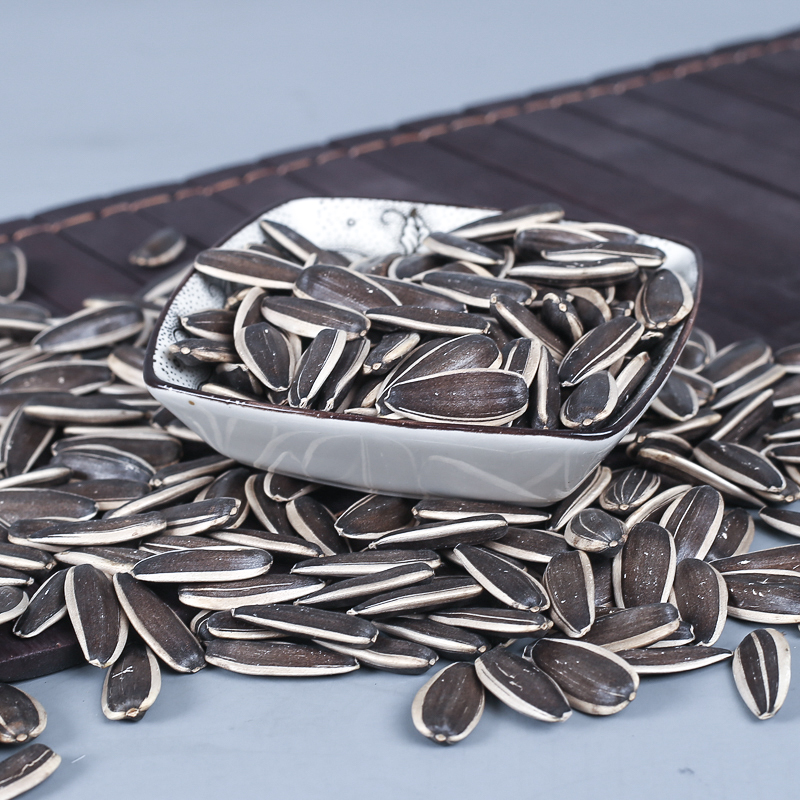
Mini case study
A Central Europe snack brand shifted to this line to consolidate SKUs across five countries. After 2 quarters, complaint rate dropped 23%, primarily shell defects and stale taste (nitrogen flush helped). Forecast accuracy improved because lead times were predictable. Not a miracle, just solid process.
Bottom line: if you’re evaluating a buy bulk sunflower seeds exporter, ask for batch COAs, roasting logs, and micro results per lot. And yes, taste the product after 6 months storage—shelf testing is where pretenders get caught.
Authoritative citations
- ISO 22000:2018 Food safety management systems—Requirements.
- Codex Alimentarius, CXC 1-1969: General Principles of Food Hygiene (incl. HACCP).
- EU Regulation (EC) No 1881/2006: Maximum levels for certain contaminants in foodstuffs (aflatoxins).
-
Premium Quality China Bulk Raw Sunflower Seeds for Wholesale
NewsApr.16,2026
-
China Melon Seed Price per kg Market Guide and Sourcing Trends
NewsApr.09,2026
-
China Customized Sunflower Seeds Sourcing Guide for Businesses
NewsApr.07,2026
-
Premium China Black Sunflower Seeds for Sale Direct from Yuyang Melon
NewsApr.04,2026
-
Comprehensive Guide to Sourcing High Quality China Shelled Sunflower Seeds
NewsMar.31,2026
-
China Edible Sunflower Seeds Sourcing Guide Varieties and Quality Control
NewsMar.28,2026