
Oct . 25, 2025 12:50 Back to list
Almonds: Fresh, Non-GMO, Protein-Rich Snack & Baking Nut
Almonds for real-world food manufacturing: specs, sourcing, tests, and what buyers actually care about
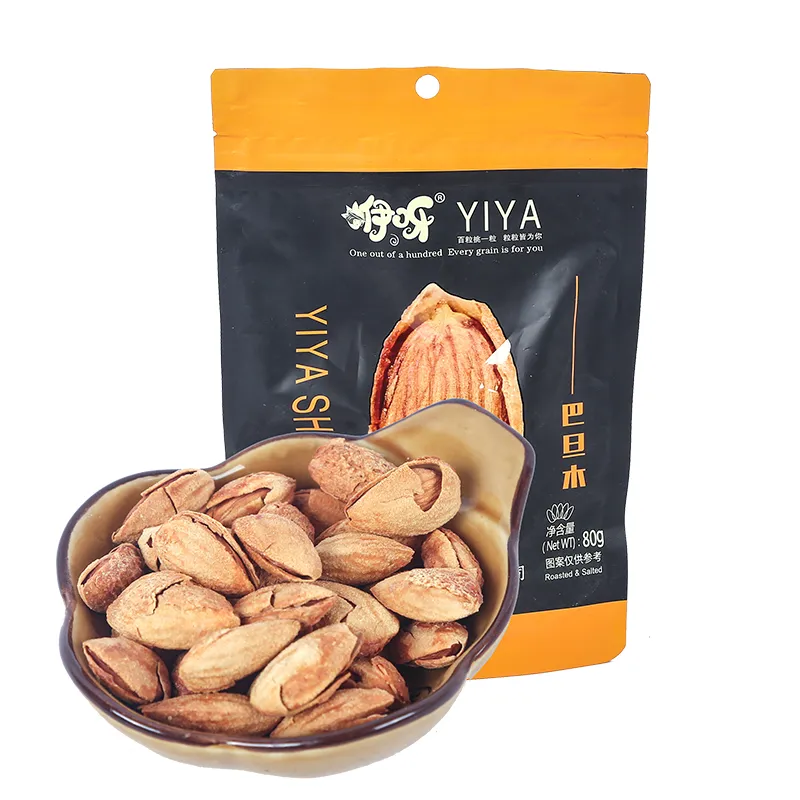
I’ve spent enough time around roasters and procurement teams to know that a good lot of Almonds is equal parts process and proof. Actually, the story here starts in Hebei, China—quiet plant floors, steady hot-air roasters, and QC techs who tap the sides of moisture analyzers like the machines could hear them.
Market pulse and where Almonds are headed
Demand keeps migrating toward clean-label snacks, bakery inclusions, and better-for-you confectionery. Roasted Almonds with consistent crunch (and low breakage) win tenders. Buyers also ask—sometimes obsessively—about aflatoxin controls and batch traceability. To be honest, that’s a good instinct.
Product snapshot
| Product | Almonds (roasted & stir-fried category) |
| Manufacturer | Hebei Yuyang Food Co., Ltd. |
| Origin | BINHE ROAD SOUTH, FUQIANG STREET WEST, XINHE COUNTY, XINGTAI CITY, HEBEI PROVINCE, CHINA |
| Ingredients / Flavor | 100% Almonds; original (customization available) |
| Standard / License | GB/T 19586; Food production license: SC11813053000183 |
| Method of Sale / Pack | Bulk; woven bag, Net Wt ≈ 3.2 kg |
| Typical targets | Roast moisture ≈ 2–4% (real-world use may vary); size uniformity per buyer spec |
| Shelf life (indicative) | ≈ 9–12 months sealed, cool/dry storage; confirm per lot COA |
How they’re made: process flow that actually matters
- Materials: food-grade whole Almonds, screened and graded; allergen-controlled line.
- Roast method: hot-air roasting (≈120–150°C) with PID control; occasional stir-fry finishing for color.
- Post-roast: cooling tunnel, optical sorting, sieving for fines, metal detection (Fe/Non-Fe/SS).
- Testing: GB/T 19586 sensory/physical; moisture by gravimetric or AOAC methods; microbiology per China GB standards; mycotoxin limits per GB 2761 (buyer-led verification recommended).
- Packaging: bulk woven bag; inner food-contact liner; lot code + production date.
- Service life: monitor aW and peroxide value; rotate stock FIFO—seriously, don’t skip that.
- Industries: bakery, confectionery, dairy/yogurt toppings, cereal/granola, foodservice, and nutraceutical blends.
Application scenarios and advantages
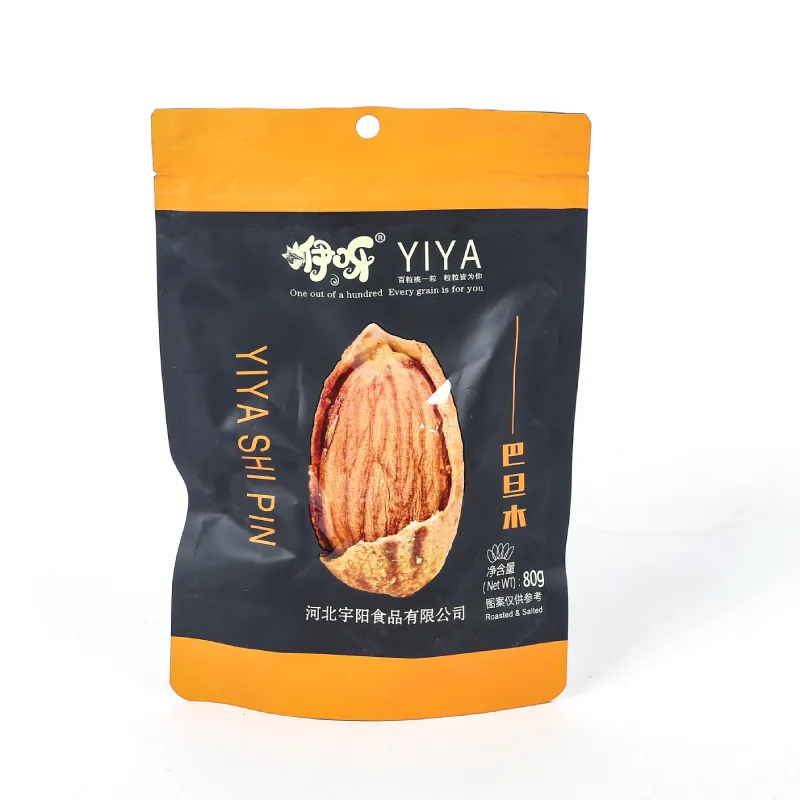
For bakeries, uniform roast and low breakage keep visual appeal. For snack brands, oil uptake is minimal, so seasoning sticks without greasiness. Nutrition-wise, Almonds bring protein, fiber, and unsaturated fats—yes, the classic better-for-you mix buyers keep quoting back to me.
Vendor comparison (real-world purchasing notes)
| Vendor | Traceability | Roast control | Customization | Lead time | Third‑party tests |
|---|---|---|---|---|---|
| Hebei Yuyang Food | Lot-coded to plant/date | PID hot-air; repeatable color | Flavor/sizing on request | ≈ 2–4 weeks | Available per PO |
| Generic Importer A | Partial | Varies by subcontractor | Limited | ≈ 4–6 weeks | Case-by-case |
| Trader B | Mixed | Roast outsourced | Moderate | ≈ 3–5 weeks | On request |
Customization and QC data
- Roast profiles: light/medium/dark to target color L values (e.g., 55–65).
- Cut styles: whole, halves, pieces (breakage limits agreed in spec).
- Seasoning: original baseline; other flavors by brief.
- QC snapshot (illustrative): moisture ≈ 2.3–2.8%, peroxide value within buyer spec; plate counts compliant with GB microbiological criteria. Always verify with a COA.
- Certifications: manufacturer license SC11813053000183; additional schemes (e.g., ISO 22000/HACCP) may be offered by vendors—request current certificates.
Case study: bakery line roll‑out
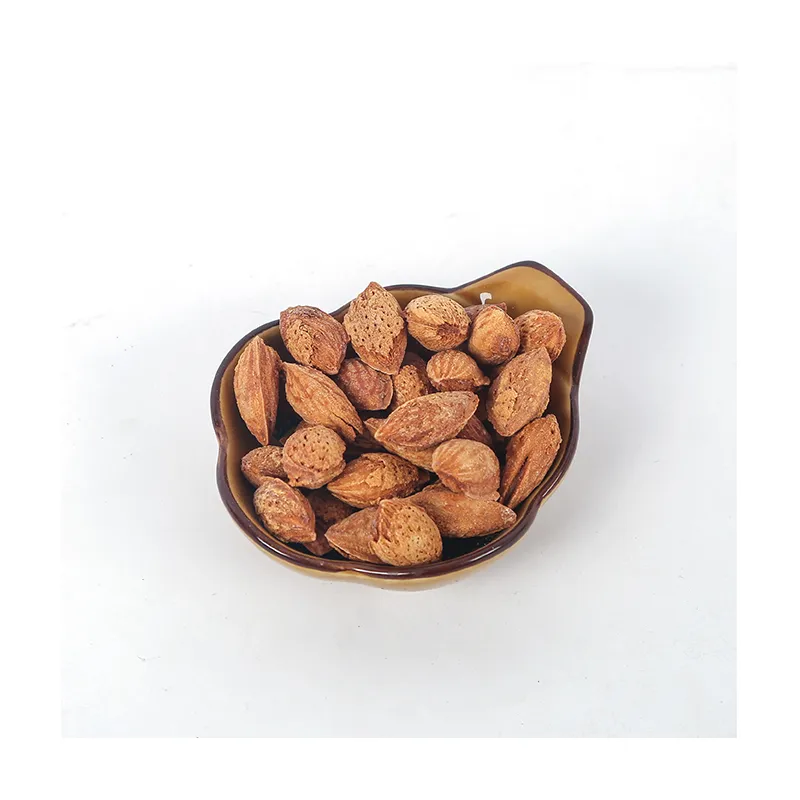
A regional bakery swapped in these Almonds for a granola‑topped bar. Breakage dropped visibly, and moisture uniformity tightened, so the bars kept their crunch through a 6‑month shelf test. Customer feedback? “Clean roast, no bitter tails.” Not scientific, sure, but it mirrors the sensory notes on the lab sheet.
Practical buying tips
- Ask for GB/T 19586 alignment and a current COA (moisture, micro, mycotoxins).
- Confirm lot coding, metal detection records, and storage guidance.
- Run pilot batches—real ovens are the ultimate test for Almonds texture.
Authoritative references
- GB/T 19586 Roasted Seeds and Nuts—Product Standard. http://openstd.samr.gov.cn
- USDA FoodData Central: Almonds, raw/roasted—nutrient profile. https://fdc.nal.usda.gov
- ISO 22000:2018 Food safety management systems—Requirements. https://www.iso.org
- Codex Code of Hygienic Practice for Tree Nuts (CAC/RCP 75-2015). https://www.fao.org/fao-who-codexalimentarius
- AOAC Official Methods for Moisture and Lipid Oxidation in Nuts (e.g., AOAC 925 series). https://www.aoac.org
-
Premium Quality China Bulk Raw Sunflower Seeds for Wholesale
NewsApr.16,2026
-
China Melon Seed Price per kg Market Guide and Sourcing Trends
NewsApr.09,2026
-
China Customized Sunflower Seeds Sourcing Guide for Businesses
NewsApr.07,2026
-
Premium China Black Sunflower Seeds for Sale Direct from Yuyang Melon
NewsApr.04,2026
-
Comprehensive Guide to Sourcing High Quality China Shelled Sunflower Seeds
NewsMar.31,2026
-
China Edible Sunflower Seeds Sourcing Guide Varieties and Quality Control
NewsMar.28,2026