Premium Muskmelon Seeds Price per kg and Sourcing Guide
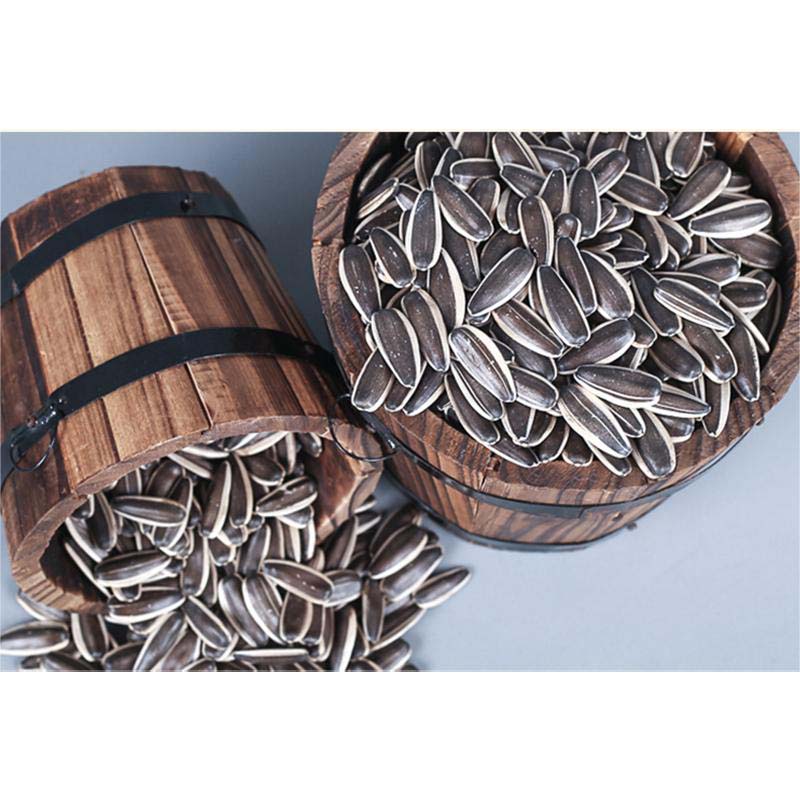
When sourcing high-quality seeds for the snack food market, professional buyers often struggle to balance cost-efficiency with nutritional integrity. For those evaluating the muskmelon seeds price per kg, the value is not merely in the numerical cost but in the consistency of the kernel size, the purity of the raw materials, and the processing standards applied. Premium muskmelon seeds, known for their buttery texture and rich nutrient profile, serve as a versatile base for both direct consumption and as an ingredient in gourmet baking and health-conscious snack lines.
This guide explores the critical factors that influence the procurement of these seeds, from the sourcing of pollution-free raw materials in regions like Xinjiang to the rigorous ISO9001 quality management systems that ensure every batch meets international safety standards. By understanding the relationship between processing techniques and market value, distributors can make informed decisions that enhance their product offerings while maintaining competitive margins.

Analyzing the Impact of Raw Material Sourcing on Seed Quality
The quality of processed seeds begins with the geographical origin of the raw crop. In the leisure snack industry, raw materials sourced from pollution-free zones, specifically Xinjiang and Inner Mongolia, are highly prized. These regions provide the ideal climatic conditions for developing seeds with a plump structure and a natural, sweet-nutty flavor profile that requires minimal additive enhancement during the frying or roasting process.
For a B2B buyer, the origin serves as a proxy for safety and purity. Seeds grown in controlled, pollution-free environments are less likely to contain contaminants, which is a critical requirement for passing international quality and safety standards. When these raw materials are integrated into a fully enclosed management workshop, the risk of cross-contamination is virtually eliminated, ensuring that the final product remains compliant with national health regulations.
- Regional Advantage: Xinjiang and Inner Mongolia offer superior soil and climate for nutrient-dense seeds.
- Environmental Control: Pollution-free sourcing reduces the need for intensive chemical cleaning.
- Consistency: Sourcing from established agricultural belts ensures a steady supply of uniform kernel sizes.

Manufacturing Excellence and Standardized Processing Workflows
Turning raw seeds into a consumer-ready snack requires a sophisticated blend of technology and technical expertise. The implementation of advanced food processing equipment, combined with laboratory-grade testing, allows manufacturers to maintain a strict standard of "internationalization and standardization." This is particularly evident in the frying and seasoning stages, where precise temperature control prevents the degradation of healthy fats and proteins.
The use of a fully enclosed workshop is not merely a formality but a strategic necessity to meet ISO9001 international quality management system certifications. By controlling every variable—from the initial cleaning to the final packaging—manufacturers can guarantee a product that is both safe and flavorful. This technical strength allows for the production of specialized series, such as the Eya series, which are designed to appeal to diverse consumer tastes across multiple provinces.
Furthermore, the integration of research and development ensures that the production process evolves. Continuous taste testing and innovation in frying techniques mean that the seeds retain their buttery kernel and smooth shell, providing a premium sensory experience that distinguishes them from generic mass-market alternatives.
Strategic Application in the Health Snack and Gourmet Markets
Muskmelon seeds are increasingly positioned as a "superfood" snack due to their high concentration of healthy fats and proteins. In the commercial sector, these seeds are not only sold as standalone snacks but are integrated into a variety of high-value applications. Their unique flavor profile makes them an elegant addition to salads, cookies, and artisan pies, where they add both a nutritional boost and a sophisticated crunch.
For distributors and retailers, the versatility of the product is a key selling point. Because the seeds are processed to be "baby-friendly" and safe for all ages, they open up a wider demographic of consumers. The ability to offer a product that is both a healthy snack and a culinary ingredient increases the turnover rate and allows for diversified marketing strategies, from health-food stores to gourmet supermarkets.
The demand for clean-label snacks has pushed the industry toward products that emphasize "pollution-free" origins and "standardized management." Buyers now prioritize transparency in the supply chain, seeking partners who can prove their adherence to safety standards through certifications and a track record of distribution in major urban hubs like Beijing, Shanghai, and Tianjin.
Comparative Evaluation of Seed Quality Tiers
| Quality Grade | Raw Material Origin | Processing Standard | Market Application |
|---|---|---|---|
| Premium (Grade A) | Pollution-free (Xinjiang/Inner Mongolia) | ISO9001 / Enclosed Workshop | Gourmet Export / Health Brands |
| Standard (Grade B) | Regional Agricultural Belts | National Safety Standards | Mass Market Retail / General Snacks |
| Industrial (Grade C) | Mixed Sourcing | Basic Processing | Ingredient Filler / Low-cost Mixes |
| Custom/OEM | Client Specification | Tailored R&D Process | Private Label / Specialized Flavors |
| Organic-Traceable | Certified Organic Zones | Strict Non-GMO Protocols | Premium Organic Boutiques |
Procurement Considerations for Bulk Seed Sourcing
When negotiating bulk contracts, procurement managers must look beyond the initial quote. The true cost of ownership includes factors such as the rate of breakage, moisture content, and the stability of the supply chain. A supplier that integrates R&D, production, and sales—such as a private enterprise with its own laboratory equipment—can offer a level of quality consistency that trading-only companies cannot match.
Verification of certifications is the most reliable way to mitigate risk. An AA-level credit rating or "Outstanding Enterprise" award indicates a supplier's reliability in fulfilling large-scale orders without compromising on quality. Moreover, the ability of a supplier to distribute across multiple provinces demonstrates their logistical capability and their ability to handle the complexities of food transport and storage.
Buyers should also evaluate the supplier's commitment to innovation. A company that continues to launch new flavors and taste-tested products in 2023 and beyond is more likely to help a distributor stay ahead of consumer trends, ensuring that the stock does not become stagnant in a fast-moving leisure food market.
Future Trends in the Nut and Seed Processing Industry
The trajectory of the snack food industry is moving toward "functional snacking," where consumers seek products that provide specific health benefits. We are seeing a shift toward low-sodium, air-roasted, or organically flavored seeds. This evolution requires manufacturers to invest heavily in "innovative technical management personnel" who can redesign processes to maintain flavor while reducing caloric density.
Digital transparency is also becoming a procurement requirement. The addition of products to national quality supervision networks allows buyers to track safety data in real-time. In the coming years, the integration of smart manufacturing—where AI optimizes the frying process to ensure a perfectly uniform golden color and crunch—will likely become the new industry benchmark.
As the market expands, the ability to offer a comprehensive portfolio—including chickpeas, pistachios, watermelon seeds, and pumpkin seeds—will allow suppliers to become "one-stop-shop" partners for global distributors. This consolidation of sourcing reduces logistical overhead and ensures a consistent brand experience across different product lines.
Frequently Asked Questions About Muskmelon Seed Procurement
What factors most significantly impact the muskmelon seeds price per kg in bulk orders?
The price is primarily driven by the origin of the raw materials (such as pollution-free seeds from Xinjiang), the level of certification (ISO9001), the processing method (fully enclosed management), and the total volume of the order. Higher purity and standardized processing typically command a premium.
How can I verify the quality and safety of a seed supplier?
Look for suppliers with ISO9001 certification, AA-level credit ratings, and products listed on the China Product Quality Supervision Network. Additionally, verify if they use advanced laboratory equipment and maintain a fully enclosed production workshop to prevent contamination.
Are these seeds suitable for use as ingredients in baking?
Yes, due to their buttery flavor and high nutrient content, these seeds are excellent for adding texture and health benefits to pies, cookies, and salads. Their standardized processing ensures a consistent taste that complements various recipes.
What is the advantage of sourcing seeds from Xinjiang or Inner Mongolia?
These regions are renowned for their pollution-free environments and optimal growing conditions, which result in seeds that are larger, plumper, and naturally more flavorful than those from other regions.
Does the supplier offer customization or OEM services for different flavors?
Companies that integrate research and development, such as Xuanhang Trading, often have the technical strength to innovate new tastes and develop a series of products tailored to specific consumer preferences.
What are the typical storage requirements for processed muskmelon seeds?
To maintain freshness and prevent the oxidation of healthy fats, seeds should be stored in a cool, dry place away from direct sunlight, preferably in airtight packaging as provided by the manufacturer.
Industry Resources and Technical References
- ISO 9001: Quality Management Systems Standards
- Food and Agriculture Organization (FAO) - Seed Production Guidelines
- FDA Food Safety Modernization Act (FSMA) Compliance
- World Health Organization - Food Safety Standards
Selecting a reliable partner for seed procurement requires a focus on technical capability and raw material purity. If you are looking for a supplier that combines ISO9001 certified production with high-quality raw materials from Xinjiang, please contact our team for a detailed specification sheet and current pricing.
Related Product Insights