
Mar . 24, 2026 02:15 Back to list
Boost Your Salad with Nutritious China Sunflower Seeds A Global Perspective
China Sunflower Seeds in Salad: A Nutritional Boost & Global Trade
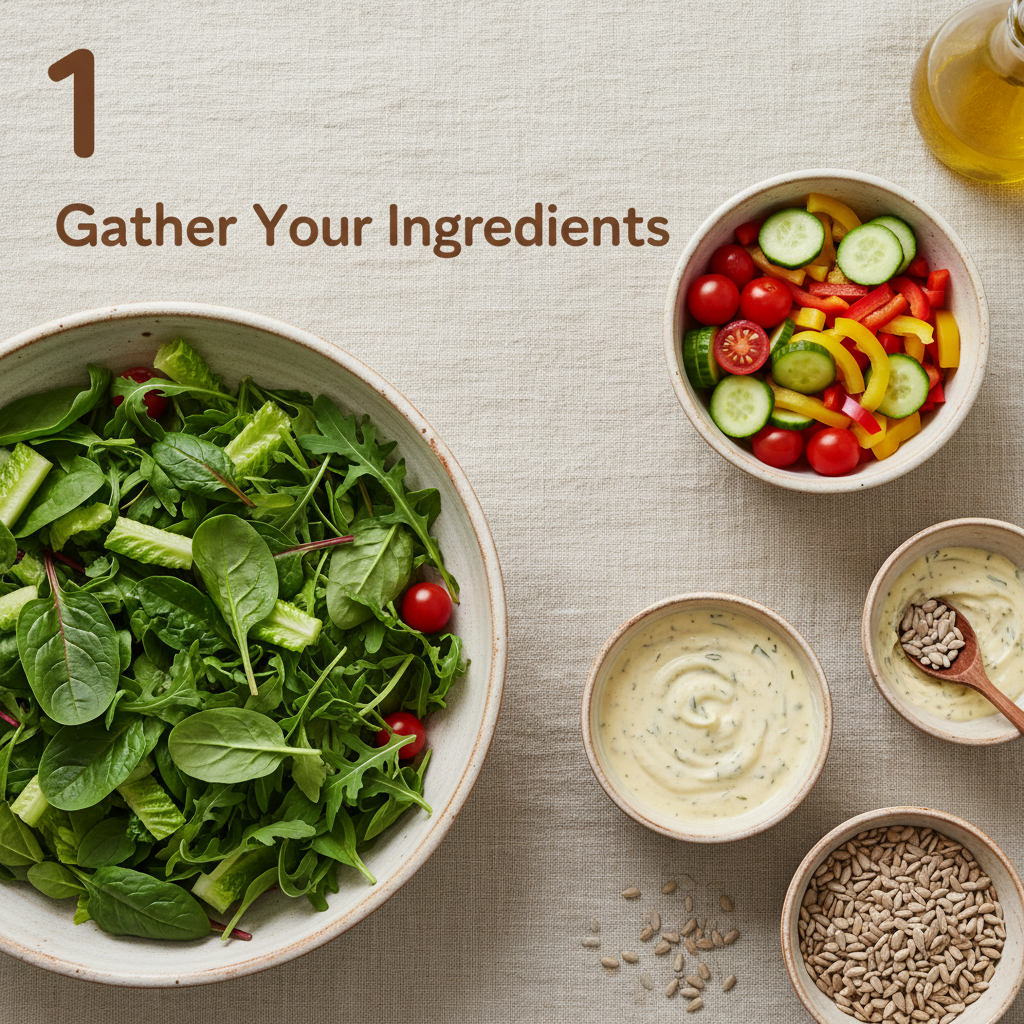
Sunflower seeds are gaining significant popularity as a healthy and flavorful addition to salads worldwide. Sourced extensively from China, these seeds offer a unique texture and nutritional profile that appeals to health-conscious consumers. This article explores the benefits of incorporating Chinese sunflower seeds into your salads, the global trade dynamics surrounding them, and the quality standards you can expect. We'll delve into why these seeds are becoming a staple in kitchens across the globe.
Nutritional Powerhouse: Why Choose Sunflower Seeds?
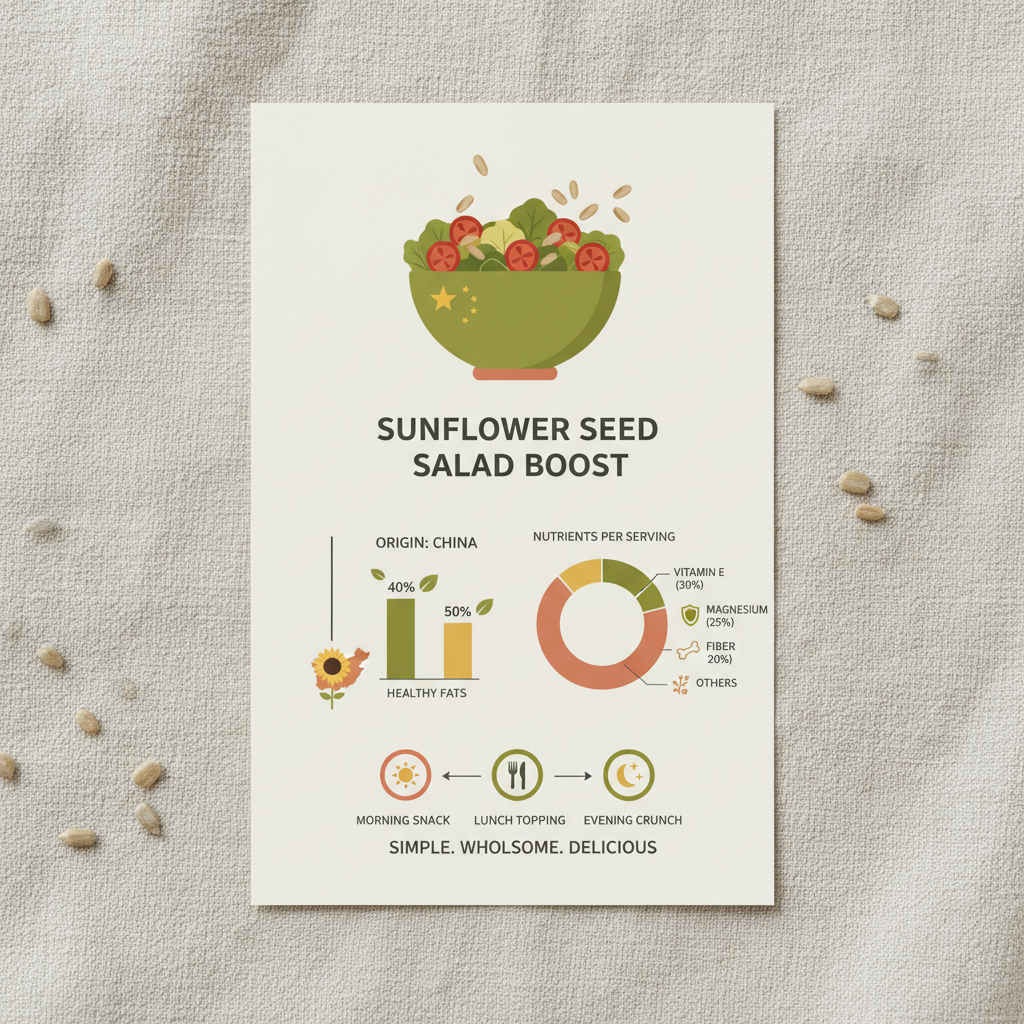
Sunflower seeds are packed with essential nutrients that contribute to a healthy diet. They're an excellent source of Vitamin E, a potent antioxidant that protects cells from damage. They also provide a good amount of magnesium, which is vital for nerve function, blood sugar control, and blood pressure regulation. Moreover, sunflower seeds contain healthy fats, protein, and fiber, promoting satiety and supporting overall well-being. Adding them to a salad isn't just about taste; it’s a nutritional upgrade.
Key Highlights: Rich in Vitamin E, magnesium, healthy fats, protein, and fiber. Contributes to improved heart health and immune function.
China Sunflower Seeds in Salad: Varieties & Processing
China is one of the world’s largest producers and exporters of sunflower seeds. Several varieties are cultivated, including black oil sunflower seeds (known for their high oil content) and confectionery sunflower seeds (preferred for direct consumption). The seeds undergo various processing stages, including cleaning, drying, dehulling, and grading, to ensure quality and safety for consumption. Many suppliers, like Yuyang Melon, specialize in providing high-quality sunflower seeds specifically for the food industry.
Processing Steps:
• Cleaning and Sorting
• Drying to optimal moisture content
• Dehulling to remove the outer shell
• Grading based on size and quality
Global Trade of Sunflower Seeds: Key Import & Export Countries
The global sunflower seed trade is robust, with China playing a pivotal role. Major importing countries include the European Union, Russia, and Turkey. The United States and Argentina are also significant importers. China exports substantial volumes of sunflower seeds to these regions, meeting the growing demand for this healthy ingredient. Factors influencing trade include weather patterns, crop yields, and global economic conditions. The demand for organic and sustainably sourced sunflower seeds is steadily increasing, creating new opportunities for exporters.
Quality Control & Safety Standards for China Sunflower Seeds
Ensuring the quality and safety of sunflower seeds is paramount. Reputable suppliers from China adhere to strict quality control measures throughout the entire production process, from farm to export. These measures include regular testing for pesticide residues, heavy metals, and other contaminants. Certifications like ISO 9001 and HACCP demonstrate a commitment to food safety and quality. When sourcing from China, look for suppliers with verifiable certifications and a strong track record of quality assurance.
Product Specifications: Chinese Sunflower Seeds for Salad
Understanding the specific product specifications is vital for ensuring the sunflower seeds meet your salad requirements. Here’s a typical product specification table:
Conclusion: Elevate Your Salads with Chinese Sunflower Seeds
Chinese sunflower seeds offer a fantastic blend of nutrition, flavor, and affordability. When sourcing from reputable suppliers like Yuyang Melon, you can be confident in receiving a high-quality product that enhances your salads and provides a healthy boost to your customers. From global trade to stringent quality control, China is a key player in delivering this valuable ingredient to the world.
Frequently Asked Questions (FAQs)
What is the shelf life of sunflower seeds?
Properly stored sunflower seeds can last for 6-12 months. It's crucial to store them in an airtight container in a cool, dark, and dry place. Exposure to air, light, and moisture can cause the seeds to become rancid. Regularly check for any off-odors or changes in flavor, which may indicate spoilage. Storing them in the refrigerator can further extend their shelf life.
Are there different types of sunflower seeds suitable for salads?
Yes, confectionery sunflower seeds are generally preferred for salads due to their larger size and thinner shell, making them easier to eat. Black oil sunflower seeds, while nutritious, have a smaller size and thicker shell and are often used for birdseed or oil extraction. However, both types can be used in salads, depending on your preference.
What are the benefits of organic sunflower seeds?
Organic sunflower seeds are grown without the use of synthetic pesticides, herbicides, or fertilizers, offering a more natural and environmentally friendly option. This can be particularly appealing to health-conscious consumers. Organic certification ensures adherence to strict agricultural standards, promoting sustainable farming practices.
-
Premium Quality China Bulk Raw Sunflower Seeds for Wholesale
NewsApr.16,2026
-
China Melon Seed Price per kg Market Guide and Sourcing Trends
NewsApr.09,2026
-
China Customized Sunflower Seeds Sourcing Guide for Businesses
NewsApr.07,2026
-
Premium China Black Sunflower Seeds for Sale Direct from Yuyang Melon
NewsApr.04,2026
-
Comprehensive Guide to Sourcing High Quality China Shelled Sunflower Seeds
NewsMar.31,2026
-
China Edible Sunflower Seeds Sourcing Guide Varieties and Quality Control
NewsMar.28,2026